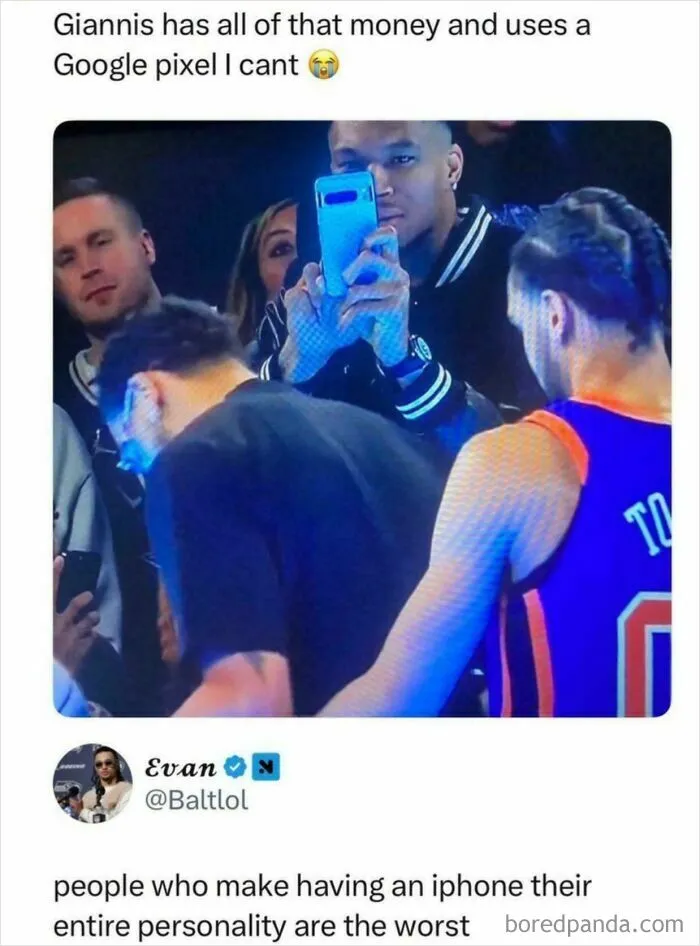






Why some content goes viral while other content gets sidelined is a head-scratcher for many people.
On the one hand, there are many aspects of virality that you can’t control. Luck plays a major role in going viral. Success is never truly guaranteed.
Post timing, current social trends, and other things happening in the world that day can either boost or derail the visibility of your content. That’s why consistent posting is so important.
On the other hand, there are plenty of things that you can control. For instance, we know what type of content truly resonates with people, and why. And focusing on them can help you avoid (some) of the pitfalls of bad luck.



The key word when it comes to virality is emotions. In a nutshell, content that gets a strong emotional response is more likely to be shared and reshared online, making it go viral.
The twist is that this applies to both negative and positive emotions. The second twist is that this applies to high-arousal emotions, but not low-arousal ones. And yet, there are nuances even here.
One study that looked at online communication, viral campaigns, emotions, and social transmission found that positive content is more viral than negative content.
That being said, high-arousal positive emotions like awe or strong negative emotions like anger or anxiety tend to be more viral than low-arousal (deactivating emotions) like sadness.
Other important aspects of virality include how surprising, interesting, and practically useful the content is, as well as how prominently it is featured.



Harvard Business Review notes that an important upside of positive content is that it is “primed for social sharing.”
“Passing on a positive emotional experience makes others feel good, which in turn makes the sharer look good. Including an element of surprise can help magnify the content’s positive valence,” writes Kerry Jones, from Fractl.



As per HBR, sad content “can still be viral.” However, it requires that it also includes a strong element of either surprise or admiration.
“Images could still go viral even if they did not incite high-arousal emotions. Viral images that evoked negative, low-arousal emotions, such as sadness or depression, were also surprising or inspiring.”
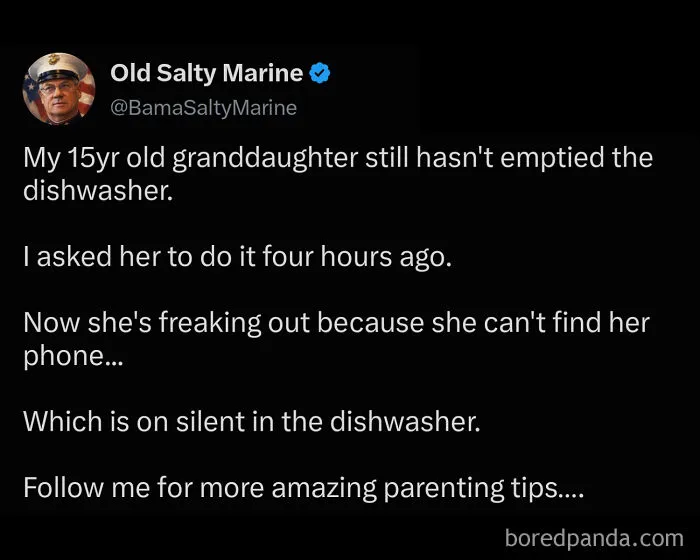


Meanwhile, social psychologist Rosanna Guadagno, PhD, and her team found that people are more likely to spread internet memes when they had strong emotional responses to the content, whether positive or negative.
For instance, content that is exceptionally funny or memes that make you extremely angry are more likely to spread online. Furthermore, content that people find disgusting is also more likely to go viral.

#17 Turns Out The Real Flex Wasn't Building Social Media. It Was Leaving Before It Consumed Your Entire Life


“Overall, we found that Internet memes go viral due to a psychological process called emotional contagion. Emotional contagion is a process through which emotions spread like a disease and are therefore considered contagious," Guadagno explains the link between emotions and virality.