



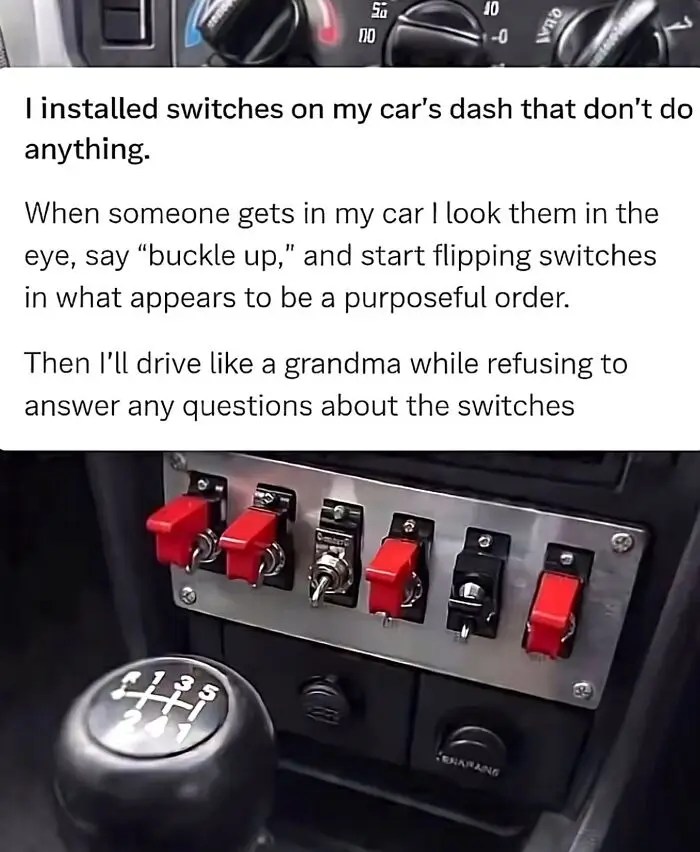

Laughing is fun. It makes us feel better, connects us with other people, defuses awkward situations and makes life more palatable when stress is threatening to overtake it. Yet scientists still don’t know a lot about the physical act of laughter itself, especially why it’s expressed like that.
You’re probably chuckling to yourself alone as you scroll through these memes, but evolutionary scientists think that the primary reason for laughter was to help humans form social bonds better. They theorize that laughter evolved from labored breathing during playful activities such as tickling. Chimpanzees, as well as humans, do that, especially young ones, and it’s a signal to others that you’re having fun and feel good around the other person.



Since then, humans have learned to fake laughter. We need it in certain situations, like when we don’t want to insult a colleague after they tell a really bad joke or when we want to impress someone. But think about it, Pandas: would you be able to tell when a person is fake-laughing in your face?
Research shows that humans generally can tell when someone’s laughter is unnatural. Real, natural laughter is higher in pitch, shorter in duration and shorter in bursts. Even when the researchers manipulated fake laughter, slowed it down and tried to pass it off as animal laughter, participants in the study were able to tell that it was still a human laughing. Real laughter was more deceptive, though, because its acoustic qualities were way more similar to animal sounds, making it harder to distinguish from a primate’s laughter.



The way we laugh around other people can reveal something about our relationship to them. Greg Bryant, a UCLA professor of communication studies, found in 2016 that onlookers can tell if two people are friends or not by the way they laugh. Together with colleagues, he played audio of people laughing together, some who were close, others who had just recently met, and asked participants to guess their relationship.


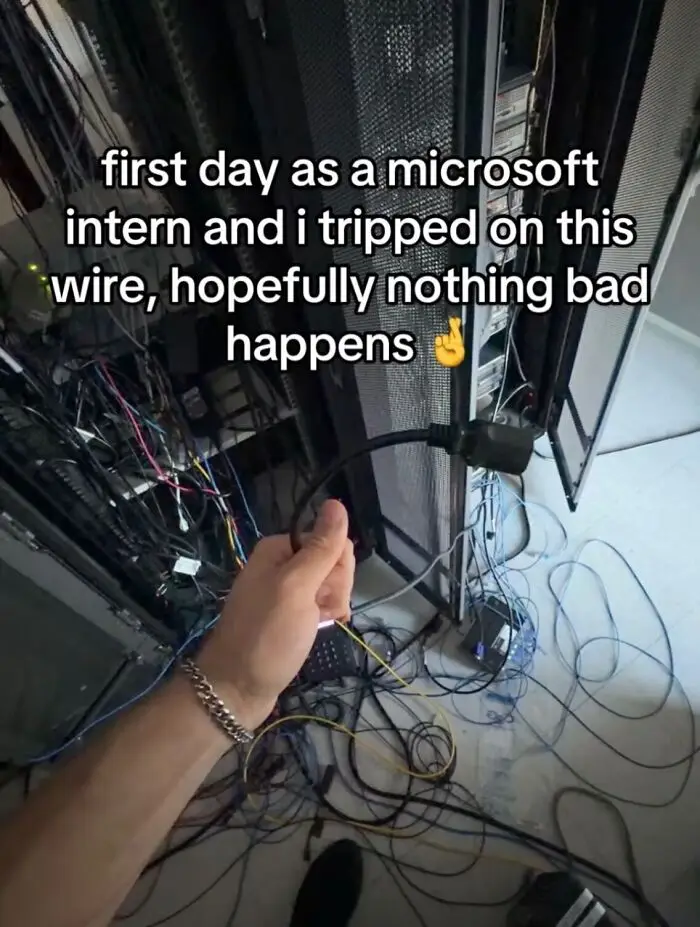
61% of the time, the participants in the study were able to correctly guess which pairs were friends and which were strangers. The easiest pairs to guess were two women who were friends: a whopping 80% of the participants were able to correctly identify their relationship. This confirms the findings that people can really tell when someone is fake-laughing and when their laugh is genuine.



But there’s also another kind of laughter, rarely triggered by something funny: nervous laughter. We nervous laugh in awkward situations and sometimes even as an inappropriate reaction, like when someone tells you that their nan has cancer. It’s what scientists call an “incongruous emotional display,” and other examples include crying even when we’re happy and screaming when we see our idols in real life.



Psychological scientist and researcher at Yale University, Oriana Aragon, theorizes that nervous laughter plays a role in emotional regulation. The gist of it is this: when we feel overwhelmed, either by a positive or a negative emotion, we react in the opposite way that we feel and that helps us restore the balance of our emotions and suppresses the feelings of overwhelm.