

Postcards in the early 20th-century city arguably marked the first time in history that communication at that speed was affordable and widely accessible. Between 1900 and 1914, according to Weiss, "there's this massive worldwide postcard craze to the point where people talk about it being a disease in the public bloodstream".
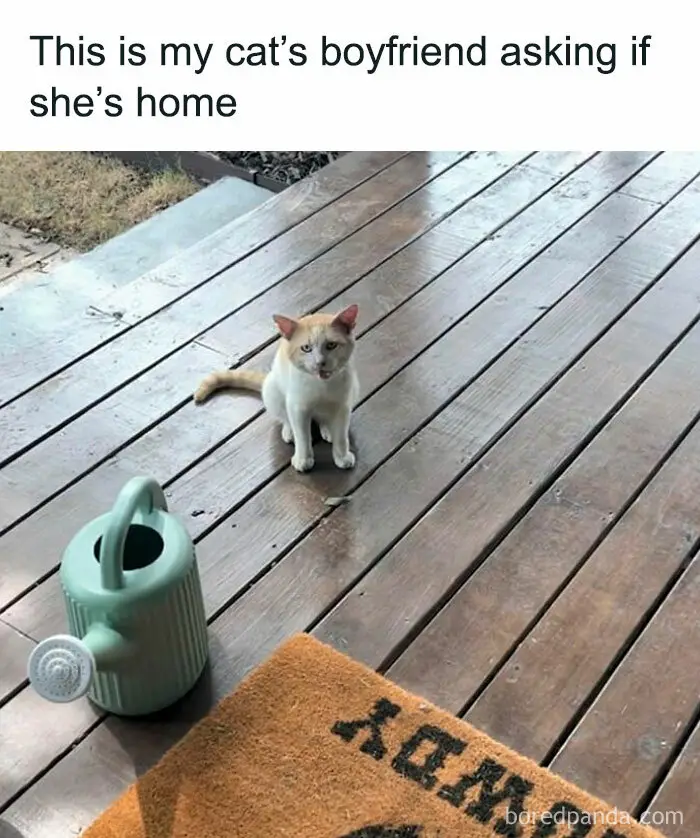
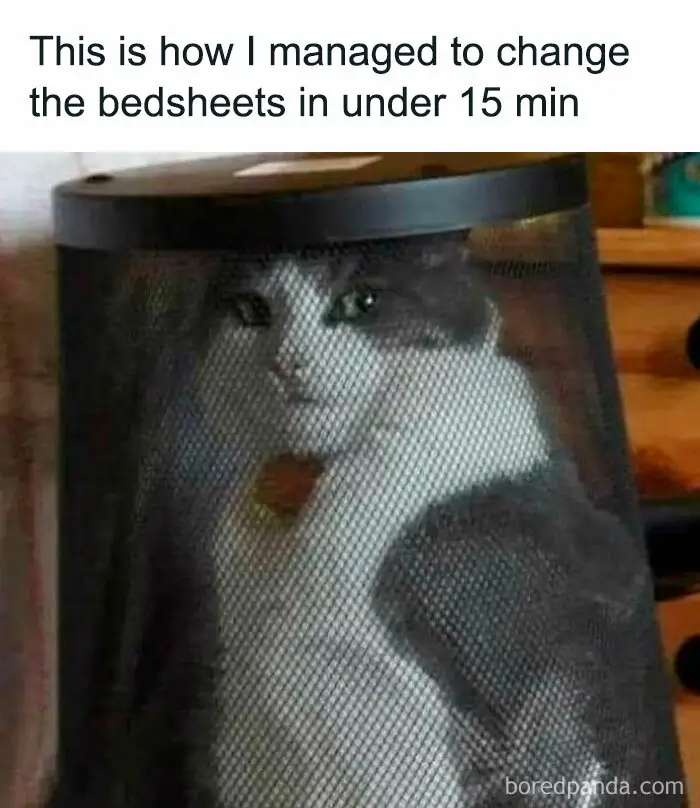
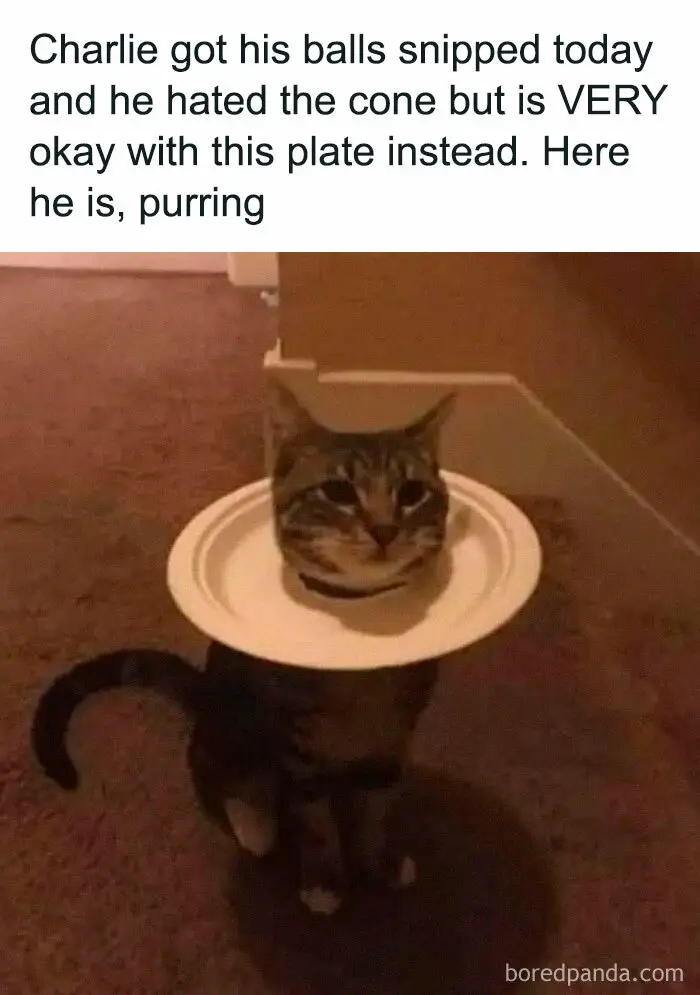

During this period, millions and millions of postcards circulated, and cats quickly took over the new medium.
At the time, they were considered more than just pest control. Monarchs and socialites, including Queen Victoria, were famous cat lovers, and the animal's association with Halloween was well-established.
Some postcards featured cats just being cats: sipping milk from saucers, playing with yarn, and basking in the sunlight. Others depicted them dressed as humans, working jobs, and taking part in various domestic scenes.


Assistant Professor Jessica Gall Myrick from Indiana University, America, asked 7,000 people how they felt before and after watching videos of cats.
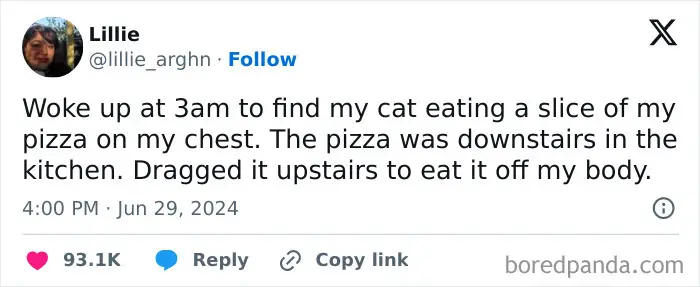
The results showed that people were happier after watching videos of cats, and that they felt less anxious or sad. Something tells me that memes and even postcards have a similar effect.