



No matter how you stay active, even if you’re not an avid fan of hiking, you can’t forget about walking, though. Walking regulates the sugar levels in your blood, improves your brain health, protects you from dementia, and helps fight anxiety and depression, among other benefits.
“When we walk, it affects nearly every system in our bodies. And about 98 per cent of the world has the capacity to walk, so there is so much untapped potential for benefiting your health,” says physiotherapist Dr. Milica McDowell.
Dr. McDowell and Dr. Courtney Conley co-authored the book ‘Walk: Your Life Depends On It,’ which stresses the importance of this daily activity.
While getting 10,000 steps a day is a good fitness goal, this ‘ideal’ step number is a myth. “You can pick and choose what to aim for depending on the benefits you’re after and what works for you,” Dr. McDowell told The Independent.
For example, if you are an incredibly sedentary person, getting up, moving a little bit, and taking more steps than you do on an average day is a wonderful start. Moving more than you usually do is better than doing nothing.
No matter who you are, you can add walking to more parts of your life. You can pepper your routine with micro-walks. You can choose to walk to (or at least partway to) work or school more often, or you can walk to the supermarket instead of taking the car. You can choose to take the stairs instead of the elevator, and you can spend your lunch break having a leisurely walk around the local park or the block instead of staying indoors, slowly digesting your massive lunch.
All of those small, incremental moments of activity quickly add up and improve your life.
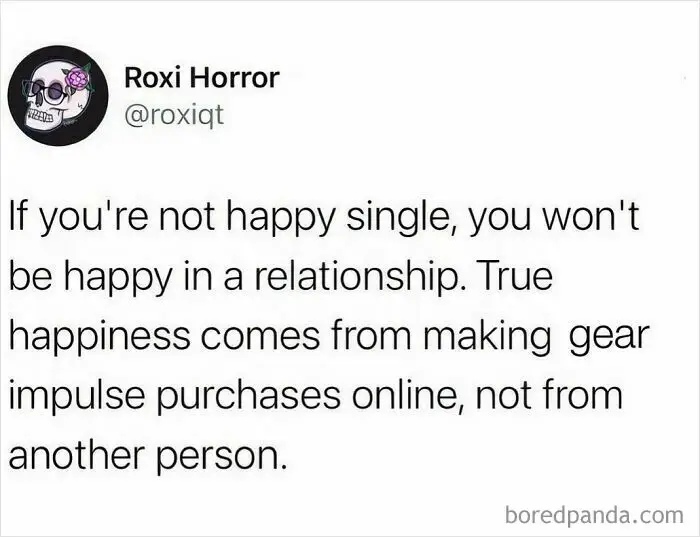
“A five-minute walk improves blood flow to our brain. It improves your clarity of thinking, boosts creativity, elevates mood, helps reduce symptoms of feeling anxious or depressed, and it boosts a neurologic growth factor in your brain. Physically, as soon as you go from sitting to standing, it changes your blood pressure and elevates your heart rate. It'll change your tissue temperature, contract your muscles and boost digestion too,” Dr. McDowell said.
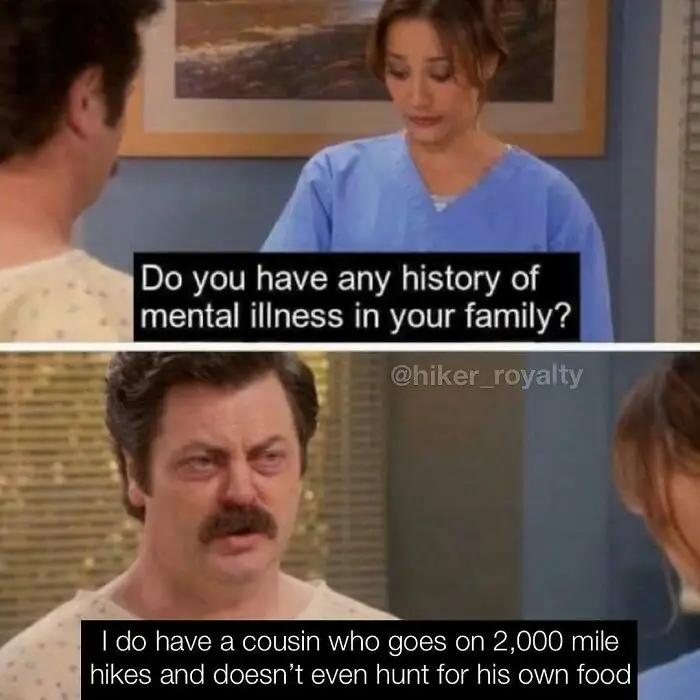
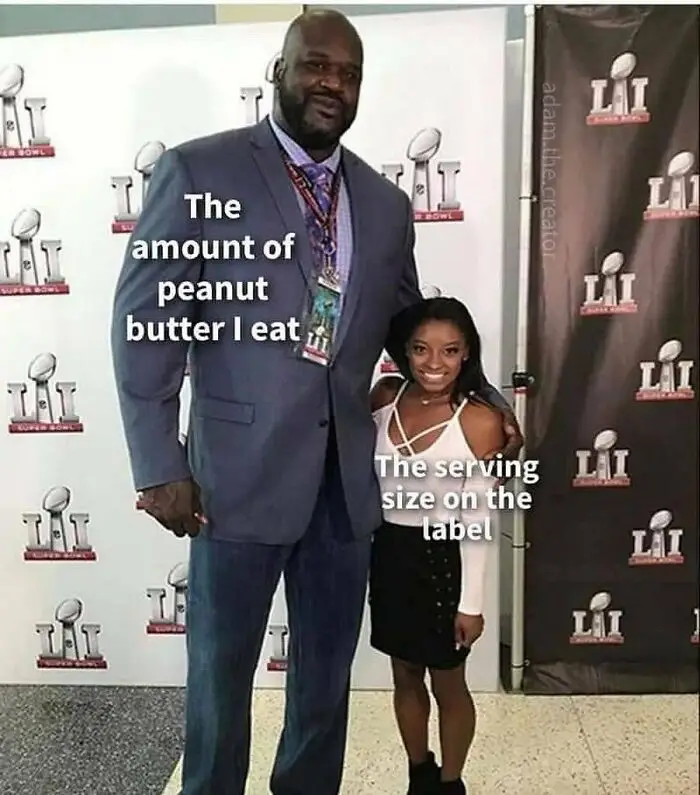
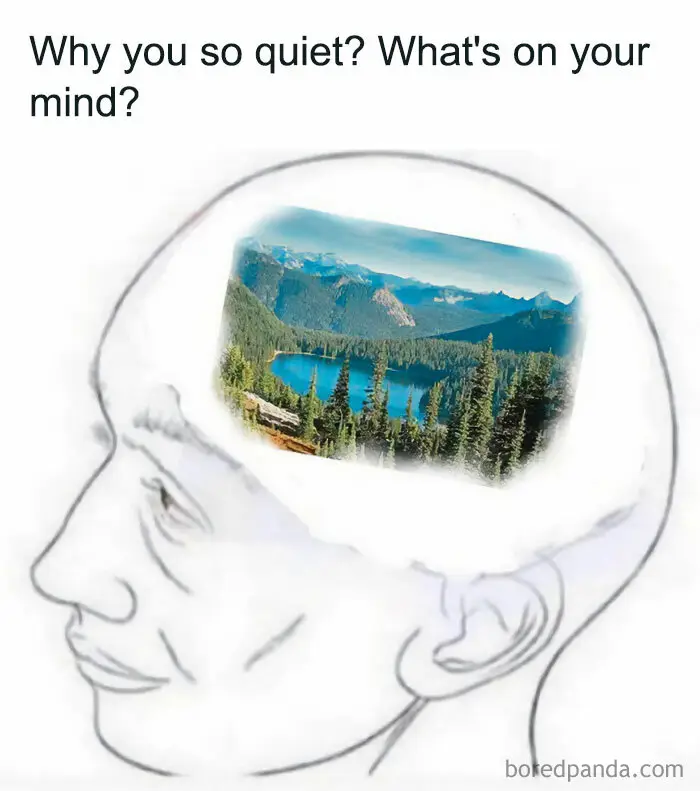
After you’ve looked through all of these awesome memes and upvoted your favorite ones, we’d love for you to join the discussion in the comments, alongside your fellow readers.
What is your relationship with hiking and camping like? How much time do you spend in nature every week or month? Which of these memes did you find the most relatable and why?
What music, if any, do you listen to when you’re on a long hike? What’s the weirdest, coolest, or scariest thing you’ve spotted outdoors?
How would you convince a super sedentary friend, family member, or coworker to take up hiking with you if they have yet to take their first steps toward a healthier, happier life?
Share your thoughts, experiences, tips, and questions below!