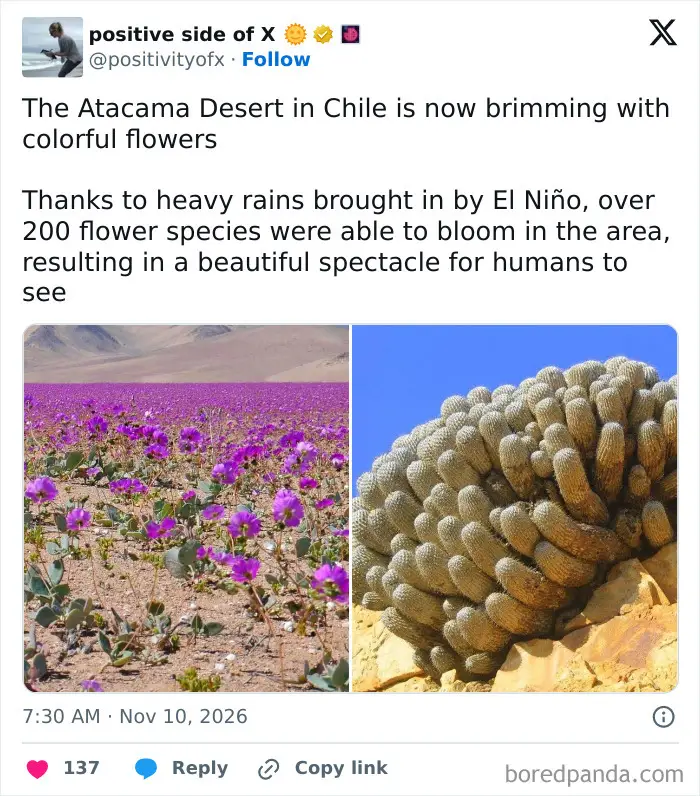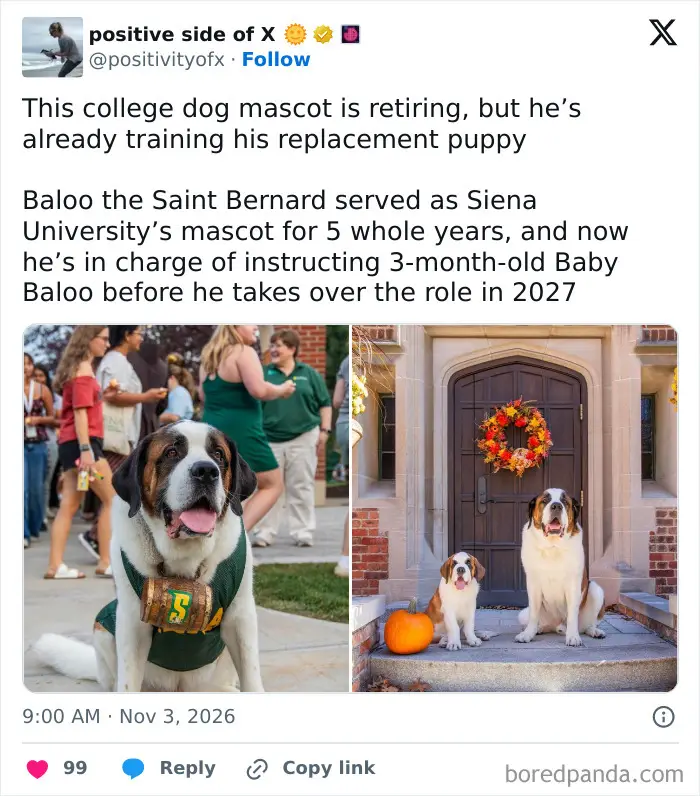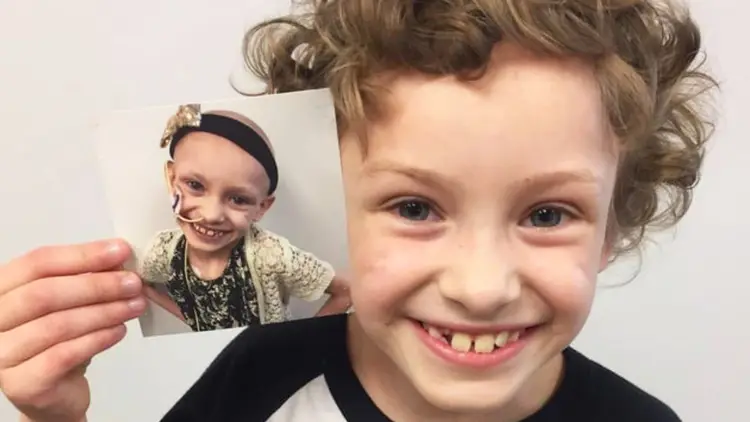


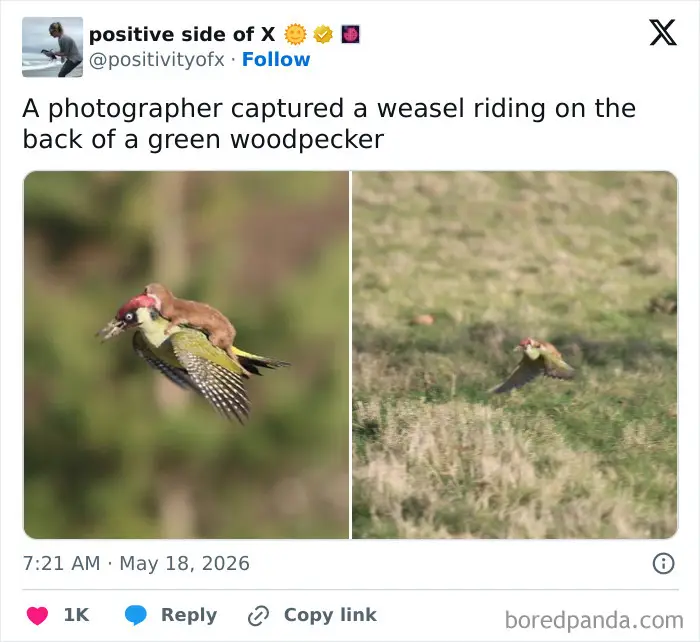
No wonder we need to seek out these kinds of posts. Nowadays, we can get the news at our fingertips, and more than ever, we're fully aware of the major geopolitical and social crises happening not only in our own countries but also around the world.
In a way, being informed is good. But it can also become overwhelming. According to the Reuters Institute for the Study of Journalism, around 40% of people globally report actively avoiding the news at times for a variety of reasons. Many cite exhaustion, depression, and even a sense of powerlessness caused by the constant coverage of conflict, economic struggles, and war.
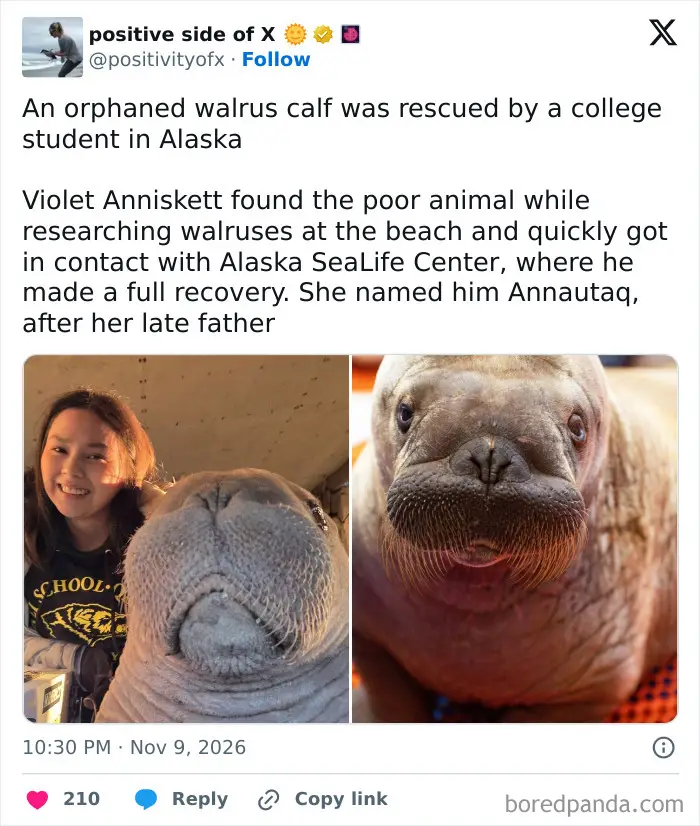
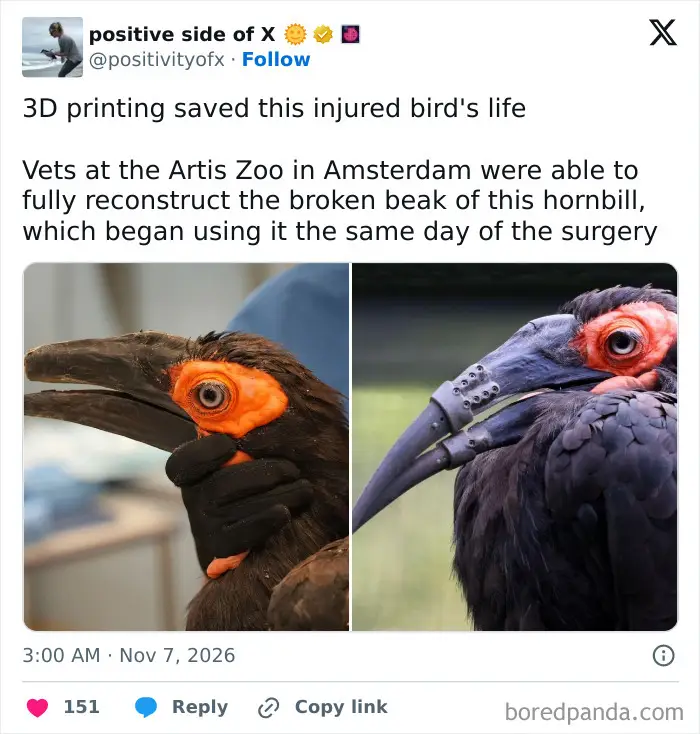
And unfortunately, we're almost wired to focus on the negative. While these posts are undeniably wholesome and meant to bring out positive feelings, psychologists point out that humans have what is known as a “negativity bias.”
This means our brains are naturally wired to scan for threats and danger. And now that we live in an era of algorithm-driven infinite feeds, we're constantly bombarded with all kinds of content whenever we're staring at a screen. This can lead to chronic stress, making the consumption of positive content feel like a necessary psychological antidote.
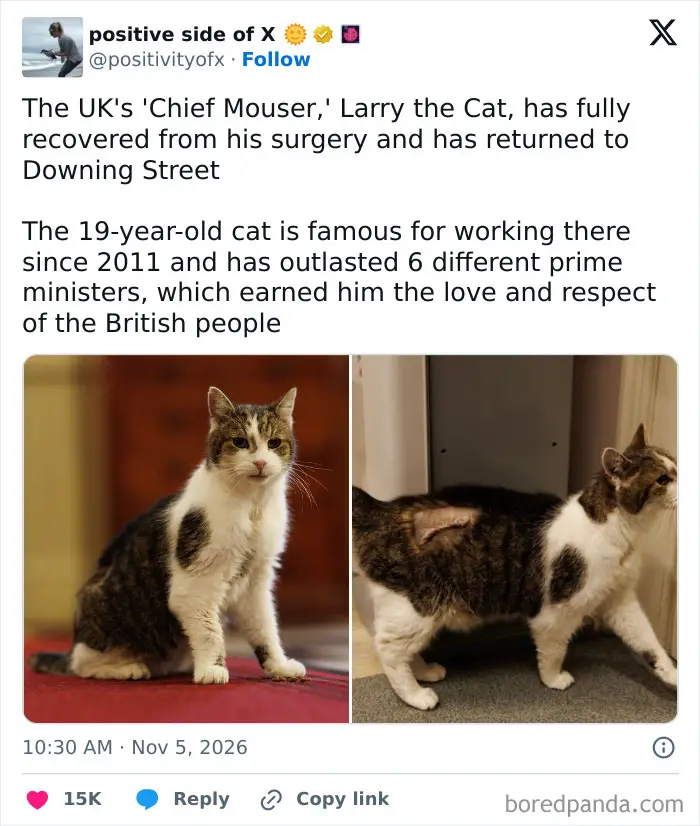
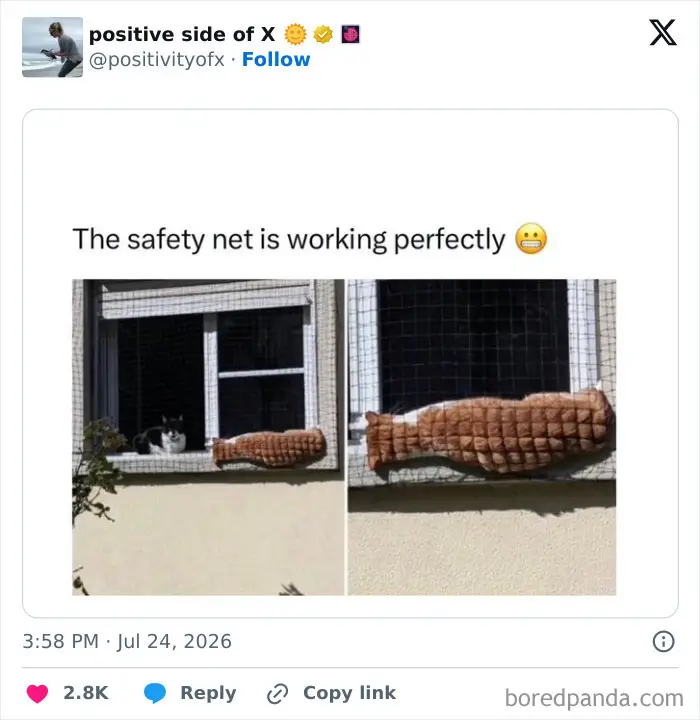
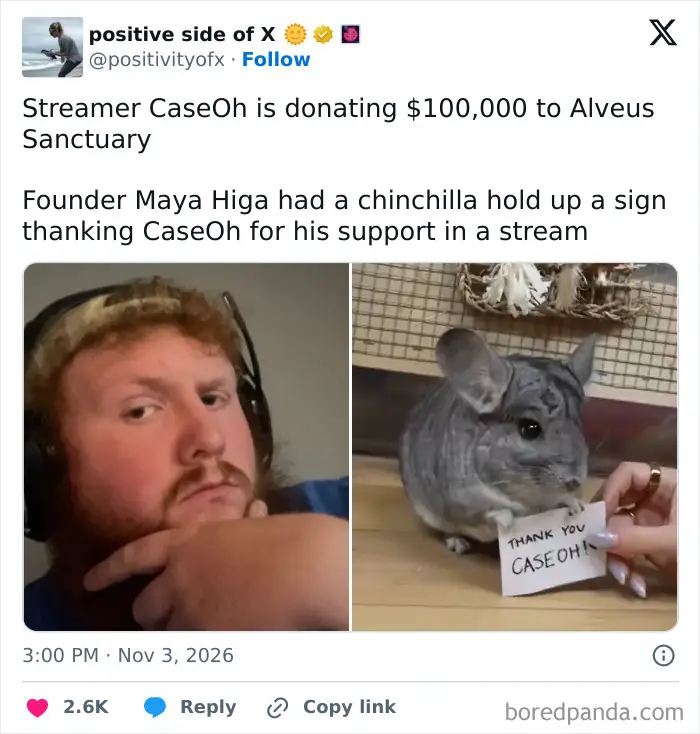
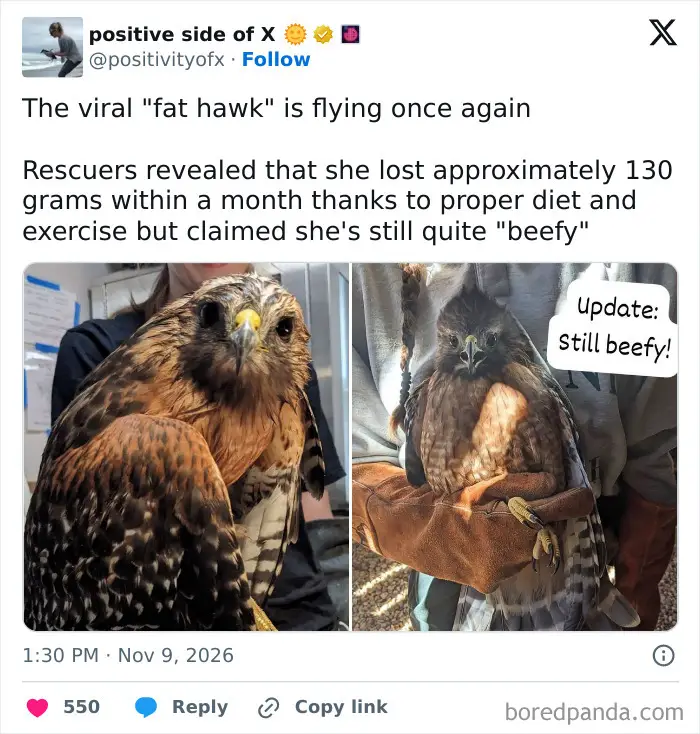
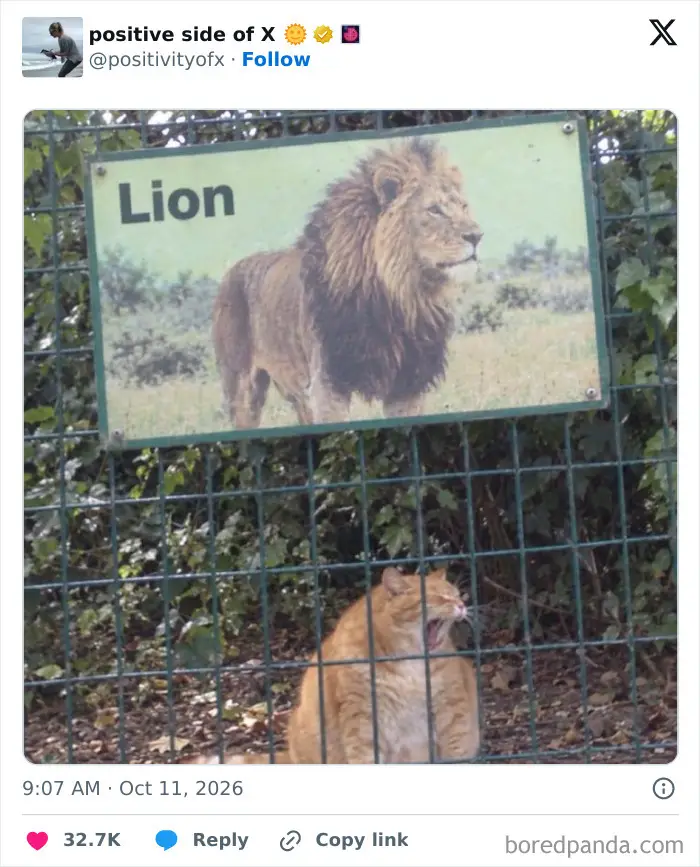
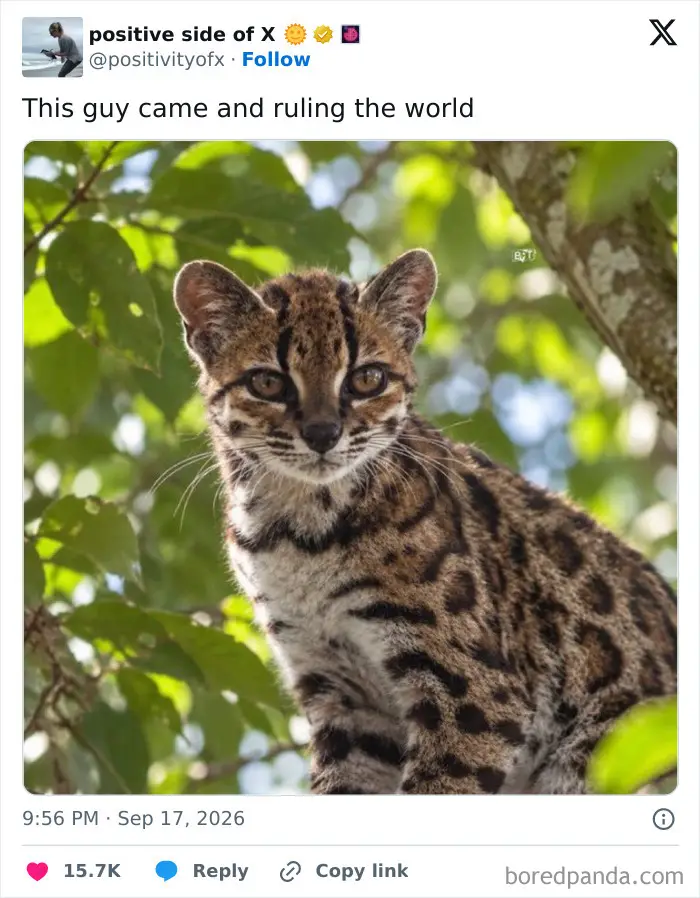
Animals are just one example of what makes us feel good. Not only are they fluffy, innocent, and adorably goofy, but there's also a deeper reason we feel calmer when we look at many of these images.
It all comes down to what Austrian ethologist and Nobel laureate Konrad Lorenz called “Kindchenschema,” or baby schema. He observed that physical traits such as disproportionately large heads, high foreheads, big eyes, and rounded bodies often trigger an innate and involuntary caregiving response in humans. And that's exactly why kitties and puppies tug at our heartstrings.
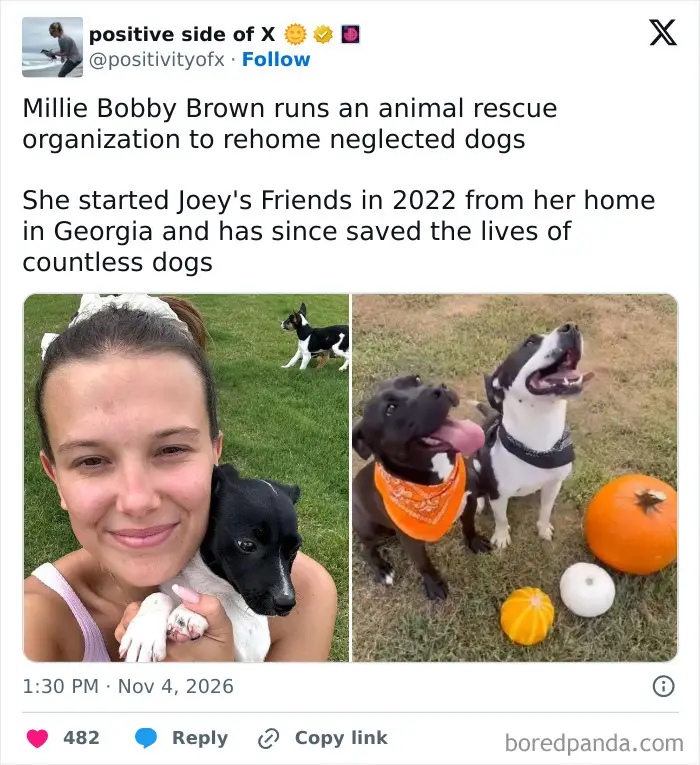
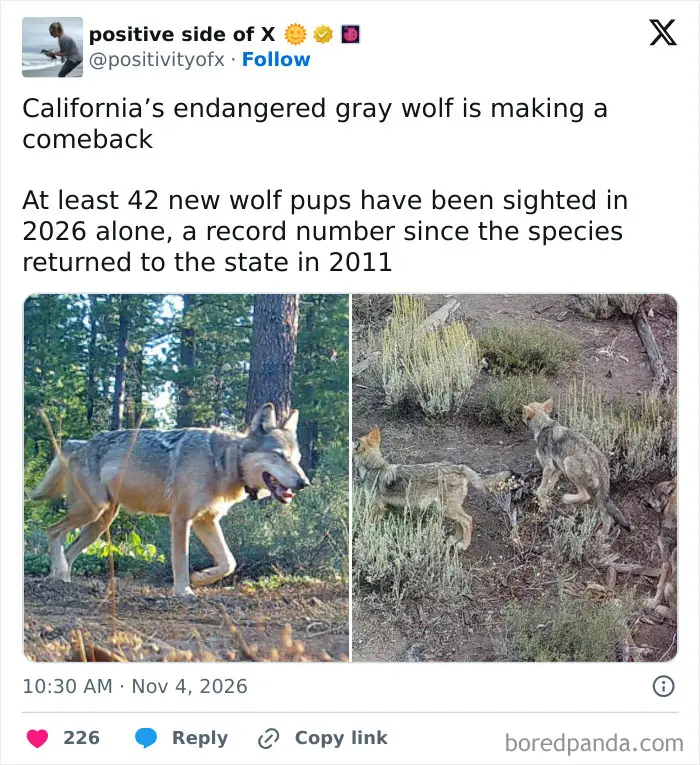



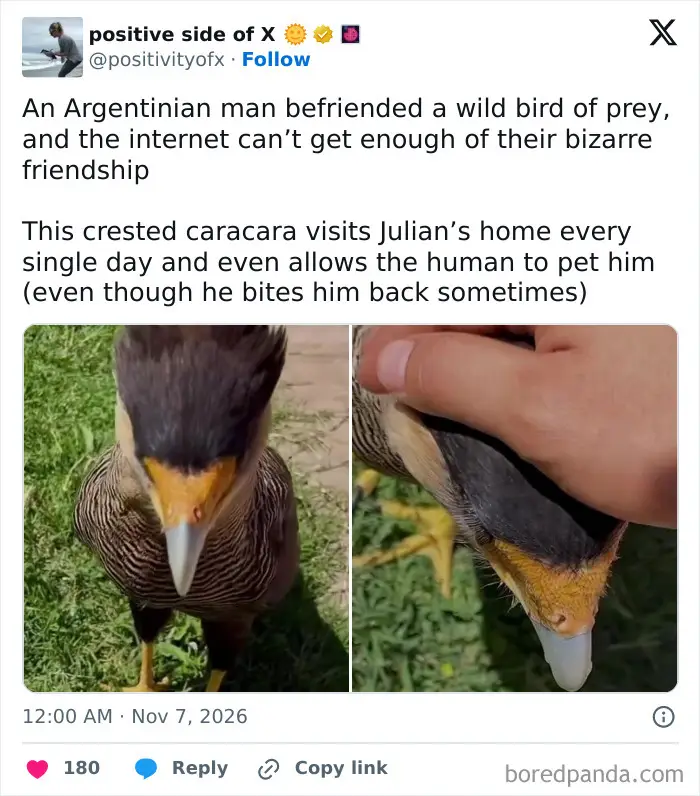
And that's hardly the only research conducted on the power of cute things. Dr. Jessica Fall-Myrick surveyed 7,000 internet users about their consumption of cute animal content online, and the findings suggest it can have real benefits for our brains.
Participants who viewed cute animal content reported higher energy levels and more positive emotions overall. It also helped reduce negative emotions such as anxiety, sadness, and guilt. Ultimately, the study describes viewing animal content online as an accessible form of digital emotion regulation — a modern-day happy pill.