


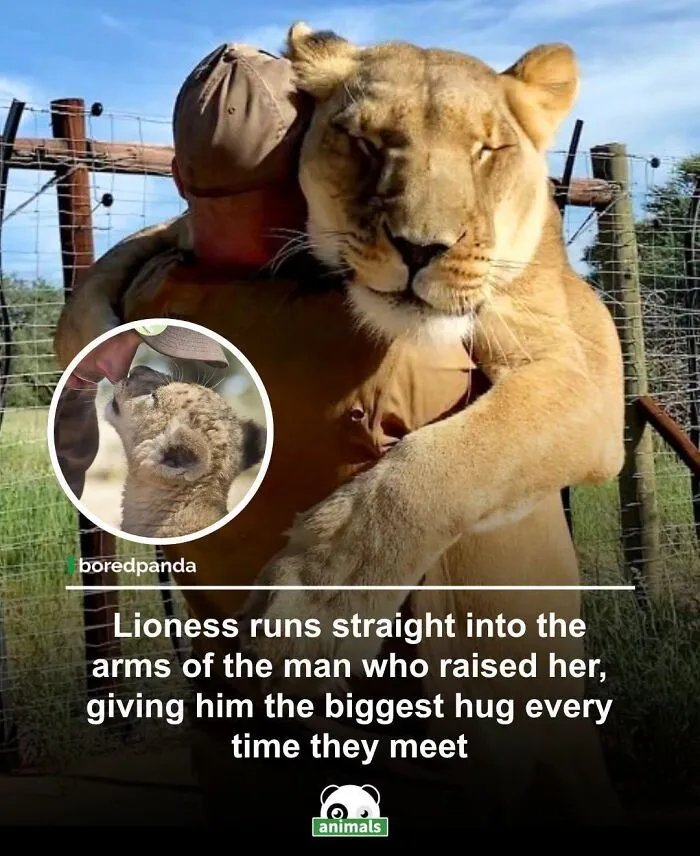
#1 Would You Have Said Yes To Hand-Raising A Lion Cub If Her Mother Stopped Feeding Her?

Animals can be endlessly entertaining because their behavior combines familiar qualities with unexpected surprises. Wildnet explains that people often recognize human-like intentions in the way animals act, whether it is a dog tilting its head, a cat sneaking food, or a parrot mimicking speech.
These behaviors encourage people to imagine what an animal might be thinking, making even an ordinary moment amusing. Unpredictability adds to the appeal, as animals do not follow the social rules humans expect. A pet interrupting a video call or chasing its own tail can turn an everyday situation into something worth sharing, especially when the timing makes the moment even funnier.


Beyond their ability to make people laugh, animals can also provide companionship and emotional comfort. Pets encourage play, give their owners something to care for, and create opportunities for social interaction with other animal lovers. Their popularity online also reflects how easily people connect with their behavior, from silly mishaps to affectionate interactions.
Even fictional animals can capture people's attention by acting like humans in exaggerated or imaginative situations. Whether an animal is doing something ridiculous or displaying an unexpectedly gentle side, these moments can appeal to people's curiosity and emotions at the same time.

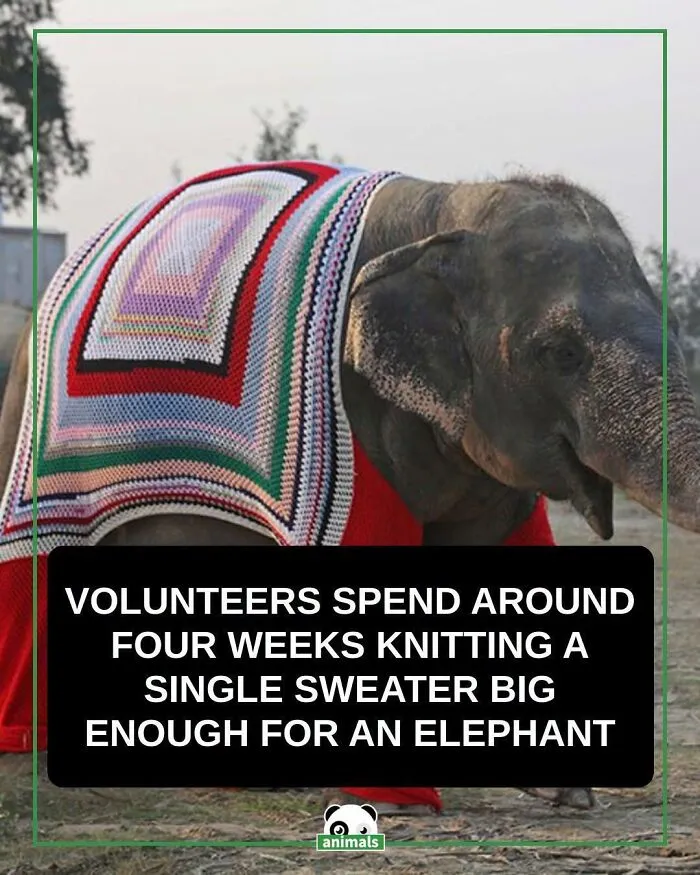
#9 Rescued Elephants In India Get Giant Colorful Sweaters To Help Them Survive The Winter
Part of this affection may be explained by the science of cuteness. According to the CBC, many animals possess physical features associated with human infants, including large eyes, rounded faces, small noses, and soft, rounded bodies. These characteristics are linked to a concept known as baby schema, which describes how infant-like features attract attention and encourage caregiving responses.
They also note that both children and adults tend to find faces with these features particularly cute, whether they belong to humans or animals. This helps explain why pictures of puppies, kittens, and other young creatures can be so captivating, even when the animals are doing very little.


The response to cute animals involves more than simply appreciating their appearance. Infant-like features can quickly attract attention and encourage people to feel affectionate or protective toward a vulnerable creature. However, the bond people develop with their pets also grows through regular interactions, including eye contact, touch, play, and daily care.
These experiences are associated with changes in oxytocin, a hormone involved in social bonding. As a result, the appeal of animals can come from both their appearance and the relationships people build with them over time. A simple photograph of a pet resting against its owner, for example, can capture a familiar form of companionship that many people find comforting.



Animals can also surprise people with abilities that are far more sophisticated than their appearance or behavior might suggest. Britannica explains that intelligence differs between species because animals have evolved abilities suited to the challenges of their environments.
Crows can solve problems involving cause and effect, octopuses can manipulate objects with their flexible arms, and dolphins demonstrate complex cognitive abilities. These examples challenge the assumption that intelligence can be measured using a single standard. A behavior that appears strange or amusing to a human observer may actually demonstrate an animal's ability to learn, adapt, or respond effectively to its surroundings.



Their senses are equally remarkable, allowing animals to experience aspects of the world that humans cannot directly perceive. Migratory birds and sea turtles can use Earth's magnetic field for orientation, while sharks and rays detect electrical signals produced by other animals to help locate prey.
Bats and dolphins rely on echolocation, interpreting returning sound waves to understand their surroundings, and many species depend heavily on chemical cues to identify food, mates, or potential predators. These abilities have evolved to meet different survival needs, demonstrating how diverse animal life can be.
An unusual encounter with an animal can therefore be an opportunity to discover not only what the creature is doing, but also the specialized abilities that make its behavior possible.