




#1

#2

#3

Dealing with shocking cases is not easy. For healthcare workers, seeing people go through so much harm, suffering, and sometimes just a stroke of bad luck can take a serious toll on their mental health. And the numbers back this up. According to a CDC Vital Signs report, 45.6% of U.S. healthcare workers said they feel burned out often or very often.
More than 46% also reported feeling emotionally drained by their work daily. This has contributed to a significant number of registered nurses and licensed practical nurses leaving the healthcare industry altogether, with some even retiring because of workplace stress and burnout
#4

#5

#6
#7

And the worst part is that burnout isn't the only thing affecting these workers. A study published on PubMed found that 12.8% of practicing physicians and ER clinicians are diagnosed with post-traumatic stress disorder (PTSD). Shockingly, this number is comparable to the rates reported among military veterans returning from deployment.
Some might easily dismiss this by thinking, "Hey, that's the life they chose," or "It's not that bad." But imagine spending day after day caring for people who might never get the chance to see their loved ones again, all while feeling helpless in the face of an incurable illness. The resulting emptiness and helplessness can be overwhelming, which can make these numbers a little easier to understand.
#8

this man was about a good 750 slow but mobile. he undressed but the back of the gown was wide open first thing i noticed as his tech....
a massive hole in his back black with rotting skin around the edge.
long story short brown recluse used his back as a nesting source the man was holding BABY SPIDER IN HIS BACK!
LIKE A LITERSL DUGGED OUT HOLE FULLNOF SPIDERS
HOW!?!?!?!?!?!?!??!
#9

nursing home.
old lady crying in the middle of the hallway. she had end stage Alzheimer's. she had soiled herself, and was standing in puddles of feces.
she was screaming for help, wanting her mommy, and no one came to help her. I was not cleared for cna work and was told this was normal and to leave her there. I was absolutely appalled.
(yes, I learned I could call state. and yes, I called state.)
#10
#11

Another factor that doesn’t help these statistics is sleep deprivation. Healthcare workers often have extremely long shifts, sometimes lasting up to 24 hours, depending on their area of expertise. This can affect cognitive function and create serious safety risks for both staff and patients.
A study conducted by Columbia University found that more than 45% of healthcare practitioners report chronically getting too little sleep, meaning they get fewer than 6–7 hours per night. So, after dealing with a particularly difficult case, combined with burnout and sleep deprivation, these alarmingly high numbers start to make more and more sense.
#12

#13

#14
#15

#16

#17

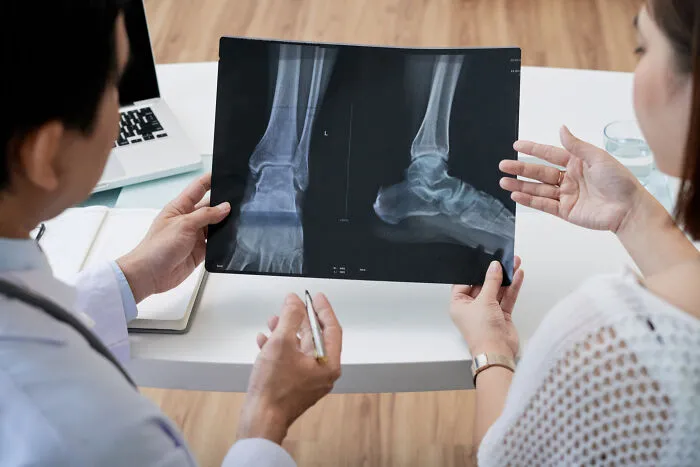
It’s not just healthcare workers who experience stress and anxiety, though. The American Heart Association (AHA) reports that around 15% to 30% of people being evaluated by a physician experience extremely high levels of stress and a spike in blood pressure simply because they are being examined by a doctor.
Unfortunately, this can sometimes affect diagnoses and prescriptions. Apparently, when a patient experiences elevated stress during an appointment, doctors may mistake it for an underlying health condition, potentially leading to unnecessary medication or even a cardiovascular diagnosis.
#18

#19

#20