






Kahn-Harris explained that denialism, the inability or unwillingness to face the truth, can have tangible real-world consequences. While some might be small, others are massive and lead to many lost lives.
“There is no doubt that denialism is dangerous. In some cases, we can point to concrete examples of denialism causing actual harm. In South Africa, President Thabo Mbeki, in office between 1999 and 2008, was influenced by Aids denialists such as Peter Duesberg, who deny the link between HIV and Aids (or even HIV's existence) and cast doubt on the effectiveness of anti-retroviral drugs. Mbeki's reluctance to implement national treatment programs using anti-retrovirals has been estimated to have cost the lives of 330,000 people.”

He explained that, more recently, we've seen the firsthand effects of vaccine denialism in the US: “On a smaller scale, in early 2017 the Somali-American community in Minnesota was struck by a childhood measles outbreak, as a direct result of proponents of the discredited theory that the MMR vaccine causes autism, persuading parents not to vaccinate their children.”


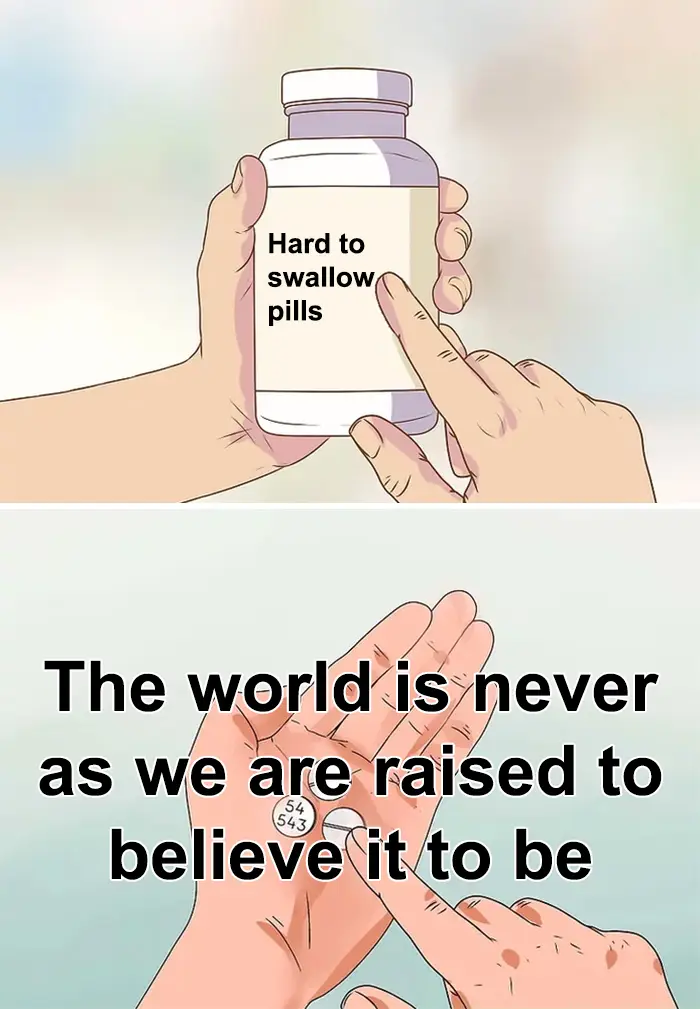
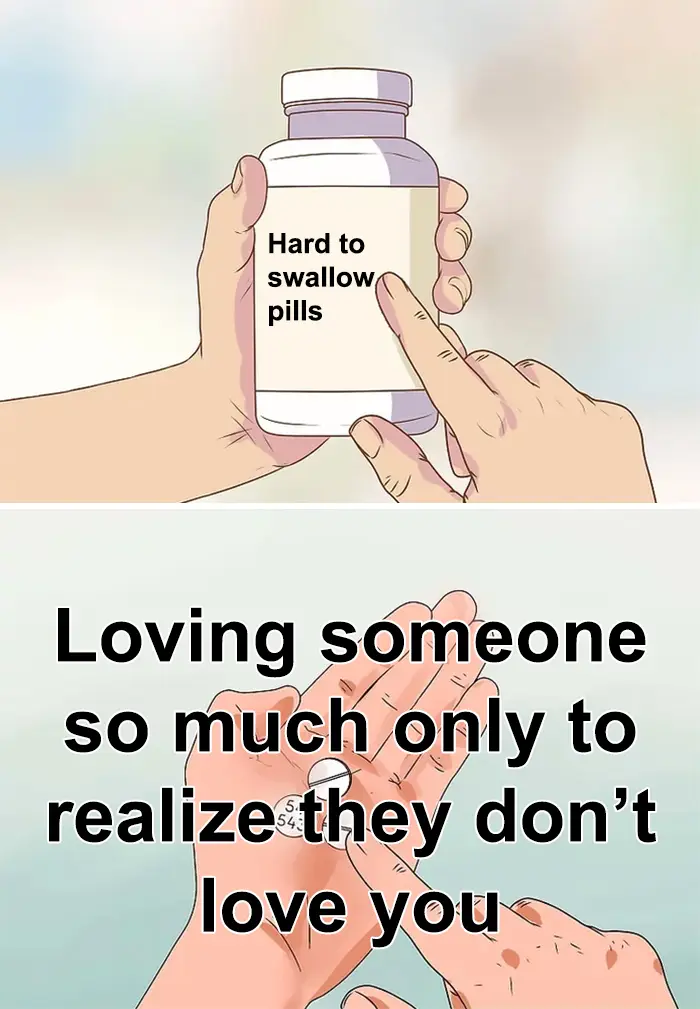
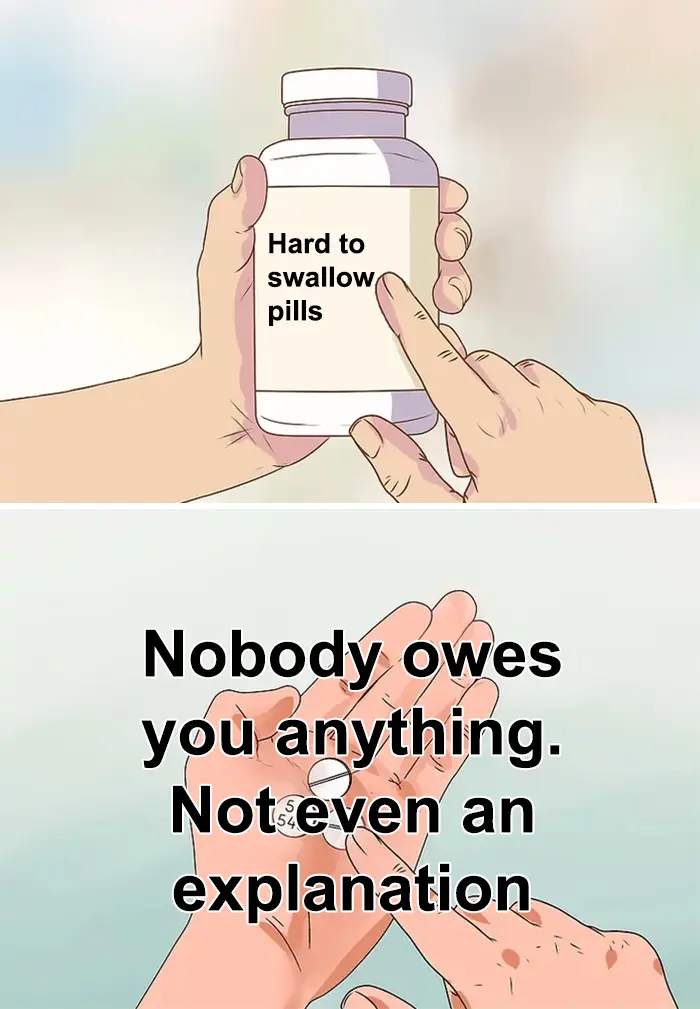
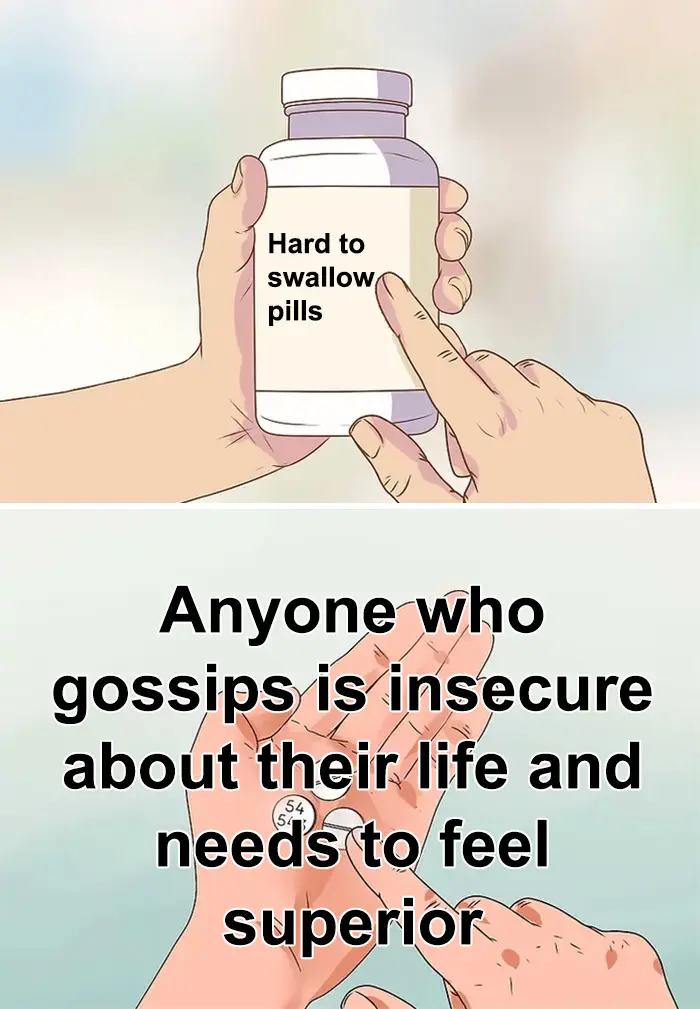
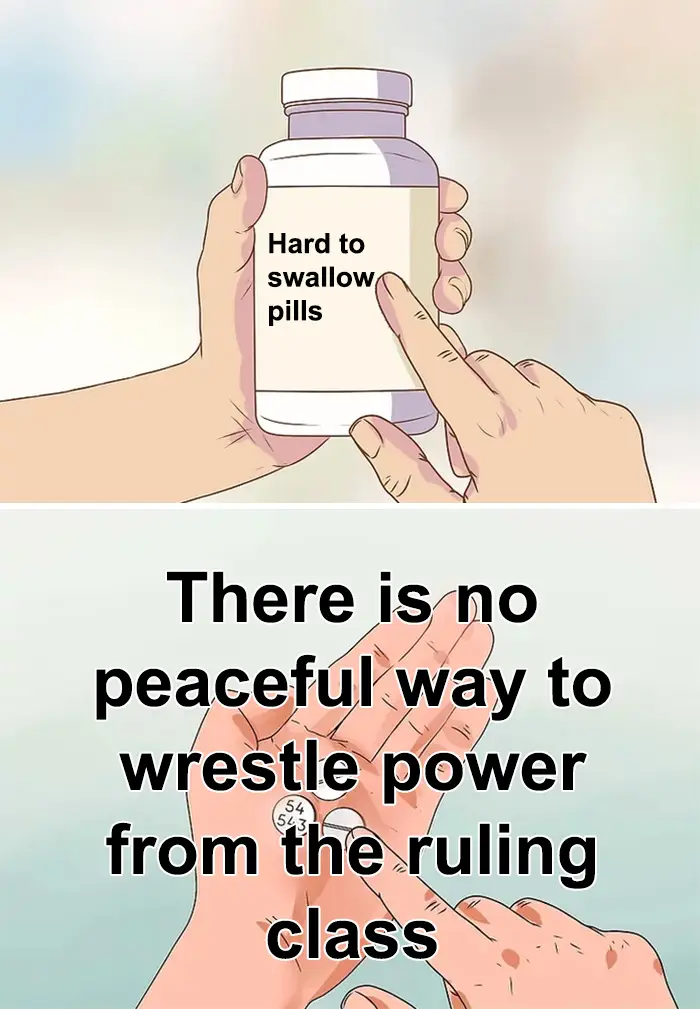
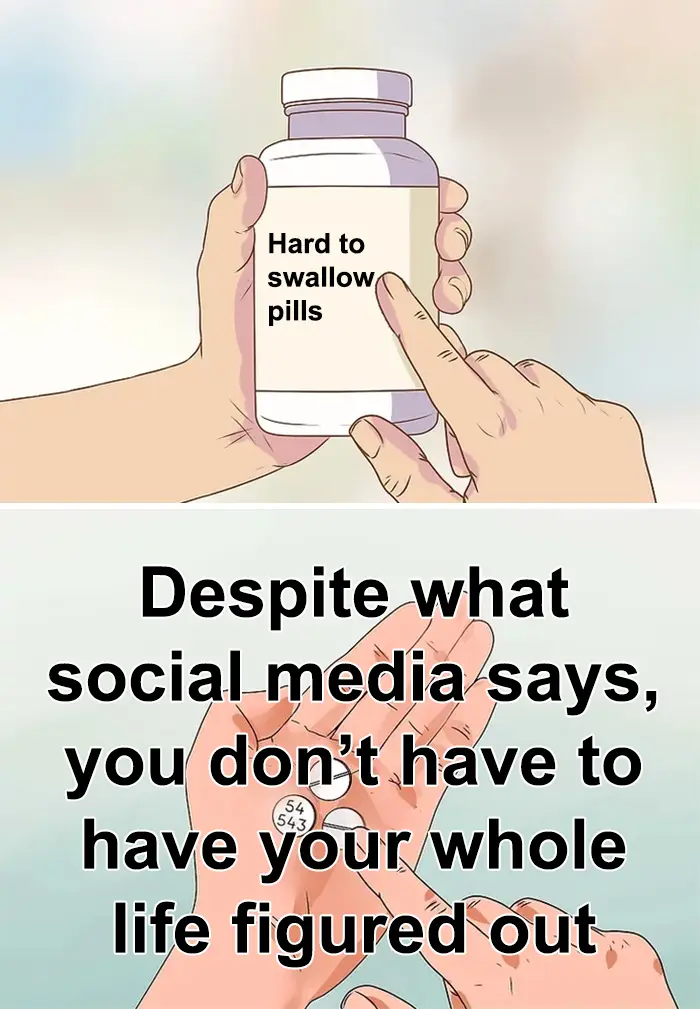
So, dear Readers, what did you think? Do you agree that every one of these count as ‘truth pills' or are there some that you'd disagree with? Why? What's the harshest Truth (with a capital ‘T') about life that you think everybody should know? Any tips on helping all of us to set our egos aside? We'd love to hear your thoughts and experiences, so write us a comment or two and post it below.
Acknowledging uncomfortable facts about our existence and understanding the deeper layers of life is crucial for personal growth. This aligns well with another great discussion on how recognizing the simple, often harsh, truths enhances our perception.
Consider exploring an insightful reflection on the importance of accepting hard truths to gain a more accurate understanding of our world.