



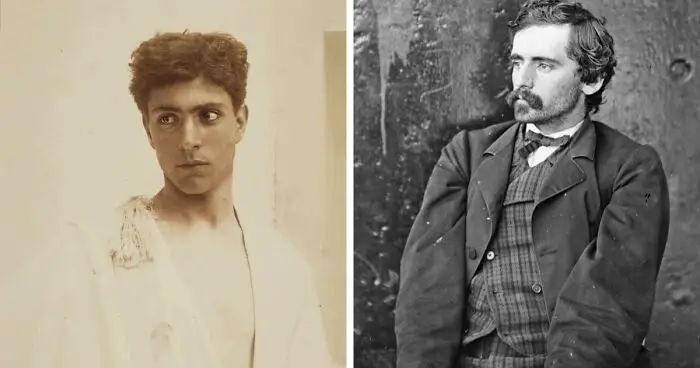


Looks are an art and many women are incredible artists, considering how they make an effort to present themselves. Some men, on the other hand, barely put in any effort, which can be disappointing for us ladies (and gentlemen), right?
What if I told you that was not always the case? Just look at these mesmerizing pictures of Victorian men who look super dapper, and literally ooze charm. Even the ones that aren’t dressed smartly, their hot looks make up for it, as they essentially embody Adonis. Piqued your “sizzling” interest, have we? Just scroll down to treat your eyes!
More info: Instagram
#21
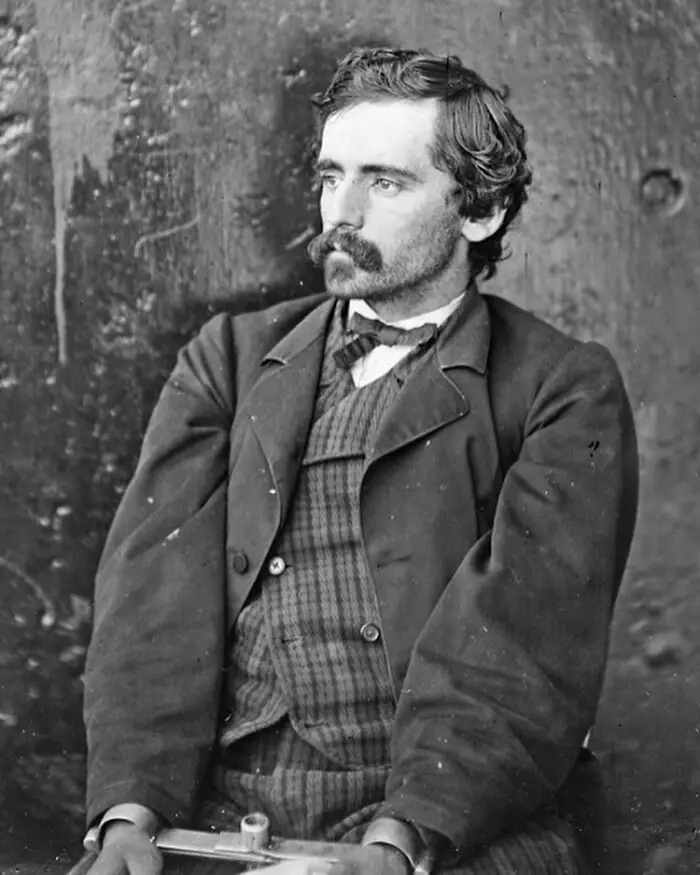
A late #hotfelonfriday This dastardly devil is none other than Michael O’Laughlen Jr.(1840-1867). O'Laughlen, Jr. was a conspirator in John Wilkes Booth's plot to kidnap U.S. President Abraham Lincoln, and later in the latter's assassination, though he did not take part in it. His last name was often misspelled by the press and others as O'Laughlin. O'Laughlen was tried along with Mary Surratt, Lewis Powell, George Atzerodt, David Herold, Samuel Arnold, Edmund Spangler and Samuel Mudd. The government attempted to prove he had stalked Ulysses S. Grant on the nights of April 13 and April 14 with the intent to kill and murder. This was not proven, but there was no doubt O'Laughlen was a willing conspirator through late March. He was found guilty and sentenced to life in prison. O'Laughlen was sent to Fort Jefferson in the Dry Tortugas with Spangler, Arnold, and Mudd. He died there of yellow fever. He clearly was a nasty piece of work, but boy, did he look good.
Report
6points
#22
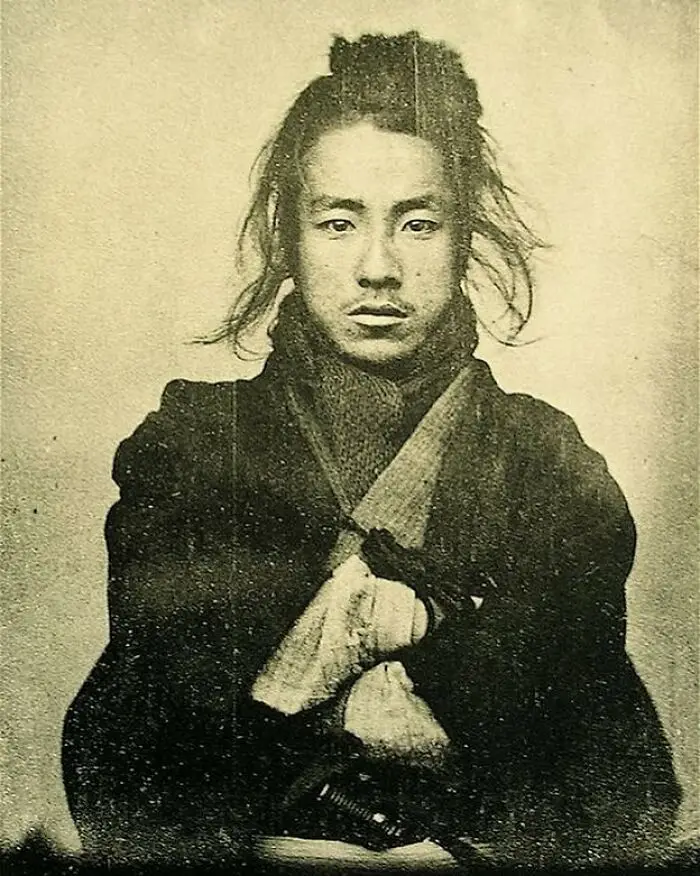
Presenting Oda Nobuyoshi (1860–1926).
A stunning Japanese dentist and physician, with hipster model good looks. Taken during the Meiji era, circa 1880. Say “Ahhh” for Nobuyoshi, a man born in Sukumo, Japan, who repivoted his medical career to dentistry in the mid-1880s. This move paid off with Nobuyoshi going on to open his very own dental practice in 1886, relocating to Hakusai Hospital (Obiyamachi, Kochi City). By 1925, the building of Nobuyoshi's Oda Dental Clinic in Masugata, Kochi City, was completed and is still operational today! He’s such an extremely handsome. Such an intense stare. And that dishevelled hair is rather arousing. In the land of the rising sun, our hearts shine brightly thinking of this beautiful fellow.
Report
5points
#23
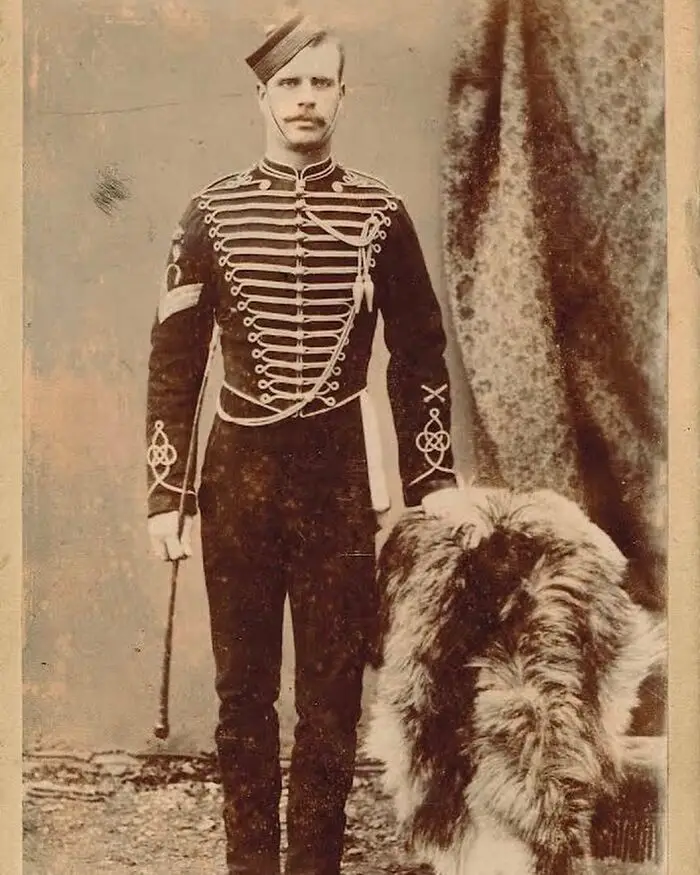
The photo is of John William Cavill, born in Yorkshire, England, in 1864, sergeant major in the British Army, and great-grandfather of Henry Cavill. You can certainly see where Henry got his looks from! I love a man in uniform.
Report
5points
#24
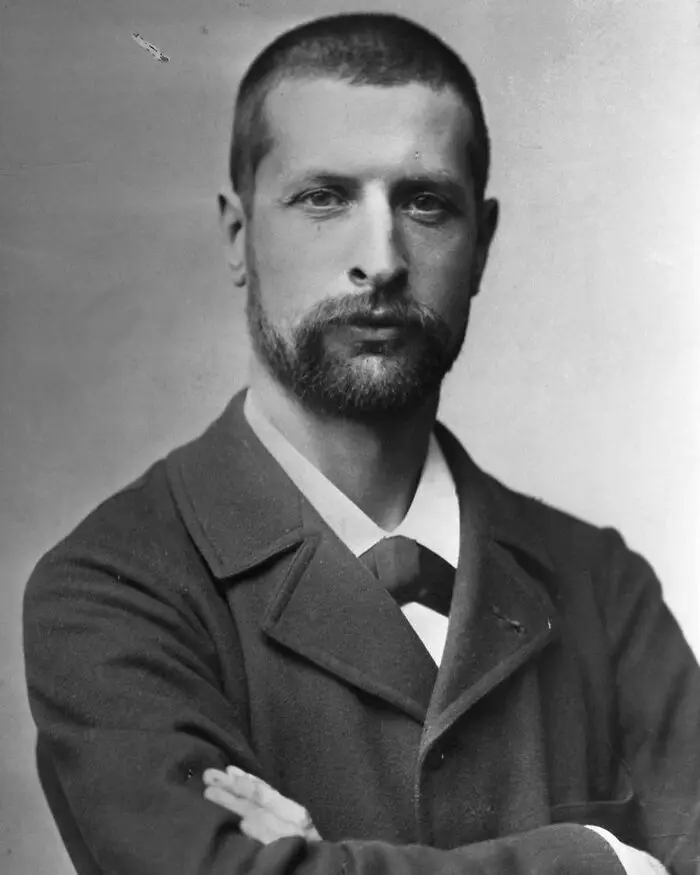
I sometimes come across a man so hot that I let out a cry. And this gent, dear reader, is one of them. His contemporary haircut works strangely well with his elegant jackets. Anyways, without further ado, may I present to you Mr. Alexandre Emile Jean Yersin ( born on 22nd of September 1863, in Aubonne, Switzerland – passing way on 1st of March 1943, in Nha Trang, Vietnam). Yersin was a Swiss-French physician and bacteriologist. He famously co-discoverer of the bacillus responsible for the bubonic plague, which was later named in his honour: ‘Yersinia pestis’. Fellow bacteriologist, the Japanese physician Kitasato Shibasaburō, is often credited with identifying the bacterium a few days earlier. Yersin also demonstrated for the first time that the same bacillus was present in the rodent as well as in the human disease, thus underlining the possible means of transmission.
Report
5points
#25
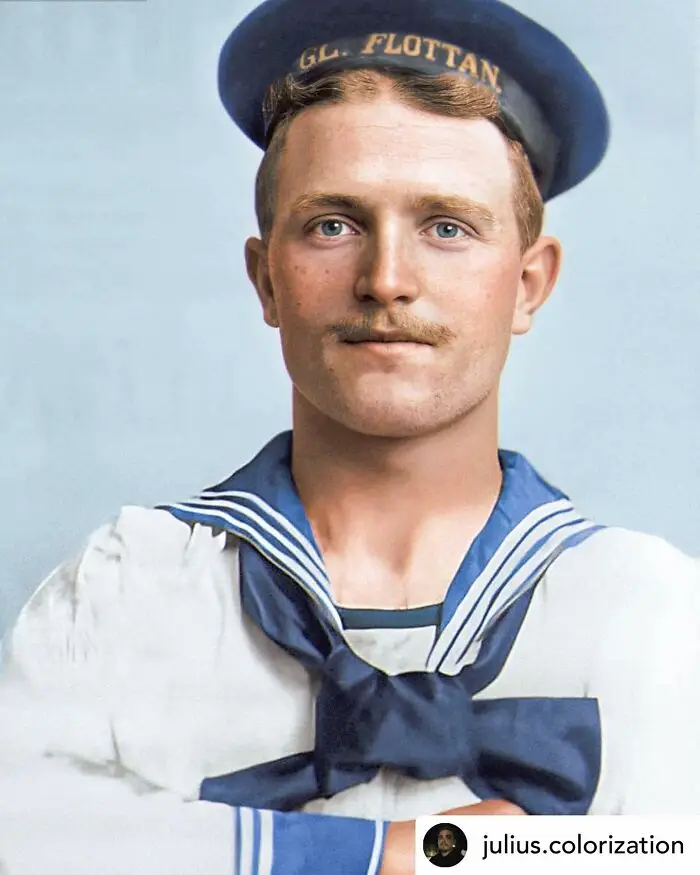
#sailorsaturday has returned with a fascinating story courtesy of @julius.colorization. Carl Emil Pettersson (4 or 23 October, 1875 – 12 May 1937) was a Swedish sailor who became king of Tabar Island in Papua New Guinea after he was shipwrecked in 1904. On a recruiting trip in the Pacific, Pettersson's vessel, the Herzog Johan Albrecht (Duke Johan Albrecht) sank on Christmas Day 1904, off Tabar Island in New Ireland Province. He was washed ashore near a village and landed in a hibiscus hedge, where he was immediately surrounded by islanders.The islanders carried him to their king, and the king's daughter fell in love with him. In 1907 he married Princess Singdo, the daughter of the local king, Lamy. He got a start in the copra trade and managed to create his own coconut plantation that he called Teripax. He became king after the death of his father in law. His nickname among the locals was "Strong Charley", and he was famed for his physical strength. Swedish newspapers printed a series of stories about Pettersson and his adventures. Carl Pettersson is regarded as the inspiration for Ephraim Longstocking, Pippi's father in Astrid Lindgren's children's series, Pippi
Report
5points
#26
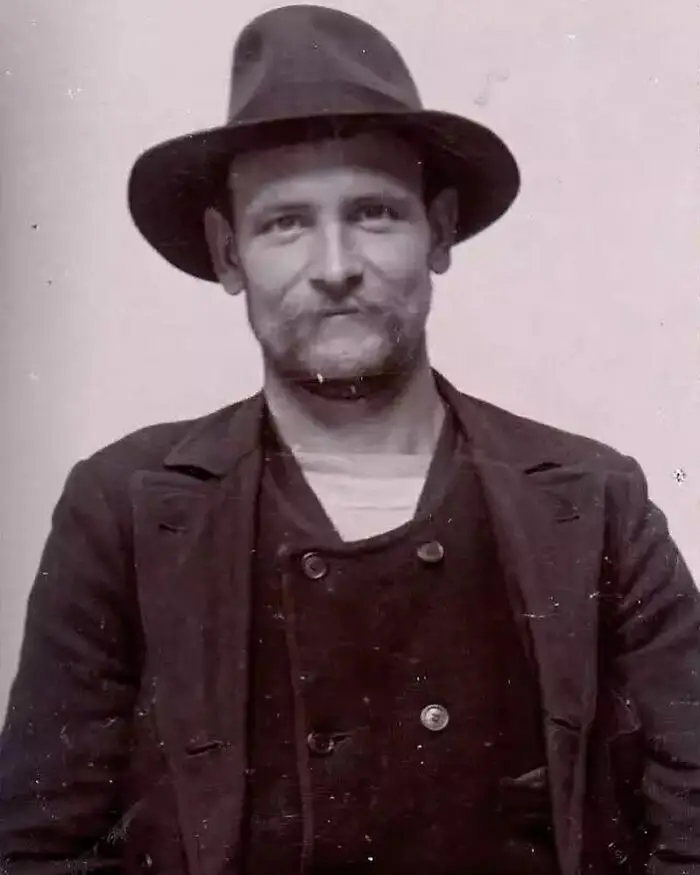
It’s #hotfelonfriday ! This week we have a rather light-fingered chap from Sweden. He was arrested for theft, in 1905. Sadly no other information is available. But that smirk says all we need to know-“Yes, I did it, and I’ll probably do it again.” Not a jot of remorse. I guess with cheekbones like his we can left him off.
Report
5points
#28
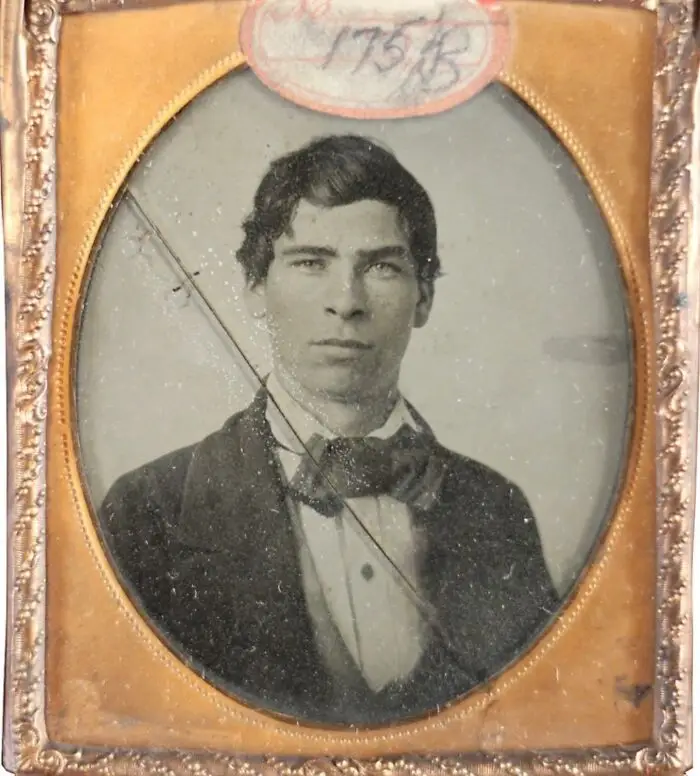
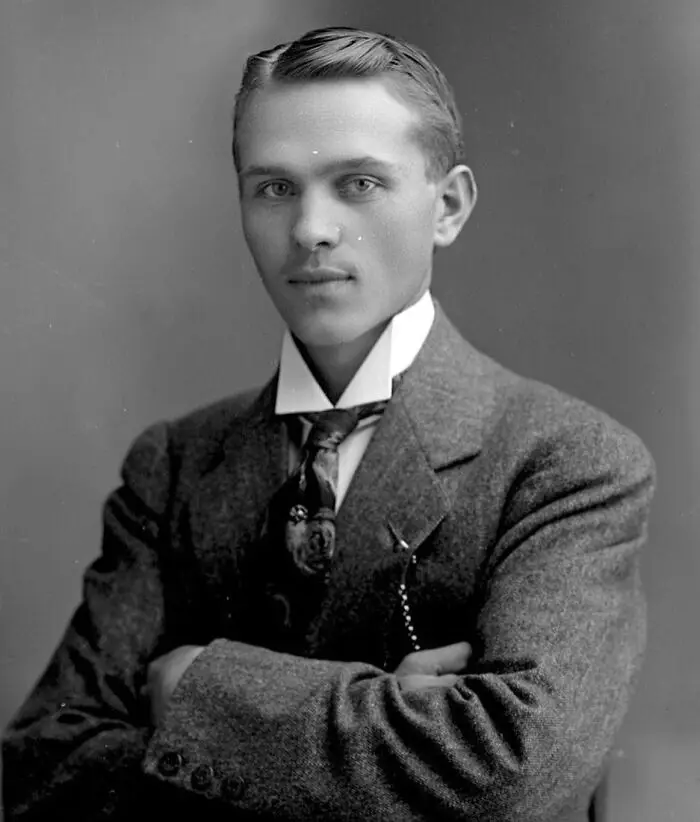
Happy #hotfelonfriday ! This week we’re going down by the river. This image is from a collection of photographs made by the St. Louis Police Department between 1857 and 1867. The archive, held at the Missouri History Museum, comprises the oldest extant examples of mugshots in the U.S. Here we have suspected steamboat thief John Regan. “You mean he stole steamboats?” Hehe, no. Regan would break into passengers’ rooms to steal wallets and other valuables (Missouri History Museum Press).
Report
5points
#29
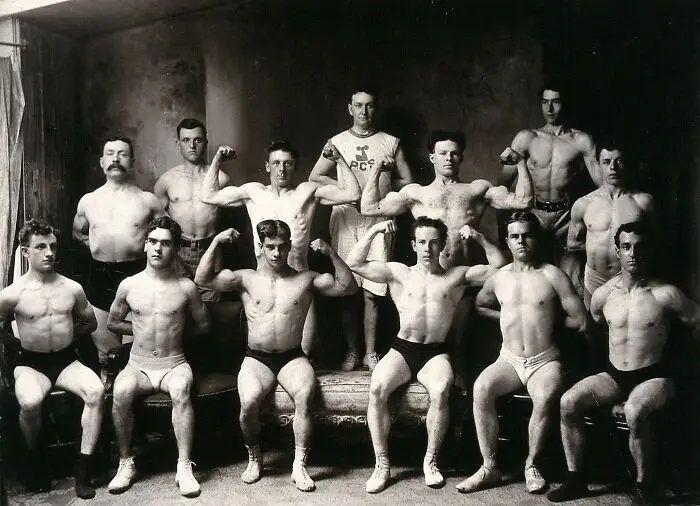
It’s an all-you-can-eat buffet of man meat in this delectable selection of early 20th century bodybuilders or wrestlers of the Physical Culture Society of Montreal, Canada, posing with their trainer in a photographic studio 1905 By: Gordon. Credit: @wellcomelibrary, London.
Report
4points
#31
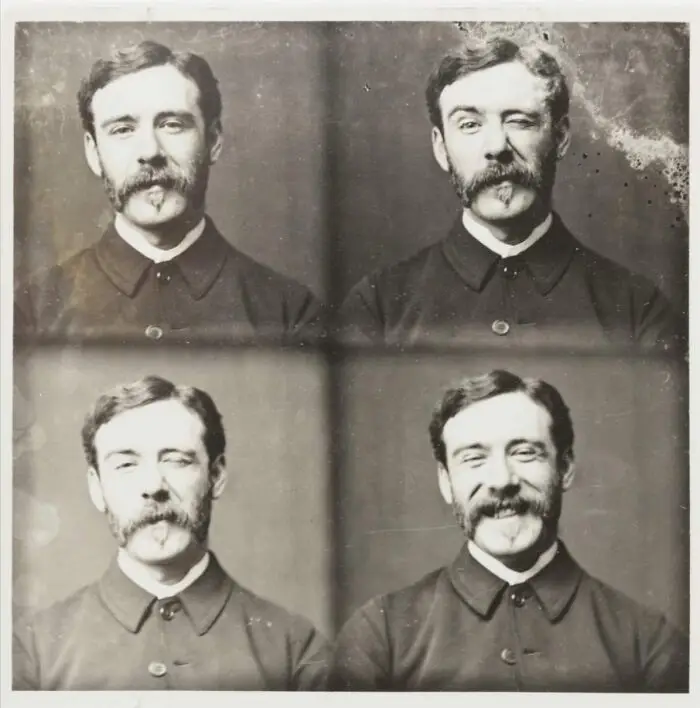
Presenting Mr. William Friese-Greene (born William Edward Green, born on 7th of September, 1855, Bristol, UK – died on the 5th of May, 1921, in London, UK). Nominated by @littlegrenouille Friese-Greene was a prolific English inventor and professional photographer. He was known as a pioneer in the field of motion pictures, having devised a series of cameras in 1888–1891 and shot moving pictures with them in London. He went on to patent an early two-colour filming process in 1905. Wealth came with inventions in printing, including photo-typesetting and a method of printing without ink, and from a chain of photographic studios. On 5th May 1921, Friese-Greene – then a largely forgotten figure – attended a stormy meeting of the cinema trade at the Connaught Rooms in London. The meeting had been called to discuss the current poor state of British film distribution and was chaired by Lord Beaverbrook. Disturbed by the tone of the proceedings, Friese-Greene got to his feet to speak. The chairman asked him to come forward onto the platform to be heard better, which he did, appealing for the two sides to come together. Shortly after returning to his seat, he collapsed. People went to his aid and took him outside, but he died almost immediately of heart failure. Given his dramatic death in poverty (his pockets contained only one shilling and ten pence when he died), surrounded by film industry representatives who had almost entirely forgotten about his role in motion pictures, there was a spasm of collective shock and guilt. A very grand funeral was staged for him, with the streets of London lined by the curious. A two-minute silence was observed in some cinemas, and a fund was raised to commission a memorial for his grave. He was buried in the eastern section of London's famous Highgate Cemetery.
Report
4points
#32
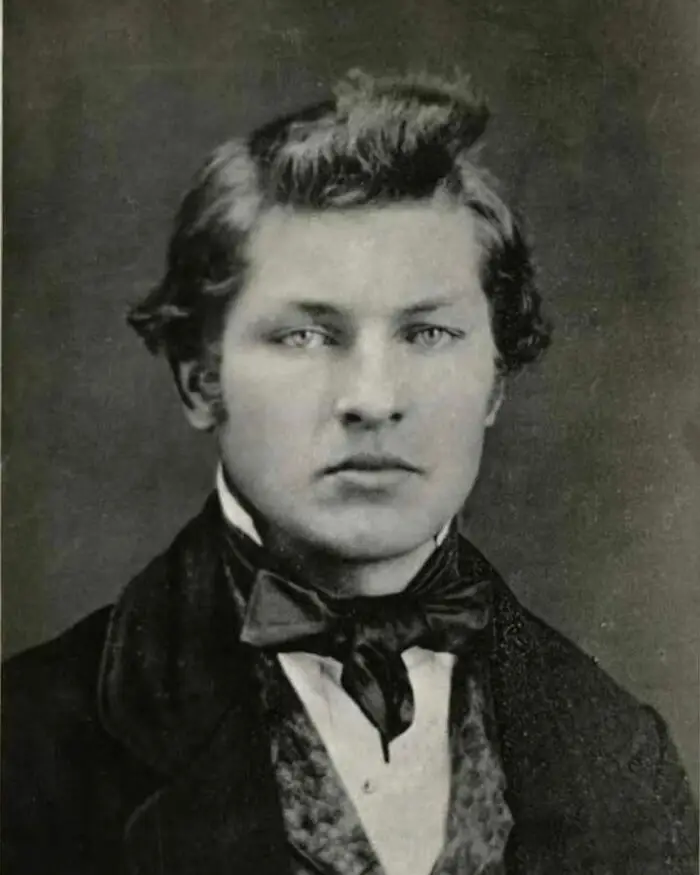
Presenting President James Abram Garfield, born in 1831 in Ohio and was assassinated in 1881. Nominated by @grandmasterash. He has something of a s*xy scowl akin to a young Elvis Presley. A slight lip curl too.
Report
4points
#33
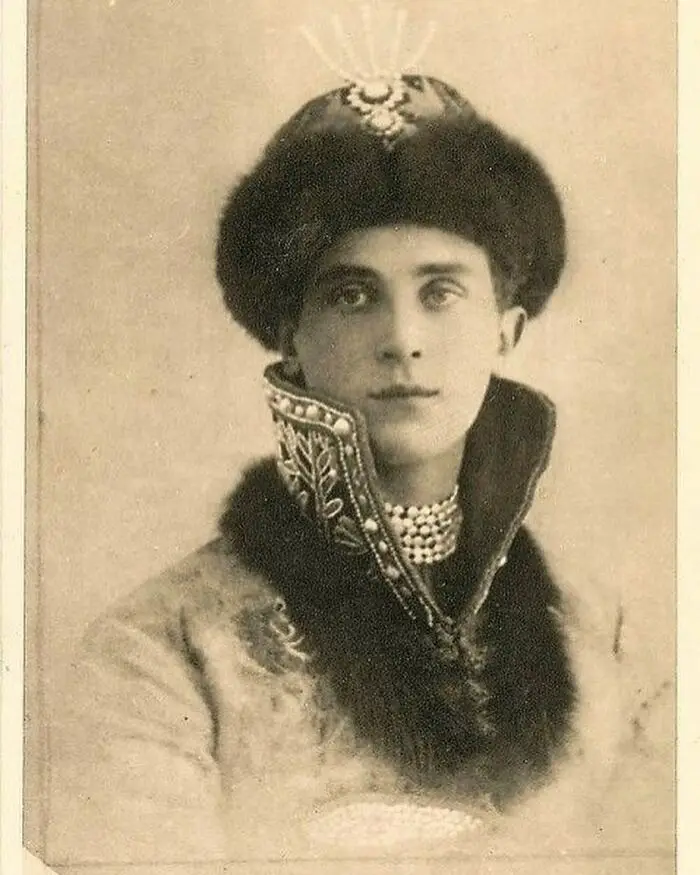
It’s Saturday! And for many this means dressing up and going out. Maybe you’re out for dinner and drinks with a date or friends. Or maybe you have a party to go to. One of history’s most famous costume party attendees is Prince Felix Felixovich Yusupov (born at Moika Palace, Saint Petersburg, Russia, on 23rd of March, 1887). Nominated by @jupiterbaal Felix led a flamboyant life. As a young man, he wore what were then considered women’s clothes, wearing ball gowns and his mother's jewelry to public events. Felix began attending balls and masquerades in Paris and London. After the costume ball at the Royal Albert Hall in 1912, where the prince made a splash with a spectacular 16th-century brocade kaftan, he attracted the attention of all London newspapers. In 1914, Felix married Princess Irina Alexandrovna, a niece of Tsar Nicolas II. And on the 30th of December, 1916, the Prince participated in the assassination of Rasputin on 30th of December, 1916.The prince later died on 27th of September, 1967, in exile in Paris, France. Image: Prince Felix Yusupov in a boyar costume at the Royal Albert Hall, London, 1912.
Report
4points
#34
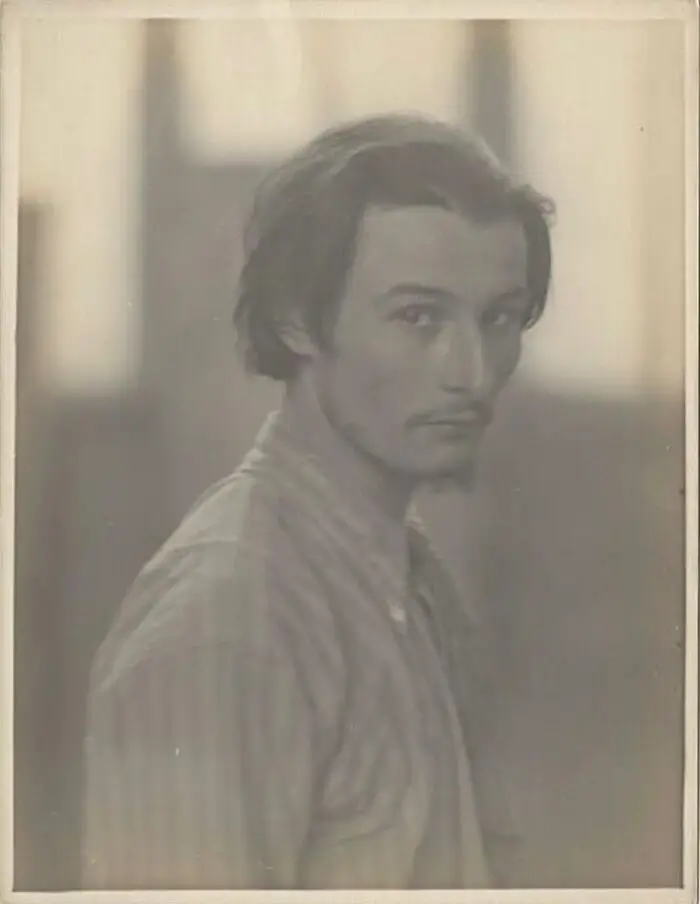
Presenting Henri Gaudier-Brzeska (1891-1915). An archetypal struggling artist with the pretty boy good looks and swathes of bohemian style. Born in Saint-Jean-de-Braye near Orléans. In 1910 whilst at Paris’ Bibliothèque Sainte-Geneviève, Gaudier met Sophie/Zofia Brzeska (1872-1925), a Polish writer and former governess. Though Brzeska was 38 and Gaudier 19 at their meeting, a passionate and intense love affair ensued. They never married but annexed their surnames as a declaration of their love (though some suggest this was nothing more than a personal arrangement). They moved to London with the intent of Gaudier becoming an artist, despite him having no formal training. Their relationship seems to have been rather codependent with both suffering from mental health issues likely brought on by poverty. Gaudier was utterly devoted to Sophie, whilst Sophie was frequently dismissive towards Gaudier’s advances. Often apart, Sophie didn’t want Gaudier to go without, and would regularly hire the services of s*x workers purely for his enjoyment. Maybe she fancied some time off? Some alone time? Or perhaps she was “just not that into him”? We can but wonder. While achieving some small measure of success with his sculptures in London, Gaudier’s artistic career of just five years was cut short. He was killed at the Front in France in 1915.
Report
4points
#36
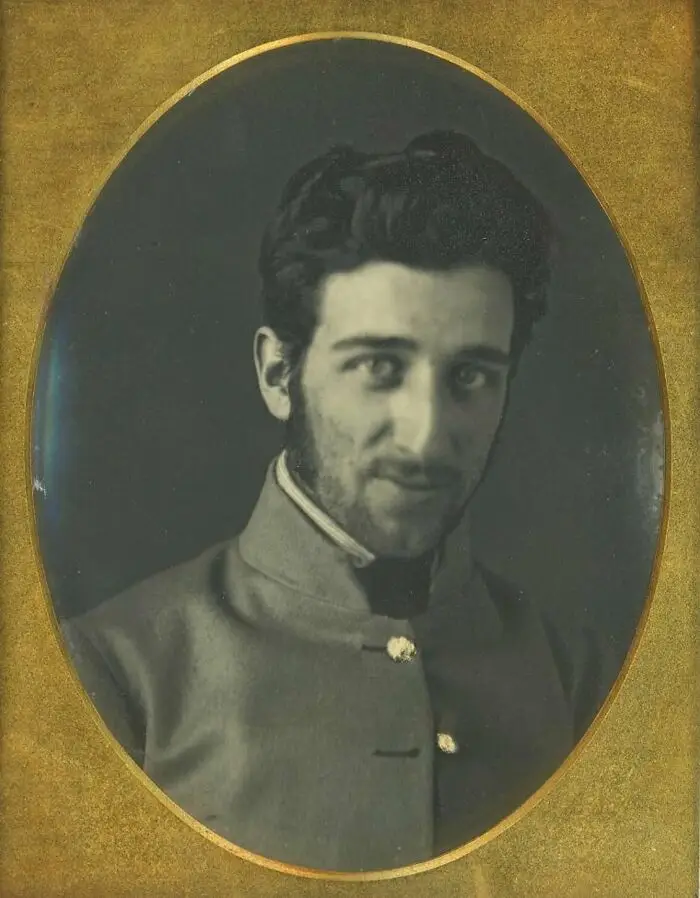
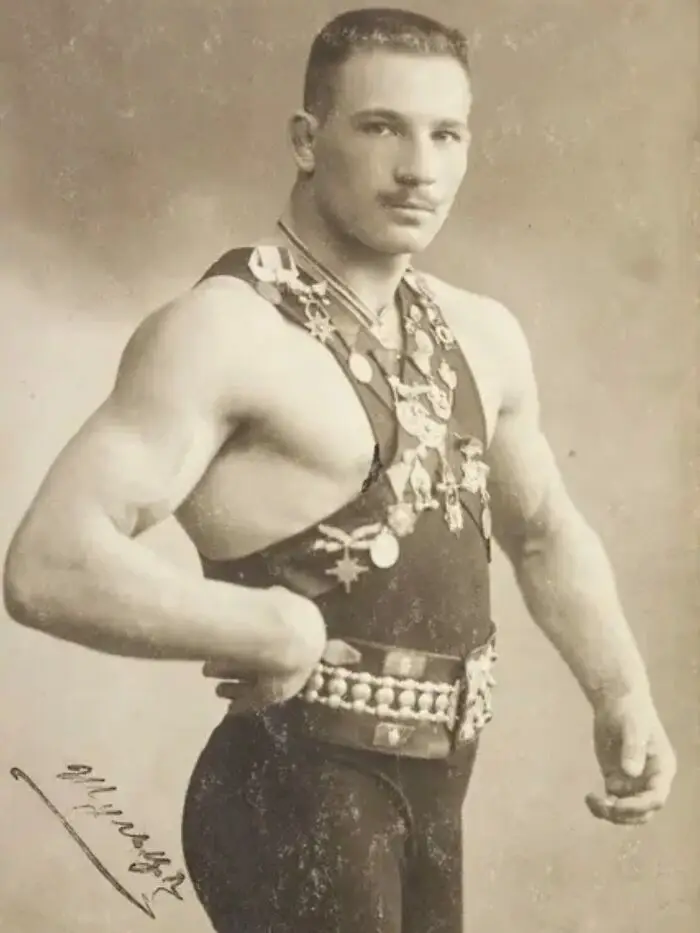
An alarmingly hot but sadly unknown soldier from the Mexican–American War era (1840s). This plate daguerreotype, nestled in a beautifully crafted case, reveals a captivating young gentleman—his gaze tender yet intense, with eyes that seem to hold untold stories and a whisper of coyness upon his lips. And is that a dimpled chin hiding beneath the stubble? Oh my, how darling 😍 The Mexican–American War (also known as the Mexican War in the United States) unfolded between 25th April 1846 and 2nd February 1848, spanning regions of Mexico and Texas. At its heart, the war was a clash between the United States and Mexico, ignited by the U.S. annexation of Texas and a dispute over the border between the Rio Grande and the Nueces River. Though it ended in a decisive victory for the United States, with Mexico ceding a vast stretch of its northern lands—including present-day California and New Mexico—the war left behind more than just altered borders. It marked the beginning of a complex and often poignant chapter in the shared history of two nations, rich with stories of ambition, loss, and longing.
Report
3points
#37
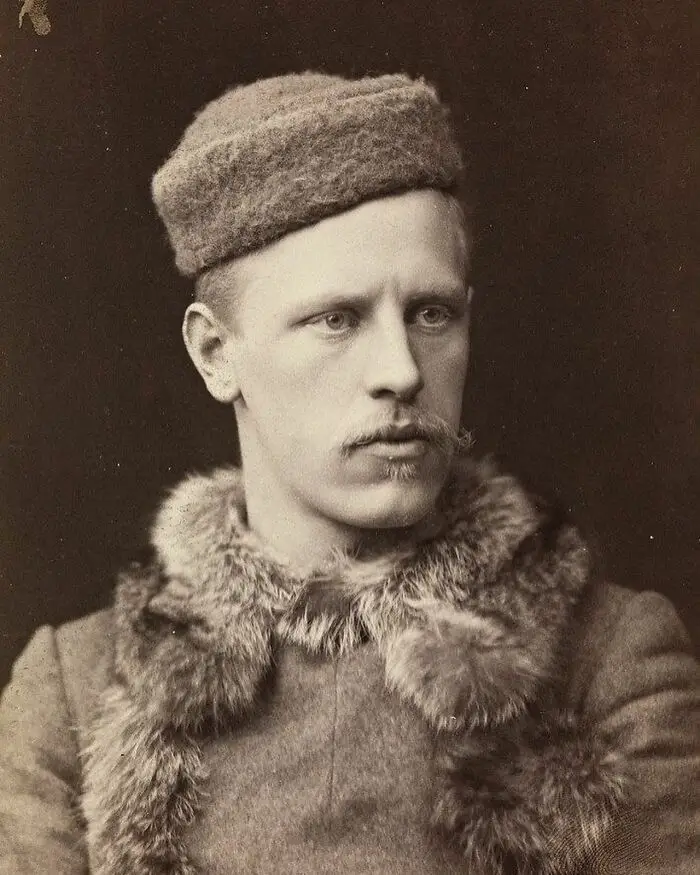
I’ve posted on this chap before, but I’ve come across some new images that I’ve not seen and they’re just too striking to not share. Presenting Fridtjof Wedel-Jarlsberg Nansen (1861-1930). Nansen was a Norwegian polymath and Nobel Peace Prize laureate. He gained prominence at various points in his life as an explorer, scientist, diplomat, and humanitarian. He led the team that made the first crossing of the Greenland interior in 1888, traversing the island on cross-country skis. Accomplishments aside, he was so damned handsome! That moody, broody, and determined. For someone who spent so much time in extremely cold temps, he was smouldering hot. He’d be most welcome to explore my fjords any time. 🔥
Report
3points
#38
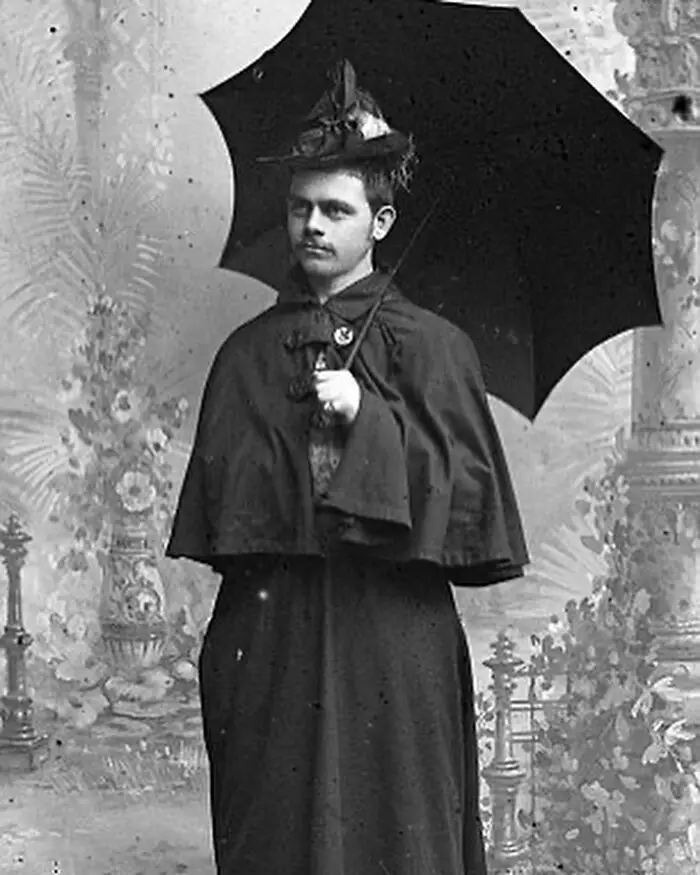
I love antique photographs that show a lesser known (or assumed) side of our Victorian and Edwardian ancestors. These images are from a collection by two Norwegian photographers Marie Høeg and her partner Bolette Berg, who kept the photos in a box marked ‘private’. Playing with cis-heteronormative gender roles, these images show an unknown man in traditional women’s clothing, taken circa 1895-1903, in Norway. I utterly adore the cheeky smile of the gentleman. The following images show Høeg and her brother Karl (seen in the first and second image) in playful poses and completely having fun. Her strong spirit and sense of adventure is so very clear in these photographs. Marie Høeg was born 1866 and died in 1949. The full collection is currently held at the Preus Museum, Horten, Norway.
Report
3points
#39
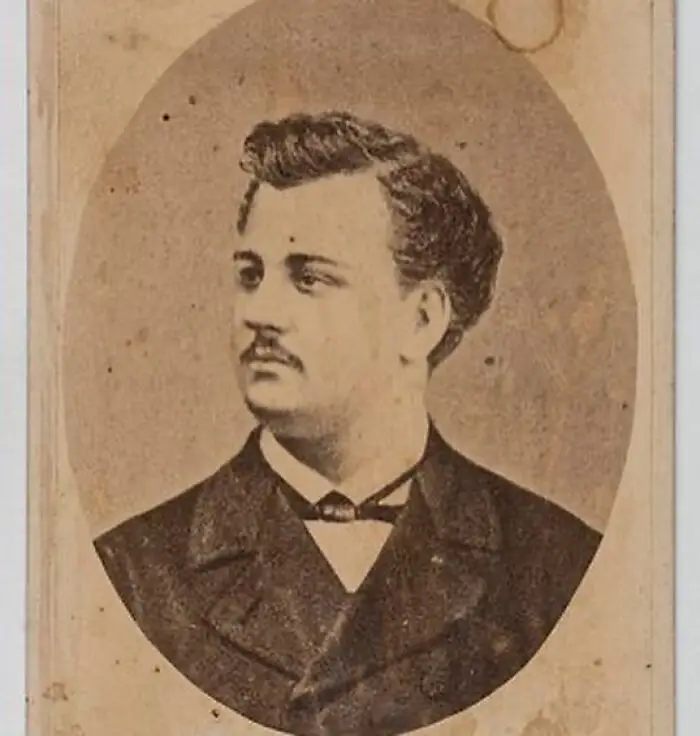
Now, he may not have been the hottest of Victorians, but hear me out on this particular gentleman. Victor Noir (27 July 1848 – 11 January 1870) was a French journalist. After he was shot and killed by Prince Pierre Bonaparte, a cousin of the French Emperor Napoleon III (1852–1870), Noir became a symbol of opposition to the imperial regime. His tomb in Père Lachaise Cemetery in Paris has randomly become a fertility symbol. Monsieur Noir was born Yvan Salmon at Attigny, Vosges, France, the son of a Jewish cobbler who had converted to Catholicism. He adopted "Victor Noir" as his pen name after his mother's maiden name. He moved to Paris and became an apprentice journalist for the newspaper La Marseillaise, owned and operated by Henri Rochefort and edited by Paschal Grousset. A life-sized bronze statue was sculpted by Jules Dalou to mark his grave, portrayed in a realistic style as though he had just fallen on the street, dropping his hat which is depicted beside him. The sculpture has a very noticeable protuberance in Noir's trousers. This has made it one of the most popular memorials for women to visit in the famous cemetery. The myth says that placing a flower in the upturned top hat after kissing the statue on the lips and rubbing its genital area will enhance fertility, bring a blissful s*x life, or, in some versions, a husband within the year. As a result of the legend, those particular components of the otherwise verdigris (grey-green oxidized bronze) statue are rather well-worn and shiny, as are the tips of the boots. In 2004 a fence was erected around the statue of Noir, to deter superstitious people from touching the statue. However, due to supposed protests from the "female population of Paris", in fact led by French TV anchor Péri Cochin, it was torn down again.
Report
3points
#40
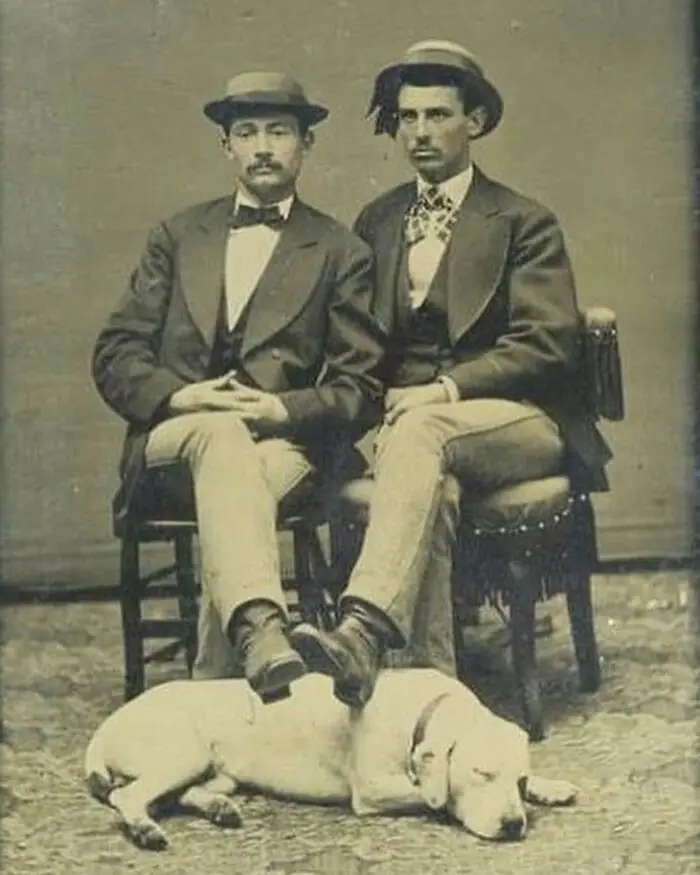
Wishing one and all a very happy #internationaldogday 🐶🐩🐾🐕🦮🐕🦺🦴 Here’s to all the dogs, puppies, furry friends, that have always been by our sides.
Report
2points