


Mental health was measured with a well-validated, standardized index of mental health with statements including, "I argue a lot" and "I am too impatient." Adults who grew up in poverty were more likely to agree with those questions than those from a middle-income background.
Chronic physiological stress was tested by measuring the participants' blood pressure, stress hormones and body mass index. People who grew up in poverty had a higher level of chronic physical stress throughout childhood and into adulthood.

Evans believes the study has two implications. First, early intervention to prevent these problems is more efficient and more likely to work. "If you don't intervene early, it's going to be really difficult and is going to cost a lot to intervene later," he said.
Second, increasing poor families' incomes is the most efficient way to reduce a child's exposure to poverty and also their risk of developing psychological problems.
Evans supports the creation of a safety net, similar to Social Security's supplemental income for the elderly and disabled. If a family is poor and has children, the federal government, he thinks, should provide them with supplementary income sufficient to participate in society.
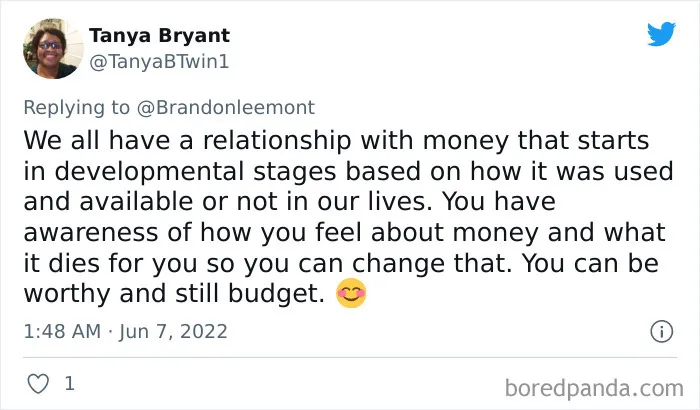


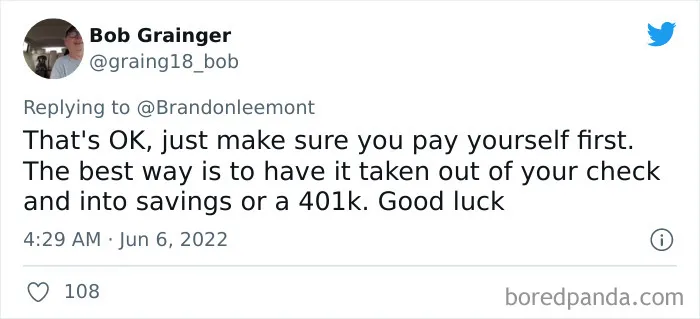
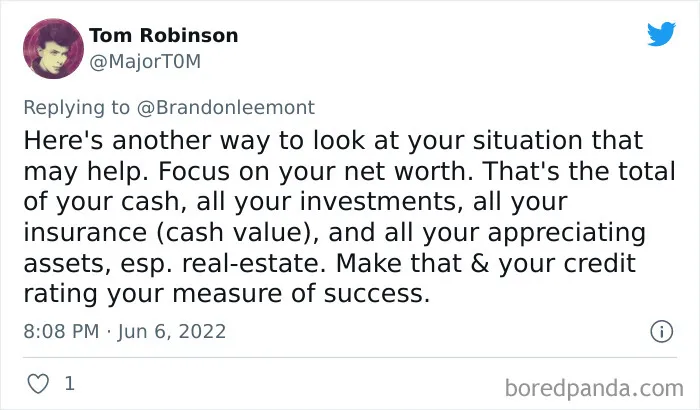
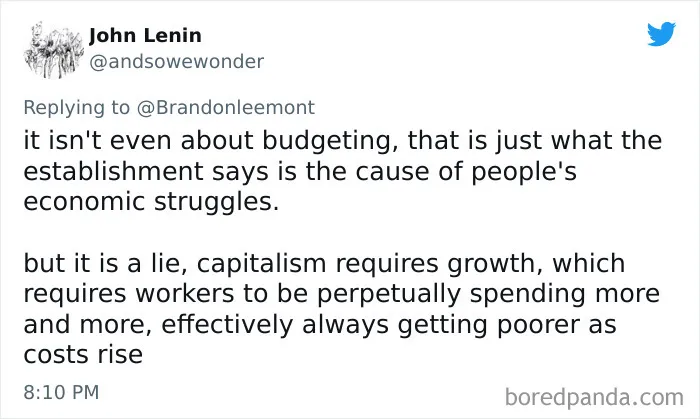
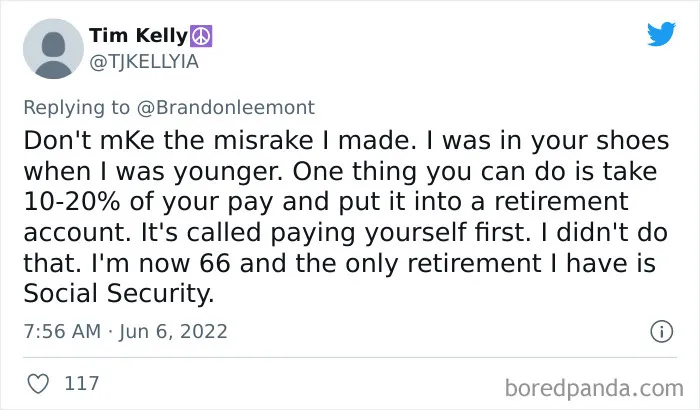
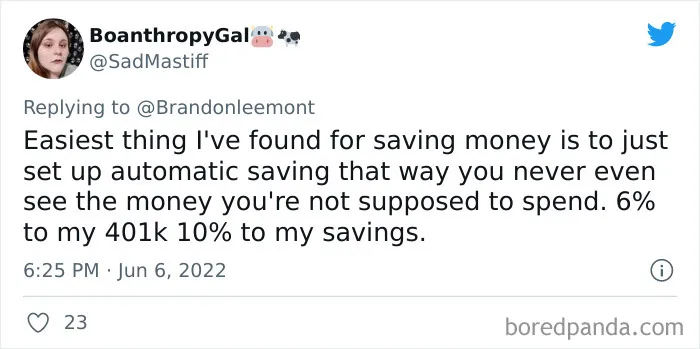
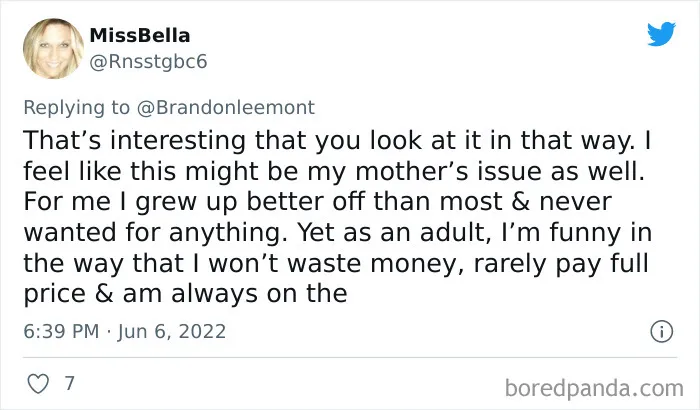
We read these tweets and sometimes think there's little we can do. But things don't have to be the way they are.
"It's not true you can't do anything about poverty," Evans said. "It's just whether there's the political will, and are people willing to reframe the problem, instead of blaming the person who is poor and, even more preposterous, blaming their children." So let's keep the conversation going.