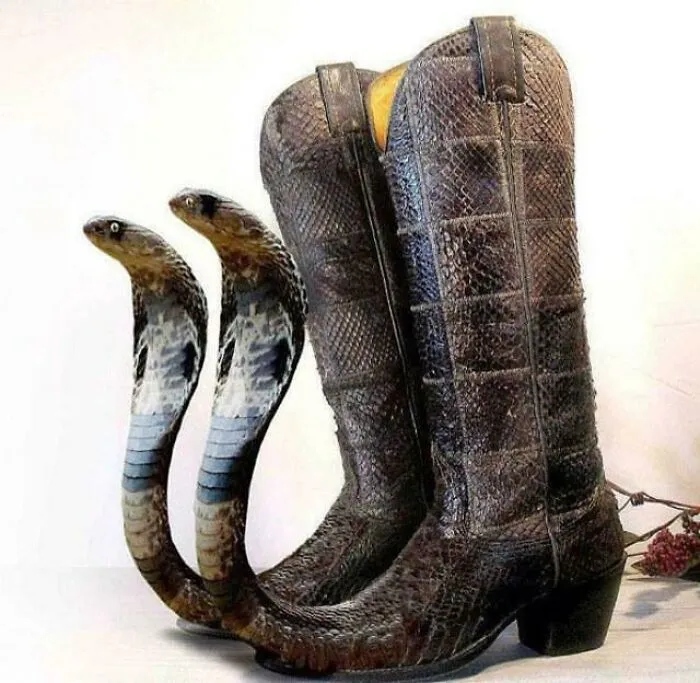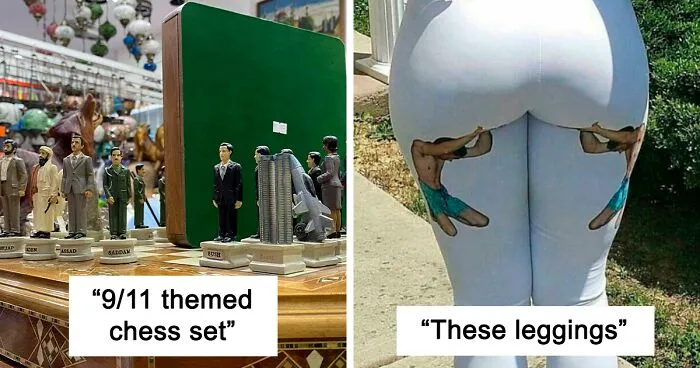




Subjective taste is something we just have from the get-go, but objective taste demands refinement. Hume believed that, in order for one to acquire an objective taste meant that they need to expose themselves to that which is objectively considered as good. That means reading books, going to museums to experience art, and otherwise training yourself to understand what the “it” factor is in the collective hive-mind.


Now, David Hume is one of many people who have discussed the idea of personal and objective taste. German philosopher Immanuel Kant wrote Critique of Judgment, which deals with pleasure in form and arrangement versus pleasure in the idea of the infinite.
Walter Benjamin is another philosopher and cultural critic who dove into the topic, explaining how tech and mass production affects our experience of art in his The Work of Art in the Age of Mechanical Reproduction.



Edmund Burke, John Ruskin, Arthur Schopenhauer, Susanne Langer—many have approached the topic of taste. In a sense, they’ve all added to the discussion of what the benchmarks and thresholds for the issue ought to be. But because taste as a concept is complex, a lot still remains to be determined about it. And as time goes by, even more nuances to consider appear.



Now, if you still have a thirst for tasteless things of exceptional craftsmanship, this Bored Panda article might just be your next stop as it features more of what you’ve seen today.
And if all that you’ve taken from this listicle today is “screw what the greats and not-so-greats say about taste, I’m gonna decide that for myself,” then just roll with it.
Speaking of which, there’s an entire comment section awaiting your judgments, opinions, and stories of what taste is or anything else that you’ve seen or read here today.



#34 Along The Shores Of North-Central Iowa’s Clear Lake, The Six-Bedroom Pyramid House