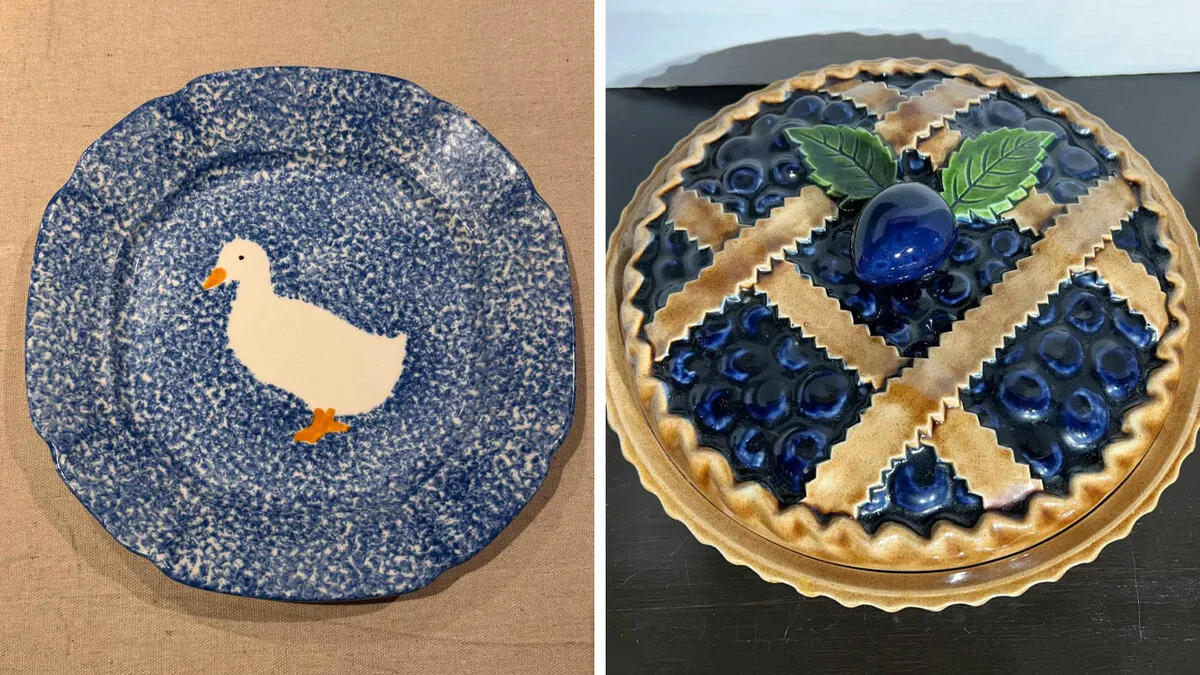


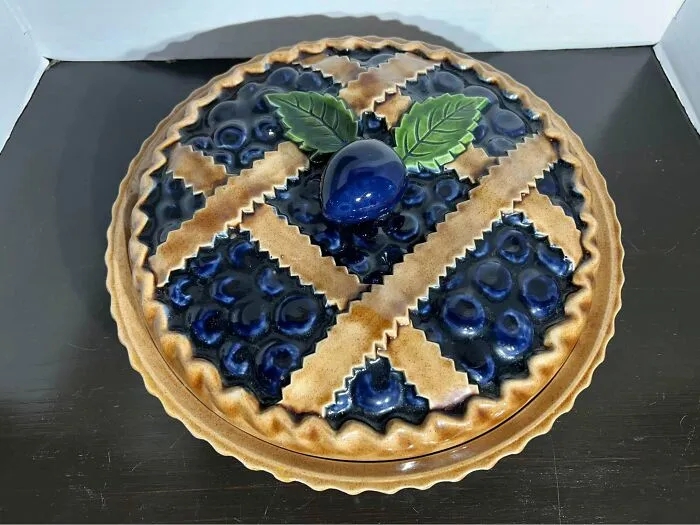
#2 Vintage 12” Canis Portugal Ceramic Blueberry Pie Keeper Dish With Lattice Lid
Thrifting offers something that ordinary shopping often cannot: the excitement of finding something special when you weren't necessarily looking for it. Psychology Today explains that the unpredictable nature of thrift stores turns shopping into a treasure hunt, where every visit brings the possibility of discovering an unusual item, a vintage collectible, or something far more valuable than its price suggests.
Unlike conventional retailers, where products are usually organized and easy to find, secondhand stores constantly change their stock, making each visit a new experience. Shoppers never know what they might uncover, and that uncertainty is part of what makes the process so enjoyable.
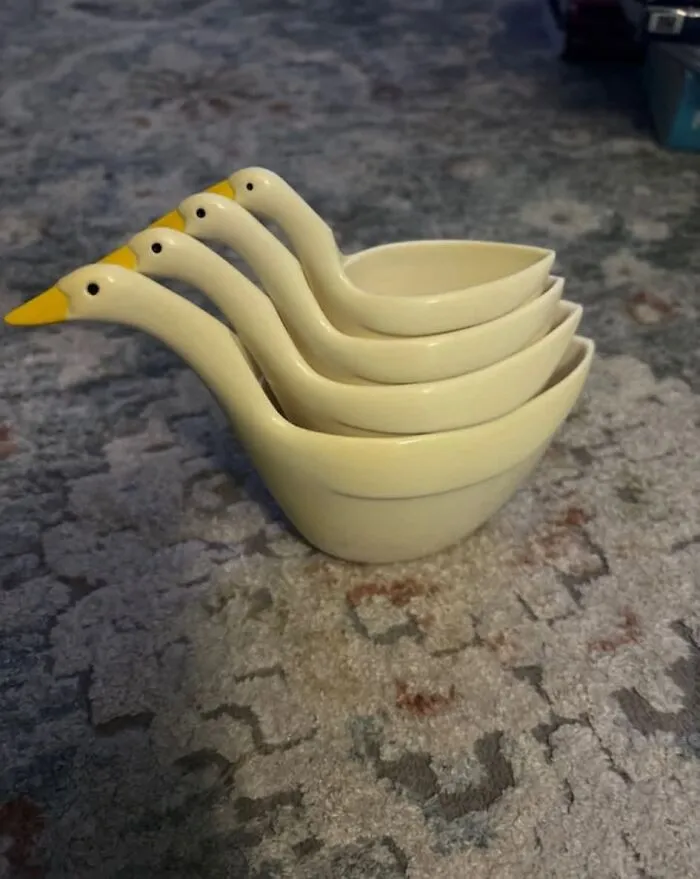
This excitement comes from more than simply finding something worth buying. Searching through racks, inspecting labels, comparing prices, and spotting an overlooked item creates a rewarding process in itself. Once shoppers discover something they like, checking its condition or realizing how little it costs can make the experience even more satisfying.
There is also a story to tell afterward, whether it involves finding a vintage jacket for a few euros or bringing home a distinctive piece of furniture that would have cost considerably more elsewhere. The effort and luck involved can make the purchase feel earned, giving thrifted items a special appeal beyond their practical use.
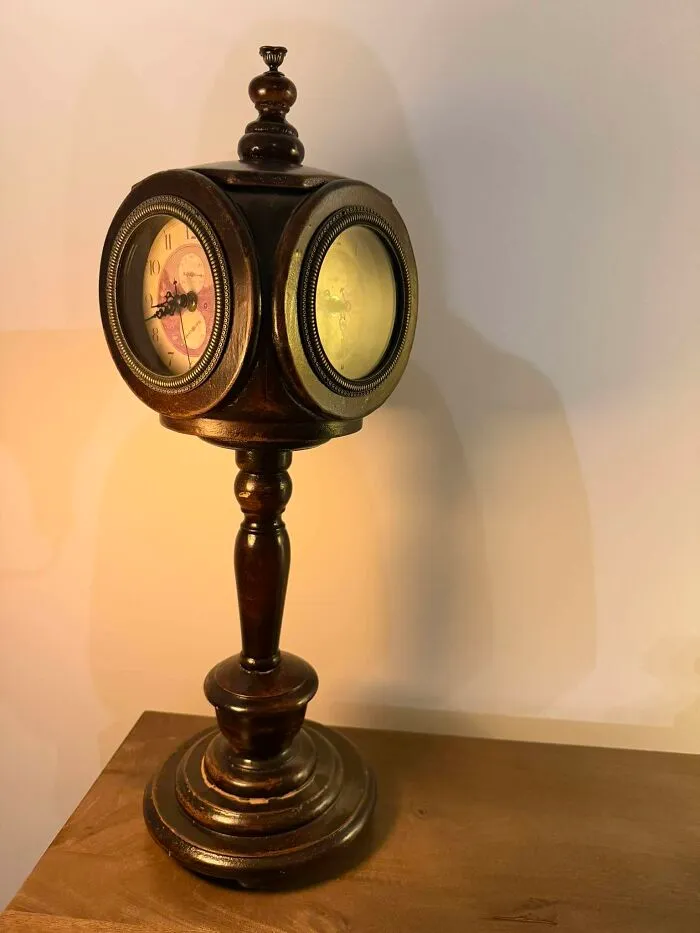
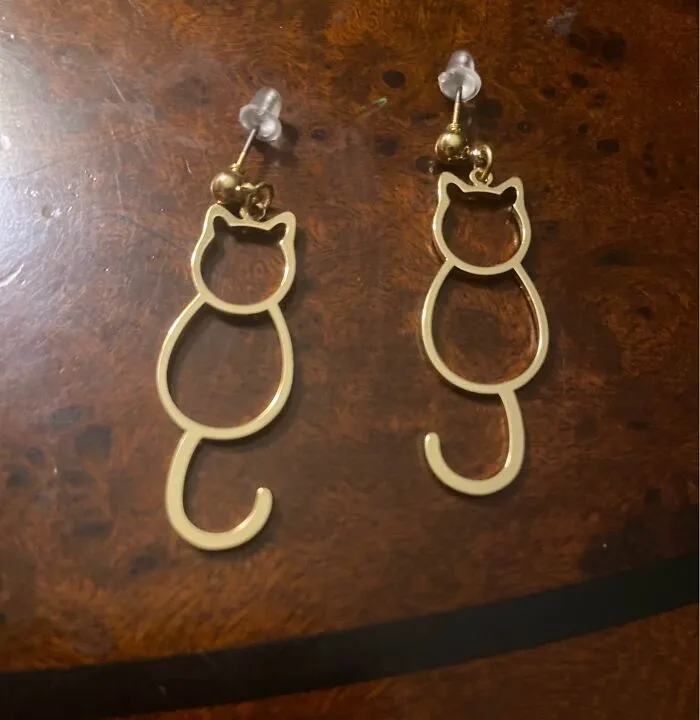
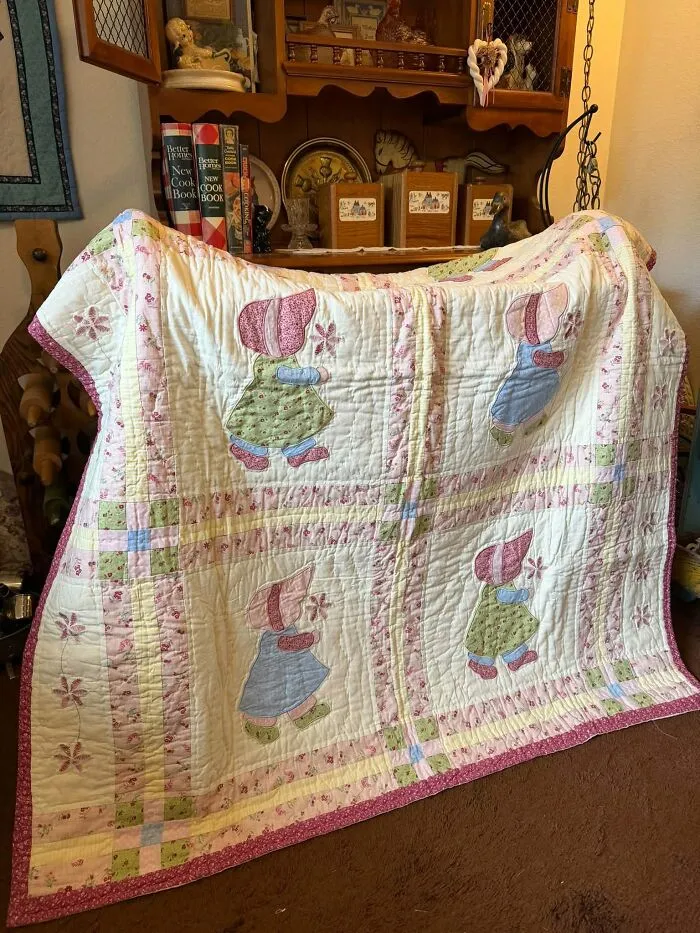
There is another reason certain secondhand finds feel so meaningful: they carry traces of the past. The British Psychological Society explores how an object's history can give it emotional significance beyond its appearance or function.
An old book, a worn chair, or a vintage accessory may remind someone of a particular period, evoke memories, or inspire curiosity about its previous owner. Psychologists study this connection through the idea of an object's biography, which refers to the story it accumulates through its creation, use, repairs, and changing ownership. This history can make an otherwise ordinary possession feel distinctive and worth keeping.
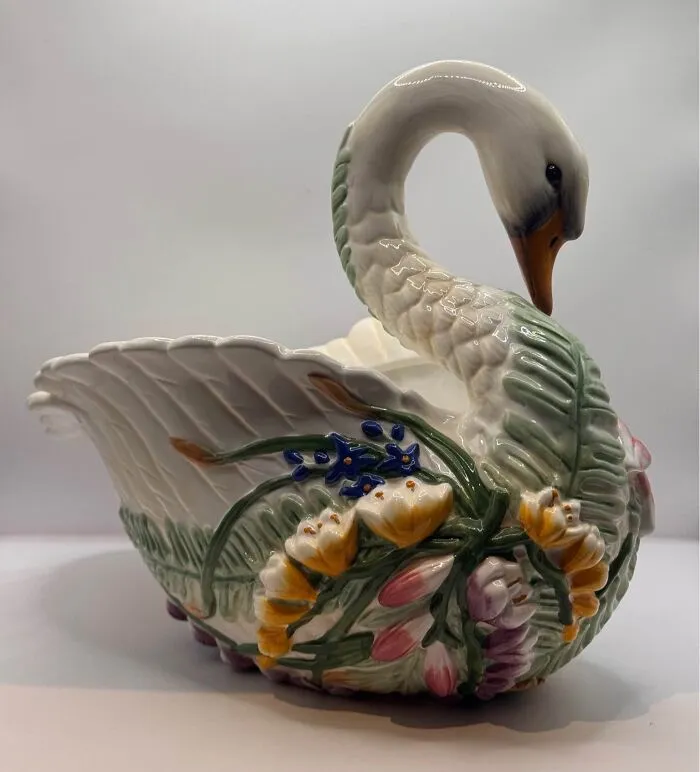
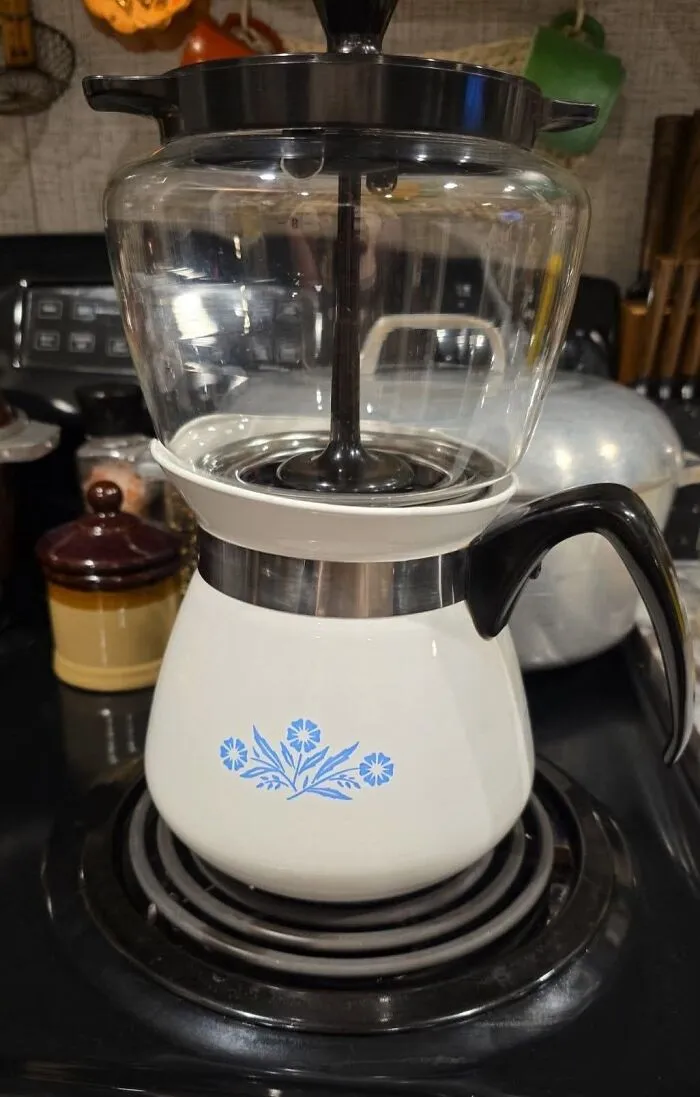
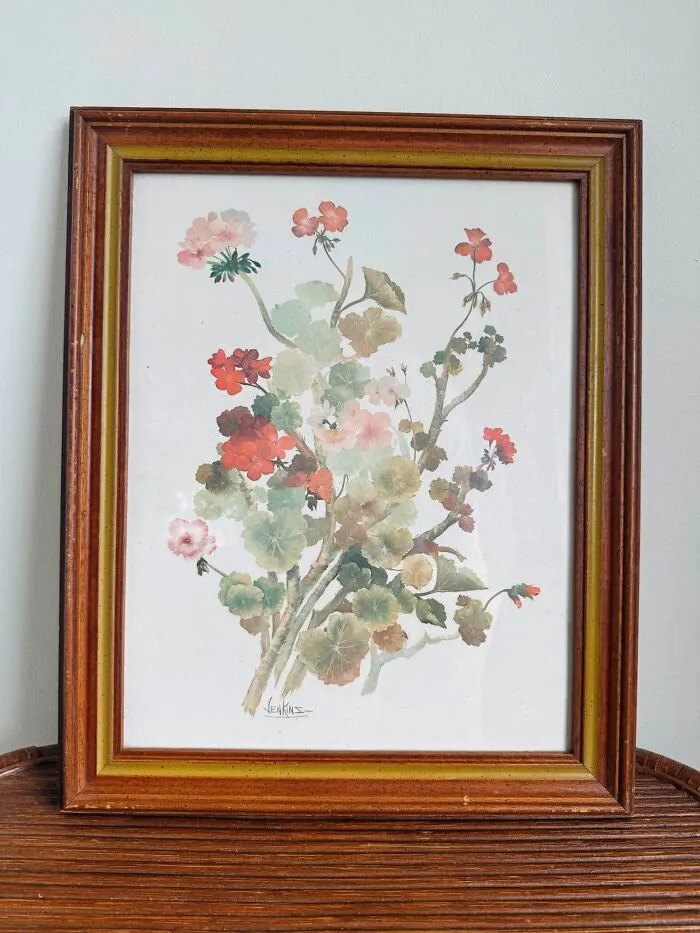
#12 Beautiful Vintage Botanical Print Featuring Soft Pink And Coral Geraniums In A Warm Wood Frame With Gold Detailing
Even when shoppers know very little about an item's origins, its appearance can invite them to imagine the life it had before reaching the store. A faded pattern, an unusual design, or a label from a long-discontinued brand might suggest a different era or a forgotten trend. Research into authenticity and nostalgia helps explain why older objects can feel more special than visually similar new ones.
People may place greater value on authentic items because they feel connected to the individuals or events associated with them. Nostalgia can strengthen that attachment, creating a sense of continuity between the past and the present. For thrift shoppers, part of the appeal lies in discovering something that already has a history while giving it a new chapter.
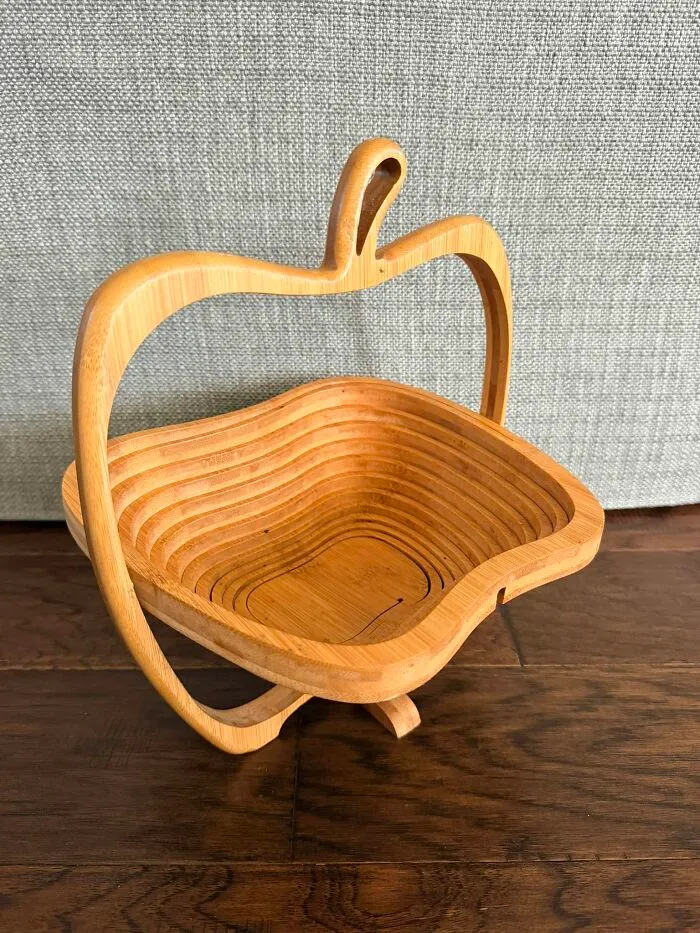
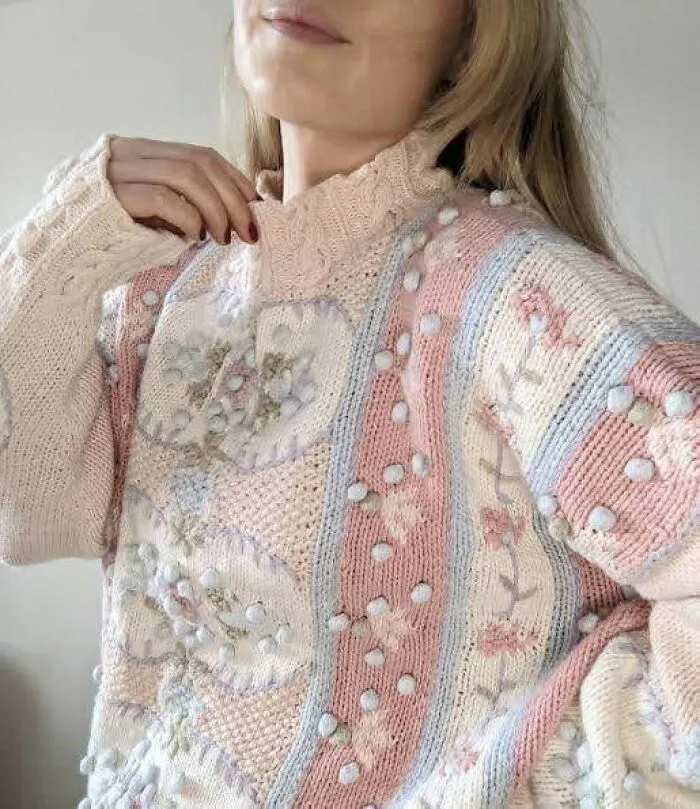
Of course, the thrill of finding something unusual becomes even greater when the price is surprisingly low. Inc. explores this aspect of consumer psychology through the concept of transaction utility, developed by behavioral economist Richard Thaler. The idea describes the additional satisfaction people experience when they believe they have secured a good deal.
Shoppers do not judge a purchase solely by what they receive; they also compare the price they paid with what they expected to pay. Finding a jacket marked down from $120 to $30, for example, can feel like a victory because the difference makes the shopper feel they have gained something beyond the item itself.
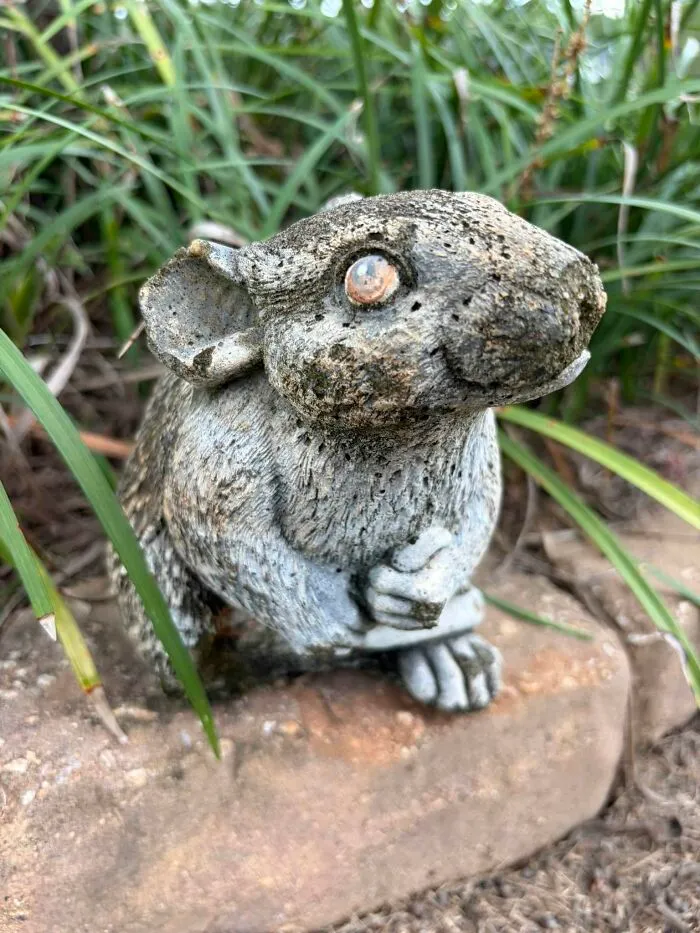
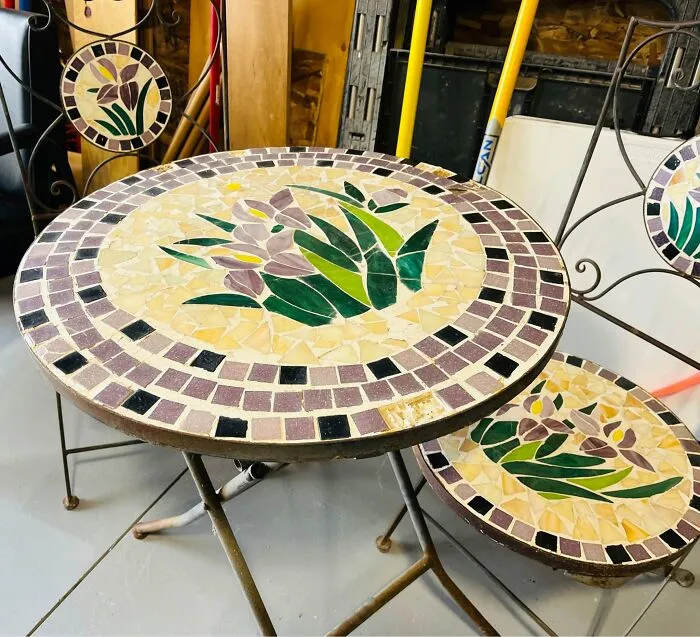
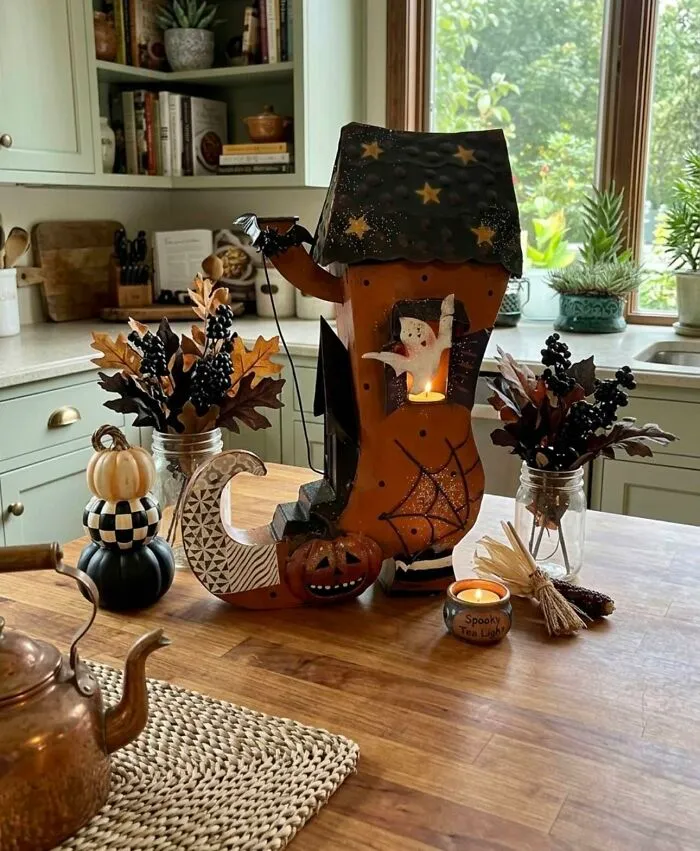
This helps explain why thrift shoppers often take pride in their discoveries and enjoy sharing the details with others. Finding a well-made item at a fraction of its expected price can create a sense of resourcefulness, as though patience and a sharp eye have paid off. The excitement may be even stronger when the item is unusual or difficult to find elsewhere.
However, a low price does not automatically make something a bargain; the item's condition, usefulness, and actual market value still matter. What makes a successful thrift haul satisfying is the combination of finding something desirable, recognizing its potential, and feeling that the purchase was worth the effort.
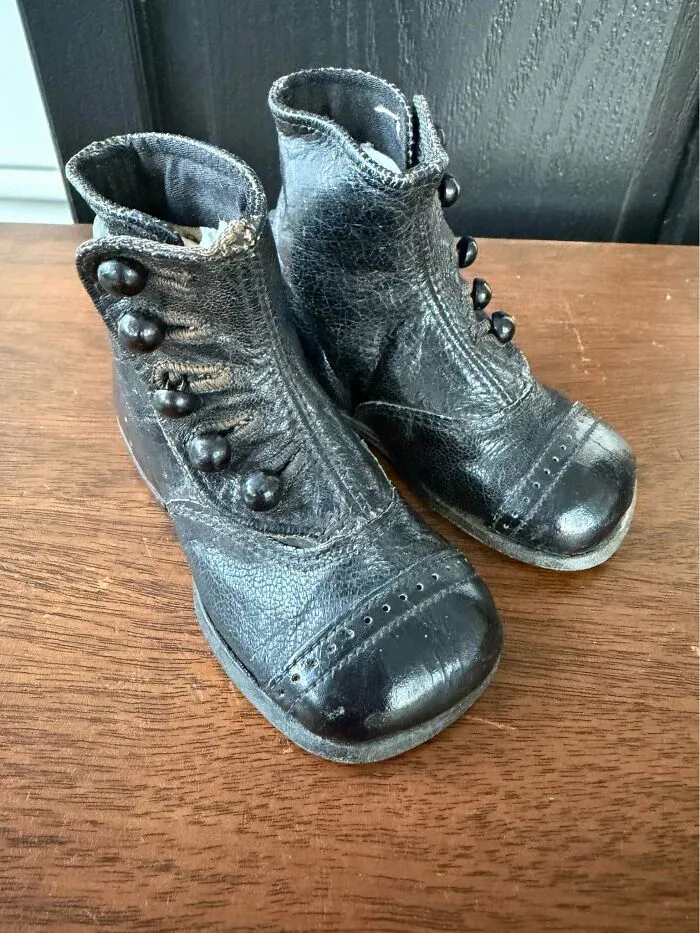
#19 Rare Authentic Antique Edwardian / Late Victorian (Circa 1900s) Child’s High-Top Button Boots Made By The Historic Geo. D. Witt Shoe Co. Of Lynchburg, Virginia