

Kids often get away with a little more at Grandma and Grandpa's house. An extra scoop of ice cream, cookies before dinner, or a second helping of dessert - grandparents love spoiling the little ones. But when it comes to food allergies, certain rules simply cannot be broken.
This post may include affiliate links.
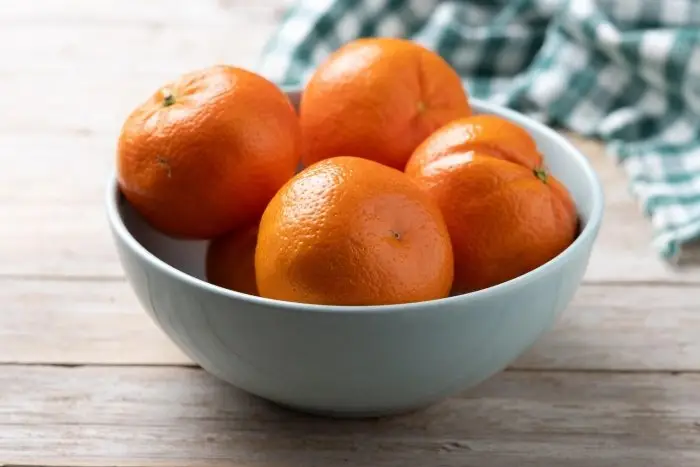
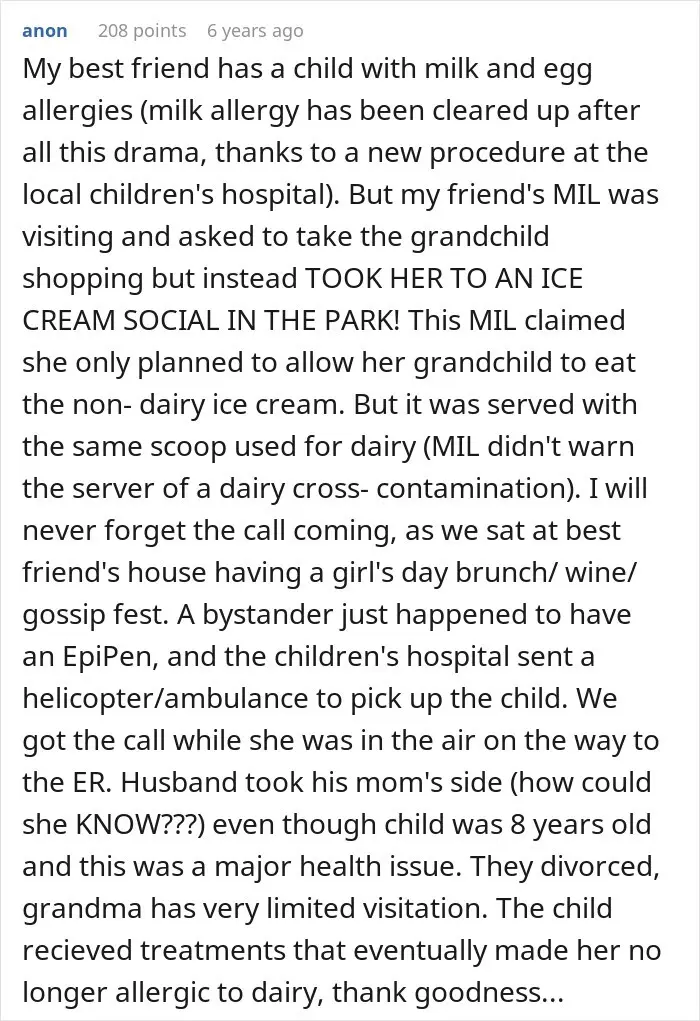
However, one grandmother chose to ignore them. A parent shared how their mother-in-law convinced their bilingual toddler that a clementine wasn't an orange. Despite knowing about his allergy, she gave him one. The little boy ended up in the hospital, but the grandmother's reasoning left the family even more shocked. Read on to find out why.
Disagreements with in-laws can sometimes have serious consequences

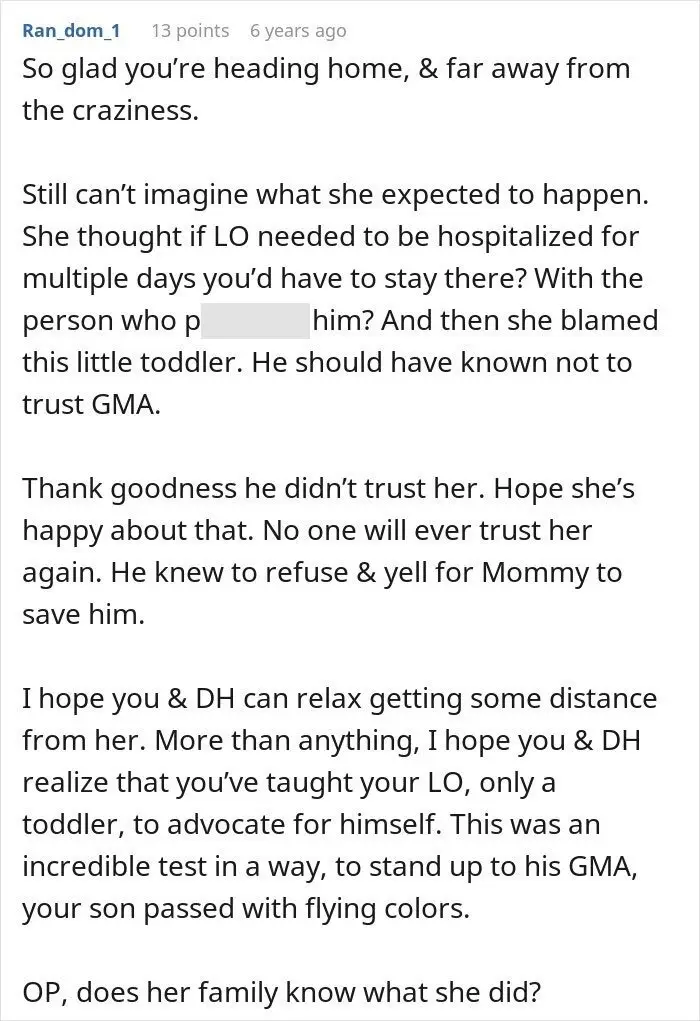
A parent shared how their MIL knowingly gave their son food he was allergic to



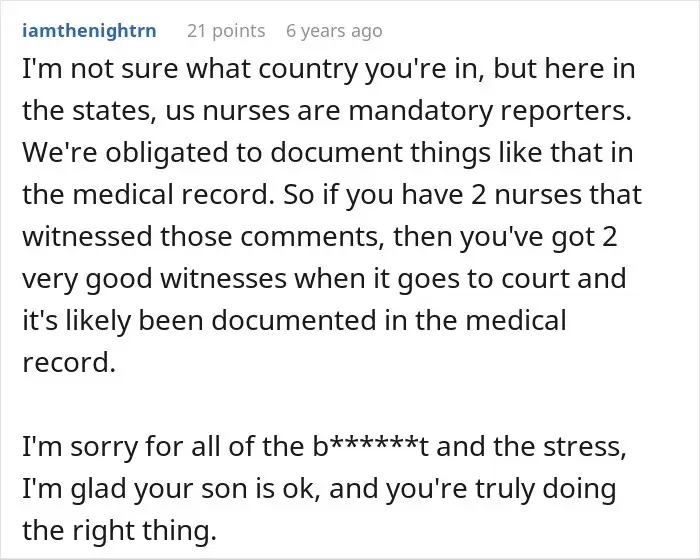
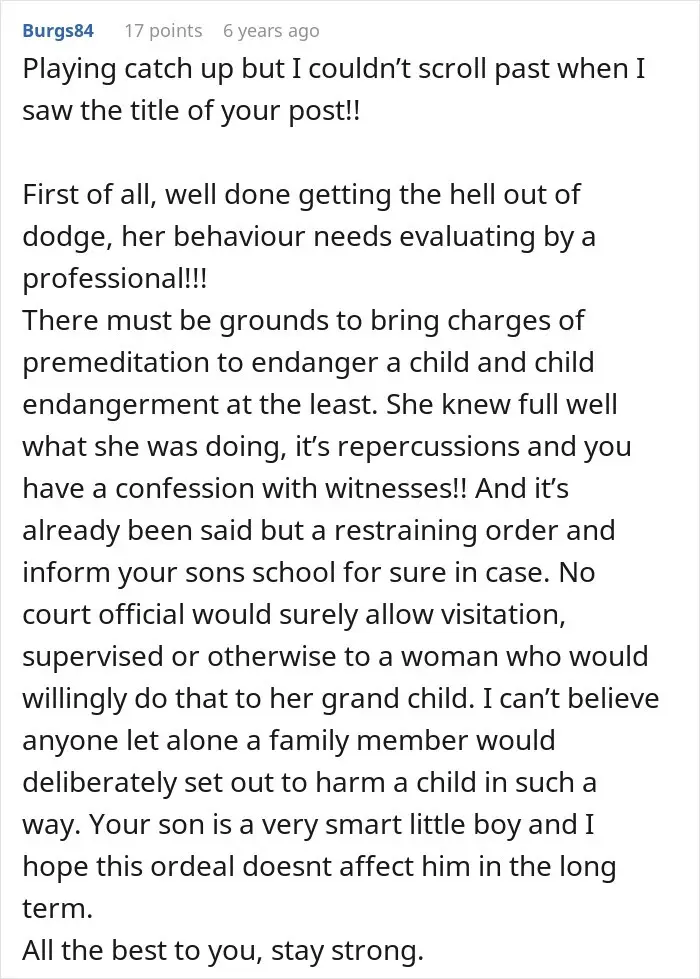
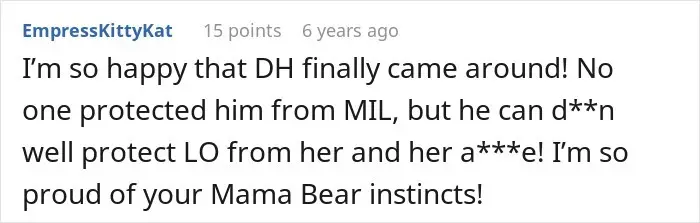
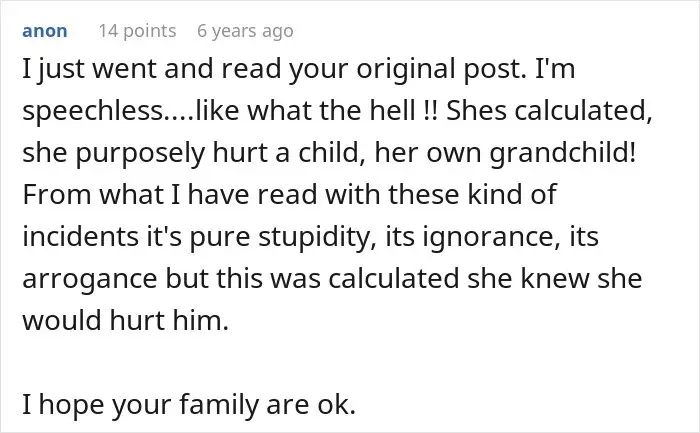
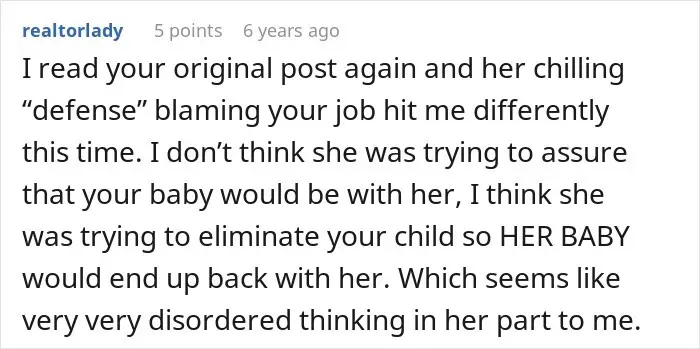
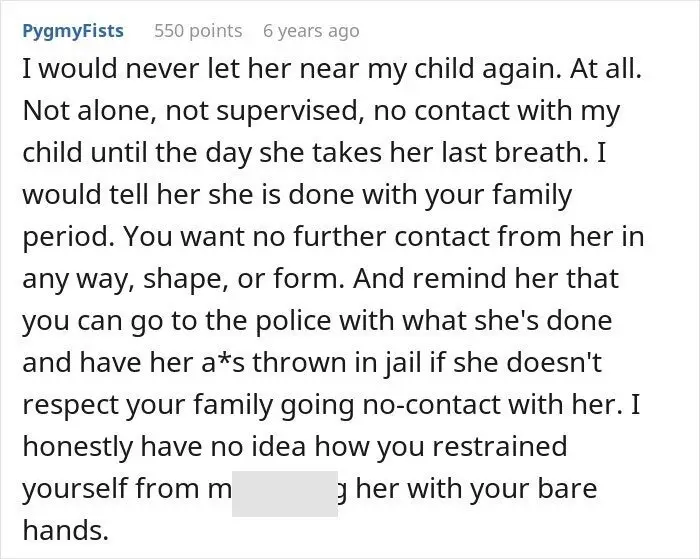
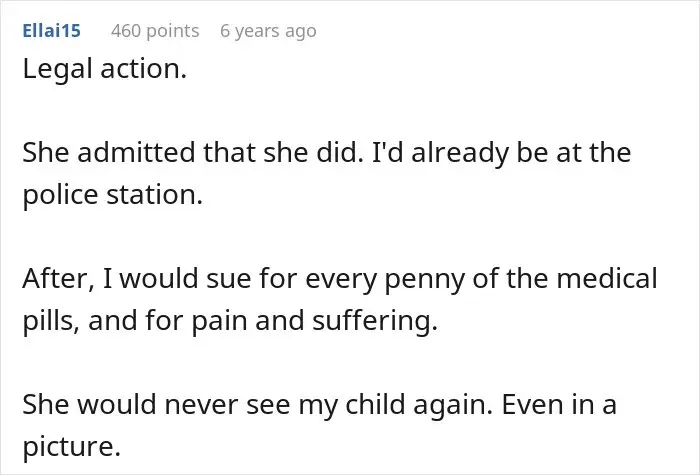
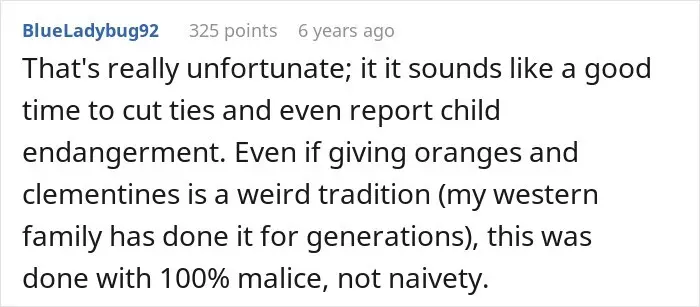
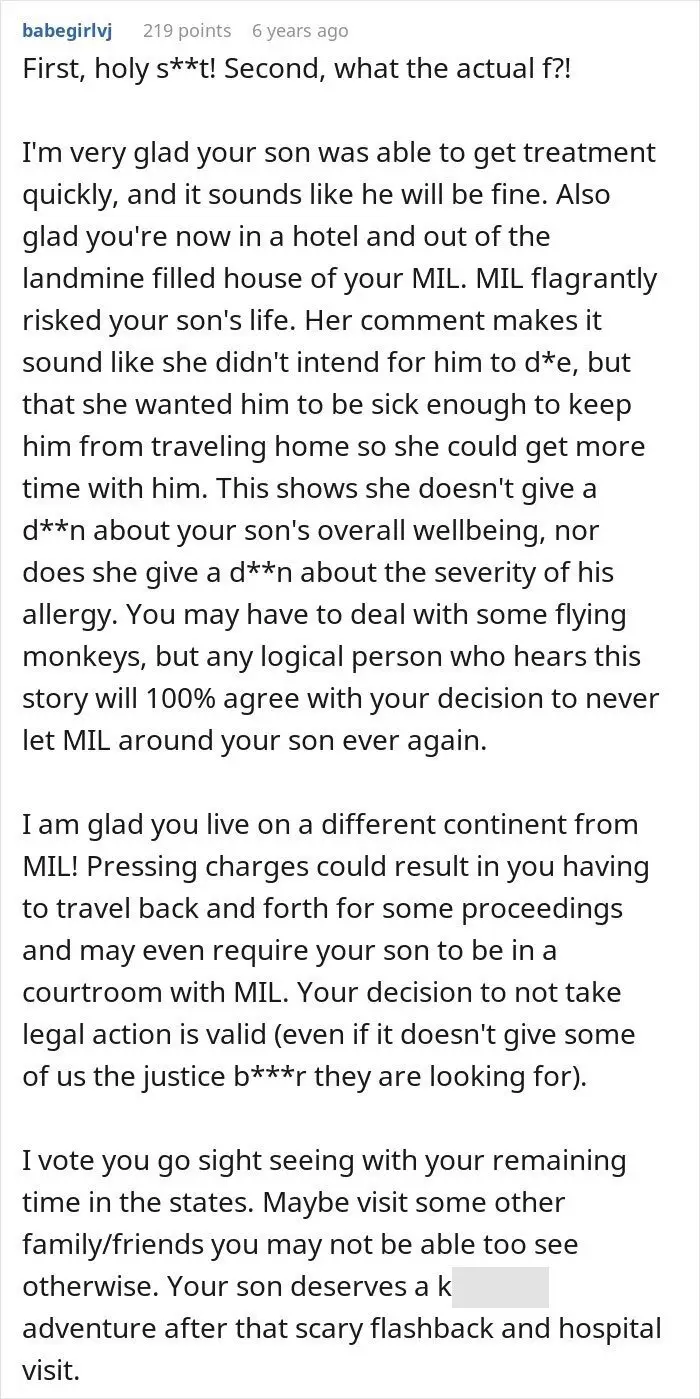
People were horrified by how far the grandmother went





Even a small amount of certain foods can trigger a severe allergic reaction in some people
For most of us, picking up a snack at the supermarket is a fairly simple task. But for someone with a food allergy, it might involve spending several minutes reading the ingredients on the back of a packet. And eating at a restaurant or someone else's house can be even more complicated.
In the US alone, more than 33 million people have at least one food allergy. A study examining food allergies among American adults found that nearly 11% of the adult population was affected. Interestingly, almost half of those with food allergies developed at least one of them during adulthood.
While peanuts are often associated with food allergies, they're certainly not the only culprit. The US FDA recognizes nine major food allergens. These include milk, eggs, fish, shellfish, tree nuts, peanuts, wheat, soybeans, and sesame. However, people can develop allergies to other foods as well, including fruits.
Children are affected, too. A survey involving more than 38,000 children in the US found that approximately 5.6 million kids had food allergies. That's roughly one in every 13 children. So, in a classroom of 26 students, there could be two children who need to be particularly careful about what they eat.
Interestingly, the numbers differ considerably across countries. A telephone survey conducted across 10 European countries asked parents and guardians about food allergies in their children. Finland had the highest rate of reported food allergies at 11.7%, while Austria had the lowest at 1.7%. It's worth noting, however, that these were reported allergies rather than medically confirmed diagnoses.
Food allergies have also become more common among children over the years. Food Allergy Research & Education (FARE) notes that childhood food allergy prevalence increased by 50% between 1997 and 2011. Furthermore, reported peanut and tree nut allergies among American children more than tripled between 1997 and 2008.
So, what exactly happens when someone eats something they're allergic to? The Mayo Clinic explains this using milk allergies as an example. The immune system mistakenly identifies certain milk proteins as harmful and produces antibodies to fight them. When the person consumes milk again, their immune system releases histamine and other chemicals, causing an allergic reaction.
The symptoms can vary from one person to another. Someone might develop an itchy rash or swollen lips, while another person might experience difficulty breathing. A severe reaction, known as anaphylaxis, can be life-threatening and requires immediate treatment with epinephrine and emergency medical care.
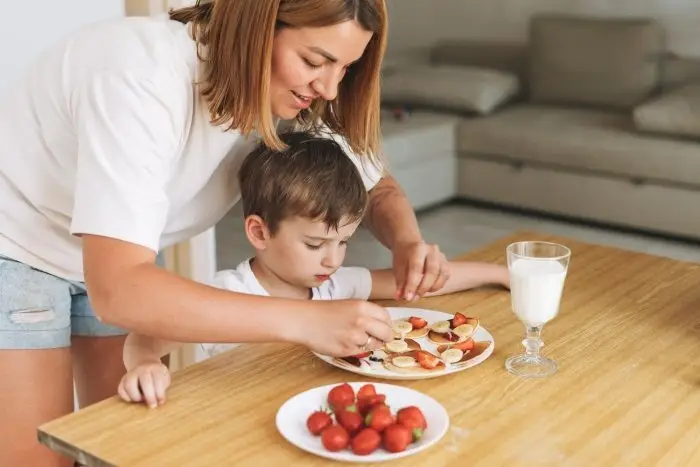
Anyone looking after a child with food allergies needs to understand their dietary restrictions
Managing a child's food allergy becomes considerably harder when other adults refuse to take it seriously. Parents can explain which foods their child needs to avoid, pack separate snacks, and teach their little one not to accept certain foods. But a three-year-old will quite understandably trust their grandmother when she assures them something is safe to eat.
Furthermore, even preparing food for someone with an allergy requires care. Using the same knife to make a peanut butter sandwich and then prepare food for someone with a peanut allergy, for instance, could expose them to the allergen.
And what if someone believes a child has outgrown their allergy? FARE explains that allergists can conduct an oral food challenge to determine whether this is the case. The test involves giving the patient carefully measured amounts of food under medical supervision. It certainly isn't something a relative should attempt at the dinner table.
In today's story, the grandmother reportedly knew about her grandson's allergy. What's particularly disturbing is that she used his limited understanding of language to convince him that the fruit was safe. The little boy trusted her and ended up in the hospital because of it.
And while grandparents might disagree with certain parenting decisions, a child's medical restrictions aren't up for debate. What do you make of the grandmother's behavior, Pandas? Would you ever trust her to look after the child again?
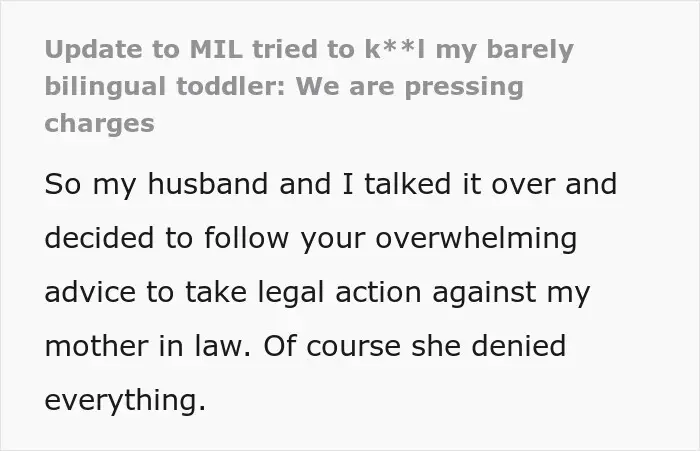
The parent later shared an update about taking legal action against their MIL


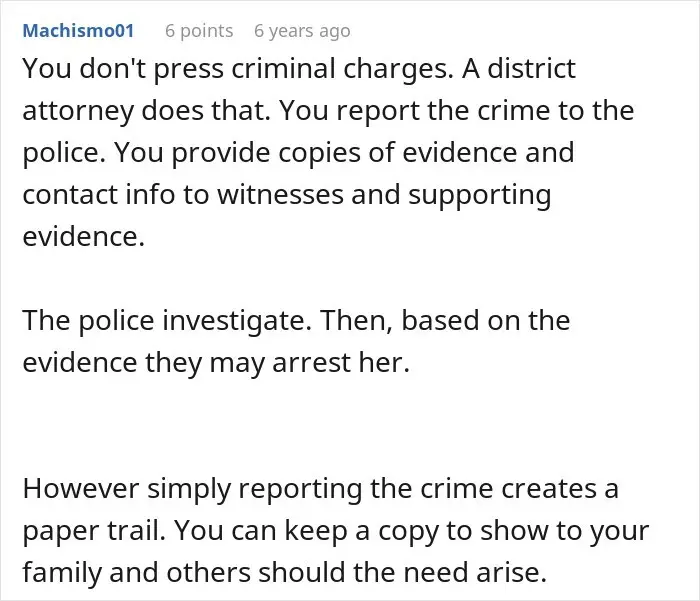
Readers were glad the parent decided to press charges