



Picture the stereotype first. A sunset in blinding colors, a cartoon coffee mug, a caption in a font that is far too large, and a cheerful instruction at the bottom to share if you agree. Anyone under thirty could describe this image from memory, which tells you boomer humor has built a very recognizable look. The funny part is that the look is only the wrapper. Underneath sits a surprisingly consistent set of comedy habits, and some of them work better than the internet likes to admit.
Start with where it lives. Harbinger Magazine’s breakdown of generational humor calls Facebook perhaps the largest home of the memes and jokes that capture boomer comedic taste.
Once plenty of Gen Z, Millennial and Gen X users drifted away, the platform became the territory of a generation with far less experience of internet culture. Reddit’s Terrible Facebook Memes community now logs the strangest finds the way bird watchers log rare sightings. What makes this stuff distinct is how literal it is.
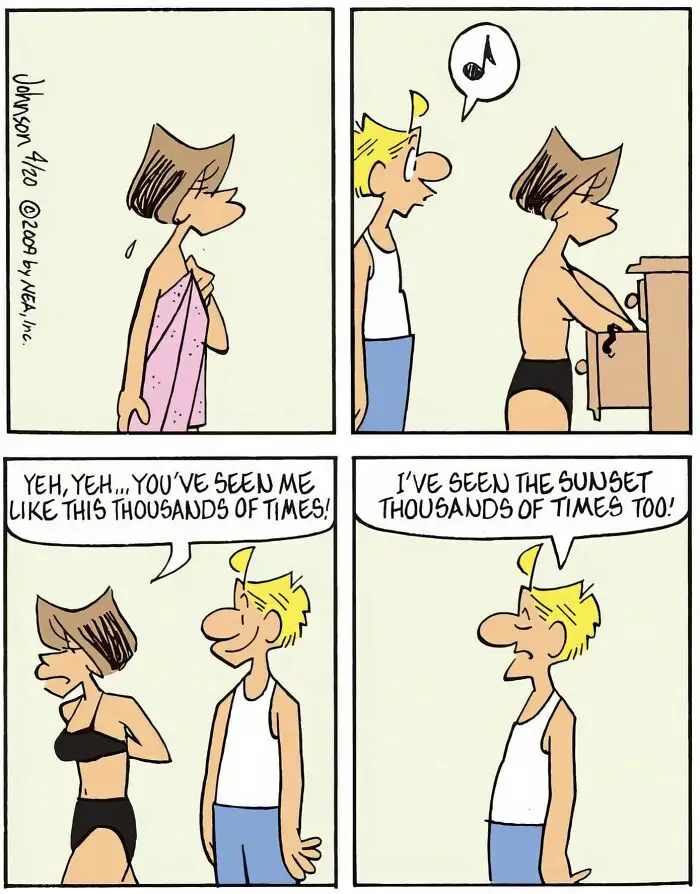
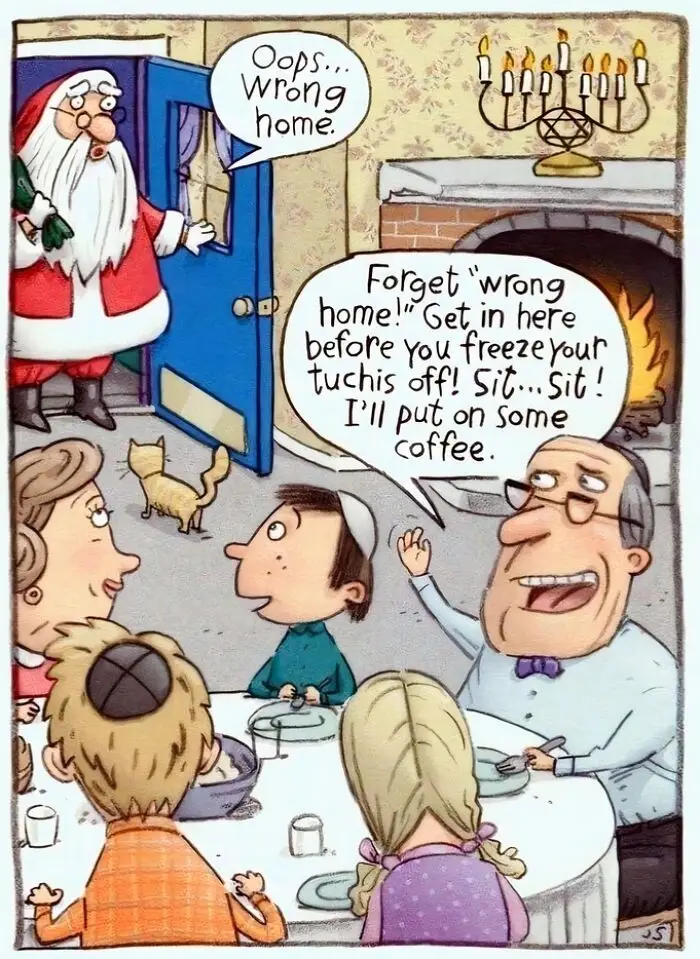
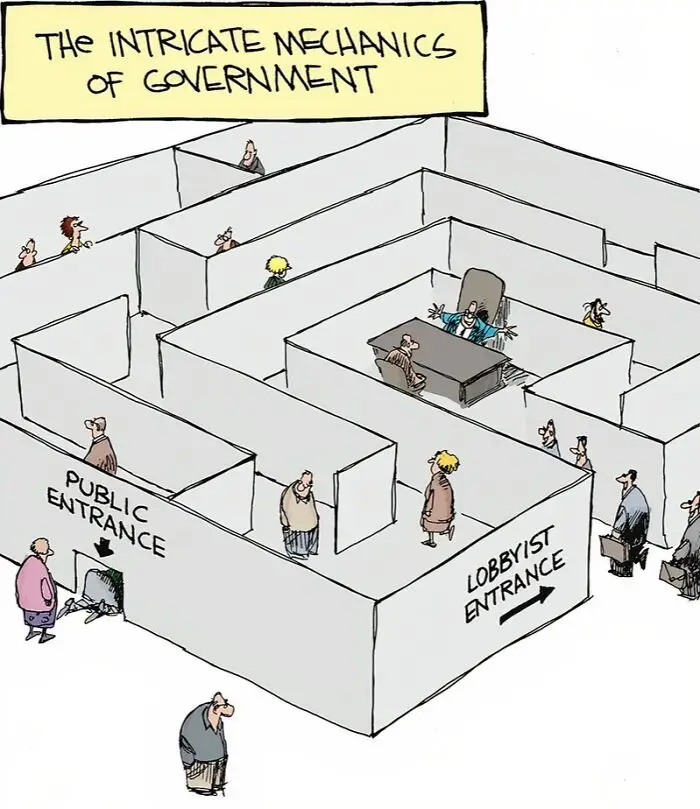
Younger meme culture loves irony stacked on irony, the kind of joke that needs a footnote and a working knowledge of last Tuesday’s trending topic. Boomer humor goes the other way. A joke about a husband and a TV remote is a joke about a husband and a TV remote, with no hidden layer and no wink. Even the visual style follows this honesty, with bold captions, clip art and a thumbs up that announce the topic before the joke begins. When the setup is good, the punchline lands precisely because nobody was hunting for a secret meaning.
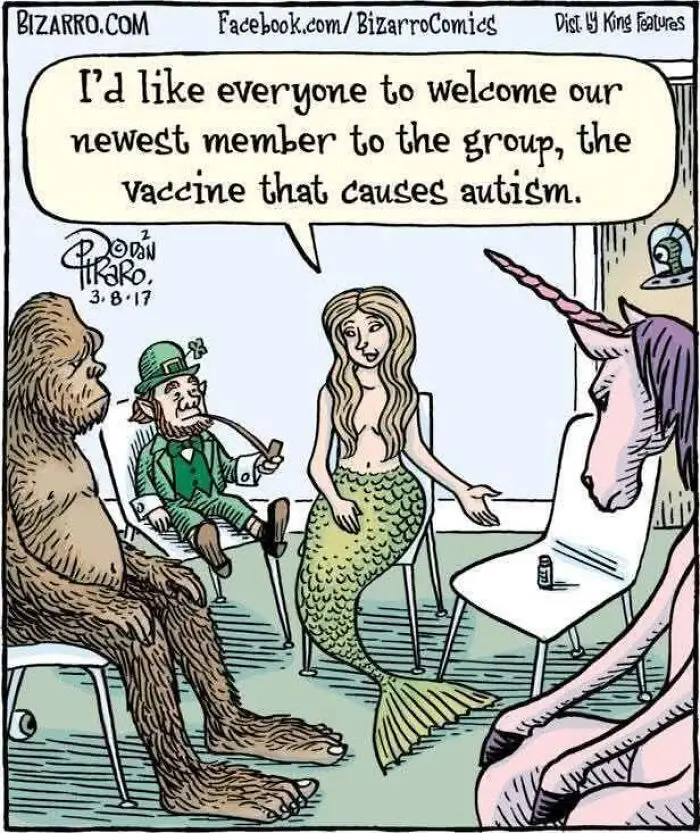
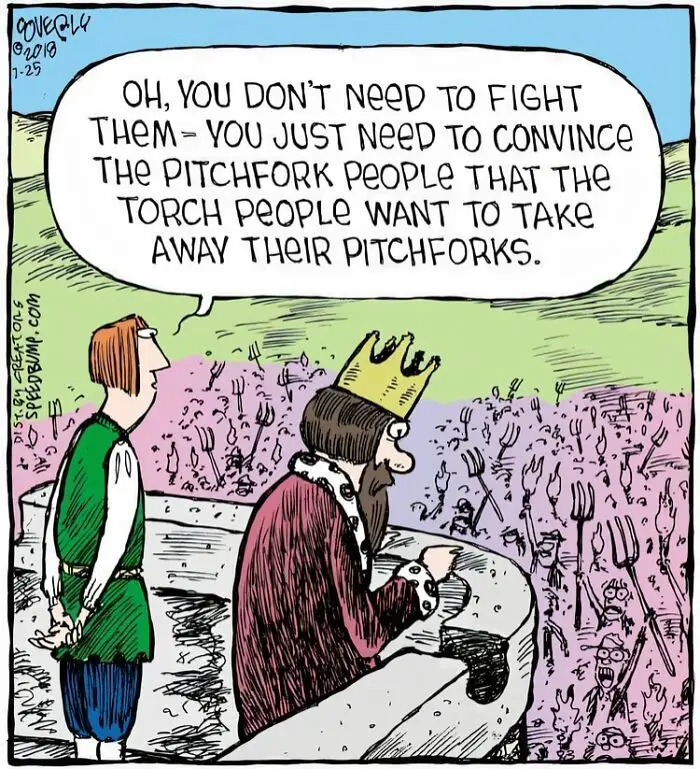
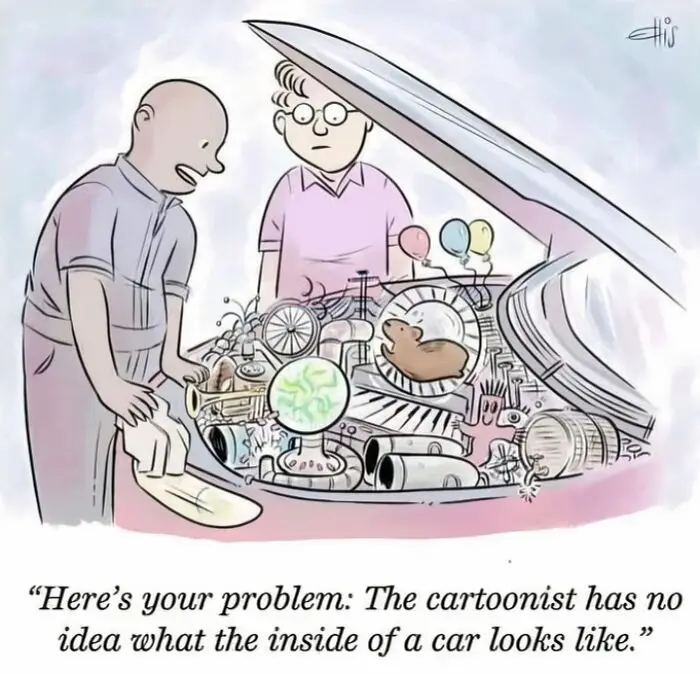
Then there is wordplay, the beating heart of the whole thing. A Substack write up on the science of dad jokes describes an analysis of hundreds of them and finds they run on a handful of simple wordplay types, such as one word carrying two meanings. Consider the classic about working at a shoe recycling shop, where the job turned out to be sole destroying.
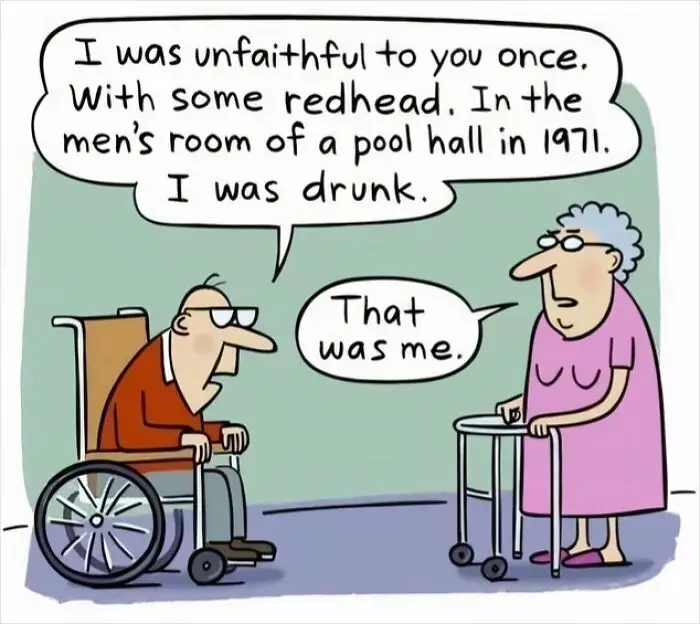
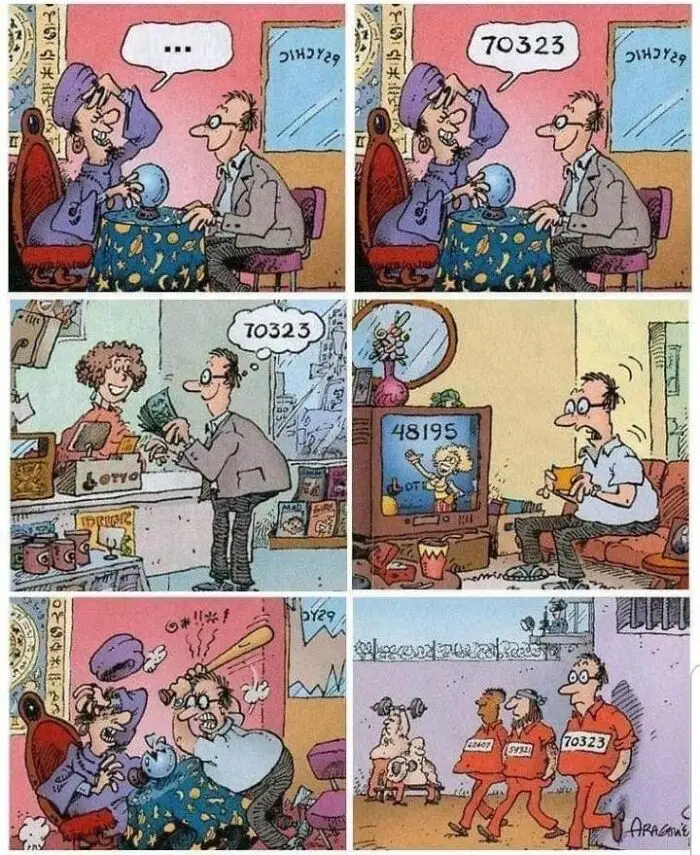
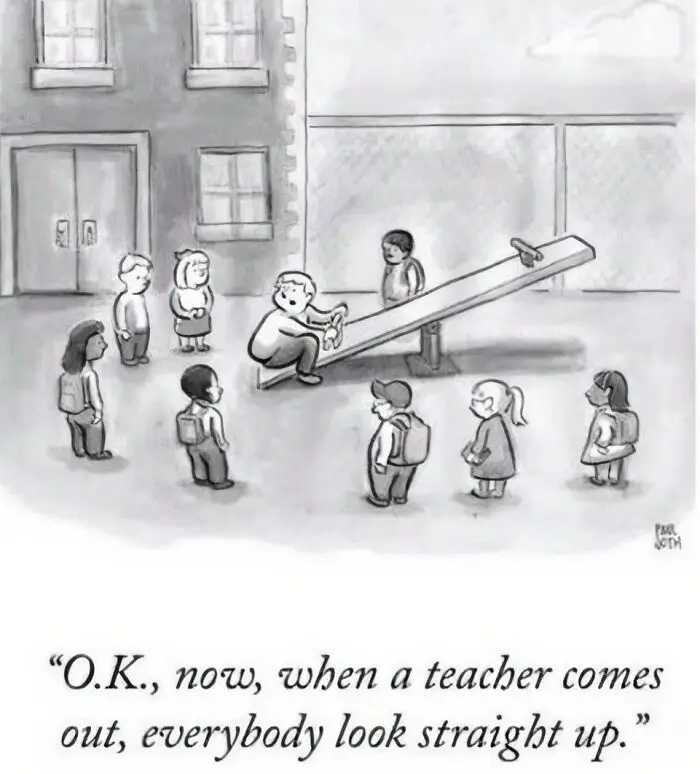
The same piece points out that these jokes invite everyone to join in rather than asking for admiration, which explains why the groan is the real applause. Psychology professor Paul Silvia even walked through the ingredients of a good dad joke in a radio interview, so somebody is taking puns seriously, and honestly they deserve it.
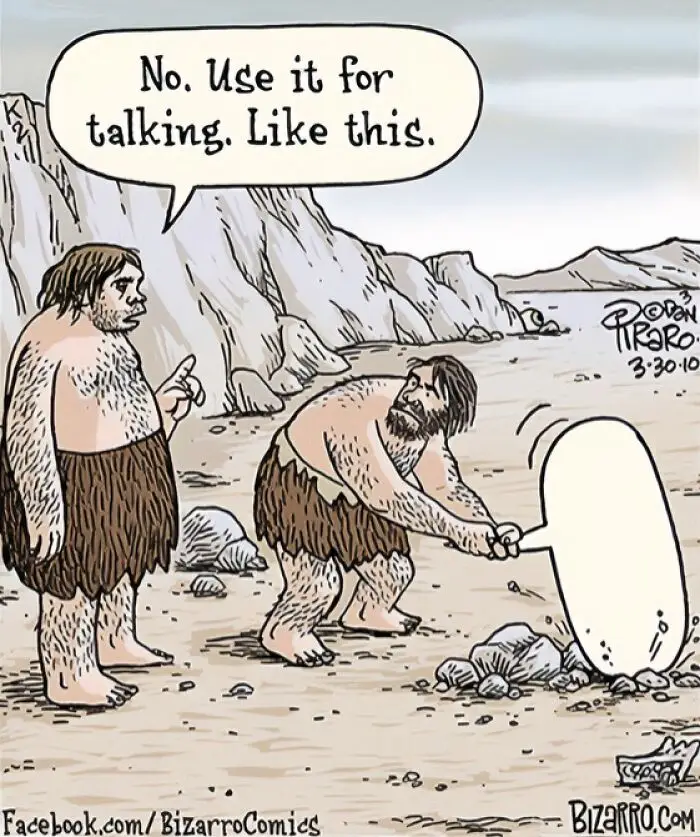
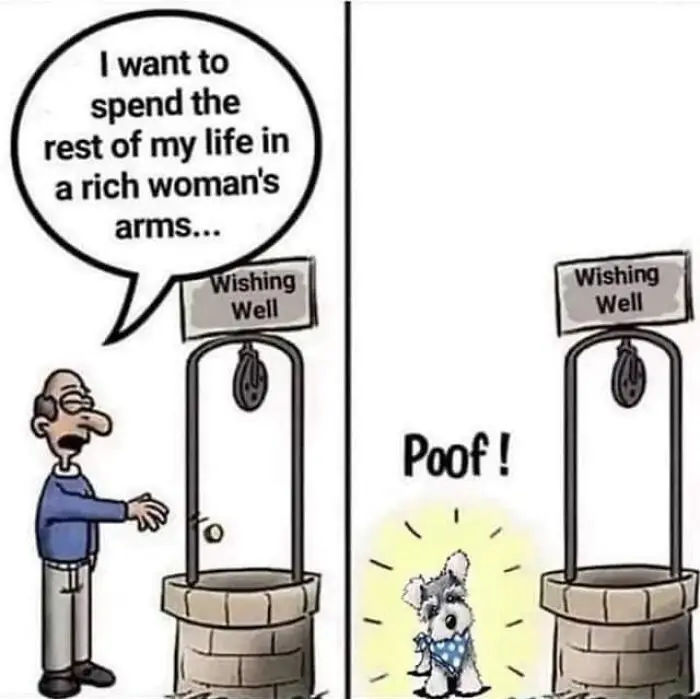
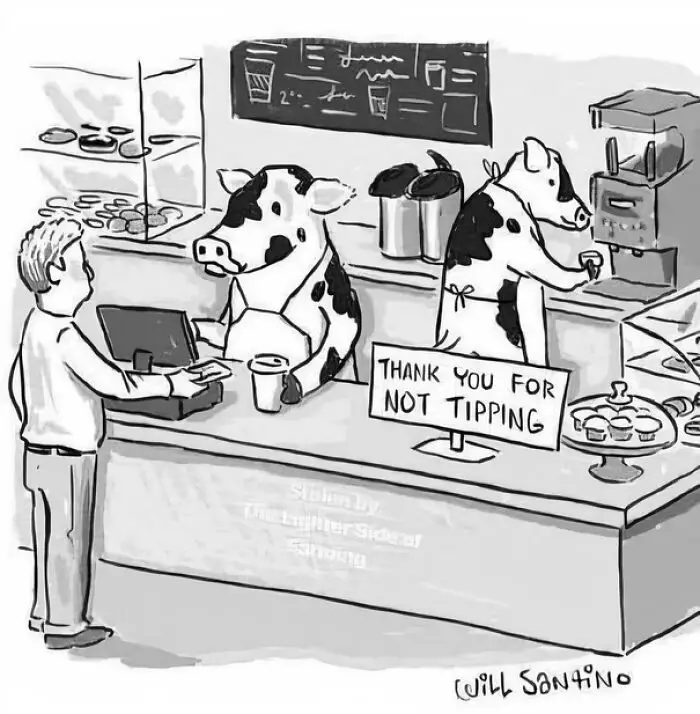
The other big pillar is laughing at getting older. Knees that crackle louder than breakfast cereal, walking into a room and forgetting why, a smartphone that seems to have opinions. Most of these jokes are aimed at the teller, which makes them land far softer than the finger pointing people expect.