


#1
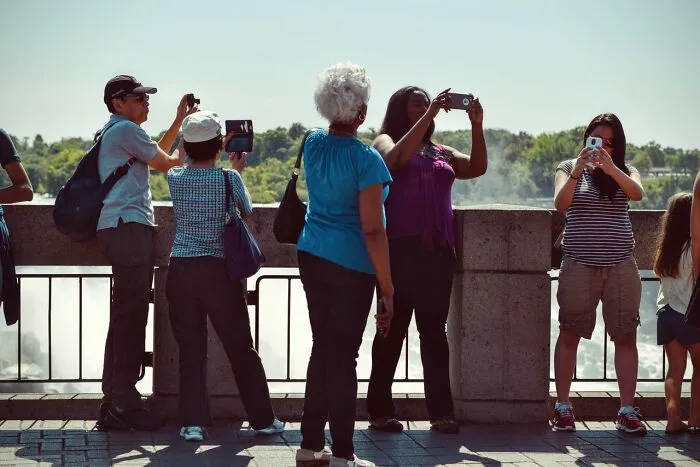
In addition to hurting the locals and their area, it hurts respectful travelers. One of my friends is super into national parks and has started carrying a trash bag with her to clean up after travelers.
tldr; don't be a jerk when you visit a place. Research the culture, don't liter and respect the space.
#2
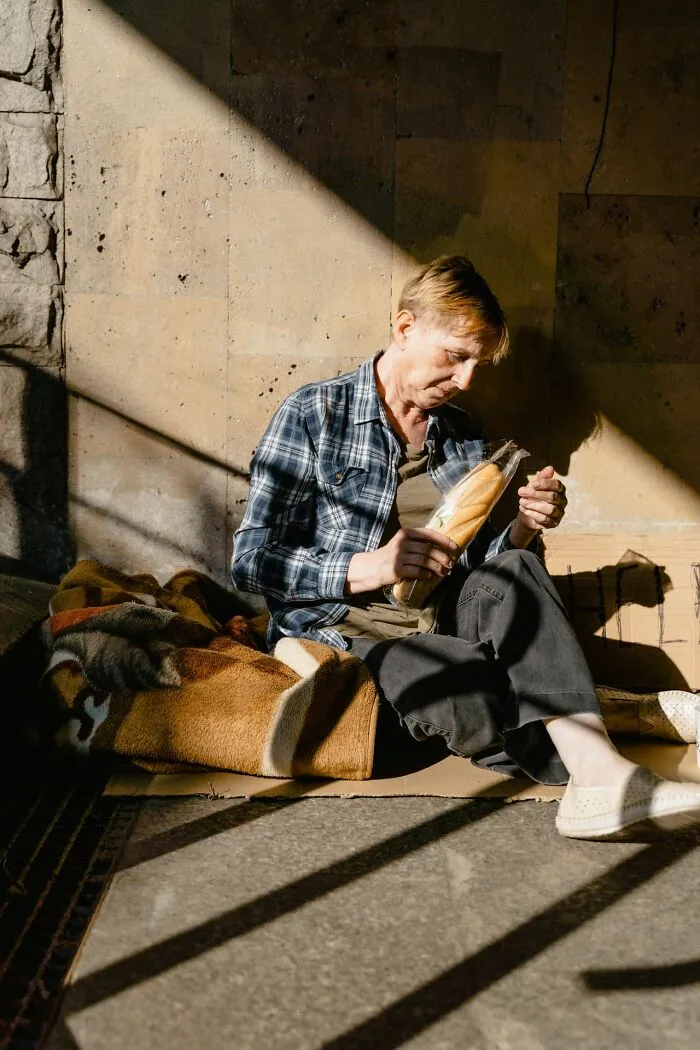
Until one day, the regional manager came and shut the whole thing down. He didn't tell us why, only to *never* do it again or we will be fired. We never questioned it and just held the resentment of Tim Hortons in our hearts, like how cheap do you have to be that you would rather have us throw away consumable food!
A few months later a homeless man came in right as we were throwing food in a garbage bag. He goes, "Ahhh it's such a pity, I used to love eating your guys doughnuts until that idiot had to ruin it." My co-worker said, "yeah that's honestly messed up, corporation greed, you know?" The homeless man gave us a weird look, he goes, "nah, that's not what happened, one of them at the shelter faked choking on a timbit and tired to sue this store, that's why they cut us off.".
#3
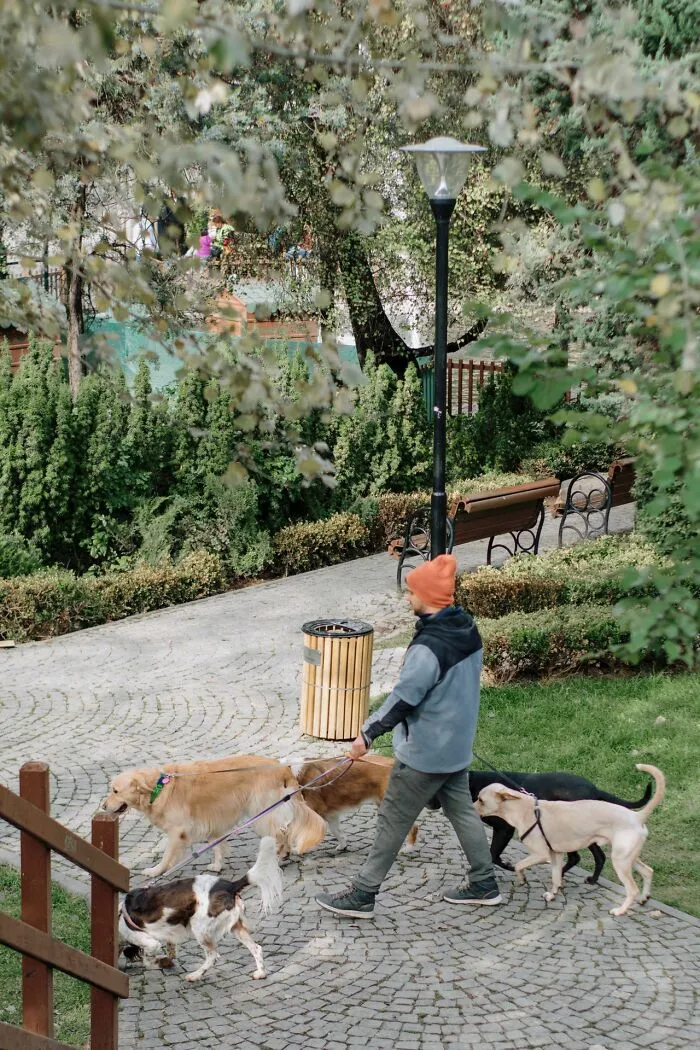
They closed it because people wouldn't pick up after their dogs. They would just leave it, despite management sending letters out.
I'm still salty about that one. Don't get a dog if you can't pick up their messes.
Cherished things can get ruined by neglect, but popularity can damage them just as much. I mean, something extraordinary that gets overused can quickly lose its original appeal and become as ordinary as anything else. Take the travel and tourism market, for instance, which has become one of the most competitive in the whole world.
According to the World Travel & Tourism Council (WTTC), this sector is expected to contribute $12 trillion to the world economy, accounting for 9.9% of global GDP in 2026. Studies show this transformation is driven by the rise of the online travel market, the growing role of travel apps and mobile bookings, and the recent impact of artificial intelligence on travel.
Obviously, overtourism affects many simple joys, such as hassle-free travel, no long lines at security, quiet beaches, or secluded hiking routes.
#4
#5
#6
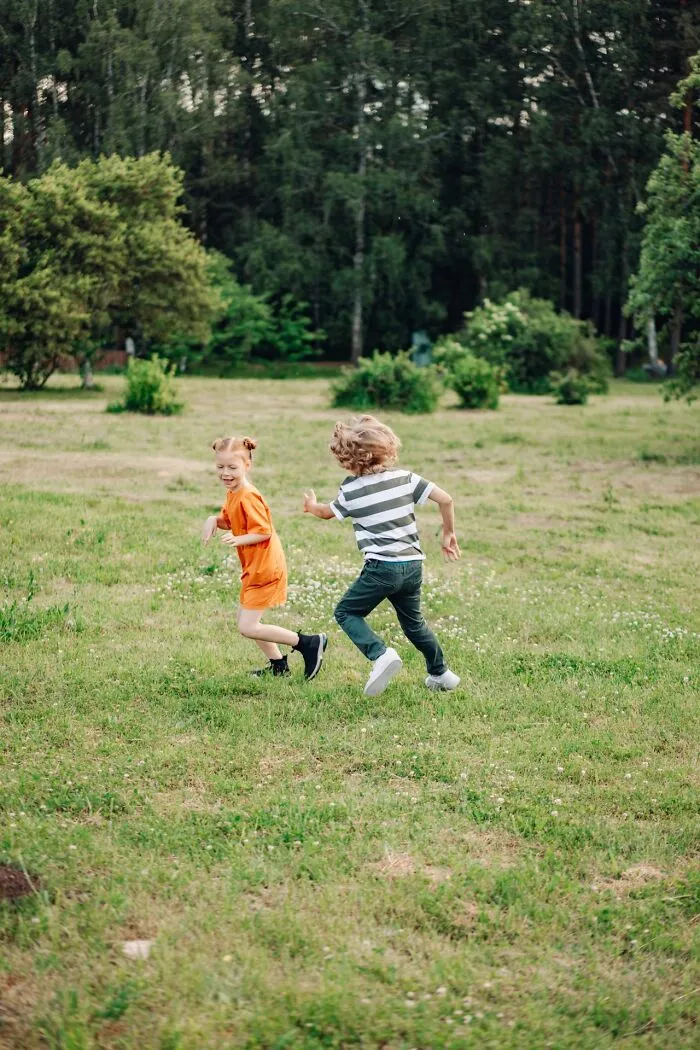
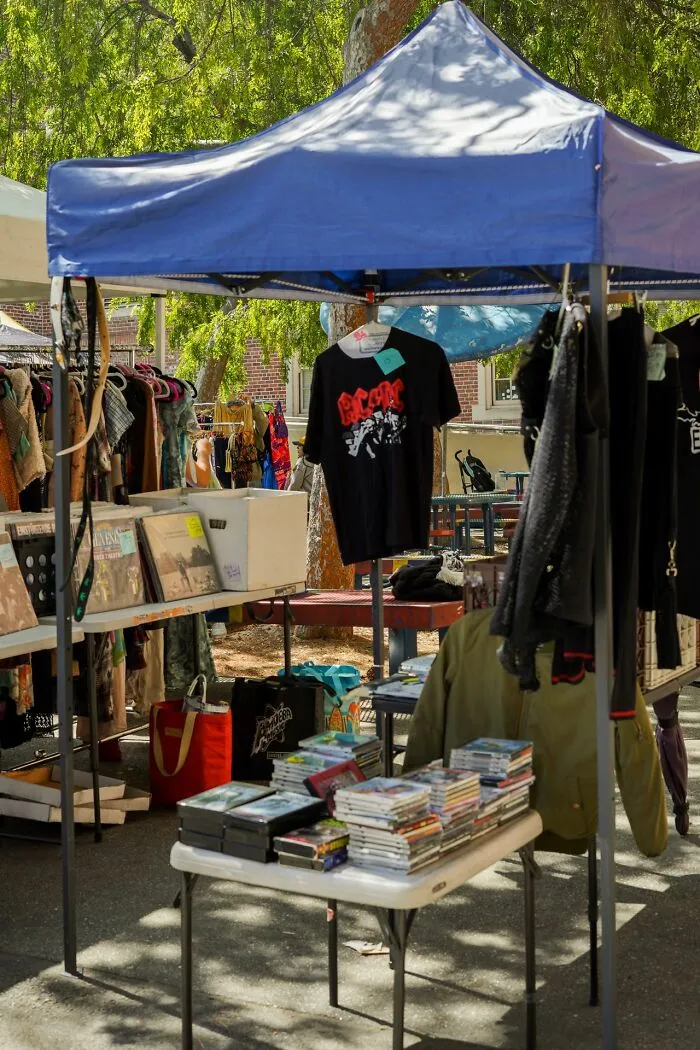
I'm not talking about formal nature preserves or national parks. These were simply open areas that businesses had not yet moved into. Kids could go there to build forts, catch bugs, and play elaborate hide and seek games. Nobody seemed to mind.
There was a patch of forest like this in my own neighborhood, up until I was about ten years old. It surrounded the back of a local baseball field.
These 30 acres included a creek where you could find salamanders in the springtime, and lots of big old hollow trees where songbirds built their nests. It was cool to go back there through each changing season. You could actually *feel* the wondrous changes taking place. I still remember the way the springtime puddles smelled, or the joy of raking up huge piles of autumn leaves to roll in. Halloween time felt extra spooky, and spring was always enchanting.
Then the land was sold to a company that wanted to build an office park. The whole place was destroyed. 18 years later, the office buildings are no more than an empty eyesore.
This same story is being replayed all across the country, and all around the world.
National parks are very important, but they offer a very different experience than "the woodlot down the street."
I see kids today in urban and suburban areas growing up with almost no access to nature. They think the outdoors are either boring or scary, because they've never had a chance to experience the beauty of unstructured play and discovery through the seasons.
I recently started up a conversation with a group of kids hanging out near the baseball field. They were amazed to hear what used to be there when I was little. It was like I was talking about a place from the world of Harry Potter.
All of them said they thought it was stupid to demolish the woods. They'd rather have a forest than an office park.
So... there may be hope.
Besides, overtourism can cause environmental damage or increase pollution, which totally snatches the true beauty of a place. Research from the University of Luxembourg states that tourism can lead to habitat destruction, biodiversity loss, increased pollution, and overuse of natural resources.
It looked at the Toulourenc Gorges in France, where the influx of visitors (rising from 51,000 to 115,000 between 2019 and 2020) has caused significant ecological damage. Nature in that area is suffering because of tourist-driven changes. It proves that capitalism and commercialization are among the biggest culprits in driving nice things into the ground.
#7

Last month I enter the gym & there’s a sign stating that they’re no longer stocking the towels because people are stealing them. WHAT. Why would anyone steal these small, scratchy towels? It’s probably the gym rats who forget to put them in the basket and now have a huge collection in their trucks. Pisses me off.
#8

Anonymous:
i thought people were over-exaggerating when they said tuition went up. i graduated not even 15 years ago, and it wasn't even $1500/semester. i looked back at my own undergrad and in-state is now $16k+/semester.
#9
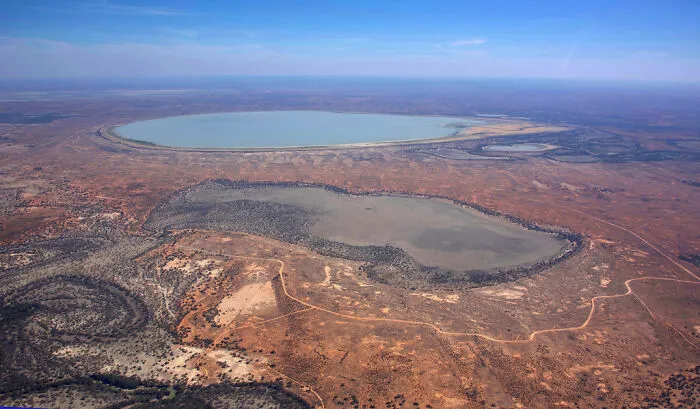
Beautiful, natural diverse ecosystems, fun people-activities, and genuinely wondrous.
Then the Australian government sold farm up-river to water-intensive overseas cotton farms and didn’t restrict their water use. The river started flowing in reverse. Menindee lakes almost never fill anymore.
This is where the Disneyfication effect comes into play, where historical places, local customs, or other entities are transformed into trivial entertainment for tourists. When these touristy spots are changed for mass appeal, they don’t really stay the same, do they?
I mean, these businesses are after money, so they pull tricks to maximize revenue. Of course, they might see a surge in their visitors. But there’s no longer the satisfaction that comes with the original thing. That’s how we often end up falling into tourist traps, and it seems like they are multiplying by the day.
#10
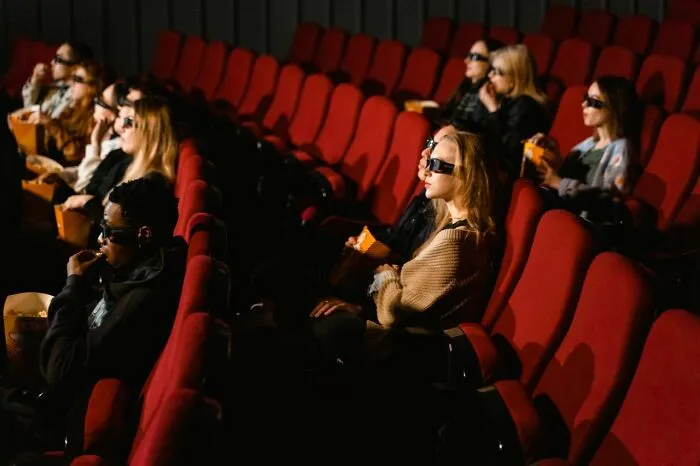
I've incorporated a projector and a screen into my man cave and never looked back.
#11

I've permanently checking the "used" button and the search results have been far better, but there's still people that keep the original box and try to sell it in like new condition for full retail.
#12
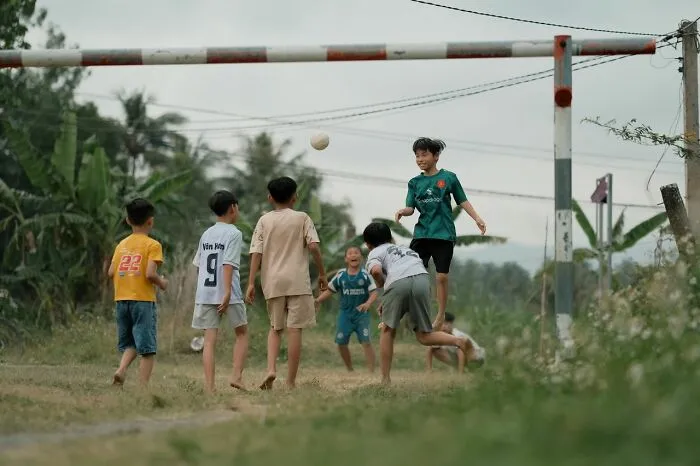
Time was you could roam around your neighborhood, ride your bike to a nearby park, explore the woods behind your house, or whatever.
On a typical summer day, you'd get kicked out of your house and told to come home when the streetlights came on.
You had freedom to roam and explore and create and play, and yes to get beat up by bullies and chased by stray dogs and maybe fall down and cut yourself.
But you were free to explore and learn and figure things out on your own, and it was awesome.
Now, we have the norm (at least in the US) that children ought to be under adult supervision every minute of every day. We take them from one supervised activity to the next, handing them off like some kind of nuclear code briefcase. Parents are afraid to leave their kid in the car while they run into the store for a few minutes because someone might call the police on them, and they can and have been charged with a crime. This is ludicrous to me, all things being equal. It's one thing to leave your kid sat in the car reading a book or playing a game on his tablet when weather is a concern; that could be neglect or a***e if it's too hot, for instance. But if it's in the shade and it's a cool 65F out and you're just picking up grandma's prescription real quick?
I just don't understand.
I don't get helicopter parenting, and how it came to be the norm, to the point parents can be charged with actual crimes for doing nothing more than letting their kid alone for a few minutes. It's just baffling to me.
Travel isn’t the only sector looking grim, as people feel education and housing aren’t what they used to be. Sadly, education has turned into a business. Research shows the US higher education market was valued at $6.84 billion in 2025 and is estimated to reach $7.62 billion in 2026.
Once something becomes a business, it runs on profit, and revenue takes priority over its original purpose, which is educating young minds. Students are treated like customers, and the admissions process becomes a marketing game for universities.
Rising admissions and textbook costs are hardly a surprise when educational institutions are after students’ money. No wonder 25% of American adults aged 18 to 39 years report having student loan debt.
#13
#14

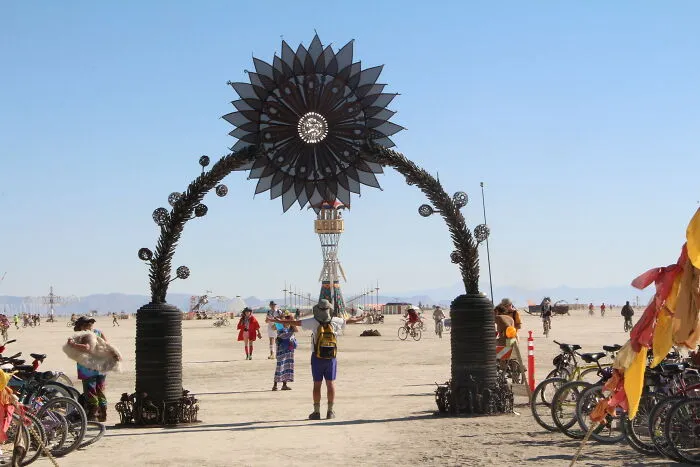
it used to be easy. now i have to choose all the squares with a car in them to prove i'm not a bot, log in with a password i forgot, get my password link sent to my email address, change my password, prove i'm not a bot again, pick seats, confirm seats, and pay an extra $20 for a convenience fee.
#15
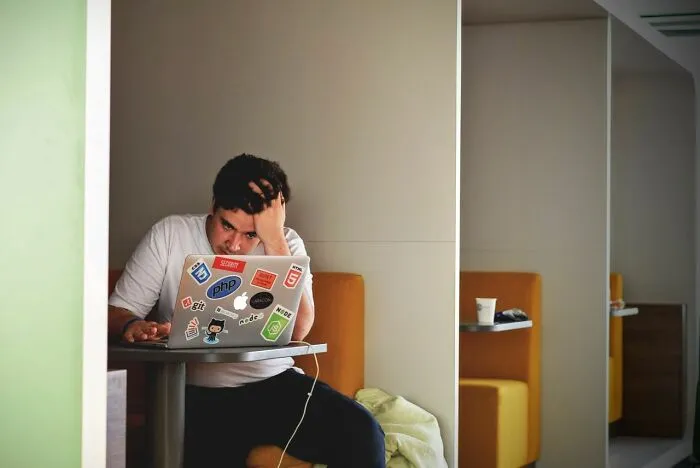
There was a couple services in the mid 2000s which were offering free, unlimited digital storage. They were forced to shut it down after a single guy uploaded 75 *TERA*bytes onto one of these services.
Housing used to be a basic human need, but it has now evolved into a global commodity. According to the Harvard Business Review, “The US is experiencing a serious housing crisis, and has been for a long time. Rent growth continues to outpace overall price inflation. Mortgage rates have been at a multi-decade high. Tens of millions of households spend more than 30% of their income on housing.”
In fact, things got so severe that a National Housing Crisis Task Force was founded in 2024. Buying a house seems like an outrageous idea for many Americans. I mean, with the increasingly exorbitant rates, you can hardly blame them.
#16
#17
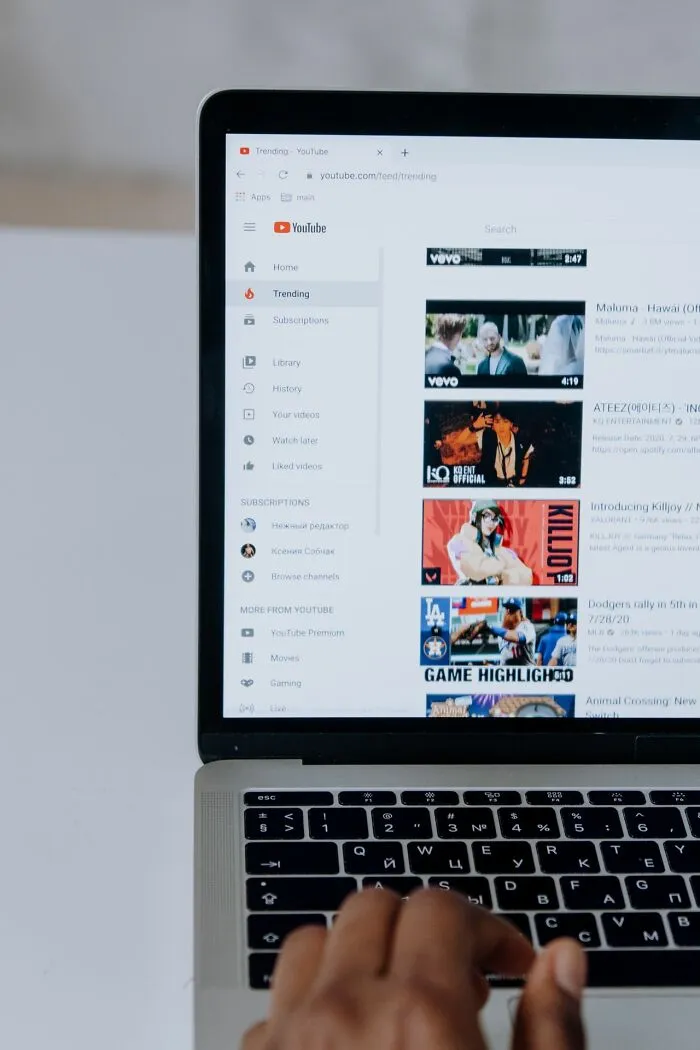
EDIT: I think I should clarify a bit more -
Tutorial/Educational videos have always been good. I'm talking about entertainment. I like the newgrounds/early youtube era where people just uploaded random videos, not professionally edited with a big team working backstage and creating merchandise and whatnot. Not to mention people like Logan Paul who are just plain horrible. Also back then videos weren't click-baity or monetized.People uploaded for fun. I guess the internet just doesn't have that wild west feeling anymore.
It's why people still remember "Ah, I can't believe you've done this" over some new well produced video(although it maybe good).
#18
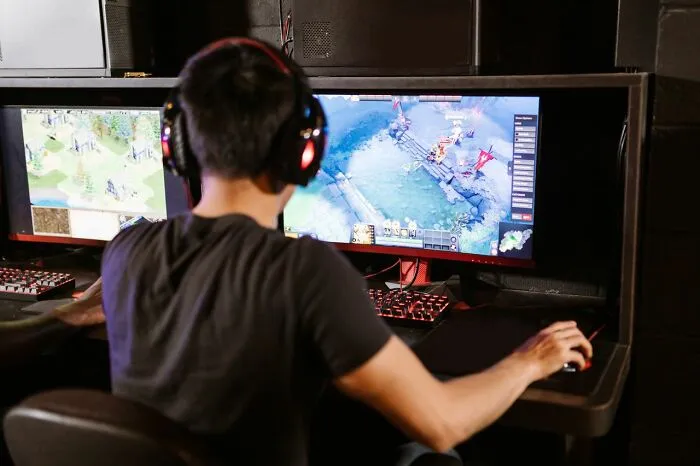
Now it's all about showing off how much money you or your parents have. Gamer mouses, keyboards, chairs, even gamer MATS. To hell with this whole 'hot gamer boi/gurl' nonsense.
People believe social media is another thing popularity has sabotaged. It was fun when Facebook or Instagram was just to stay in touch with our friends. It was optional, but now it’s inescapable. Notifications, algorithms, and FOMO have hooked millions. However, experts have raised alarms about how these apps have become destructive.
Nancy DeAngelis, Director of Behavioral Health at Jefferson Health, claims, “Social media platforms drive surges of dopamine to the brain to keep consumers coming back over and over again. The shares, likes, and comments on these platforms trigger the brain’s reward center, resulting in a high similar to the one people feel when gambling or using substances.”
#19
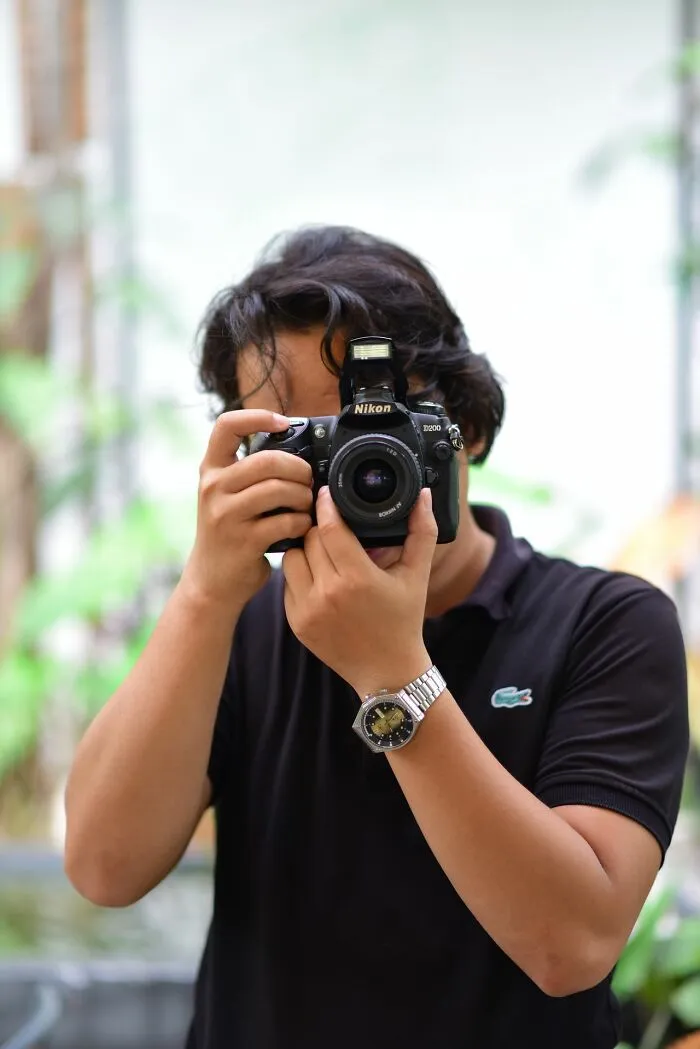
edit: I'm not saying people need to know technical side of photography! natural talent is brilliant. I mean bad photos being widely praised just because of a person's following.
#20