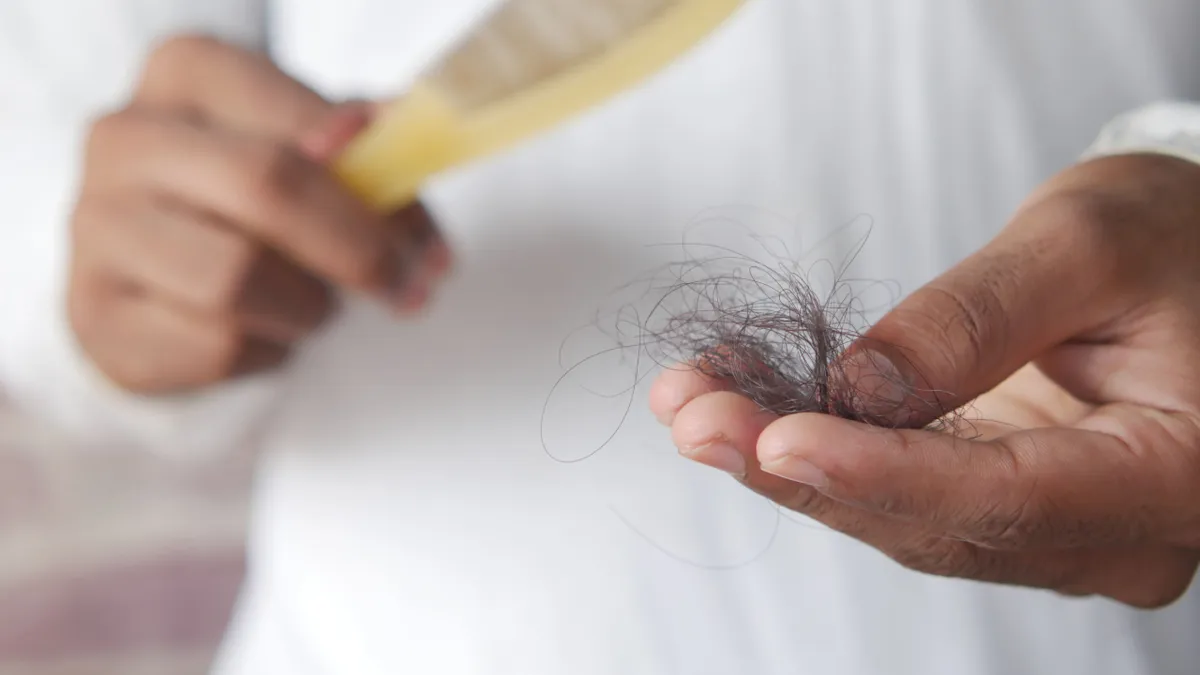
GLP-1 medications have skyrocketed in popularity over the past five years, and they quickly developed a reputation as miracle drugs. Weight seems to melt off users, and the drugs can significantly reduce a person’s risk of having an adverse cardiovascular event. Due to their hype, 15% of Americans have either taken a GLP-1 at some point or are currently using one, along with about 2% of the adult population in Europe and the UK. But there’s no such thing as a magic pill (or in this case, a magic injection). Primarily, GLP-1s are used for weight loss and managing Type 2 Diabetes. However, recently, users have reported that they’re shedding more than just pounds. After many noticed that they had lost a significant amount of hair, they began to wonder what exactly was causing this undesirable side effect. Now, experts are looking into why and when GLP-1 users are losing their locks and whether or not anything can be done to prevent it. Haberdoedas Photography / Pexels If you’re considering taking a GLP-1 but scared of the potential hair loss, there's a good chance that you have nothing to worry about. A 2026 study that found a risk of hair loss associated with GLP-1 use reported that hair loss was only present in about 7 people out of 1,000. For those who did experience it, however, most noticed their locks thinning within their first year on the drug. And the most significant losses were reported before they reached 12 months on the medication. Another recent study that found a clear correlation between GLP-1 use and hair loss noted that many patients are still satisfied with the metabolic and well-being outcomes of taking these drugs, despite the negative side effects. Tim Mossholder / Pexels (not the actual photo) The hair loss is also temporary and reversible for most patients. But the outcomes depend on exactly what type has taken place. According to researchers, the most common type of hair loss associated with GLP-1 use is telogen effluvium. This is one of the most common causes of rapid hair loss in general, and it stems from a major stressor or change to a person’s body. Once the stressor, such as rapid weight loss, goes away, the hair follicles that were affected should return to their normal growth. Meanwhile, a small number of GLP-1 users actually experience new or accelerated pattern baldness, says Lynn Petukhova, PhD, a geneticist at New York University who studies hair loss disorders. She noted that some people have a higher genetic risk for pattern baldness, which GLP-1 drugs can bring to light. Towfiqu barbhuiya / Pexels (not the actual photo) Through her research, Dr. Petukhova found that men taking GLP-1 medications will increase their risk of hair loss by 7%. “Our study provides the first genetic link between GLP-1 use and an increased risk of male-pattern hair loss from androgenetic alopecia, an association long suspected but until now not shown scientifically,” she explained. It’s also possible that some of this hair loss is caused by the hormonal changes that come from taking a GLP-1. Women make up the vast majority of patients who reported experiencing telogen effluvium, which mirrors the kind of hair loss new mothers often experience due to the hormonal changes that come after giving birth. The hair loss symptoms have not been the same for every patient, though. For example, white patients were more likely to report that their hair had been shedding or thinning. Meanwhile, Black patients tend to experience hair breakage and dryness. Towfiqu barbhuiya / Pexels (not the actual photo) Hair loss is certainly not the only adverse side effect that users of drugs like Ozempic, Mounjaro, and Wegovy have reported. As far as visible changes, many patients say they’ve experienced “Ozempic face,” or a rapid loss of fat in their face. This can lead to a hollowed or sunken-in look, along with additional wrinkles, sagging jowls, and/or a change in the size of a person’s lips, cheeks, and chin. Other common side effects include unpleasant gastrointestinal symptoms, such as nausea, vomiting, diarrhea, and constipation. Often these symptoms can be managed by staying hydrated and eating a well-planned diet. Others report experiencing headaches, nasopharyngitis, and injection site reactions. Typically, these don’t lead to a person halting their use of the drug, but they can still take a toll on the patient’s life. https://kaboompics.com/ / Pexels (not the actual photo) So what can be done to prevent hair loss? Dr. Petukhova says that if future experiments are successful, it’s possible that patients will have the ability to get screened and benchmarked for their risk of developing hair loss prior to being prescribed a GLP-1 medication. “We could also envision these findings leading to some GLP-1 users being prescribed combination treatments to prevent hair loss, such as minoxidil or some other drug,” she noted. There are also supplements that patients can take that may help reduce their risk of experiencing hair loss. By increasing their intake of Vitamin D, biotin, iron, and zinc, they may be able to combat nutrient deficiencies that cause or exacerbate hair loss. magnific / Magnific (not the actual photo) Some serums and shampoos might even be beneficial for patients with hair loss. “There’s a shampoo ingredient called ketoconazole that may be something to consider, especially if you have some underlying predisposition to androgenetic alopecia, in the context of the telogen effluvium,” Marisa Garshick, MD, a board-certified dermatologist and clinical assistant professor of dermatology at Weill Cornell Medicine, told Healthline. She explained that medicated shampoos that include ingredients like peptides and biotin can help to strengthen, volumize, and support hair while you’re waiting for it to grow back. As for GLP-1-related hair loss specifically, Dr. Garshick says that, anecdotally, a clinically studied hair loss supplement called Nutrafol has yielded success in many patients. Some also say that Viviscal and Wellbel have been helpful. But Dr. Garshick warns that nutritional supplements are not approved by the Food and Drug Administration (FDA), so patients should do plenty of research and proceed with caution before taking them. magnific / Magnific (not the actual photo) Other non-medicinal options for combating hair loss include platelet-rich plasma (PRP) and red light therapy. PRP treatment includes injecting isolated and concentrated plasma back into a person’s body. It is believed to promote healing and hair regrowth. However, studies have had mixed results. Red light therapy can also be beneficial for hair growth after months of consistent use. But doctors note that if the red light treatment stops, the additional hair growth will stop as well. There are many factors to consider when deciding whether or not a GLP-1 is right for you. For those with Type-2 Diabetes or obesity, the pros might outweigh the cons. But before starting any medication, it’s important to consult your doctor about the risks and potential side effects, as well as any concerns you may have. Losing weight can be life-changing, but losing hair can be devastating. So it’s important to have all the facts before deciding to make a drastic change to your health or body.