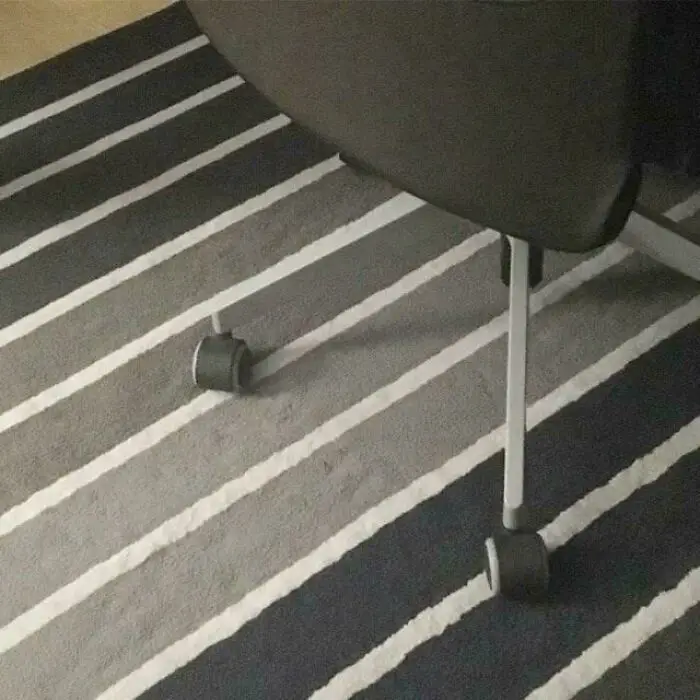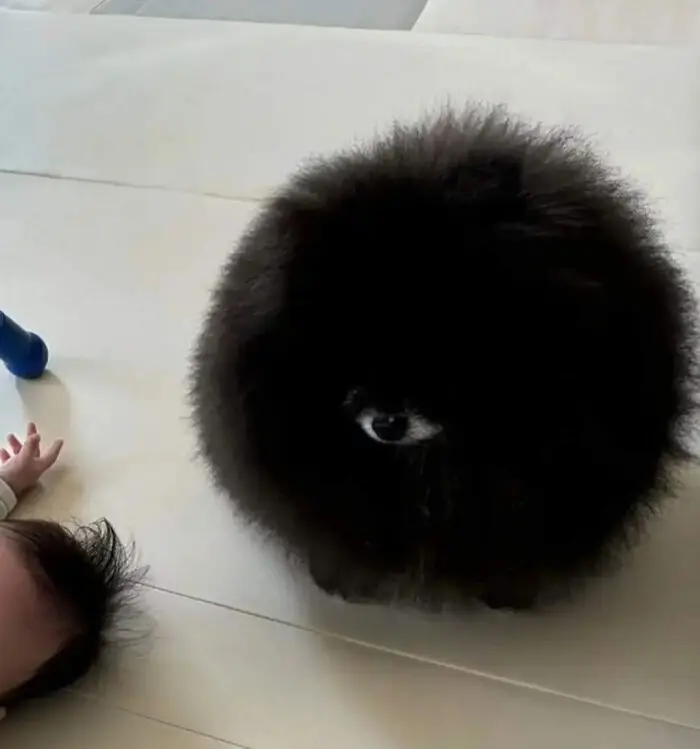




Here is the part where the optical illusions get to feel good about themselves: looking at them is actually measurably beneficial for your brain. They are, according to researchers, essentially free neurological exercise, forcing the visual cortex to slow down, question its assumptions, and rebuild its interpretation of what it's seeing from scratch.
This process boosts neuroplasticity, improves cognitive flexibility, and actively trains the brain to look more carefully rather than jumping to the first available conclusion. The broader implication is that your brain does not passively record reality like a camera. It actively constructs it, using shortcuts, assumptions, and educated guesses. Every time an illusion fools you, your brain learns something.



Your brain has been lying to you your entire life, filling in gaps, making assumptions, constructing a version of reality that is convincing enough to function but occasionally, spectacularly wrong. The images in this list are the receipts. They are proof that the most sophisticated visual processing system on the planet can be completely undone by a 16th-century painting.
And somehow, that is not a terrifying thought; it is a delightful one. Because it means that reality is stranger, richer, and more layered than it first appears, and that sometimes the most interesting thing you can do is look again. Differently. From a slightly different angle. With your phone tilted approximately thirty degrees to the left, in the hope that this time, finally, you will see the dolphin.
Which one of these images made your brain tingle a little too much? Tell us in the comments!
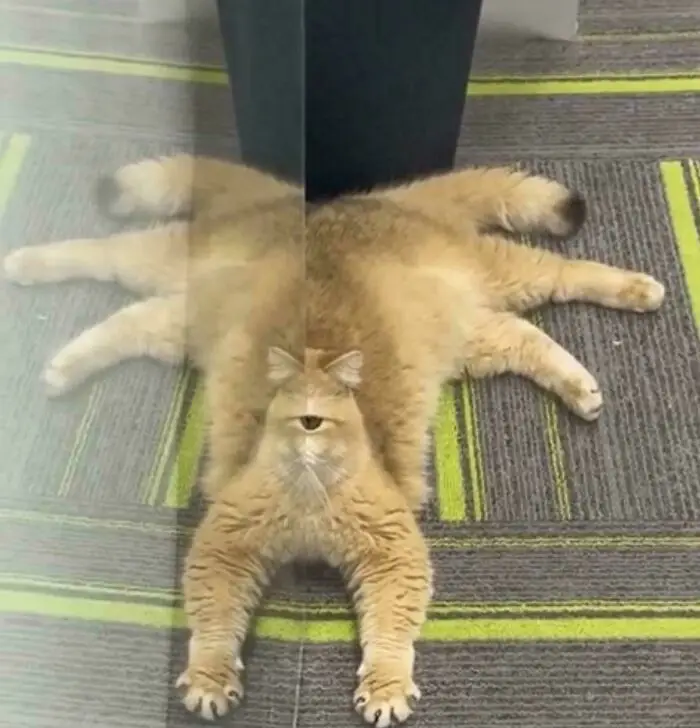
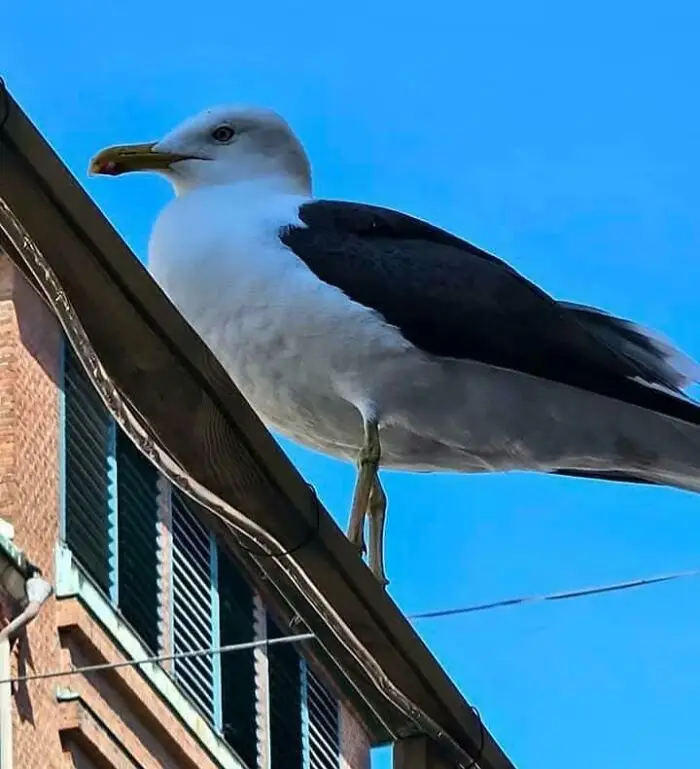



#30 This Baby Polar Bear’s Face Looks Like It Was Photoshopped To It’s Mother’s Side