

Every workplace has its quirks, which typically are endured by the folks in it. So anyone who has been in one company long enough often figures out what they can get away with and how to avoid the worst parts.
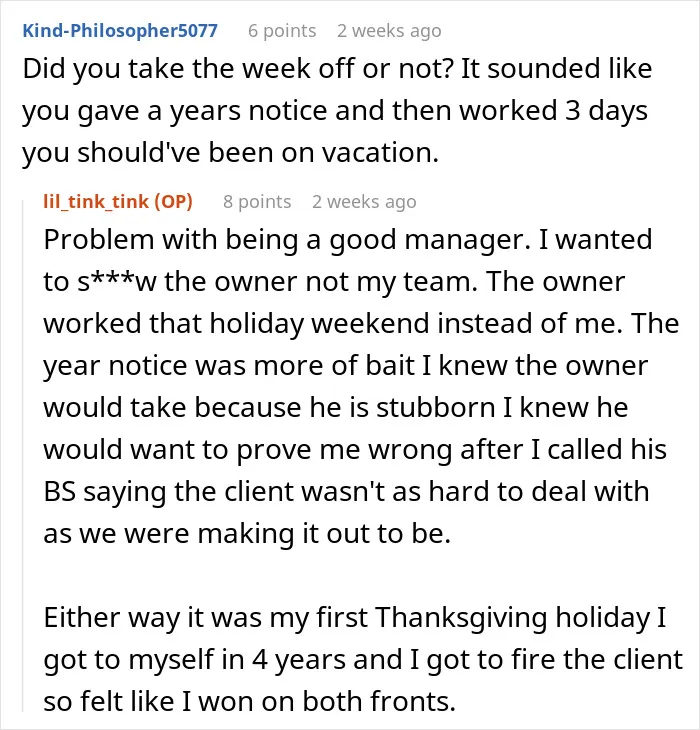
A netizen went online to share their rather necessary bit of malicious compliance after they decided to take a vacation on Thanksgiving. As it turns out, their work always had a large order to fill on Thanksgiving and this netizen would often be the one to just work over the holidays. So they finally gave notice, a year in advance, of taking time off and chaos ensued.
Poor management often won’t fix things even if they have ample time to do so

Which is why one employee decided to give their vacation notice a year in advance
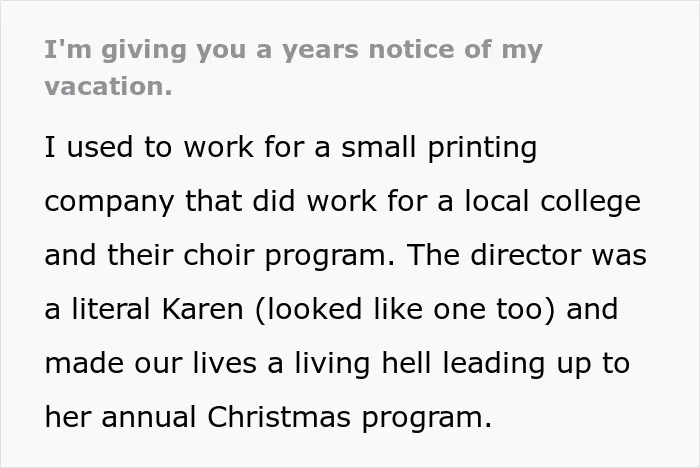
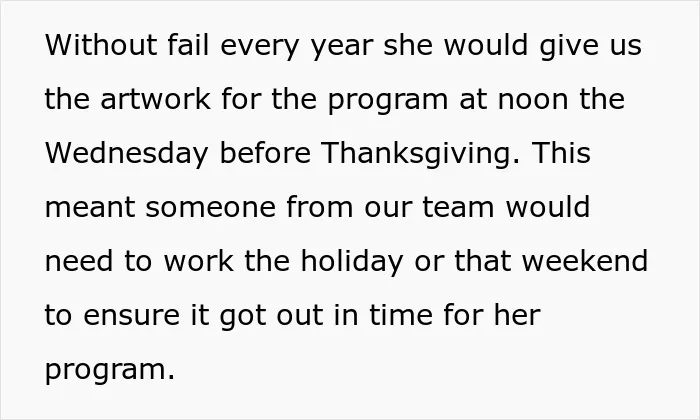
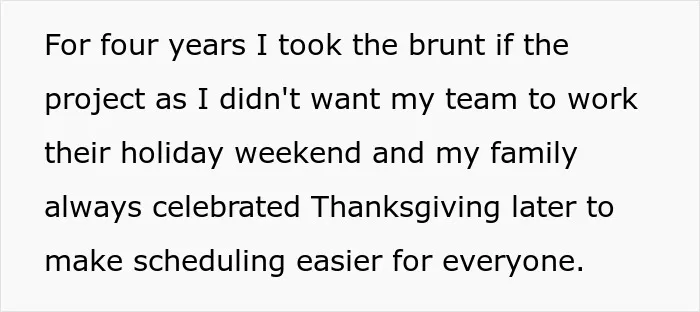
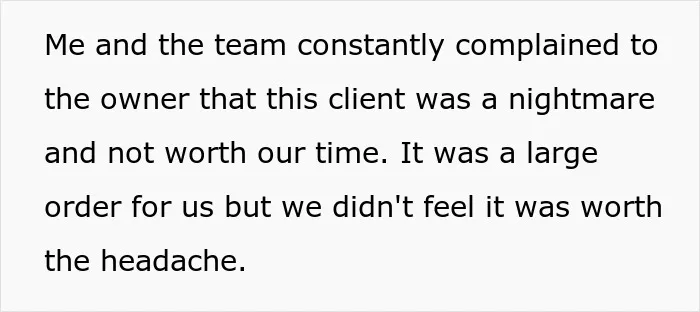


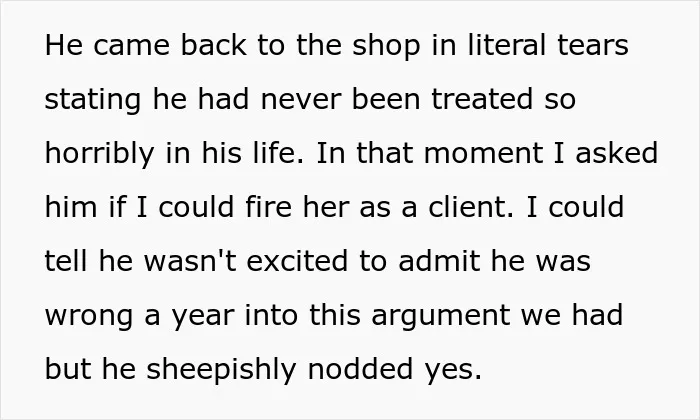
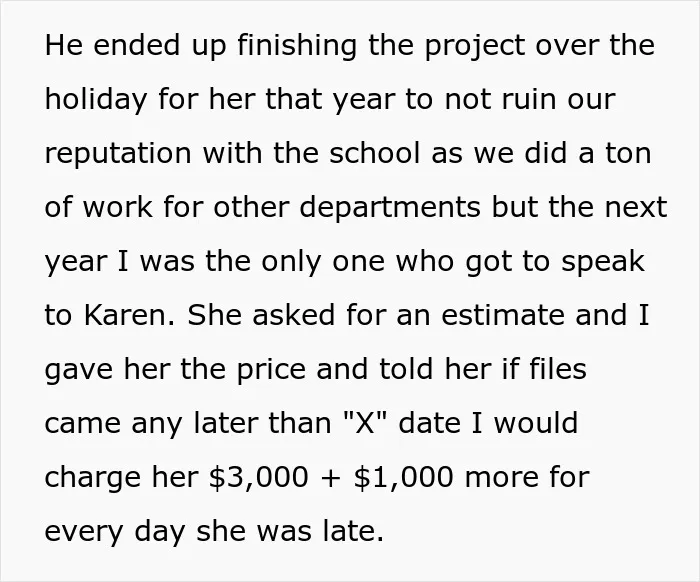
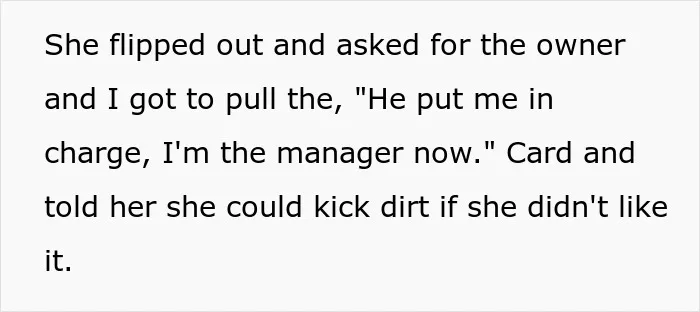
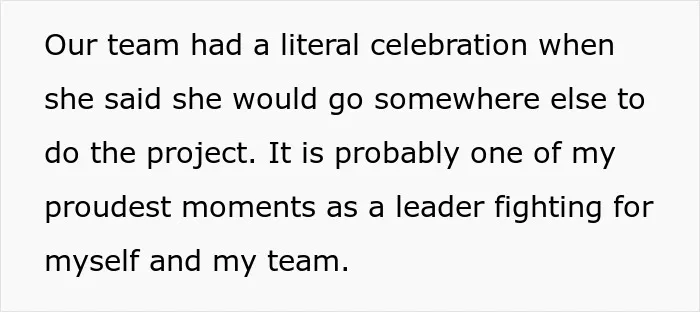
Some companies only run because of a handful of hardworking employees
Anyone who has held a job for long enough can spot the pattern in this story right away. A client creates a crunch at the worst possible moment, one dependable person absorbs the damage year after year, and the owner waves away every complaint because the order looks great on paper. Nothing about it is dramatic. It is a slow grind, which is exactly why it feels so familiar and why a calm response to it feels so satisfying.
The owner's insistence that the client was not that bad is the hinge of the whole story. Gallup research found that managers account for at least 70 percent of the variance in team engagement, which helps explain why one dismissive sentence from the person in charge can outweigh any perk or pizza party. When a recurring problem gets treated as no problem, a team learns that speaking up changes nothing, and that lesson tends to do more harm over time than any single lost weekend.
There is also a cost that rarely shows up on a spreadsheet. An analysis in MIT Sloan Management Review found that a toxic culture was more than ten times as strong a predictor of people leaving, compared to pay, with disrespect among the main ingredients. Here, the owner was willing to risk a loyal manager and a worn out team to keep a difficult account. A big order is easy to count, while goodwill is much harder to measure, which is how it gets spent without anyone noticing.
Sometimes consequences are the only way to learn
It is worth being precise about what happened next, because it is not quite textbook malicious compliance. The usual definition involves following orders strictly to the letter while ignoring their spirit. Here, nothing was sabotaged. The poster simply accepted the owner's own argument at full value. If the project is easy, then a year of notice is plenty. That makes it closer to a mirror than a trick, and the owner's words did the heavy lifting. The same article admits there is no universally agreed definition, so the label gets stretched to cover plenty of workplace tales like this one, and readers are usually happy to let it.
So why does it land so well? Psychologists have offered a few explanations, and one is a basic appetite for fairness. In a small study presented by researchers at the University of Bern, people whose belief in a fair world had been threatened spent more time reading stories about other people's failures. A story where a dismissive boss gets a taste of his own reasoning gives readers a quick, safe way to feel the scales have balanced. Because the poster stayed calm and never insulted anyone, the payoff also feels clean, which matters more than it might seem.
That last point connects to research on revenge. A study led by Mario Gollwitzer found that people tend to condemn revenge in principle yet enjoy stories where a wronged person gets it. Avengers who seemed satisfied were even rated as more competent than those who felt bad about it. Malicious compliance stories sit in a comfortable middle ground, since the hero technically did nothing wrong and nobody was harmed. Readers get the satisfaction without the guilt.
Of course, the approach has limits. Deliberate literalism can strain trust and hurt morale, even when it is technically allowed. The story avoids that trap in a few ways. The poster still worked the days leading up to the holiday to protect the team, gave the owner a full year of warning, and eventually ended with a clear price list and a firm deadline, which is simply ordinary boundary setting. The most striking moment may be the owner returning from the client meeting and finally understanding the problem firsthand.
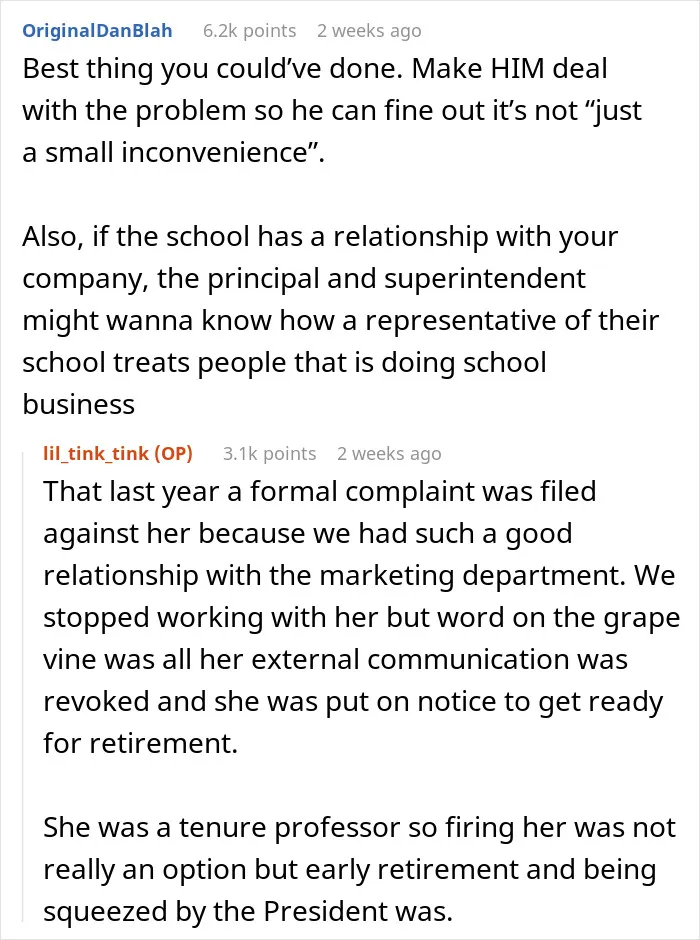
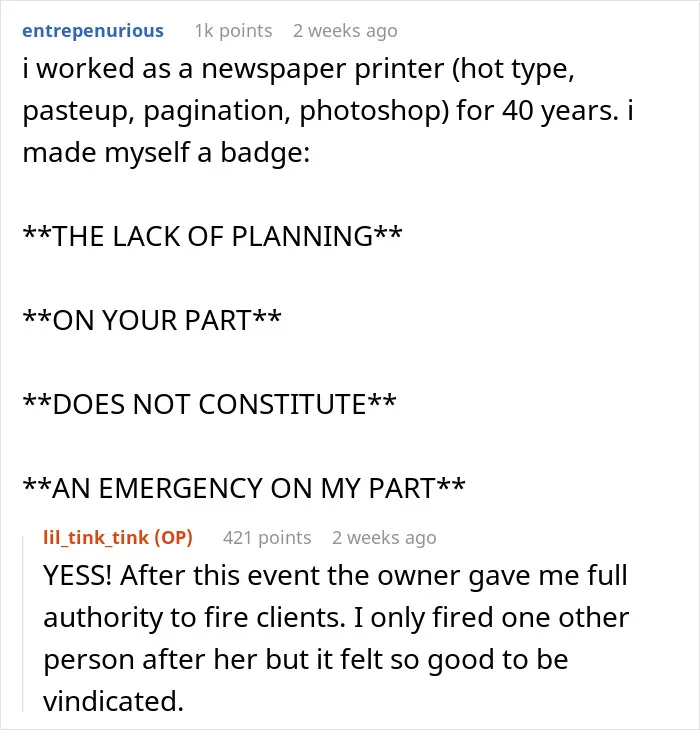
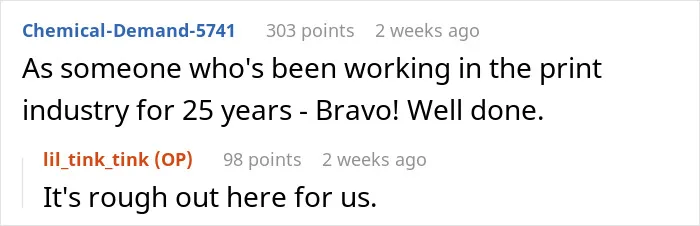
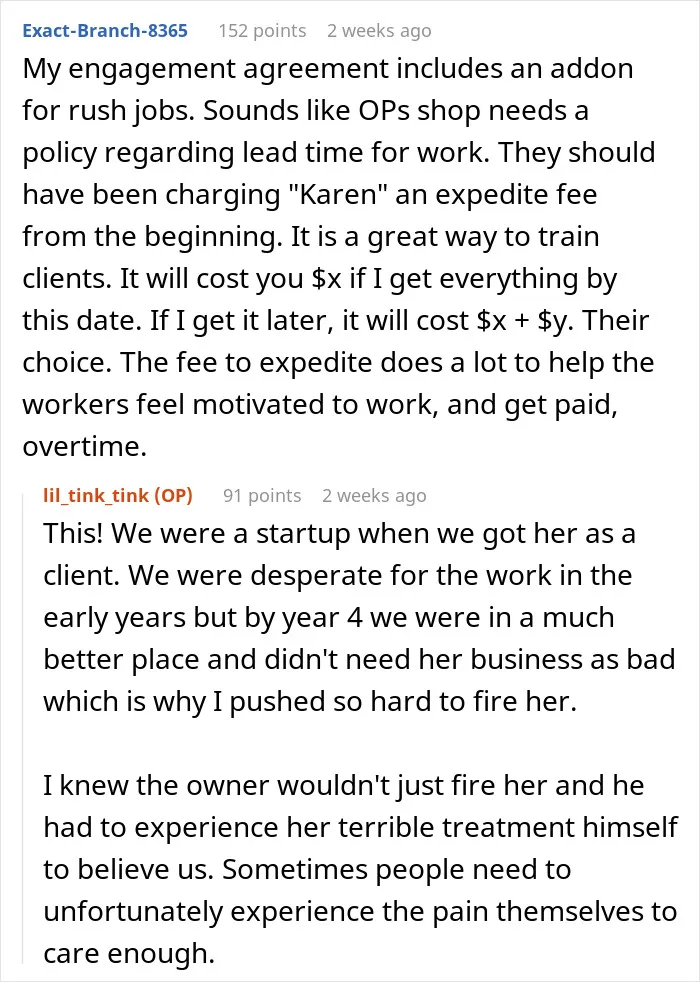
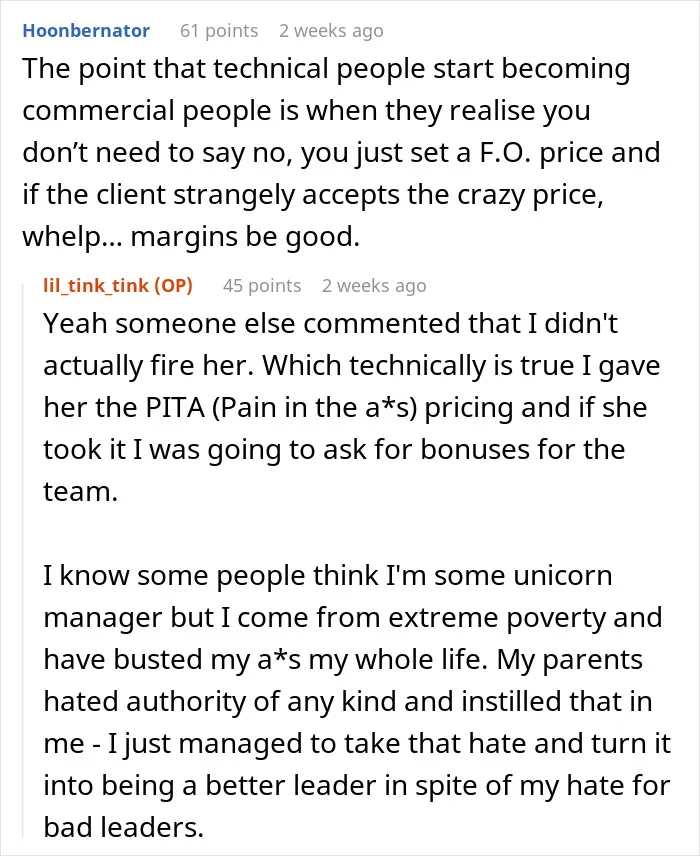
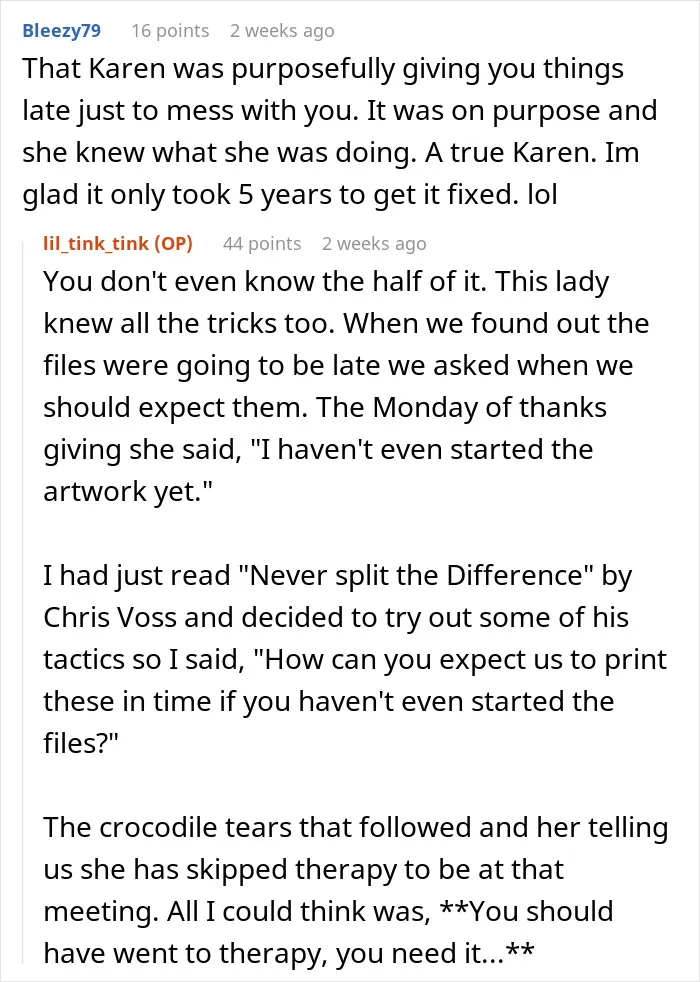
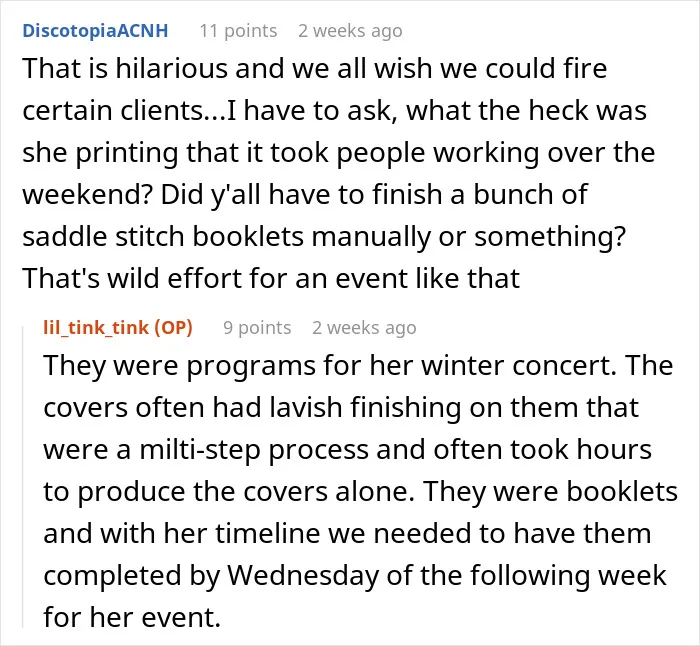
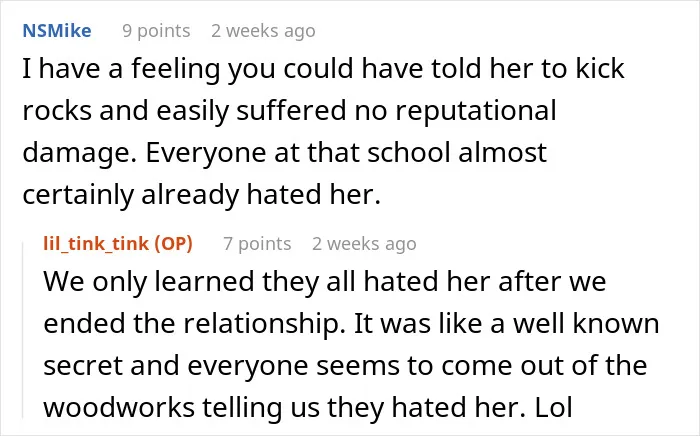
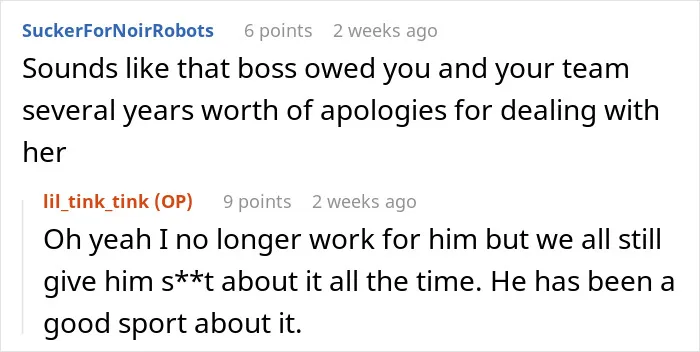
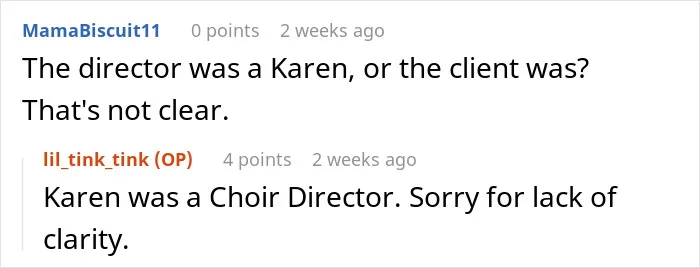
They gave some more details in the comments