This post may include affiliate links.
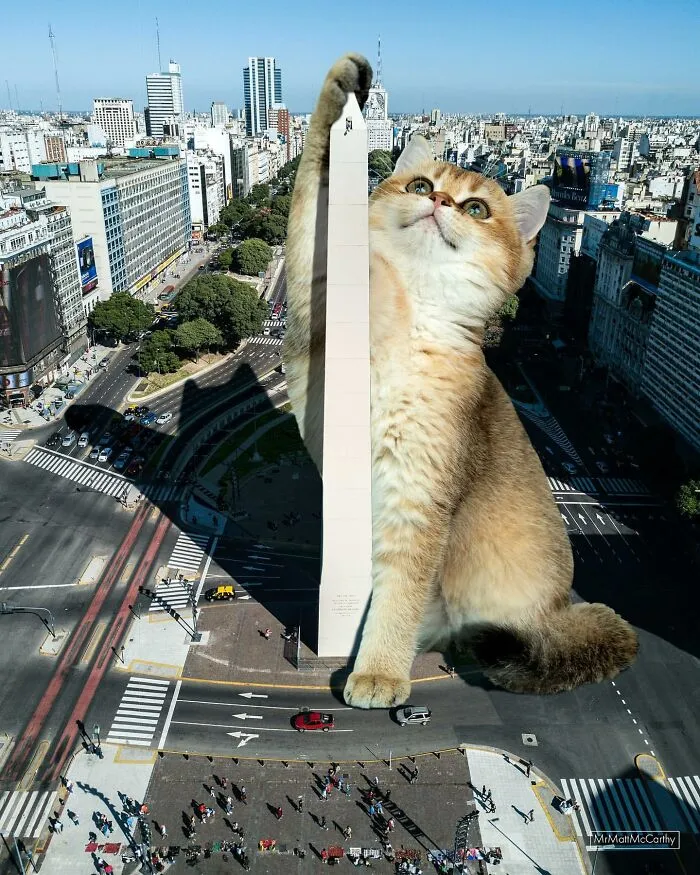
Since Matt is so good at what he does, naturally, we wanted to find out whether the digital artist was self-taught or had someone help him learn the intricacies of the software.
“I taught myself Photoshop through tutorials and practice. I previously used Photoshop as a drawing tool for my illustration work, so there was a shift in skills when I started using it to make manipulations. I was drawn to digital collage because while I’d made paper collages in the past, I felt there were limitations to what I could create. Photoshop allowed me to bring the ideas I had in my head to life, and it’s become an indispensable tool.”
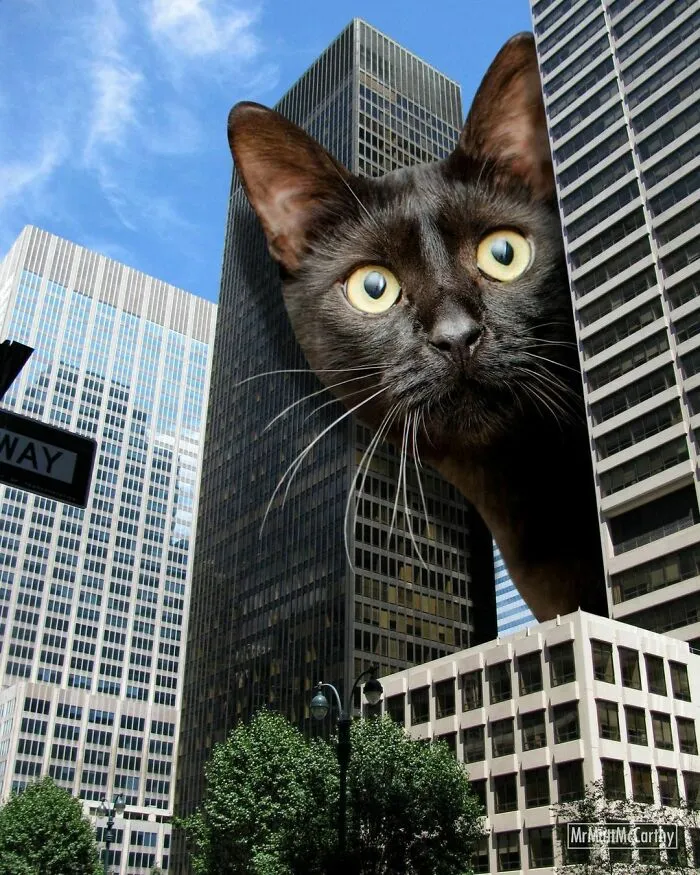
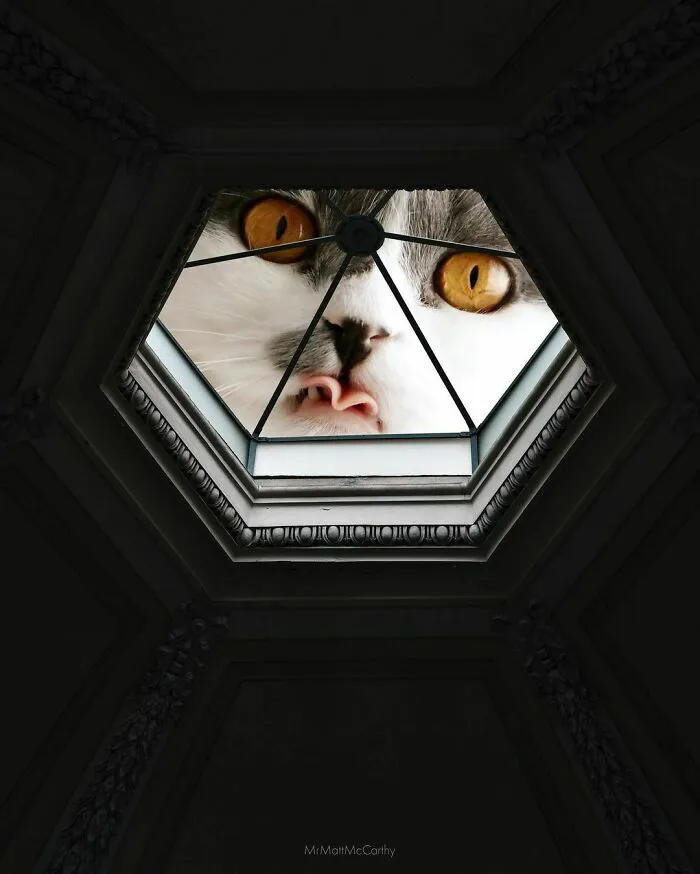
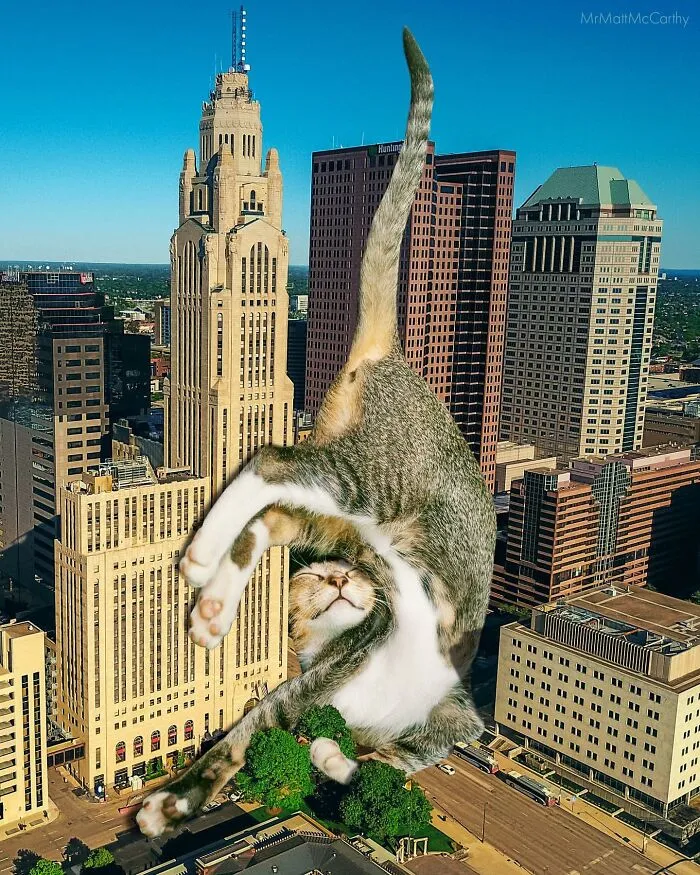
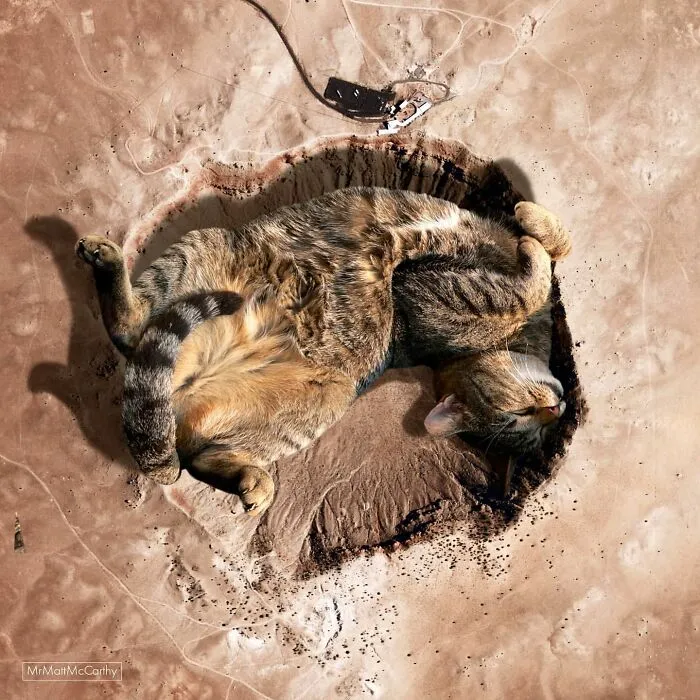
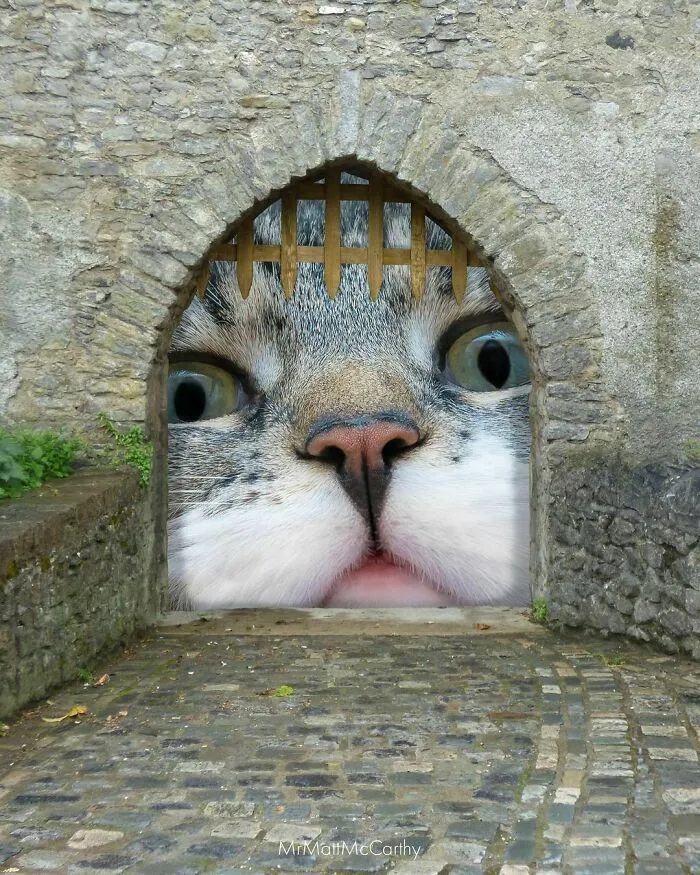
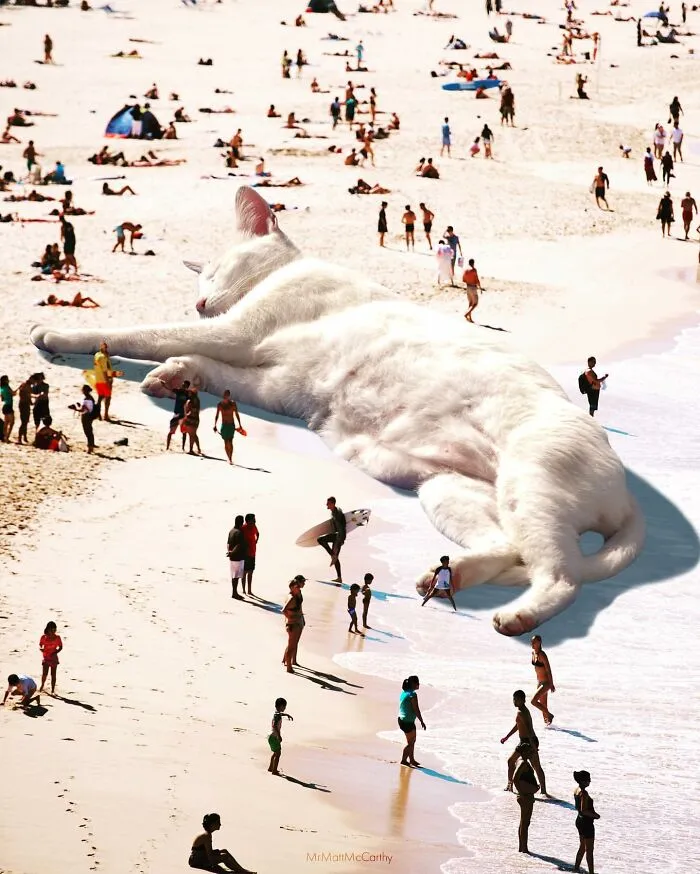
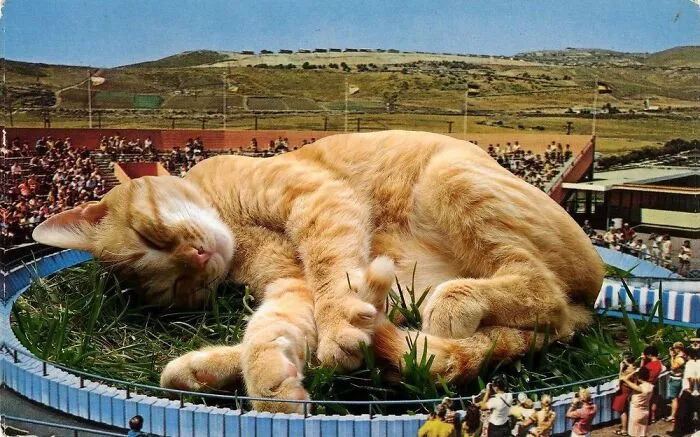
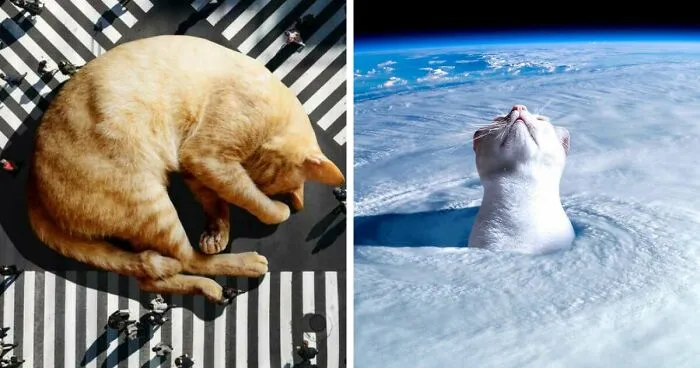
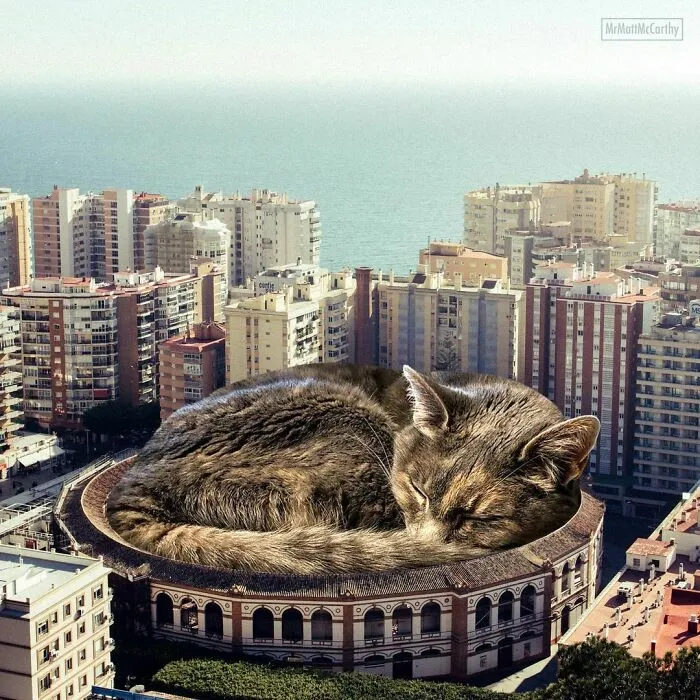
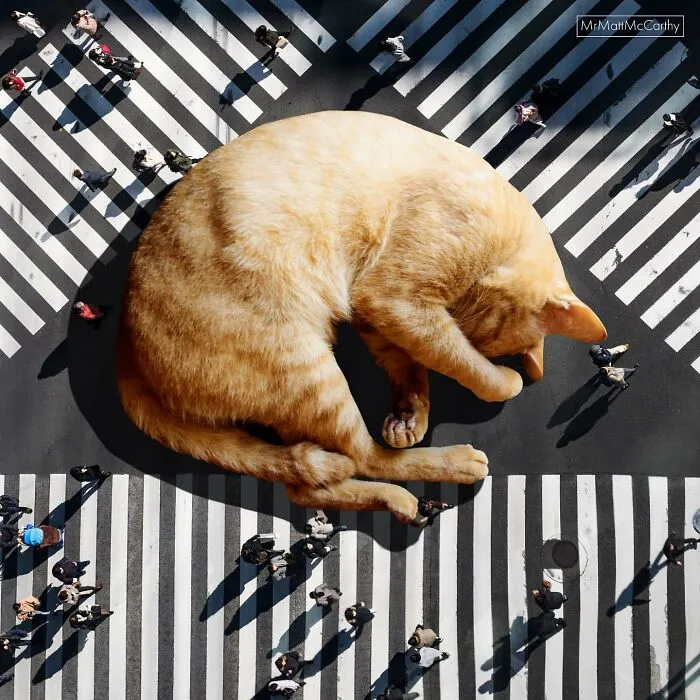
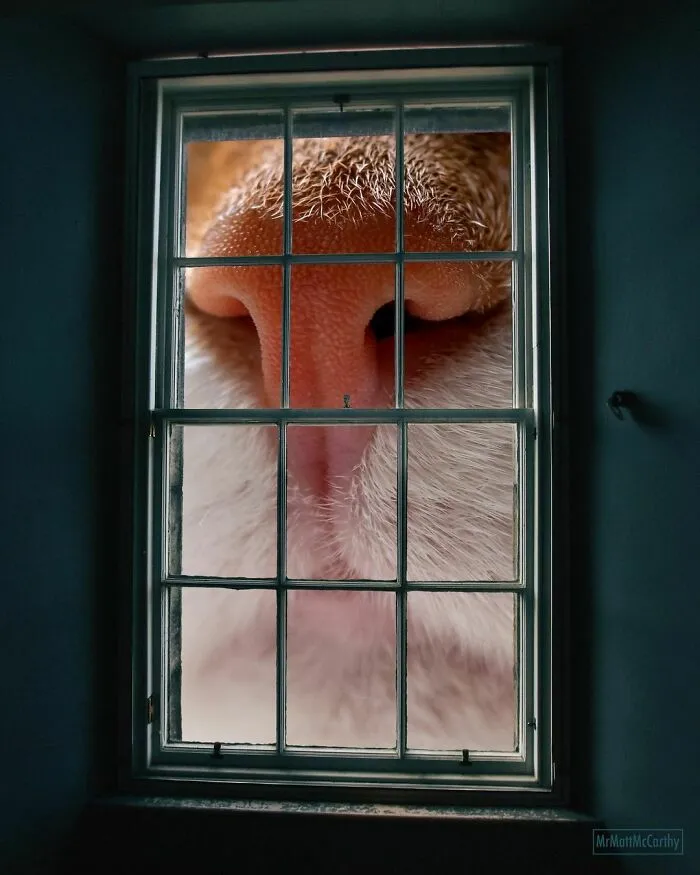
Though McCarthy’s cat collages are hilarious, Matt says that the time to make one cat edit varies wildly.
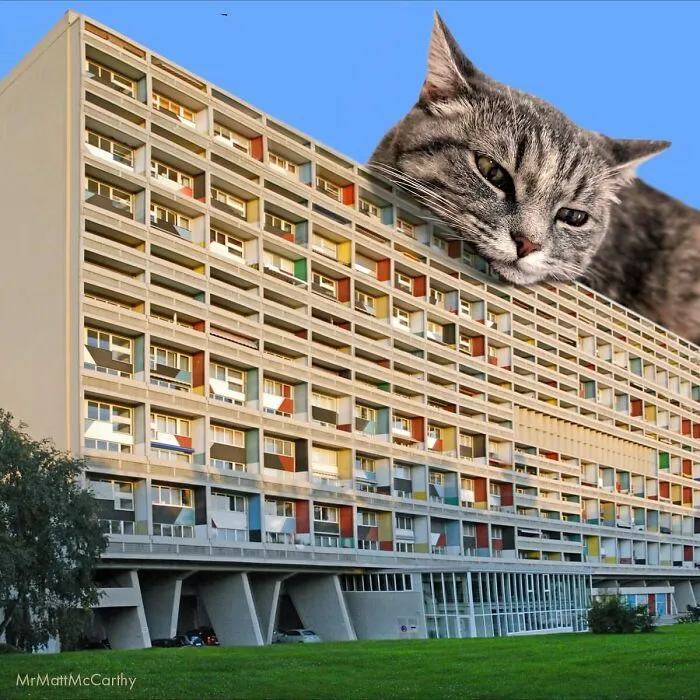
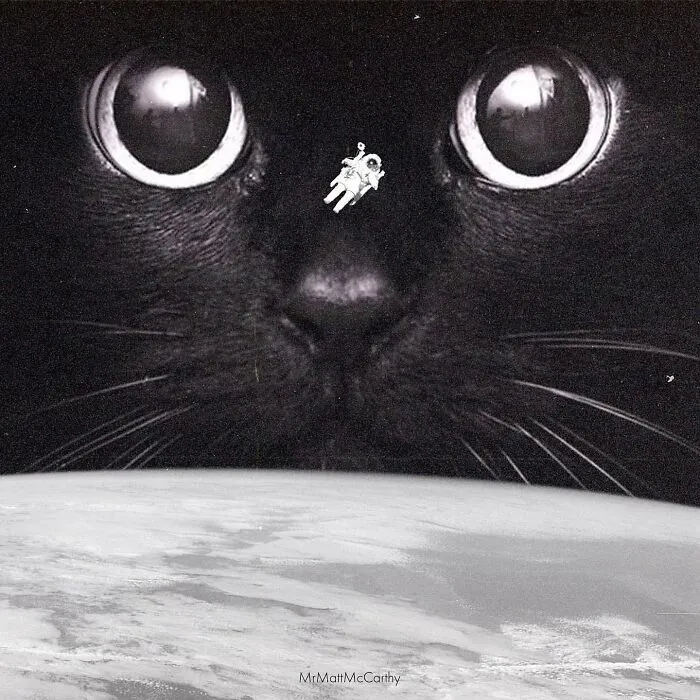
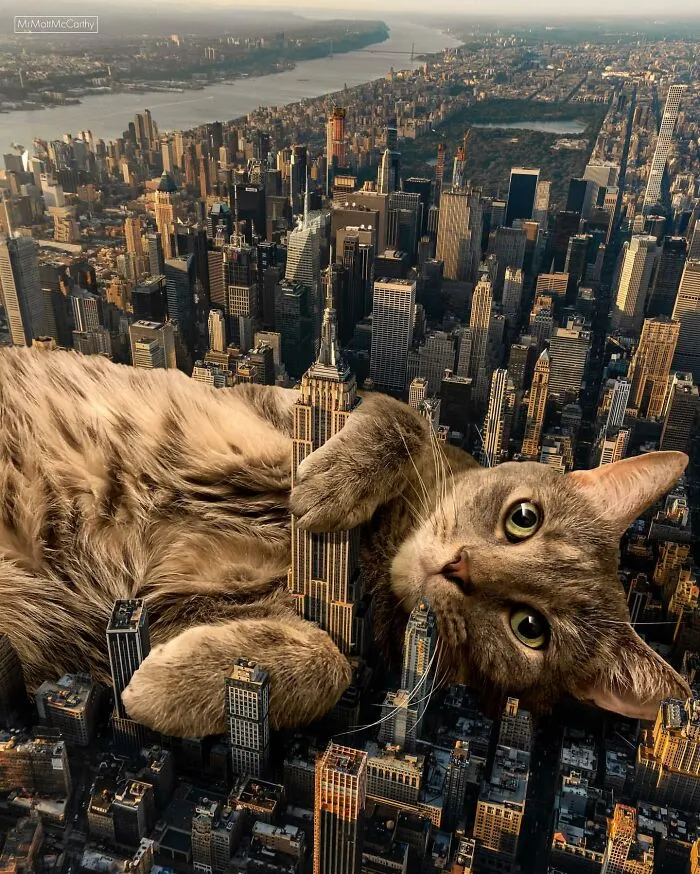
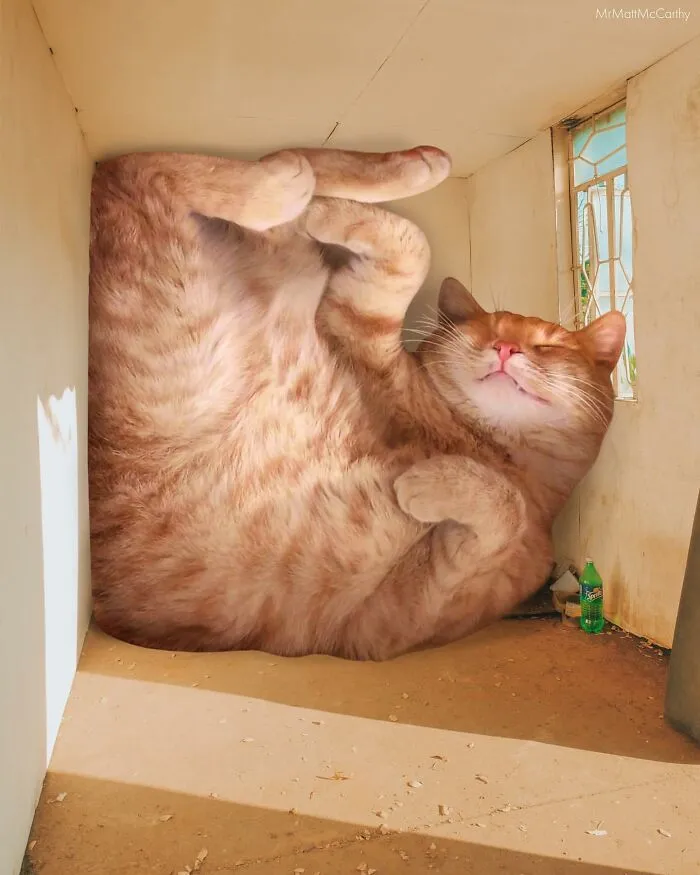
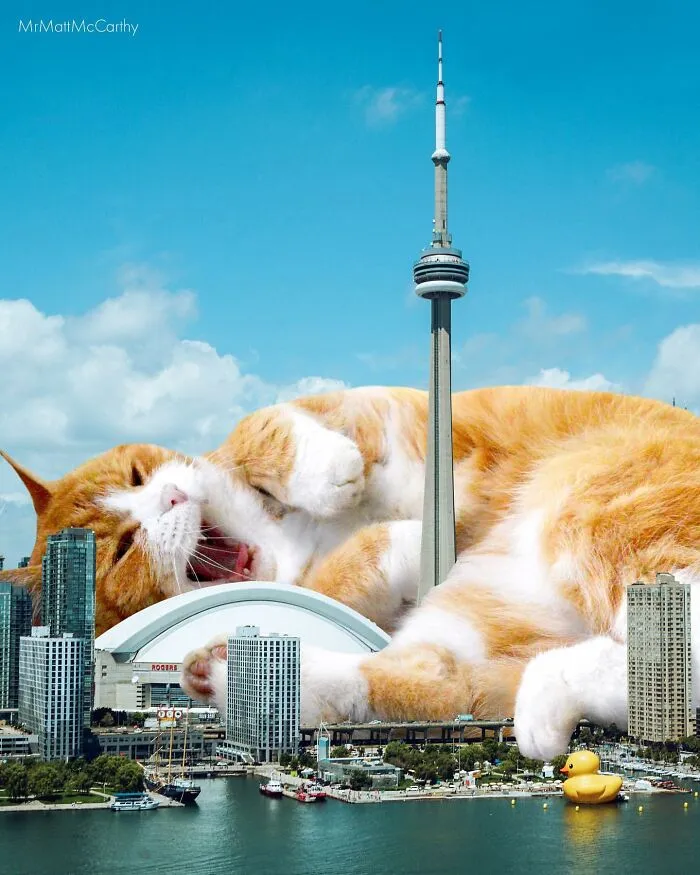
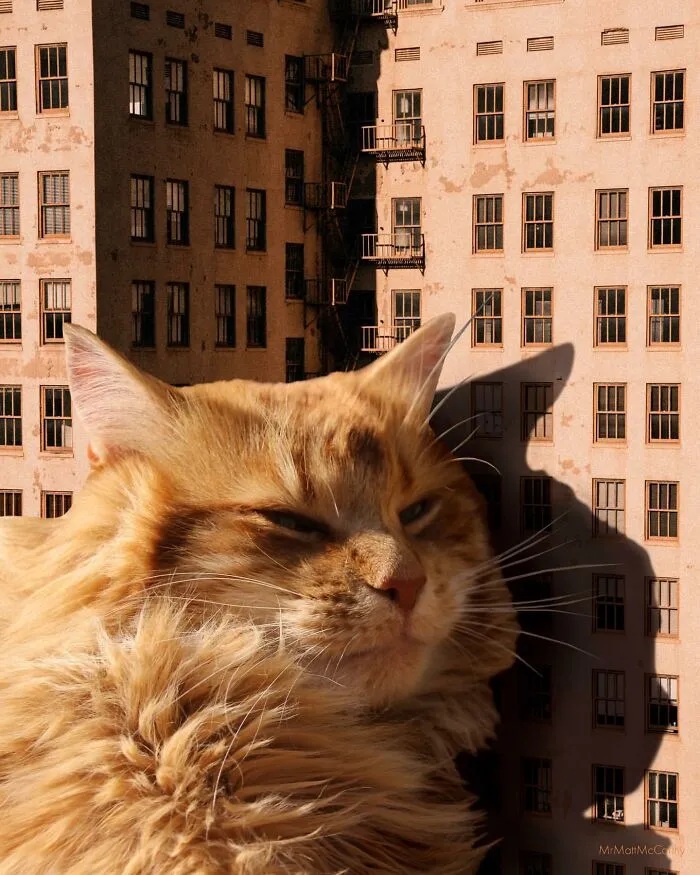
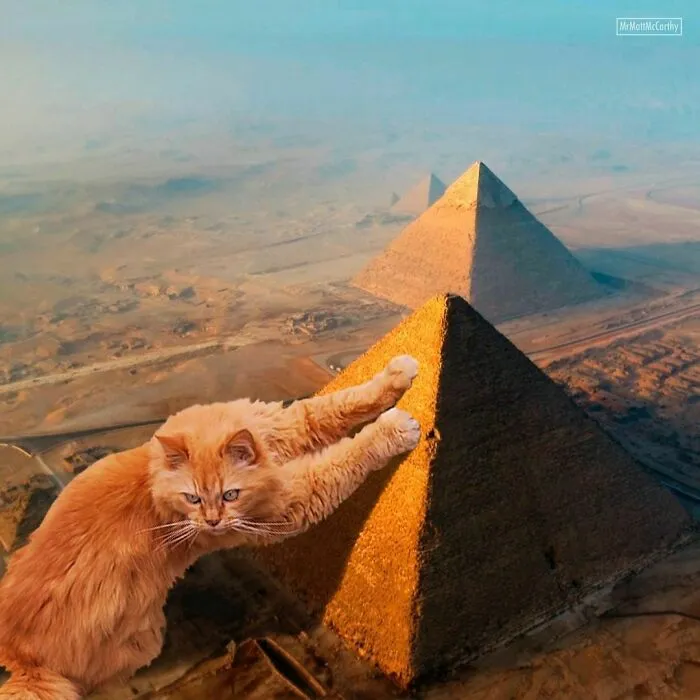
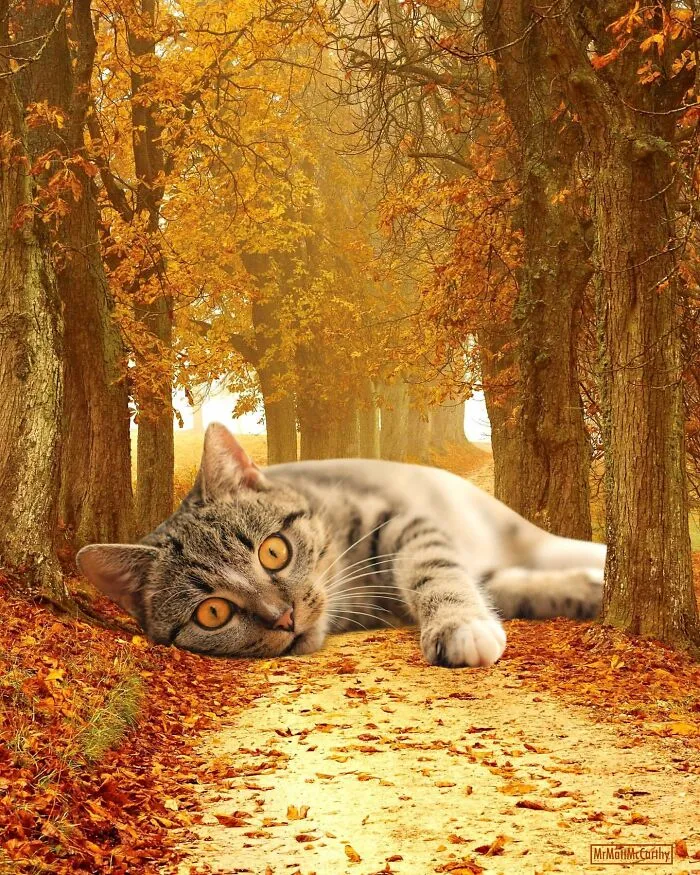
“It varies wildly. Sometimes everything clicks and a picture comes together in an hour, and other times, I might have to wait months before I find the right cat or location. I enjoy the simplicity of two-part collages, but they depend heavily on the original photos working in harmony. I try to surround myself with as much source material as possible so that I’m ready to stumble upon something. I look through my folders of downloaded and scanned images of both locations and cats regularly waiting for those connections.”
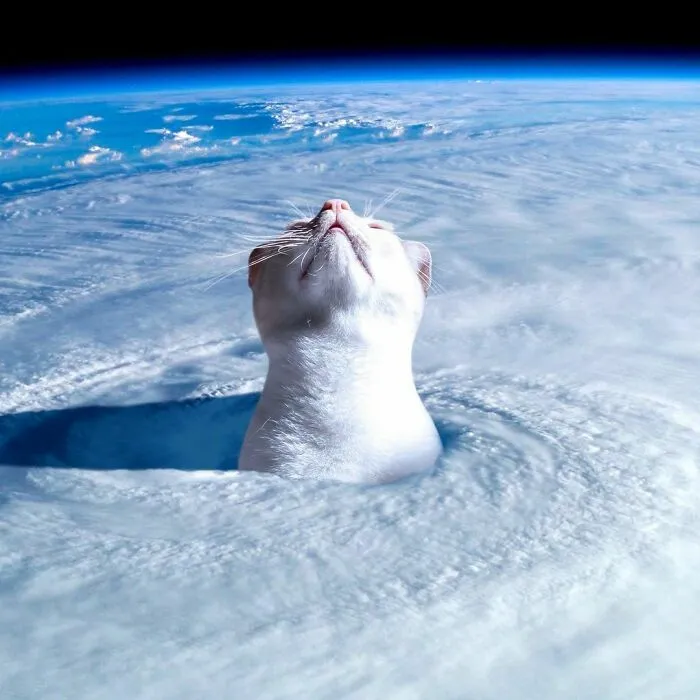
Obviously, producing so much content, one has to find not only the time, but inspiration too, so we asked Matt how he dealt with coming up with ideas so frequently.
“It can be a challenge, but I try to draw inspiration from the world around me because it’s constantly changing. Whether it’s a new meme or a location I see on the news, I like staying current, which helps keep ideas fresh. I also keep a list of ideas on my phone so I always have it with me when inspiration strikes, or when I need to harness a bit of creativity from the past.“
Lots of artists come to a point where they might feel burnout by doing creative work; some lose inspiration, some just don’t know what to do next, so we asked the digital artist how he has dealt with occasional burnouts that tend to happen when one is working in the art industry.
“I tend to work in bursts, which helps with the burnout. I’ll make a few pieces over a couple of days and then focus on another project to help clear my mind. I write horror screenplays with my wife, which is a great distraction from the visual arts and stimulates the storytelling part of my brain. Sometimes, when things aren’t clicking, or you’re met with disappointments, it can be rough to keep creating, but the only way to catch onto something is to be present and ready to work.”
Matt also shares some tips for those who are thinking about getting into photo editing.
“I think if you’re getting into photo editing or manipulation, or any art form really, the best thing you can do is be open to possibilities. If you let yourself experiment with everything, it allows cool things to pop up. One of the best ways I think to do this is to consume images. Browse public domain image sites, magazines, and books looking for images. What sticks out? What does your mind naturally put together? By following those natural connections that your brain creates, you’ll eventually find your voice and be on the way to creating your style.“
As much as the creative process can be overwhelming or time-consuming, sometimes it also has good and rewarding parts too.
“My favorite part of the creative process is the spark that comes when you find a connection between two pictures. I sift through thousands of photos of places and cats each week, so when two images click, it can sometimes feel like magic, like the cat has always belonged in that scene. Being able to turn an idea into reality is satisfying, and then being able to share it with others who I think will enjoy it makes it all worthwhile.”