


This post may include affiliate links.
"Fibonacci numbers are a very popular subject of research and recreation, and one can find innumerable articles in mathematics, science, architecture, and the arts," Johan Gielis told Bored Panda.
"Especially in the latter fields, they have achieved an almost divine status, because of the relation to the golden mean. From a scientific point of view, however, one needs to be very cautious in the application of the series to actual natural or cultural phenomena."
He continued: "For example, in the arrangement of leaves, the Fibonacci numbers relate the number of spirals going in one direction, to the number of spirals in the other. In a large-scale experiment of popular science, with over 600 sunflowers only 3 out of 4 of the parastichies on sunflowers were direct Fibonacci numbers. The other 1/4 were approximate or modified Fibonacci and Lucas numbers, derived series, or irregular."
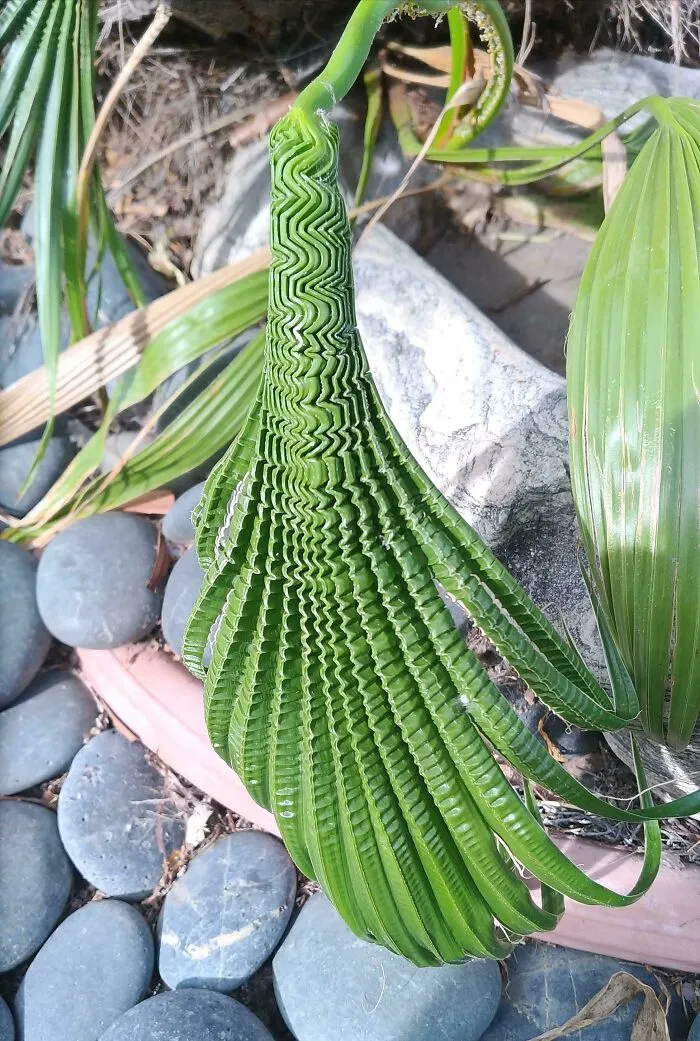
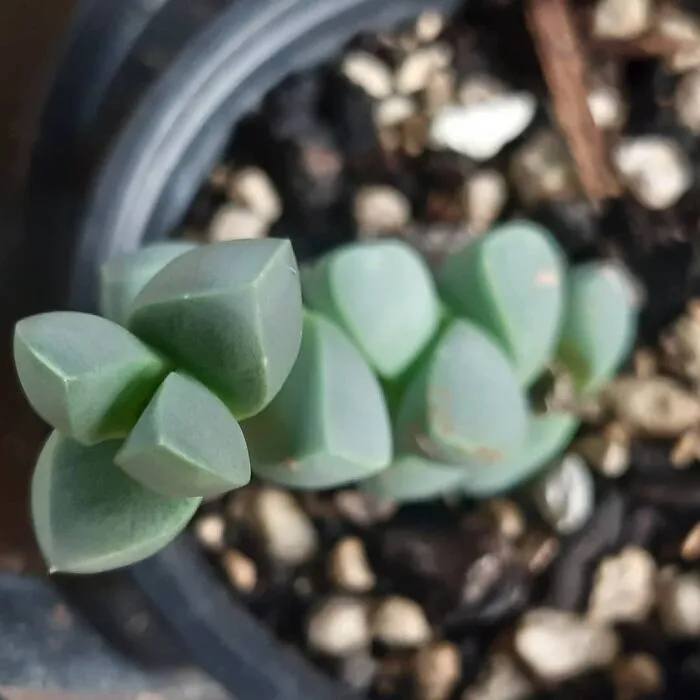
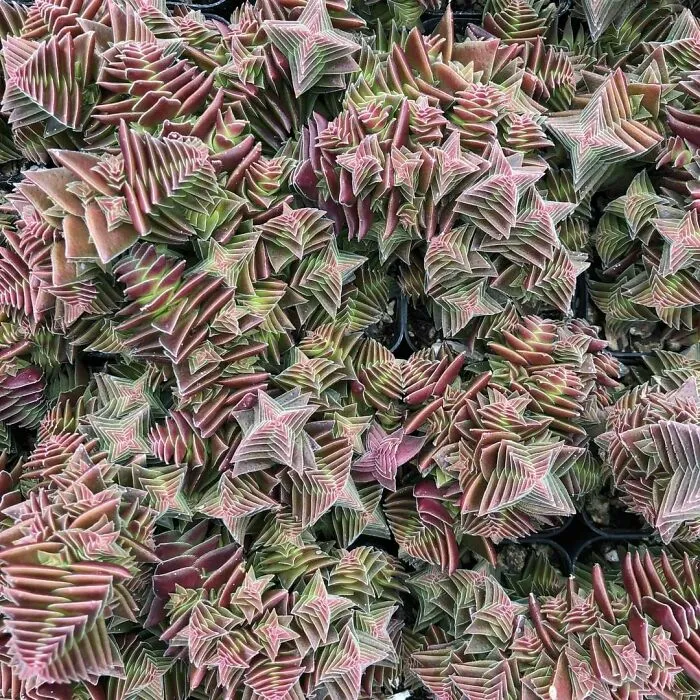
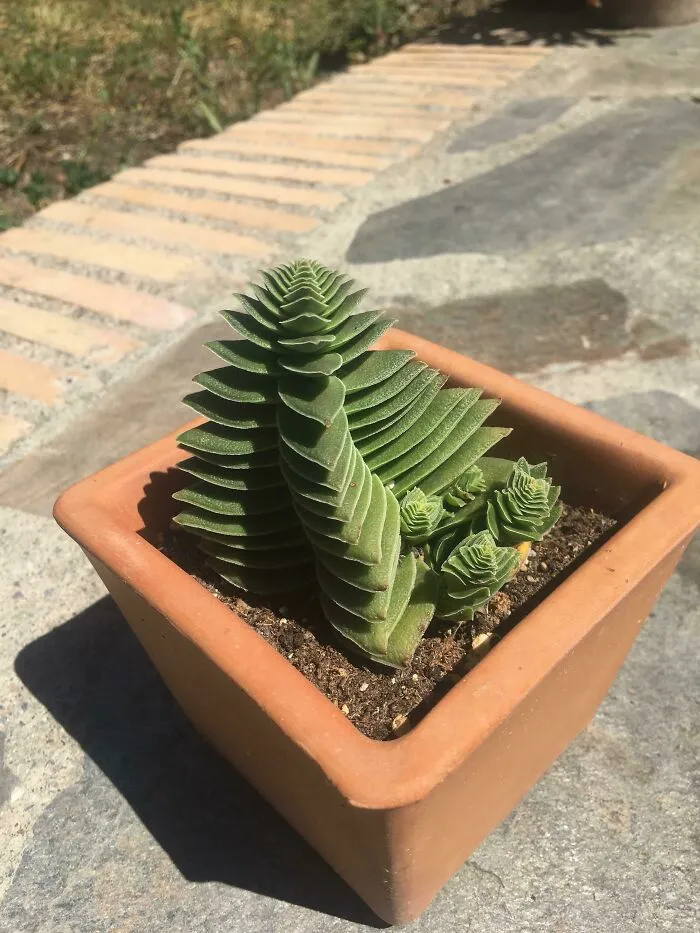
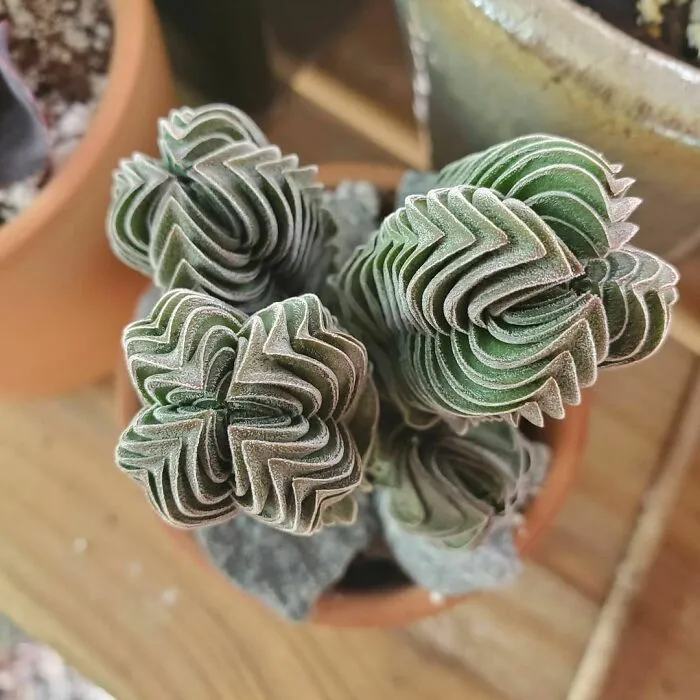
#23 It's Hard To Tell Where One Plant Ends And Another Begins. Crassula Capitella Is A Geometric Wonder
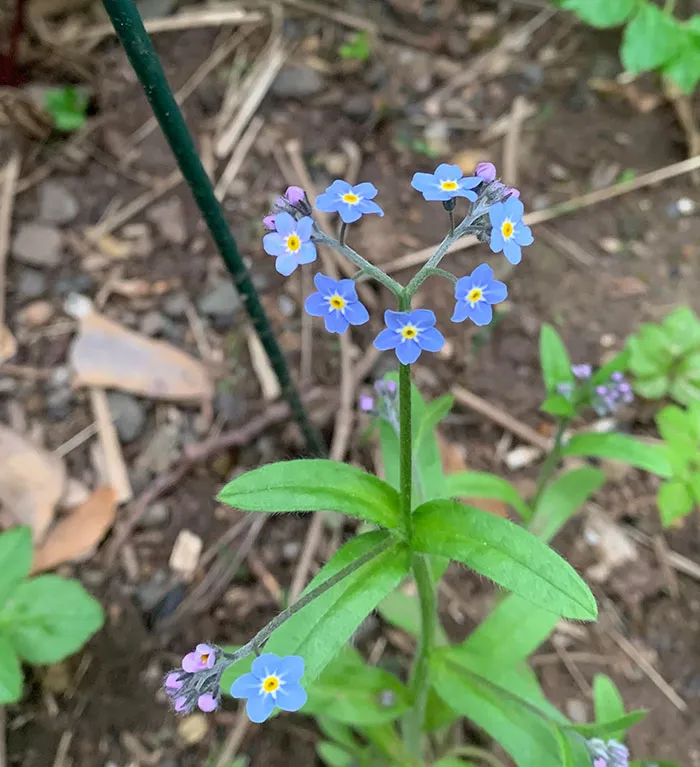
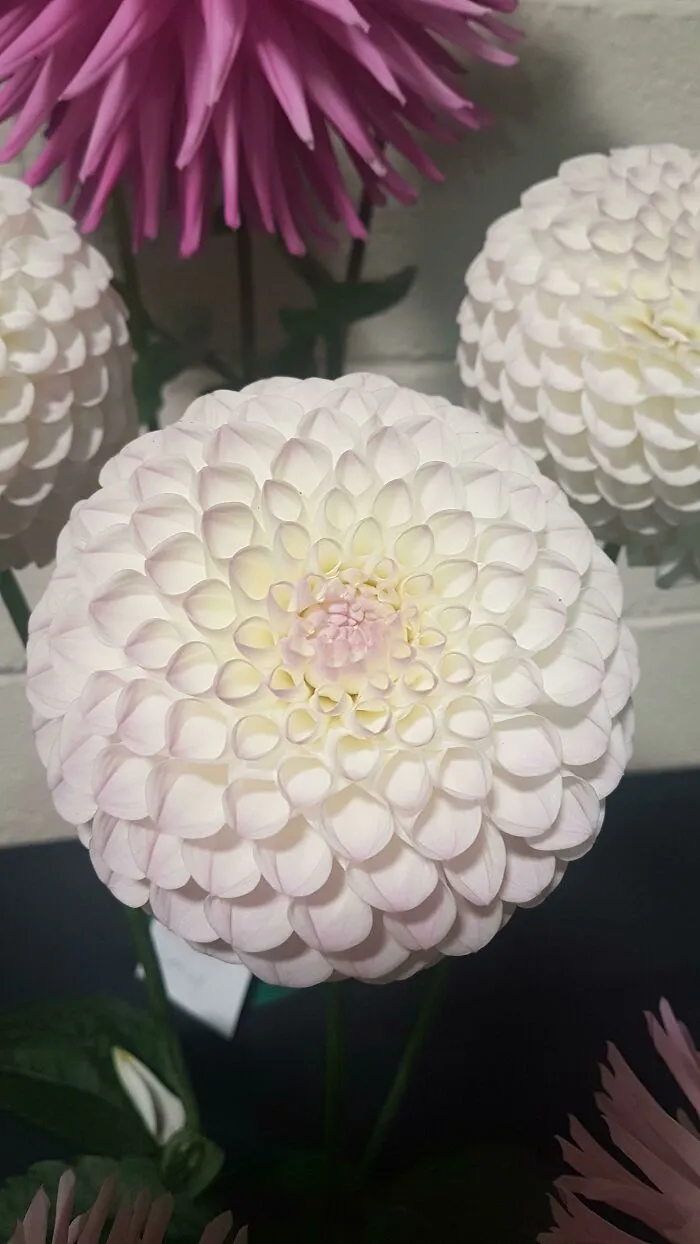
So it seems that nature and math go hand in hand. "As humans, we build models of nature, and our language is indeed mathematical," the professor said. "Mathematics is the ultimate human language," he added, saying that without humans, there would be no math.
When asked why we enjoy looking at geometrical and symmetrical plants and find them incredibly pleasing to the eye, Gielis told us that it’s because of our preference for symmetry. But it also has a cultural component: "Different cultures may have a different idea of beauty. What we learn is what we will prefer later," he concluded.
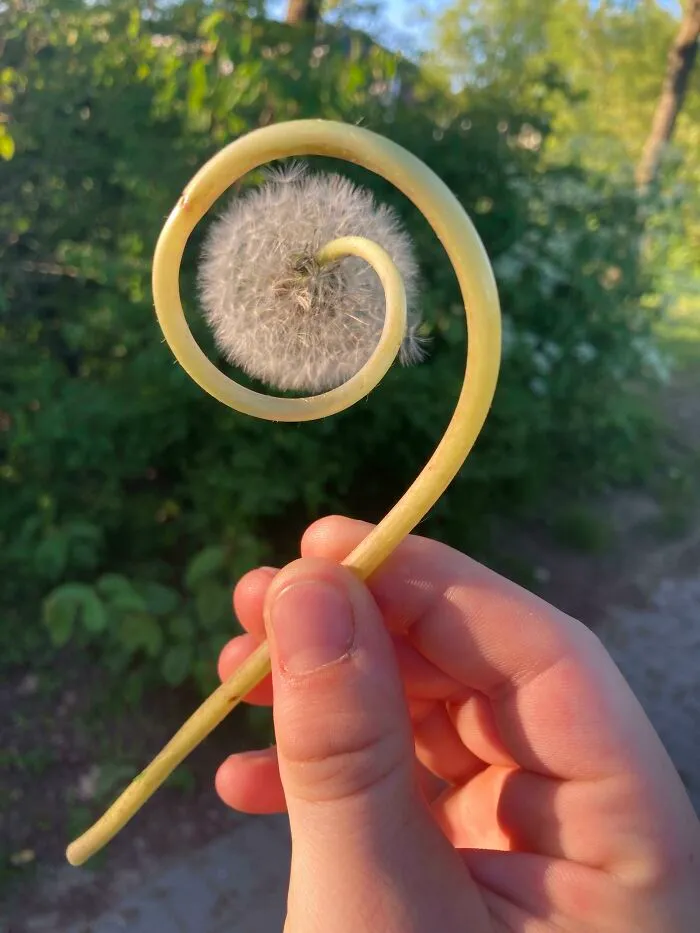
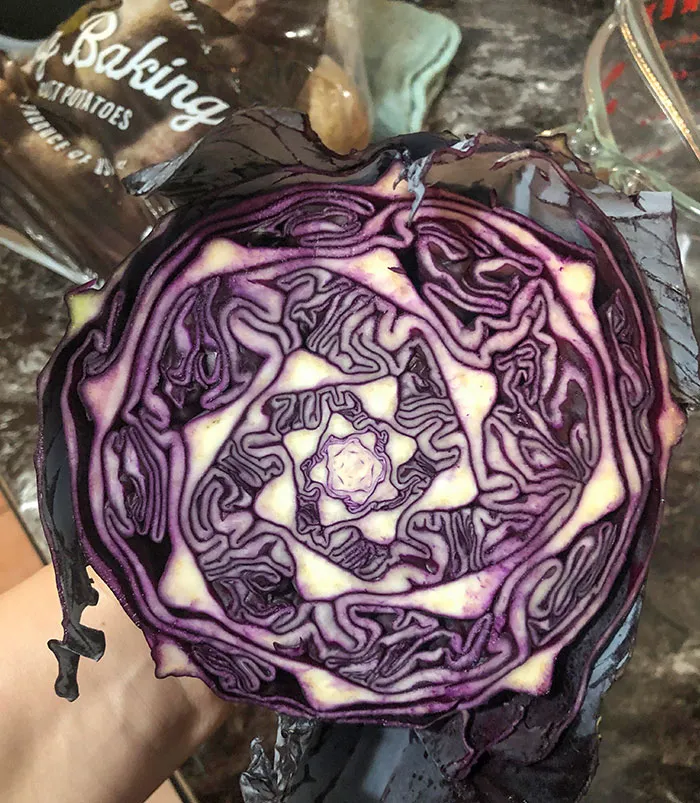
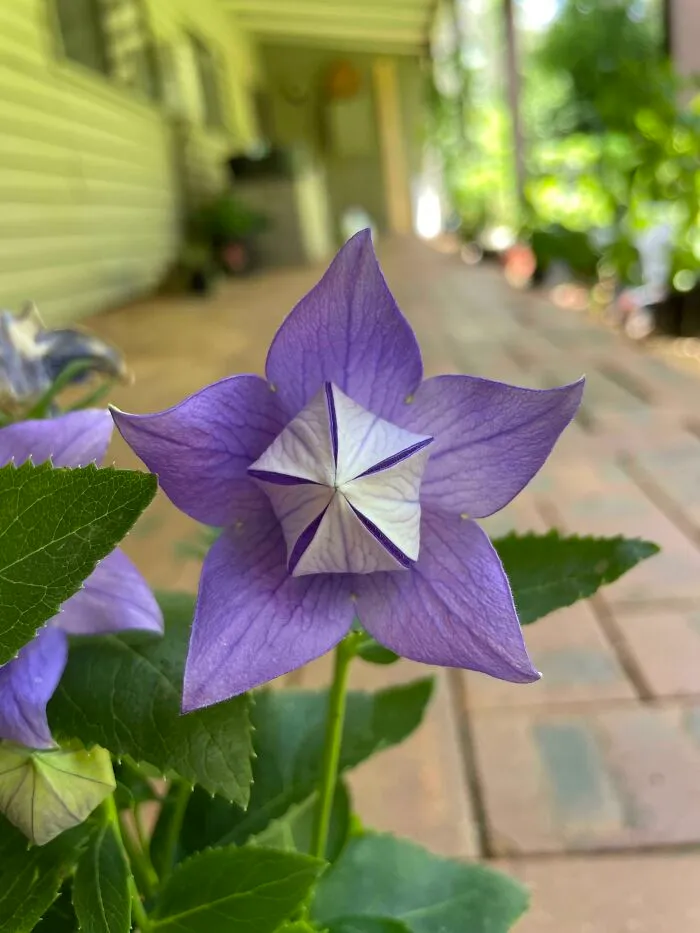
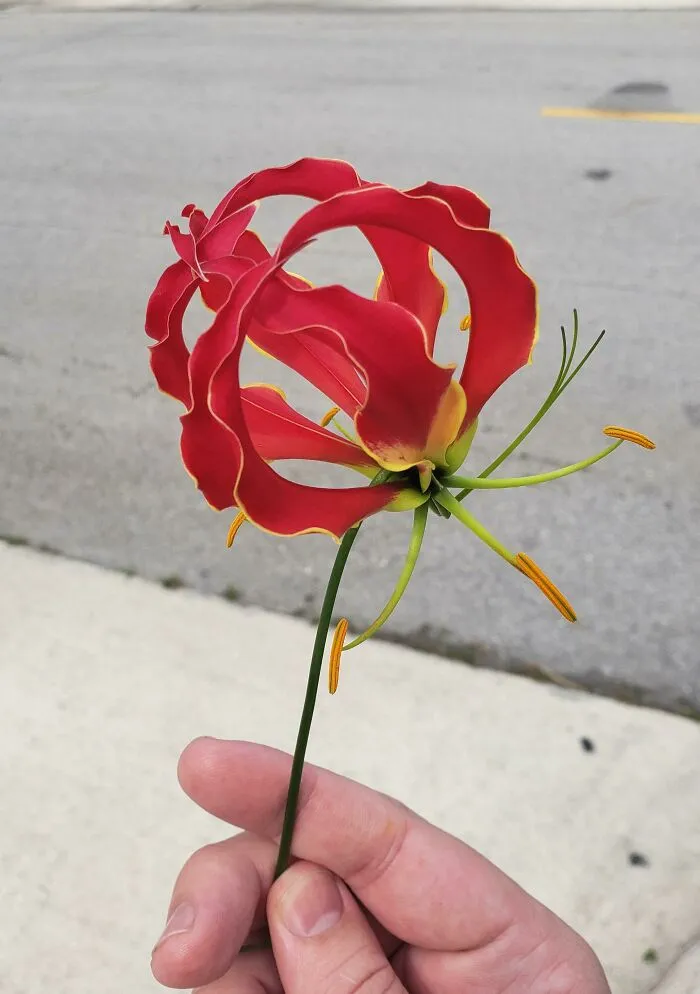
So while we try to grasp how such incredible patterns in nature are formed, we can also take our time to appreciate the many wonders it can offer. Whether flowers are symmetrical or not, they are still mesmerizing to look at. So we hope that with posts like these, you will be reminded of how beautiful nature really is.
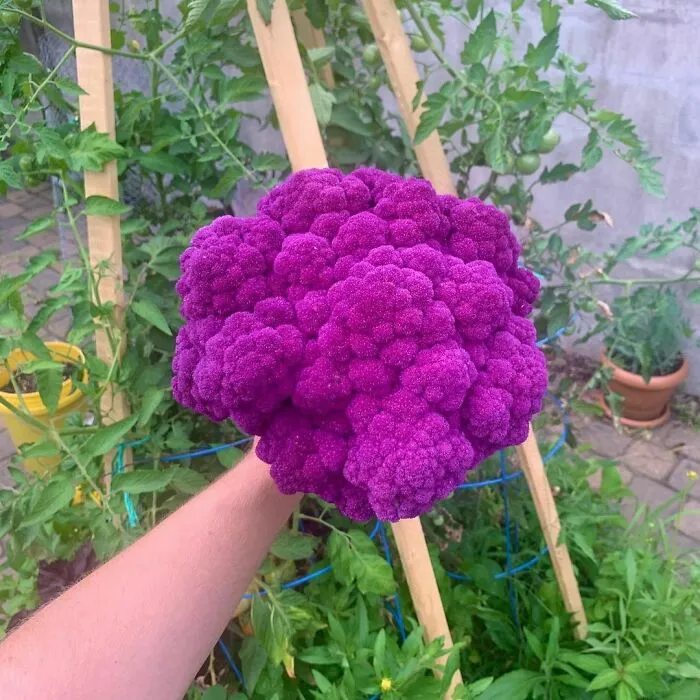
#34 The Rare Purple Cauliflower. Its Signature Color Comes From The Same Antioxidant Found In Red Cabbage And Red Wine: Anthocyanin
#39 Lapidaria Margaretae, Looks Trippy, We're Gonna Collect All The Geometric Looking Succulents Now