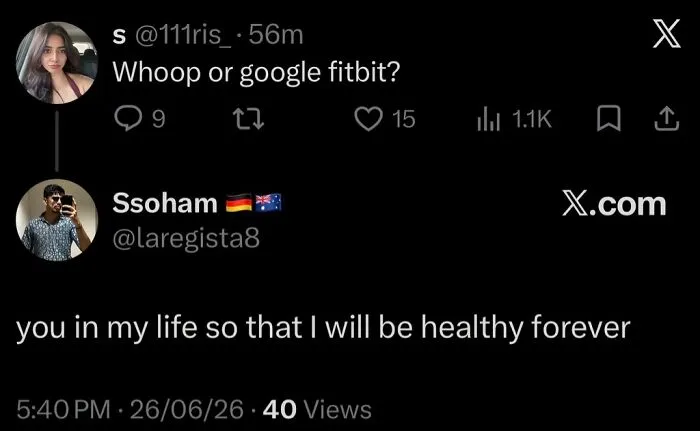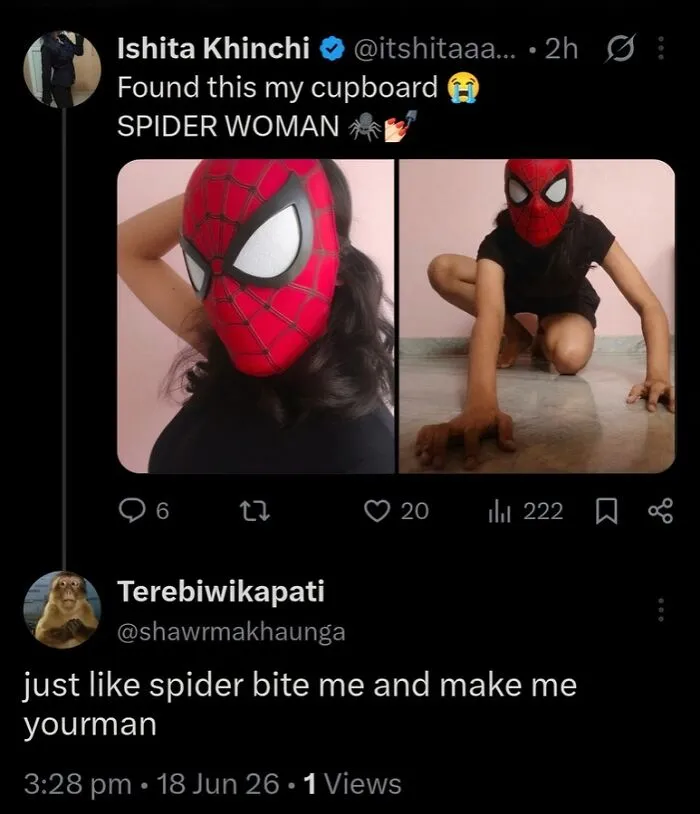




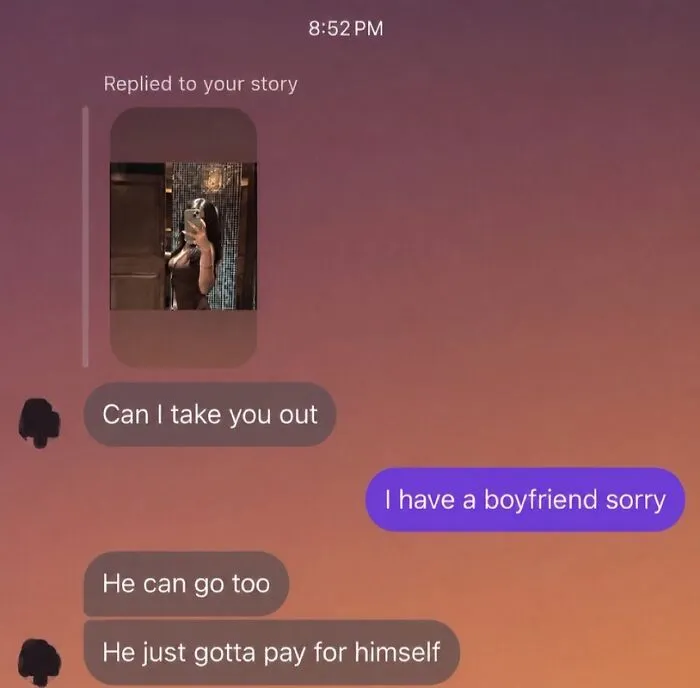
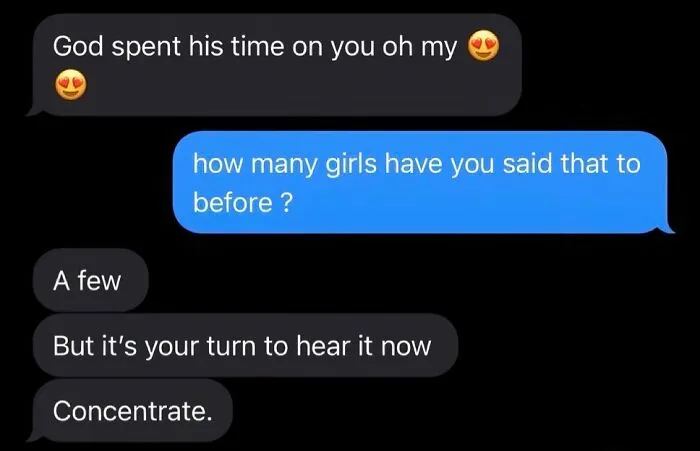
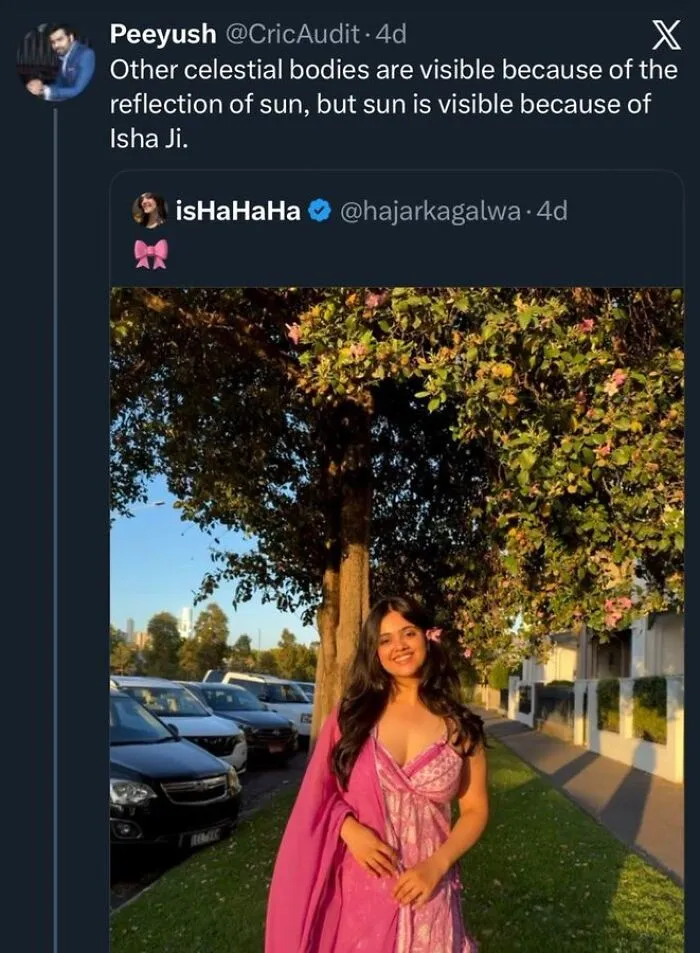
We all have crushes, or at least most of us have had one at some point in our lives. And when you really like someone, it is perfectly normal to act a little silly around them. You might notice things about them that nobody else seems to care about or replay a conversation because you keep thinking about what they meant.
There is actually some science behind that feeling. Research on early-stage romantic love has found that seeing someone you are intensely attracted to activates parts of the brain involved in reward and motivation, which can make being around that person feel like rainbows and sunshine.

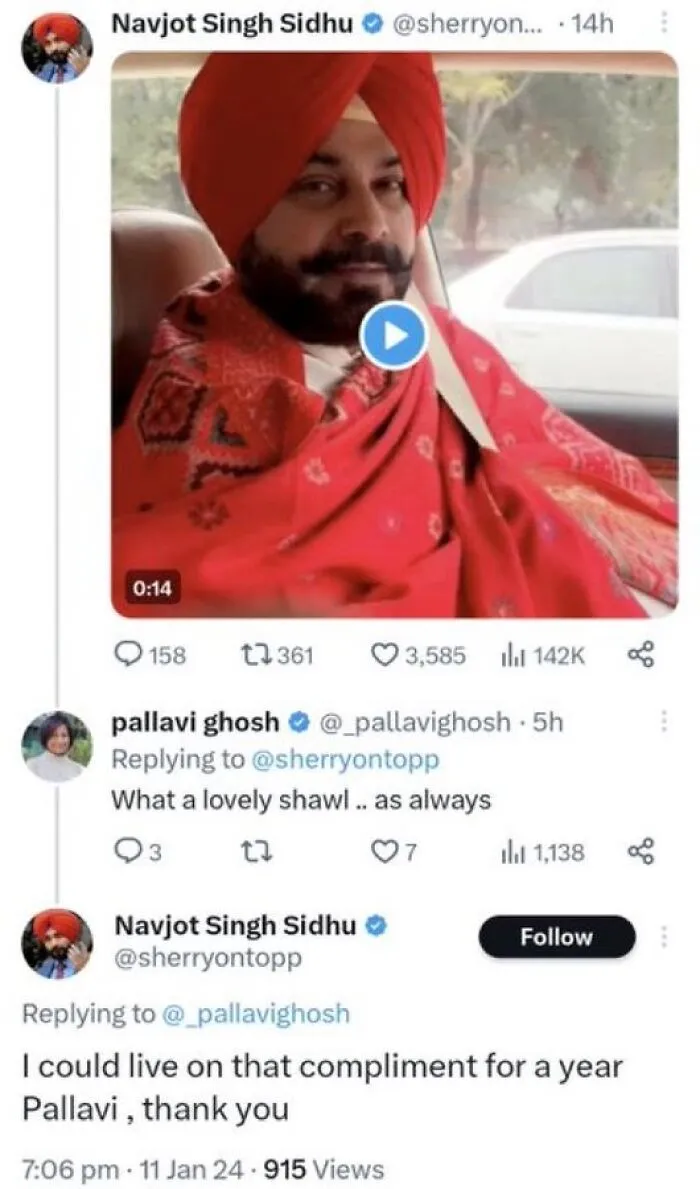
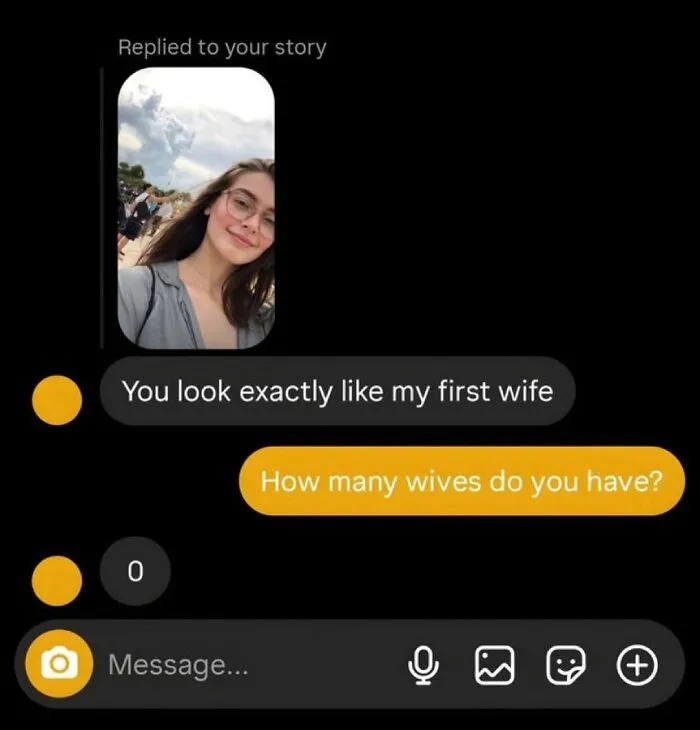
A crush can feel much more intense regardless of the amount of time you have actually spent with the person. You might barely know them, but your brain can fill in the blanks and turn a few attractive qualities into a whole personality. Before you know it, you have built up an entire picture of who they are in your head.
The American Psychological Association notes that people in romantic love can idealize the person they love, which means they might end up falling for the idea of them rather than the real person because they’ve made them larger than life.



Unrequited love is surprisingly common, and it can be different from one situation to another. You might have feelings for someone unavailable, or you might really like someone who does not feel the same way about you.
Research on unrequited love has found that these situations can bring more emotional turmoil than mutual love, making an already intense crush even harder to snap out of.

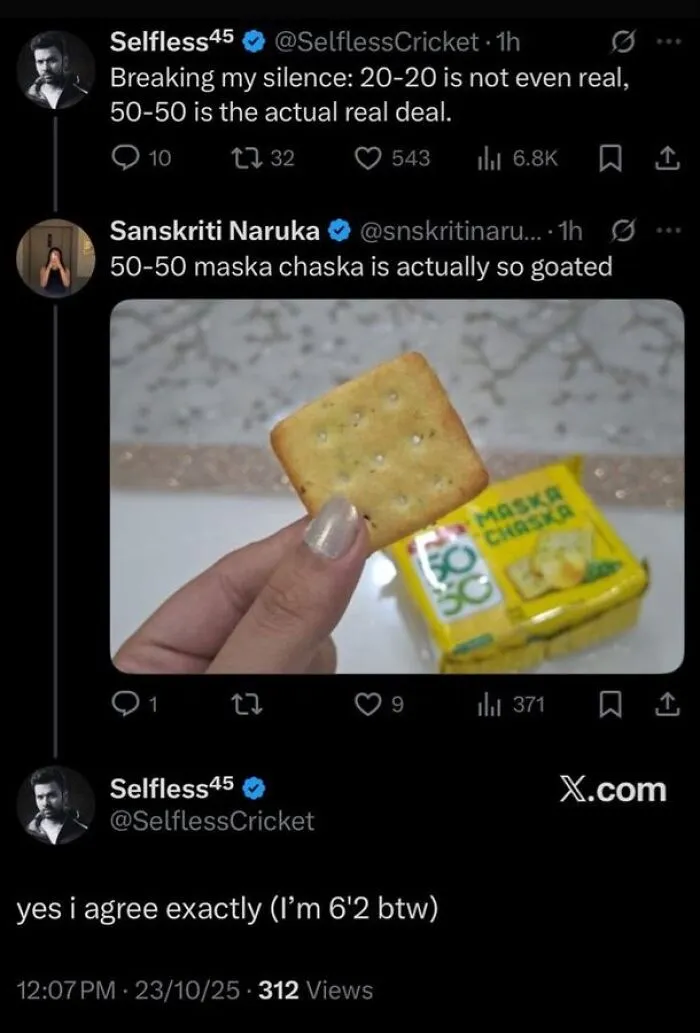
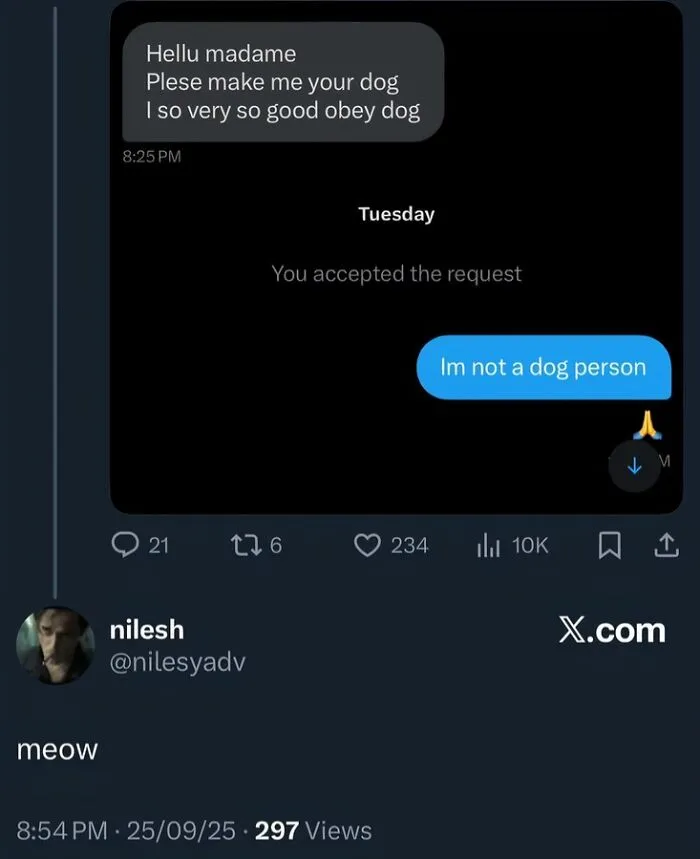
Psychologists use the term limerence to describe an intense fixation on another person which is very different from having a crush. Your thoughts about them can become difficult to control, while the hope that they might return your feelings keeps you emotionally invested.
Psychotherapist Natacha Duke explains that limerence can involve constantly thinking about someone and changing your behavior around them in the hope of being noticed or loved back.
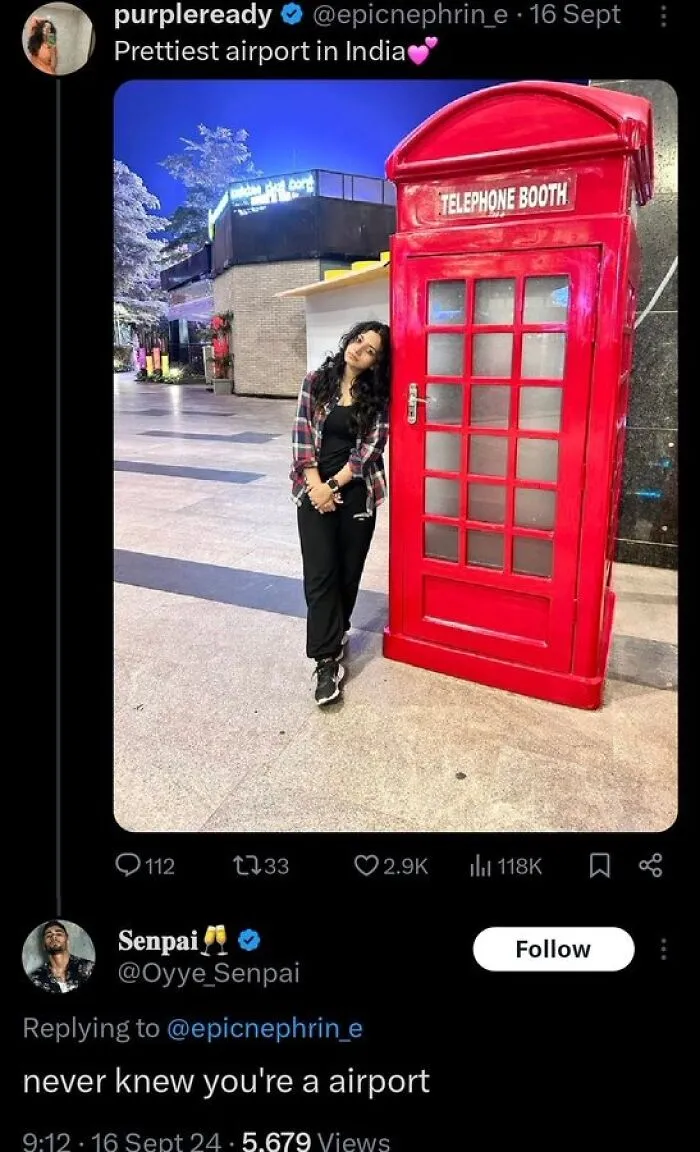


The American Psychological Association defines a parasocial relationship as a one-sided emotional connection with someone you don’t really know, such as a celebrity, influencer, fictional character, or even an AI personality.
After seeing someone over and over, hearing them talk about their lives, and following their updates, you may even start to feel like you know them. In this case, the person you are crushing on doesn’t even know you exist, which is becoming pretty common in the social media age.
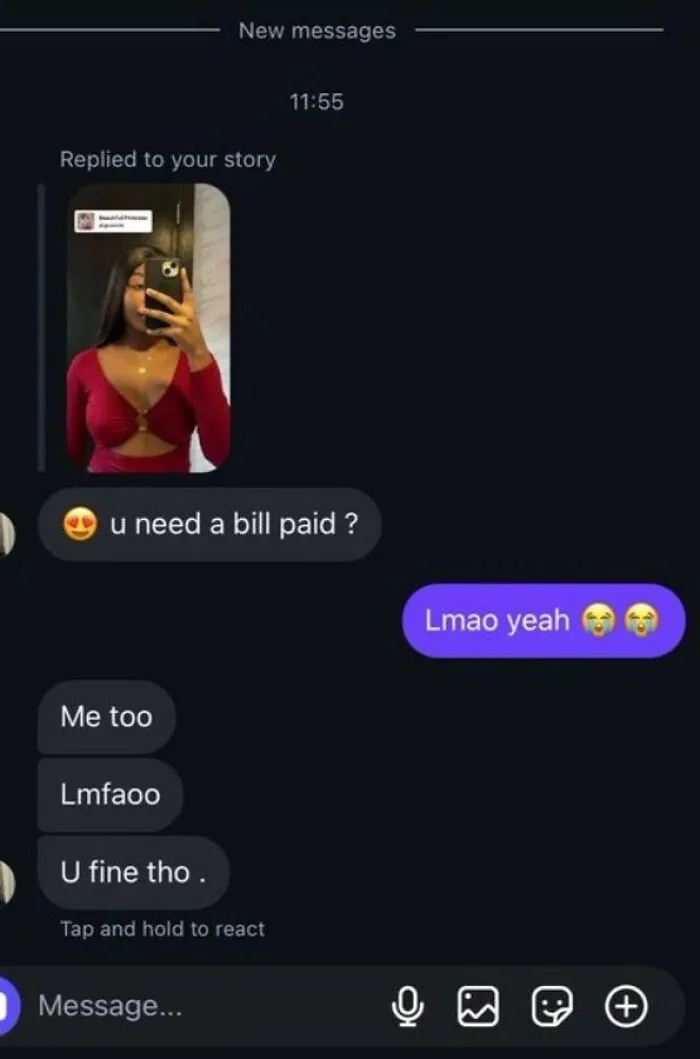
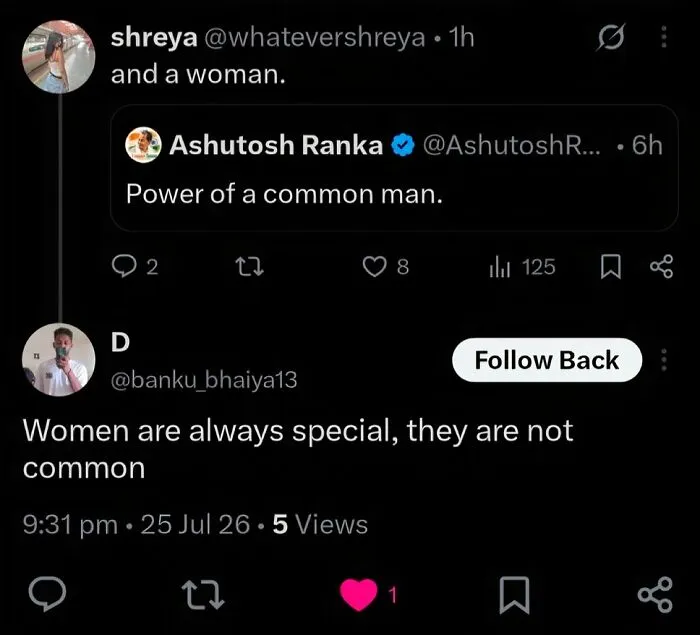
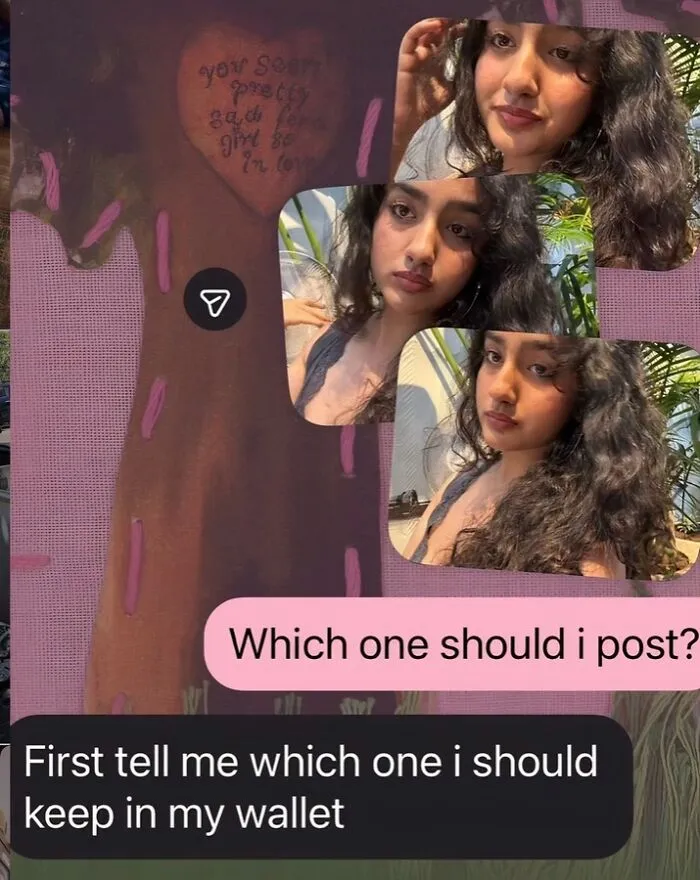
Social media has made it much easier to develop feelings for someone who may not even know you exist. Every day, you can see someone's face, opinions, jokes, daily routine, and personal updates without ever actually meeting them.
Psychologist Rebecca Tukachinsky Forster, who researches parasocial relationships, explains that repeated exposure and personal disclosure can make media figures feel like people we know, even though we only know the parts of their lives they choose to share. Some of the submissions in this collection show just how far that one-sided affection can go.