

Learning to cook is a valuable skill, but it shouldn’t feel like something you have to do just because someone else says so. Getting along with a future mother-in-law can help with wedding planning, but it can get awkward if she starts making rules for the bride-to-be and expects her to obey without question.
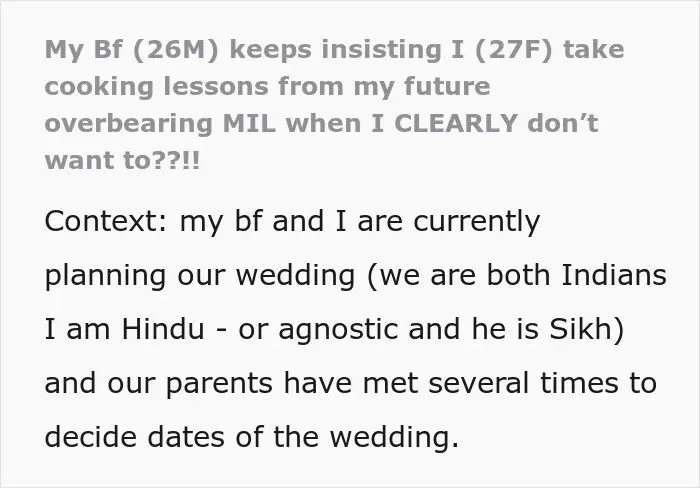
A 27-year-old woman ended up in this situation while getting ready to marry her boyfriend. His mother told her she had to learn to cook ten dishes before the wedding, and her fiancé wanted her to go along with it. After some awkward cooking lessons and a tense family dinner, she decided to set a boundary. Later, she shared her story on Reddit to ask if she was wrong for standing her ground.
The simplest requests can create unexpected relationship tension if they cross a clear boundary

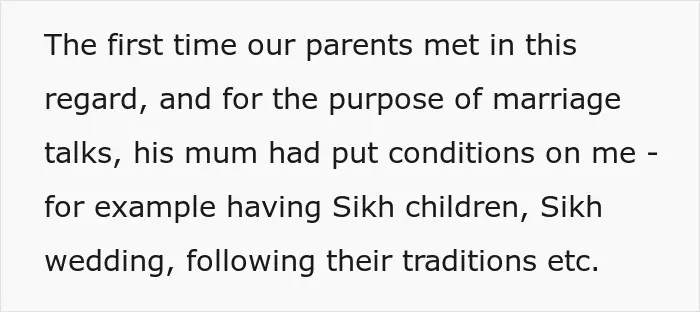
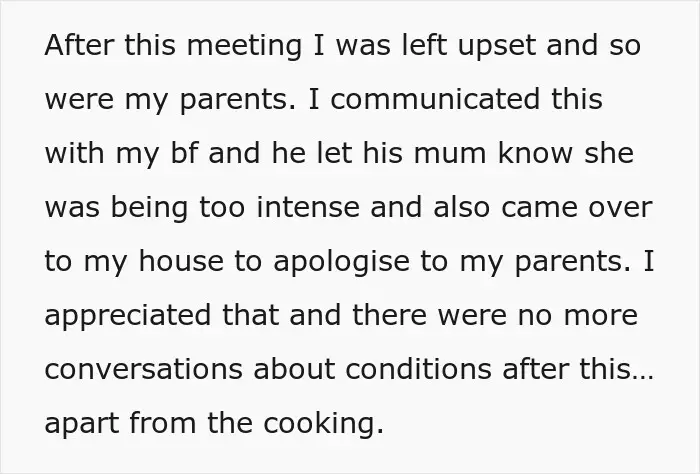
A woman faced unexpected family expectations as her future in-laws set conditions for the upcoming wedding



Her family celebrated her fiancé's achievements, while his parents showed little interest in hers or her career








The woman attended her future MIL's cooking lesson, but enjoyed learning the same dish from her own mother
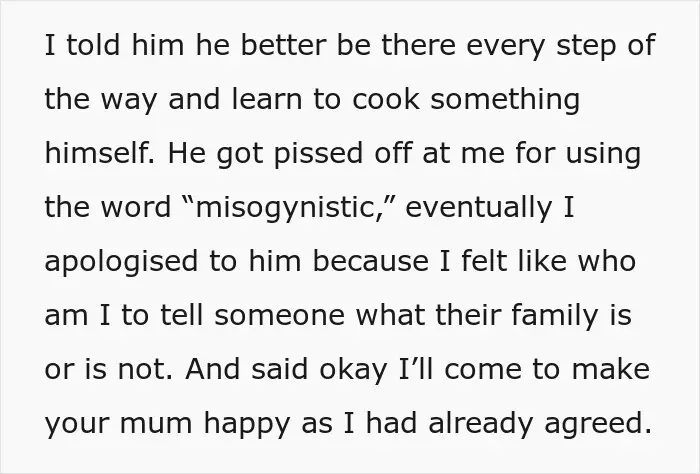
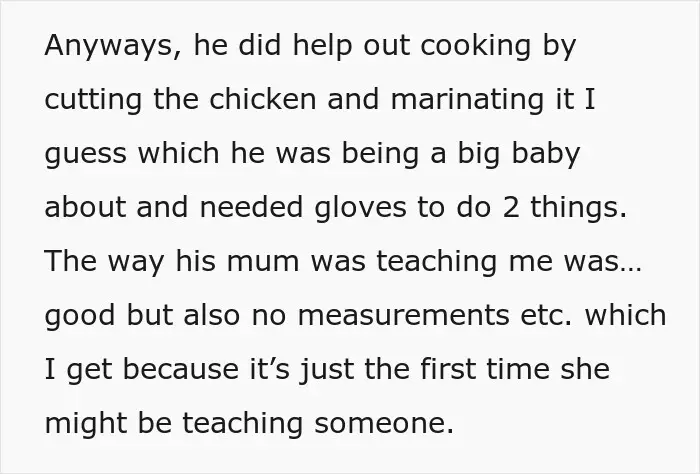

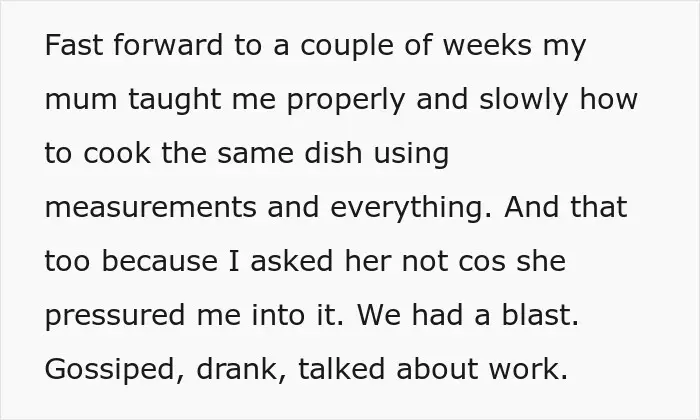


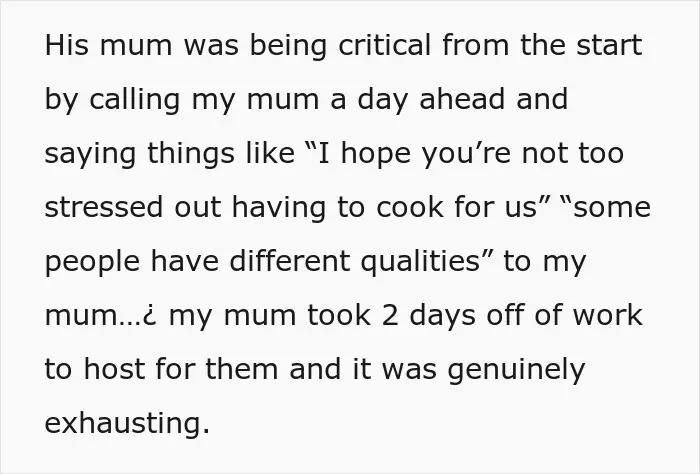
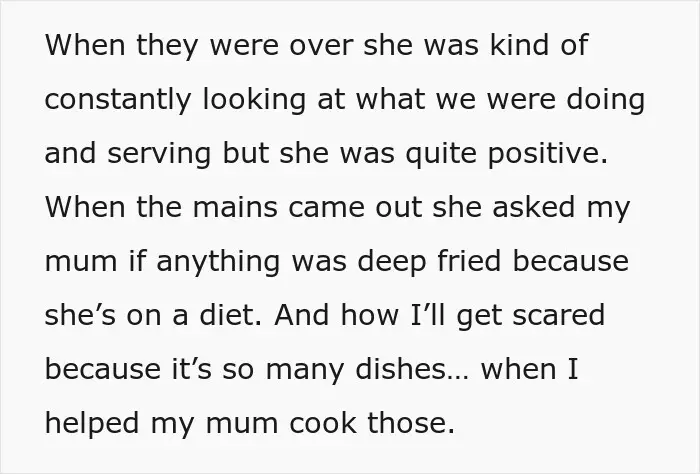

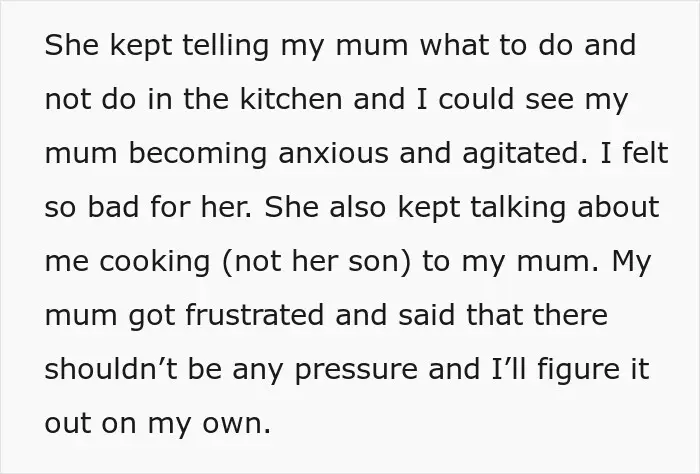
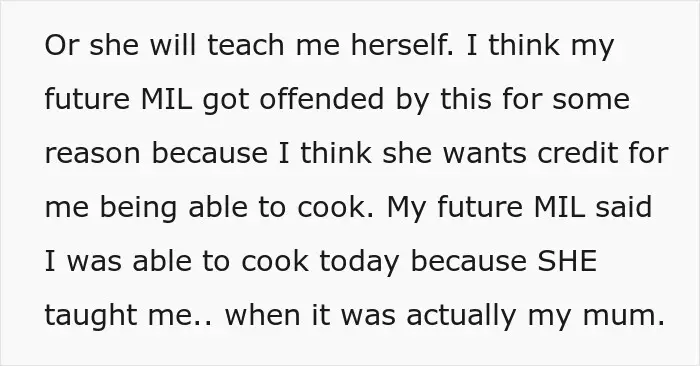

Her fiancé rejected her cooking boundary, insulted her in public, and left her stranded after a heated argument
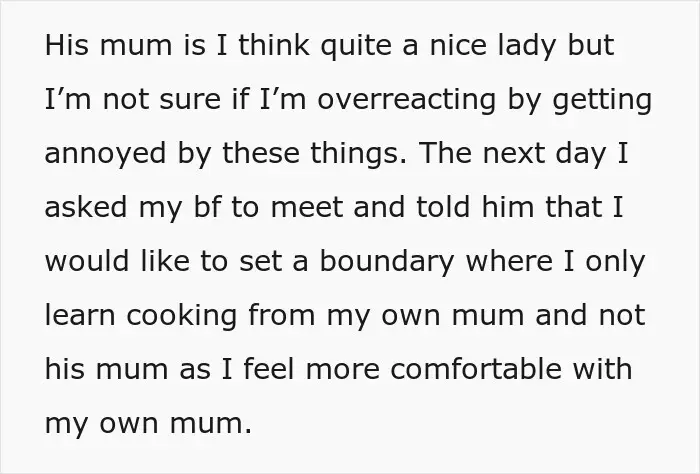






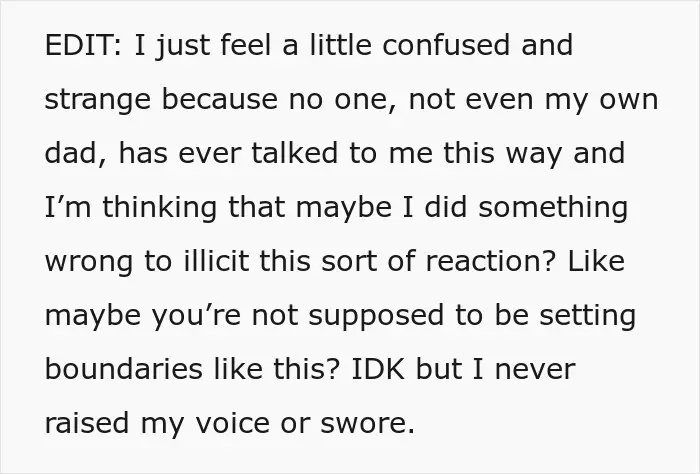

Her fiancé defended his mother's demands, refused to apologize, and blocked her after she questioned his behavior
Domestic chores may look like a basic part of daily life, but they show how families often expect men and women to help at home in different ways. The OECD points out that women still take on a larger share of unpaid work, while traditional ideas about household responsibilities continue to influence how couples divide their tasks.
These ideas usually begin long before adulthood. Girls often spend more time cooking, cleaning, washing dishes, and helping with childcare. Boys are more likely to do things like gardening, taking out the trash, or working on the car. As kids grow up, these habits can shape what they see as normal chores in their own homes later on.
The issue stands out even more when both partners have full-time jobs, but one is still expected to do most of the chores. For example, a woman might work just as much as her partner but still feel pressure to cook, clean, and look after the home. Living together should also mean sharing these tasks.
These expectations can become even harder to navigate when parents get involved in how a couple divides household responsibilities. In-laws are often a common source of tension for married couples, especially when a parent tries to influence decisions that should be made by the couple. This can turn regular family interactions into another source of stress.
How a partner deals with this interference can make a big difference. In a study of 241 married women who answered questions about their mothers-in-law, researchers found that the boundaries husbands set with their mothers affected how much interference influenced marital satisfaction. So, the husband's response was important, not just the mother-in-law's actions.
This doesn't mean couples have to pull away from their parents or give up family traditions. Instead, both partners should have space to make their own choices without always needing their parents' approval. For example, a woman might value her future mother-in-law's advice but still want to learn a new skill from her own mother. Respecting that choice shouldn't lead to a family argument.

Building a life with someone often means learning to balance two important relationships: the one with a romantic partner and the one with parents. Sometimes, their wishes can conflict, especially if one person wants their partner to follow family traditions or make sacrifices to please their parents.
In a decision-making experiment with 195 Chinese adults, most people chose to put their parents first, even when it wasn’t necessary for one person to lose for the other to gain. This preference was even stronger for those who had average or good relationships with their parents.
Culture can shape these choices, especially in places where respecting parents is very important. Still, having a close family bond doesn’t mean parents should decide everything for adults. Couples need to talk about their plans and figure out how their families fit into their future together.
Sure, disagreements are a normal part of romantic relationships, but the way partners handle them can determine whether they resolve a problem or create an even bigger one. When expectations don’t match, both partners should share what’s bothering them without making it personal.
Talking openly about serious problems can help a relationship, especially if both people feel safe enough to listen and make changes. But criticism and arguments can make things worse if someone gets defensive or ignores the other person’s concerns. Avoiding disagreements doesn’t fix things either, especially when an important boundary is at stake.
It’s one thing to tell your partner that their actions hurt you, but it’s another to insult them until they give in. Embarrassing each other in public doesn't help couples understand each other. If you disagree about family expectations, you might need to compromise, but no one should have to put up with disrespect just to avoid conflict.
Do you think she was right to stand her ground and refuse her fiancé's demands? What would you have done in her place? Share your thoughts in the comments!
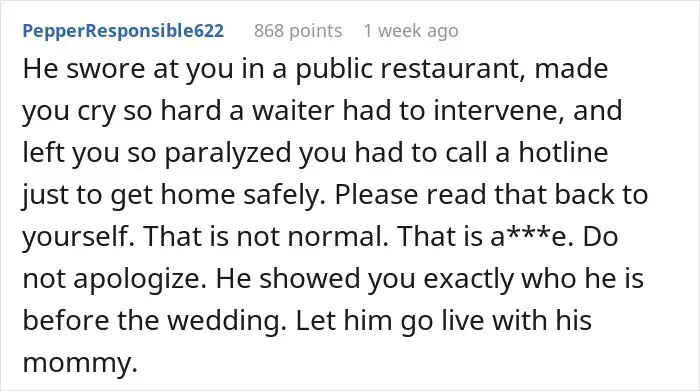
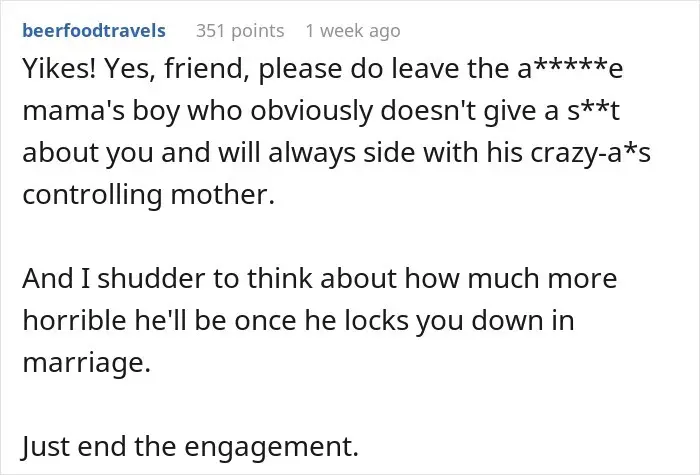
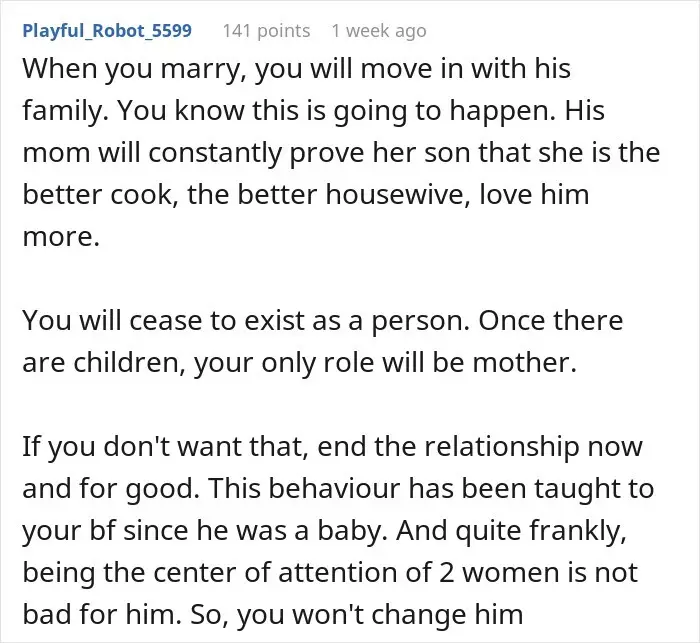
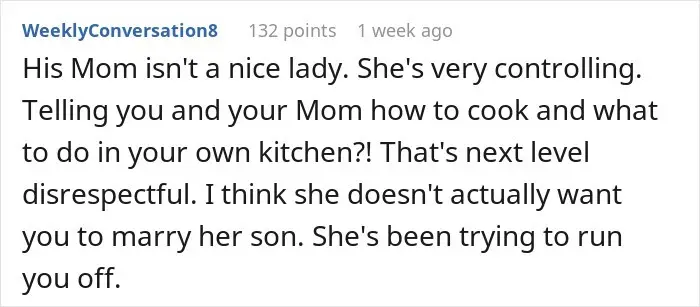
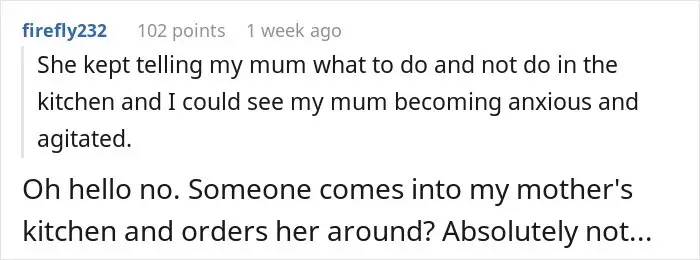
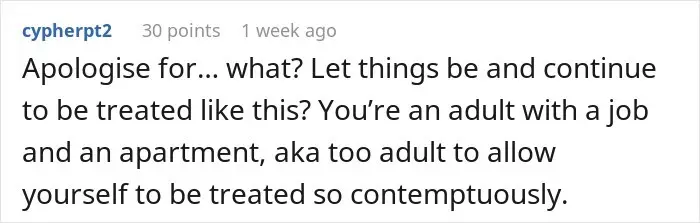
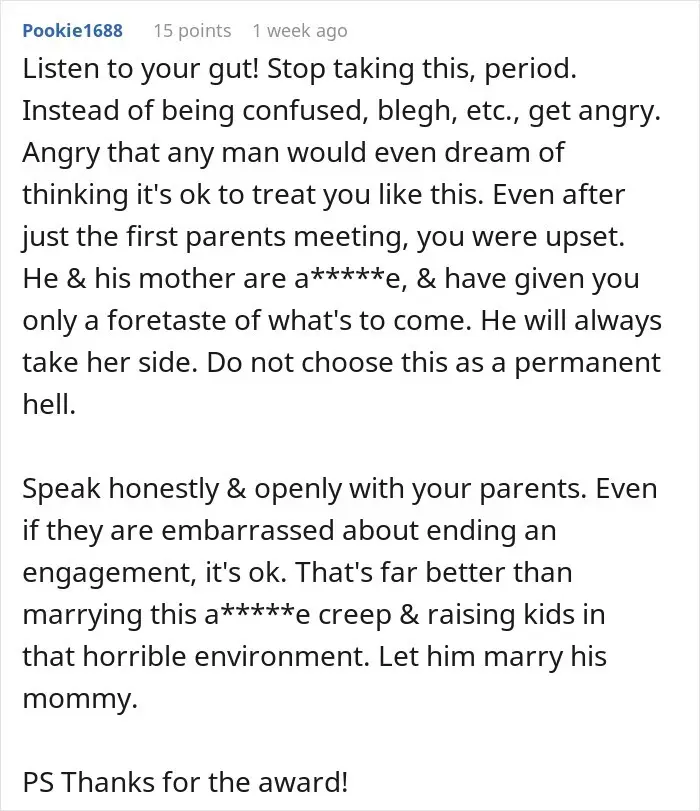
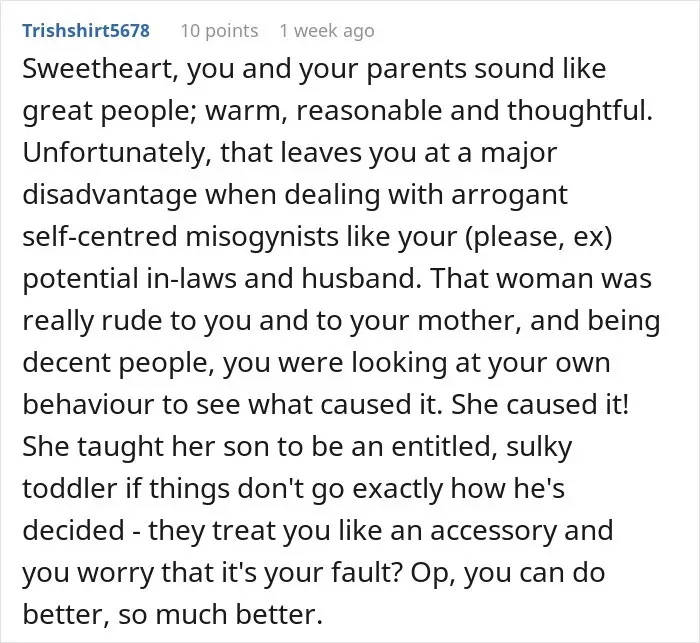
Netizens criticized her fiancé's behavior and urged her to find someone who treated her better