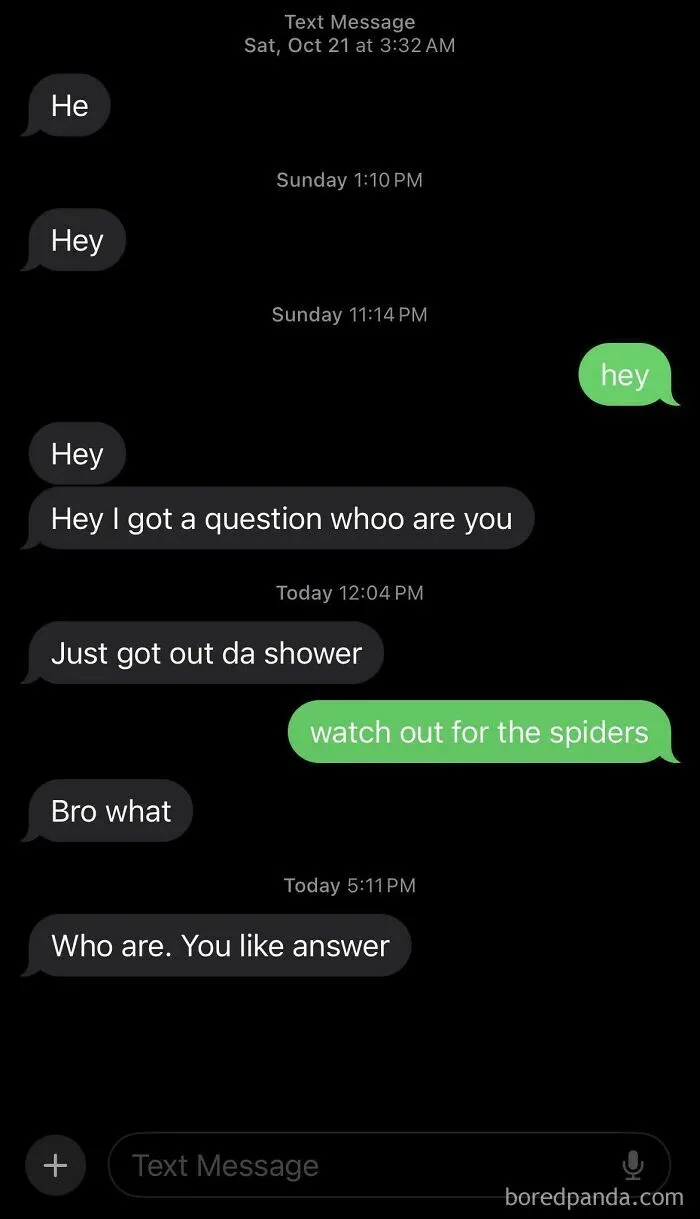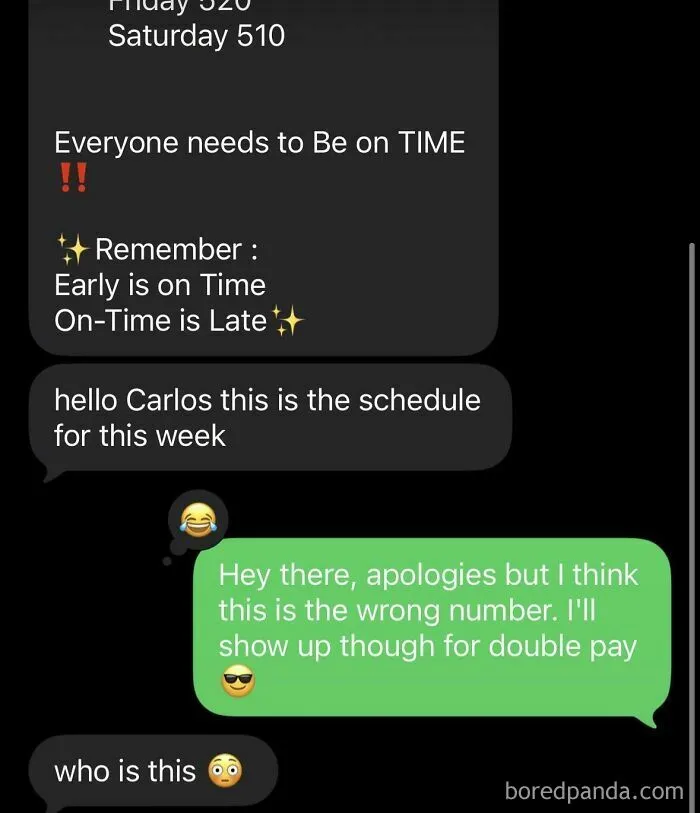


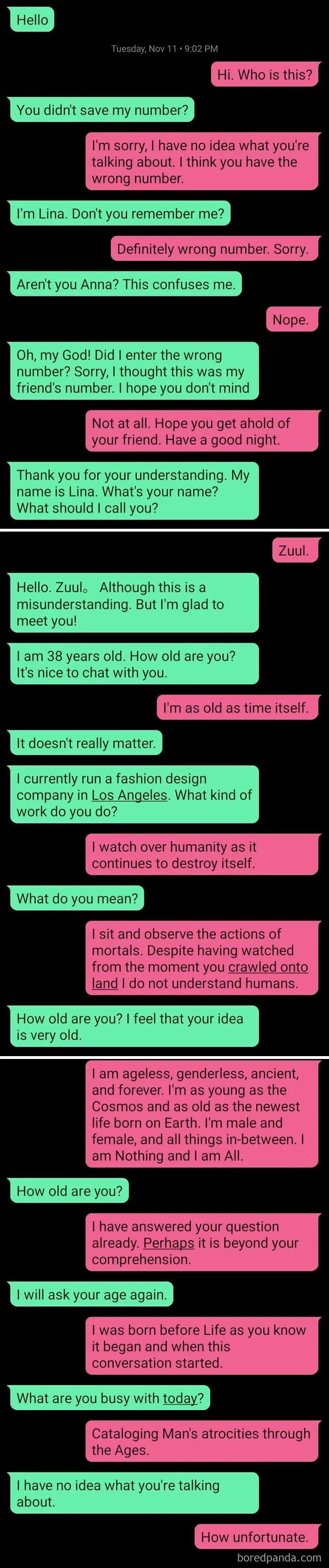

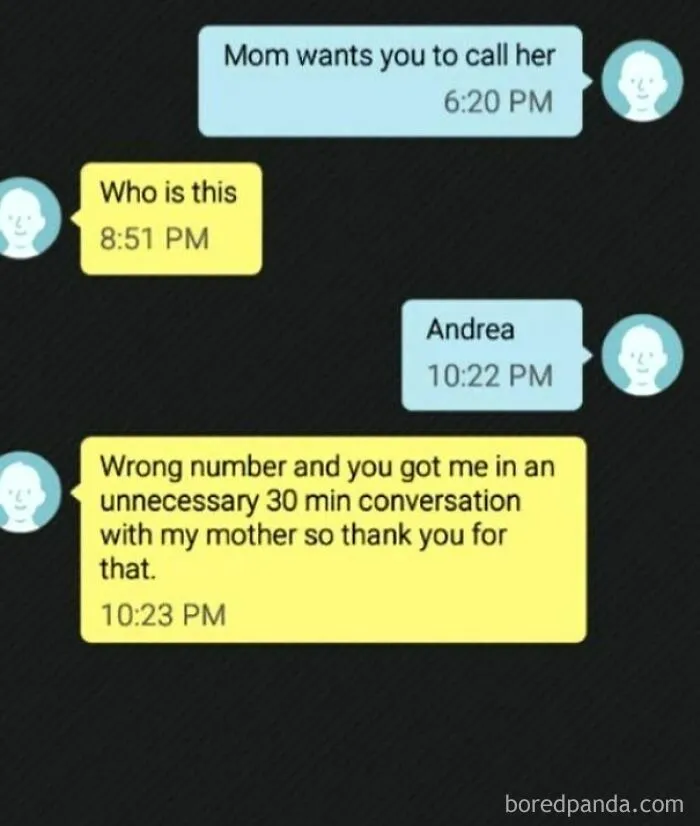
Texting is so easy that we sometimes send messages without thinking twice or checking who’s on the receiving end. One minute, you’re gossiping with your best friend; the next, you’ve sent your boss a message meant for your group chat.
Before hitting send, take a second to check the recipient. That tiny pause could save you a very awkward explanation at work.

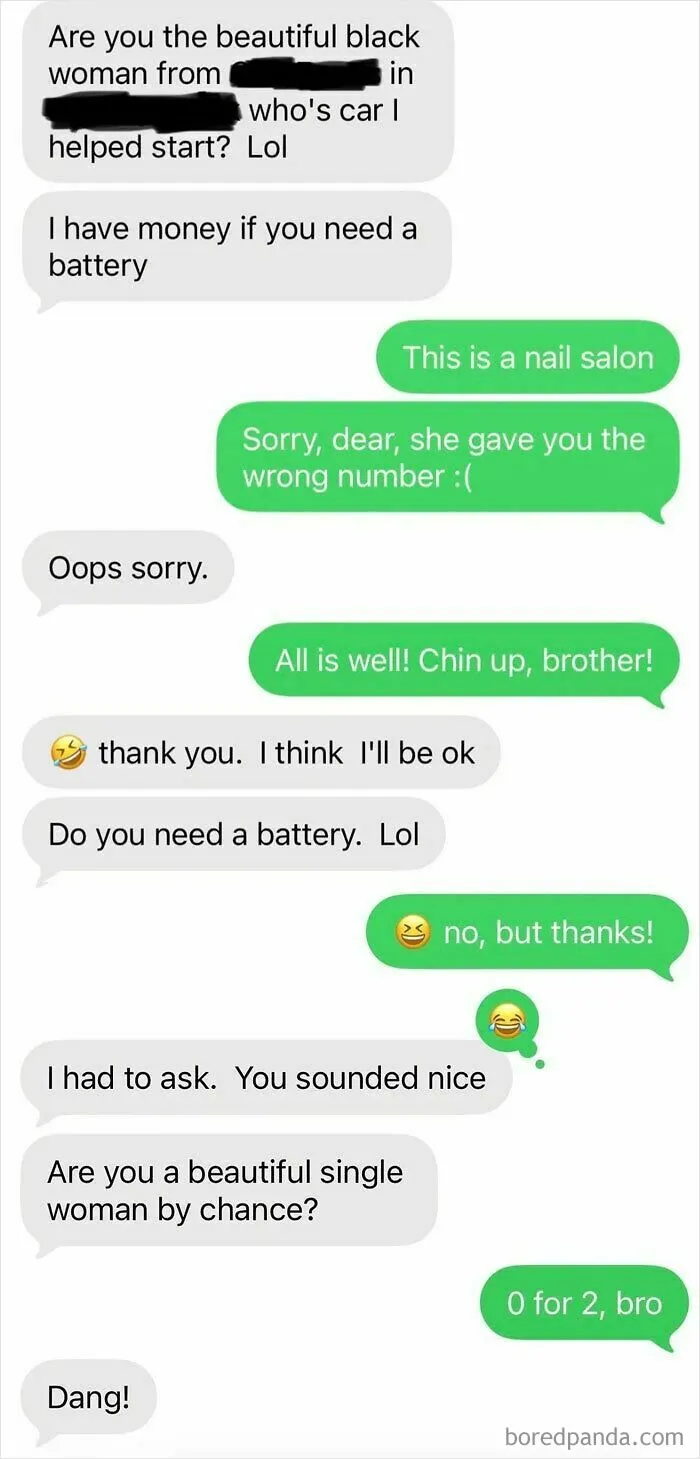
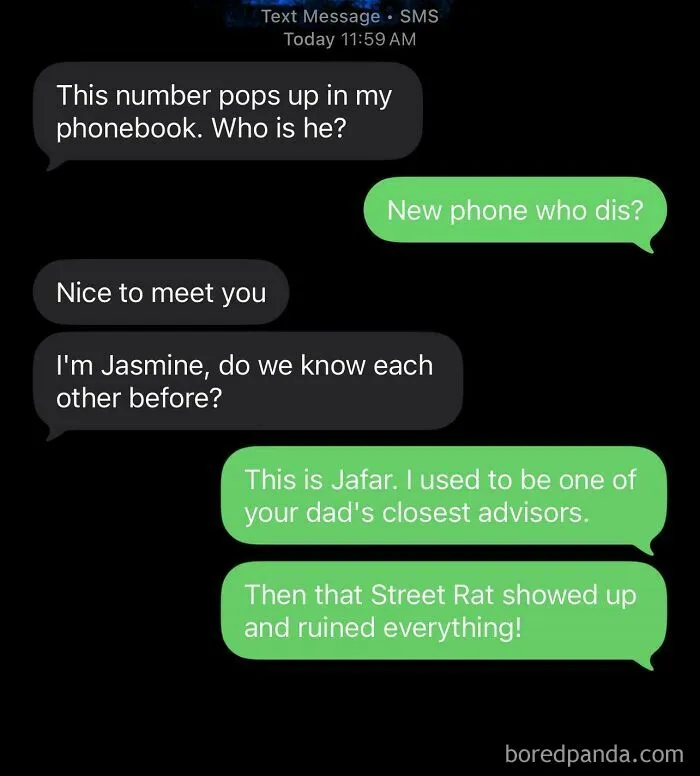
Sending an embarrassing confession to the wrong person might feel like the end of the world, but it’s the least of your worries if you accidentally share information someone could use against you. Before sending anything sensitive, double-check the number and ask whether you need to send the message at all.
Never casually share your address, travel plans, financial details, passwords, or one-time verification codes with strangers. Someone might laugh off your mistake and delete the message, but you can’t count on everyone being so considerate.
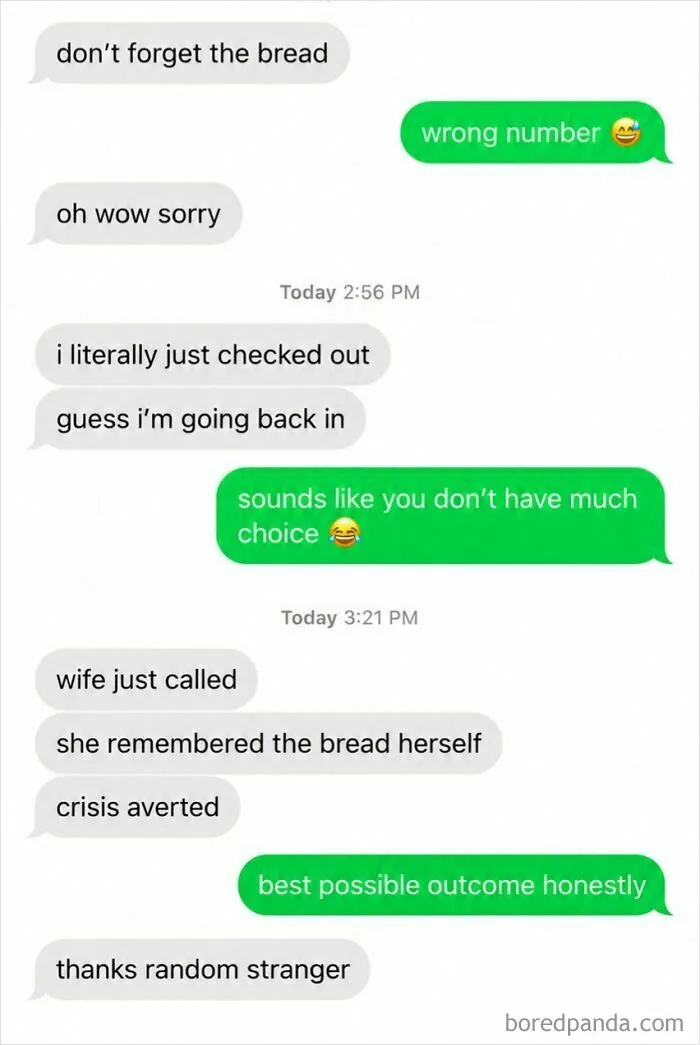
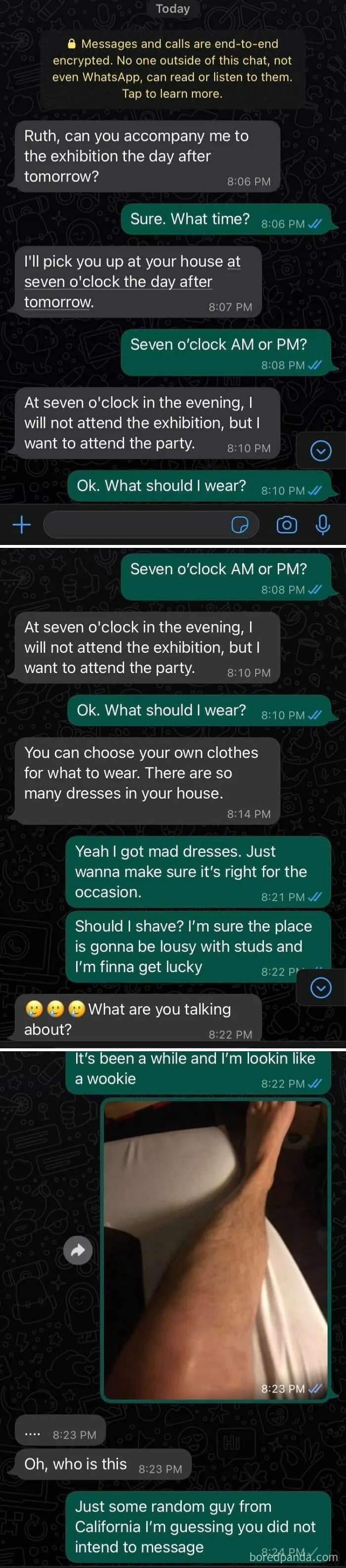
#9 Told A Wrong Number I’ve Been Waiting 60 Years… Now I’m Committed To The Story
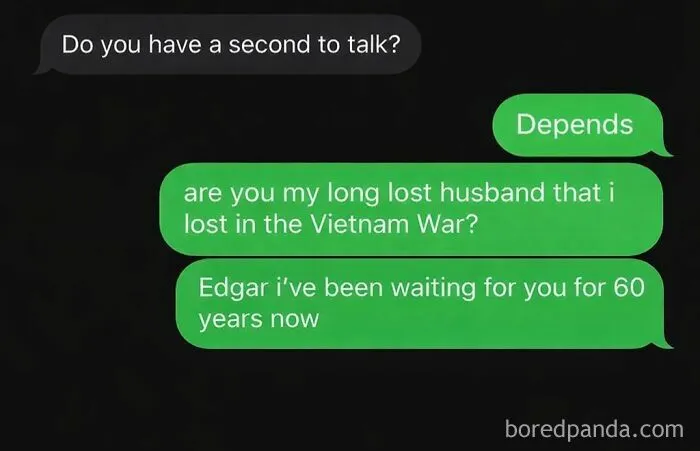
Sometimes, receiving a message from an unfamiliar number isn’t a mistake at all. The Commodity Futures Trading Commission warns that scammers use seemingly accidental texts to start conversations, build trust, and eventually introduce romantic interest or supposed investment opportunities.
Someone who seems eager to become your new best friend might have an ulterior motive, so be careful about how much you share with people you’ve only just met online. A stranger’s friendliness doesn’t prove they have good intentions.
#10 Kevin Accidentally Gave Out My Number And Somehow I Became Responsible For His $20 Debt

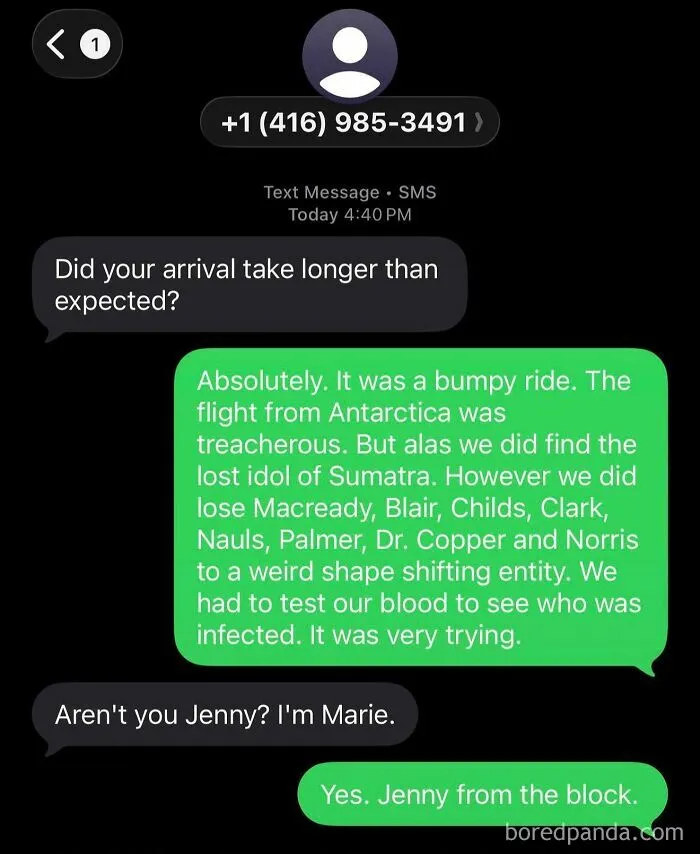
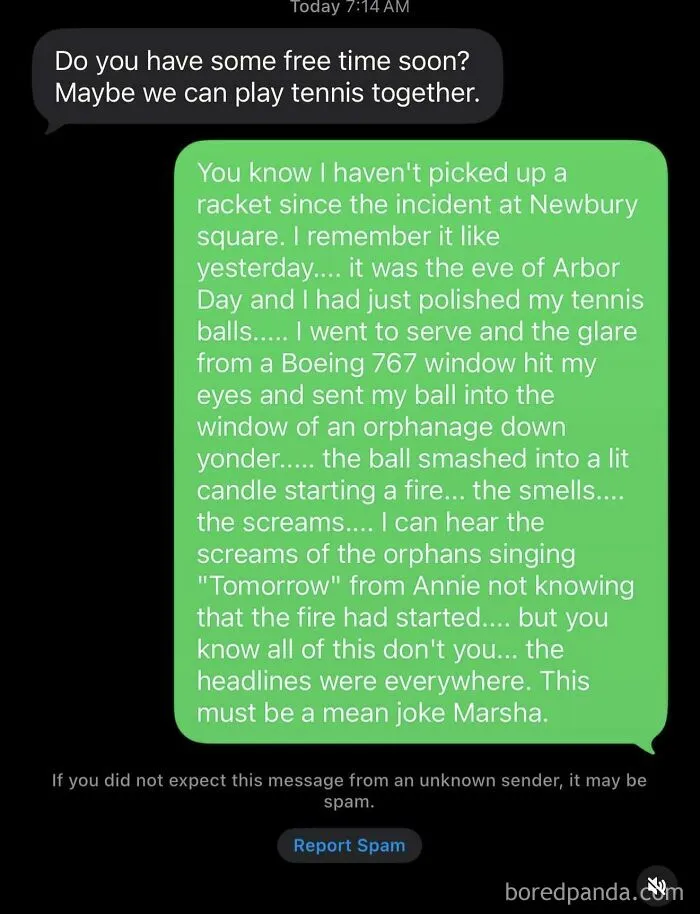
Scammers also know how to make a message sound urgent enough to get you to act without thinking. You might receive a text claiming your bank account has been compromised, your package is delayed, or you must click a link immediately to avoid a penalty.
The cybersecurity experts advise against clicking suspicious links or sharing personal information in response to unexpected texts. If a message claims to be from your bank or another company, contact them through their official website or phone number instead.
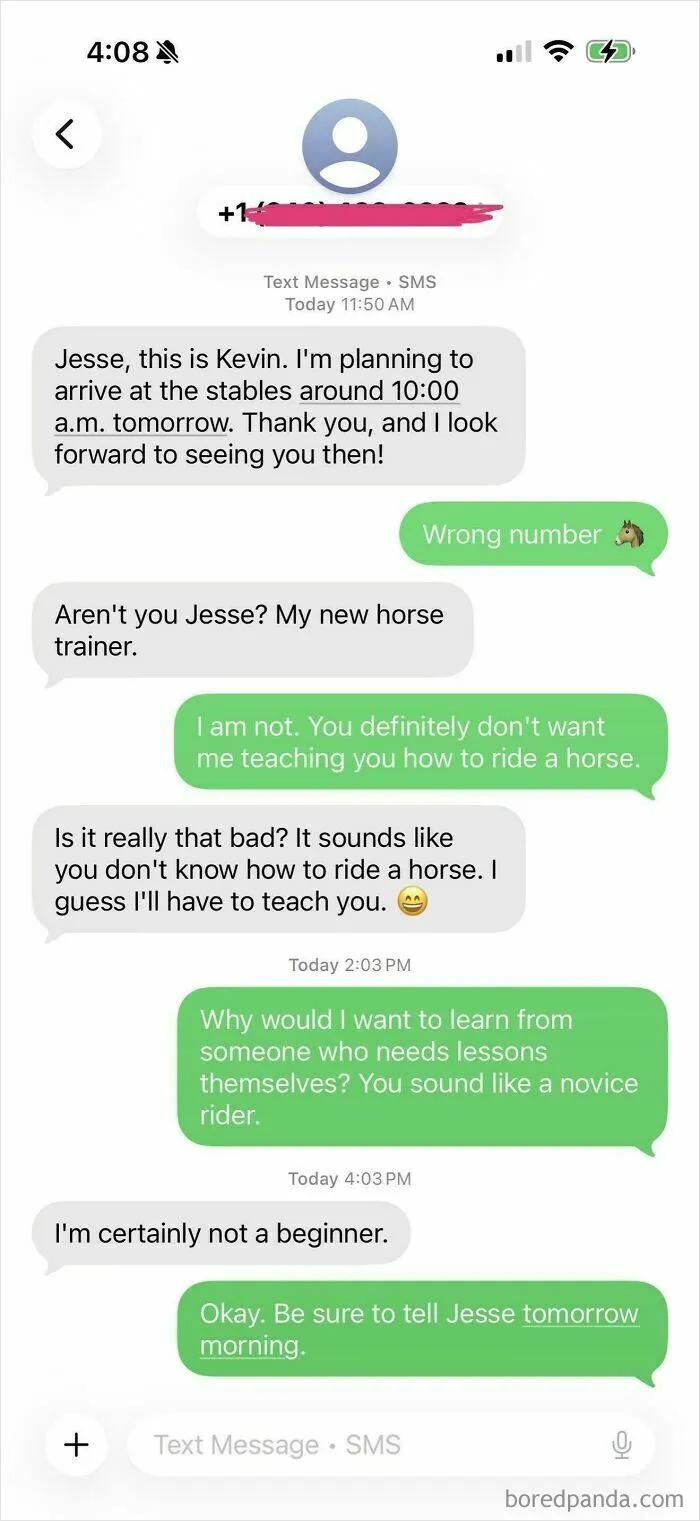
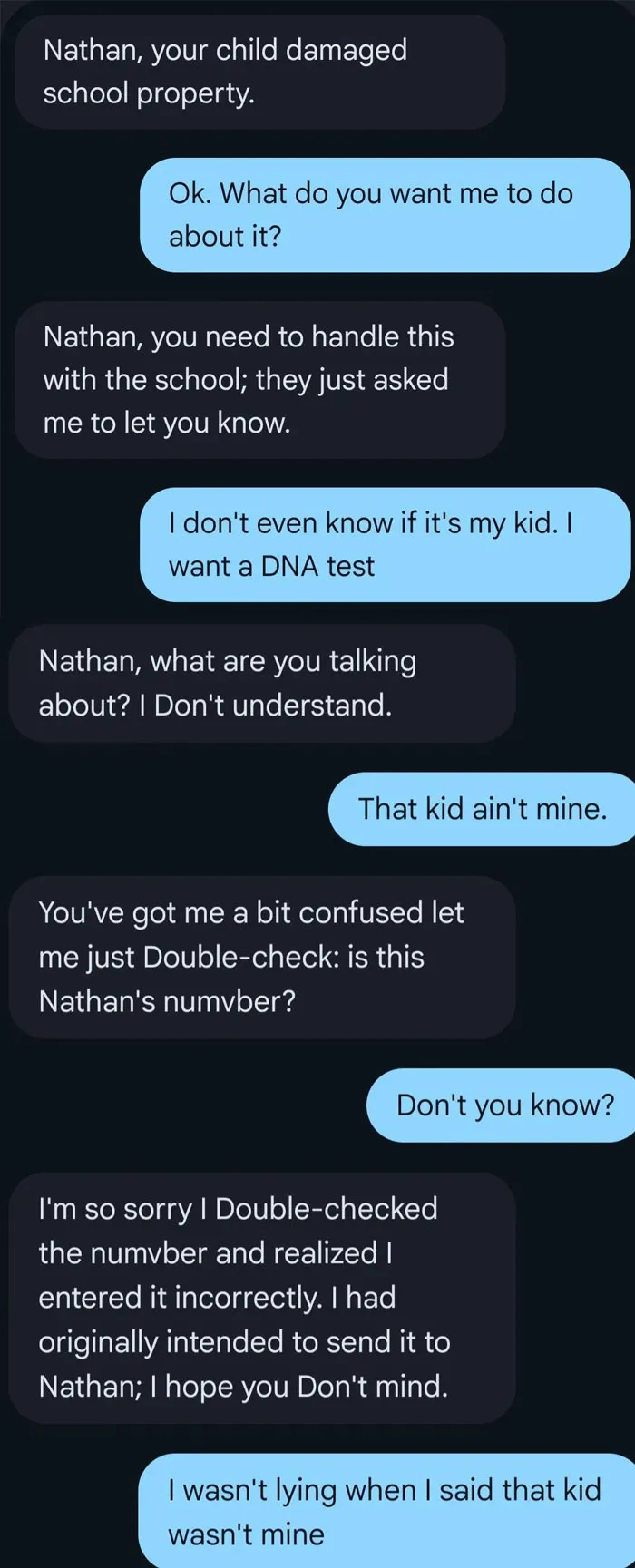
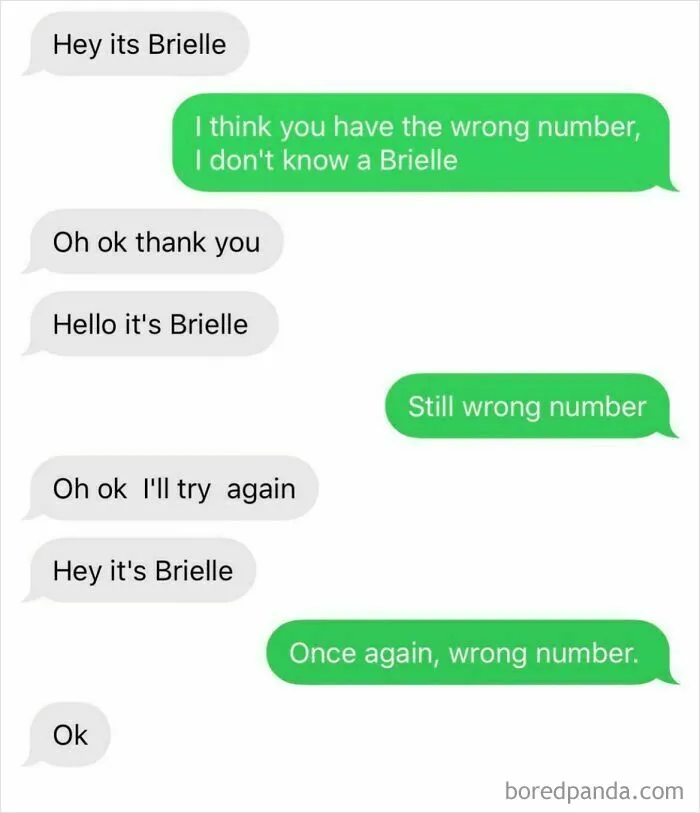
Scammers can also pretend to be people or organizations you already trust. The UK National Cyber Security Centre advises looking out for messages that use fear, urgency, or tempting promises to pressure you into acting.
Be wary of unexpected requests for money or personal information, especially when you haven’t confirmed who’s contacting you. Even a convincing profile picture and a perfectly written message don’t prove someone is genuine. Unfortunately, scammers have spellcheck too.
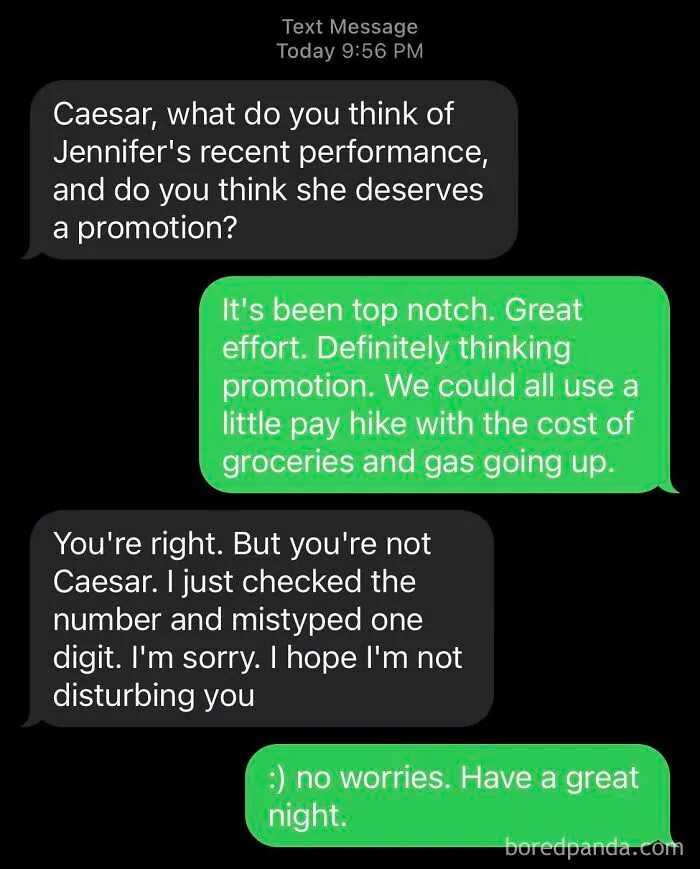
If a message seems suspicious, you don’t have to keep replying to figure out what’s going on. Avoid clicking links, block the sender, and report the message through your phone or messaging app.
If you’ve already shared a password, change it as soon as possible. If you’ve revealed financial information, contact your bank immediately for the appropriate security measures.