
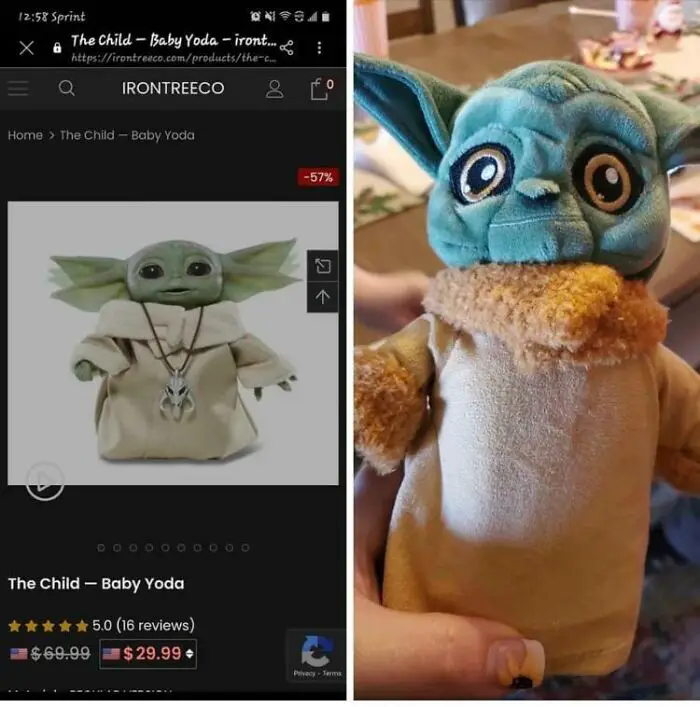
“With the internet, you aren't dealing with a person, but a username and avatar. It is much easier to act maliciously when you don't have a real victim directly in front of you," the expert in scams told Bored Panda.
"Online scams also use a lot of tricks to pressure buyers; low prices, pushes to buy now!, taking advantage of someone's kindness or naivete (re: advance check fraud, money mules, etc), or advertising one product and sending another (or nothing at all, by using a fake tracking number). Getting a person to make a decision via high-pressure tactics and preventing them from reflecting and making a sound decision is key," they said.
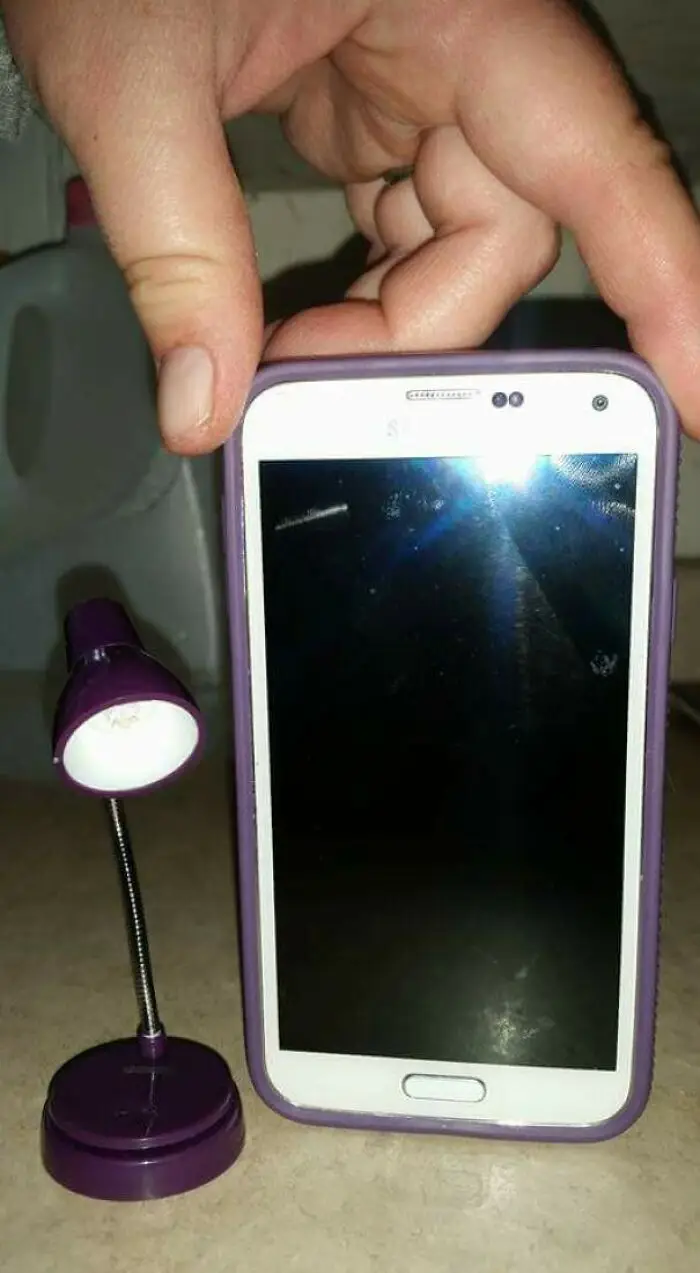
#22 I Ordered A Desk Lamp From Amazon. I Should Have Read The Specs More Carefully
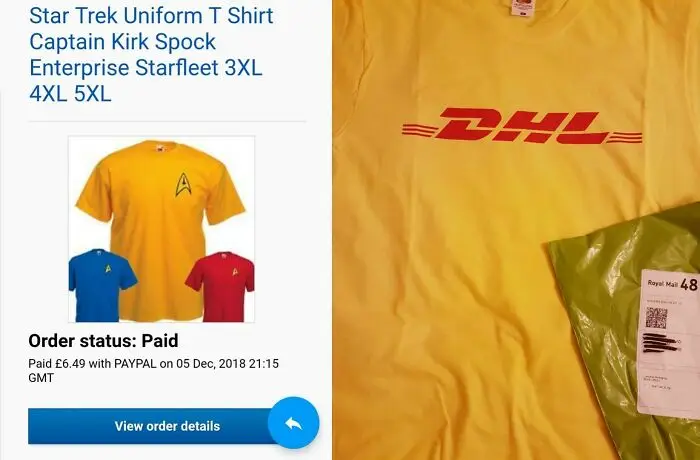

"If a deal is too good to be true, it is. If you see a pair of brand-new Apple AirPods advertised for $50, you are not getting an authentic product. There are many counterfeit items out there on the market, and you need to verify authenticity before hitting buy," they warned people to resist the temptation to buy things the moment they see them advertised on the internet.
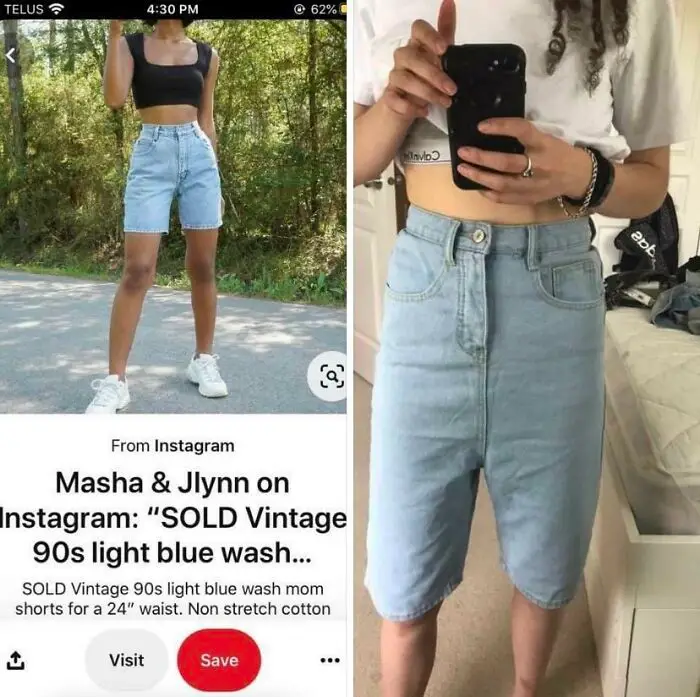
#25 These Shorts My Friend Ordered From An Instagram Ad... Just A Little Bit Different From The Advertisement!
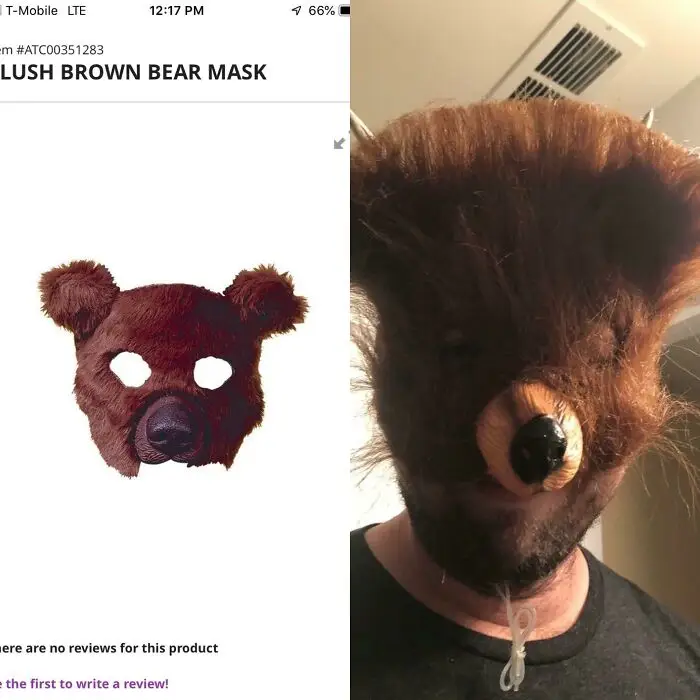
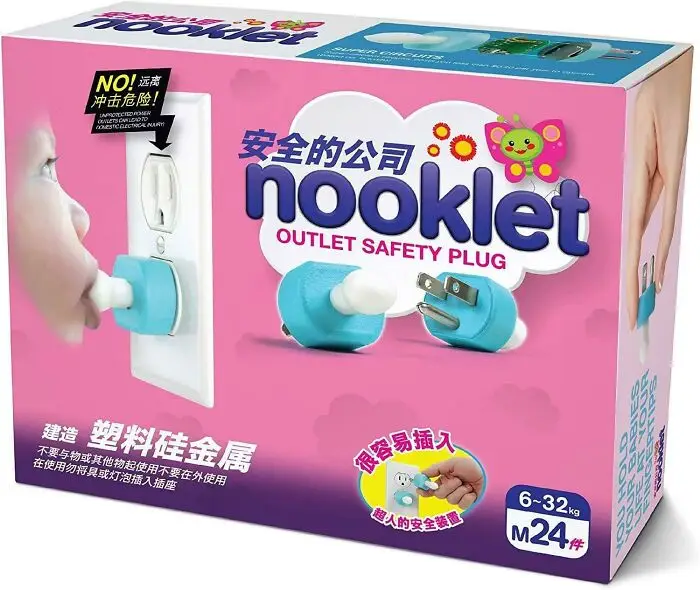
"Not only to avoid contributing to the counterfeit market, but because these knockoff products do not always go through the same safety standards of the real item; they may not be UL certified, they may use chemicals or ingredients that are not FDA approved and are unsafe for use on or in the human body, or could cause major harm to human life or property."
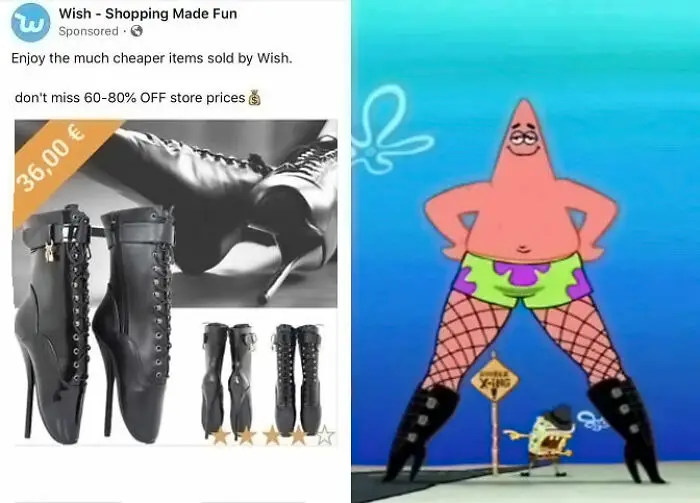
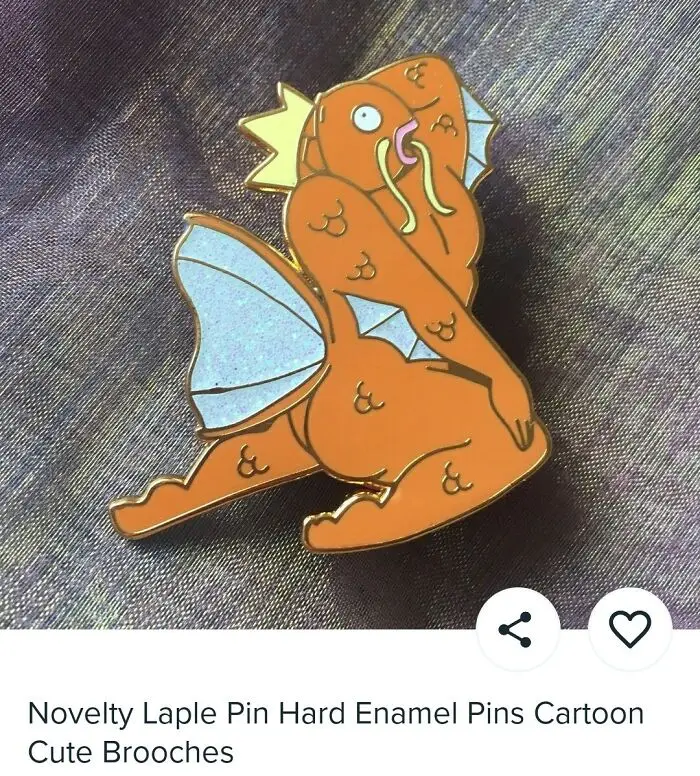
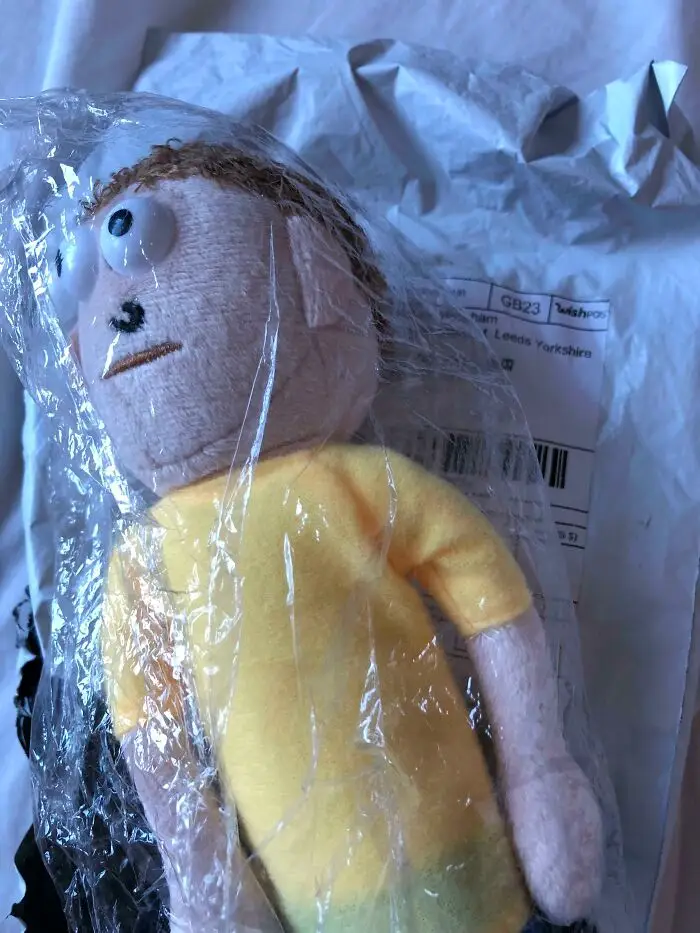
Which of these shopping fails made you do a double-take, dear Pandas? Which ads did you think were the weirdest of the weird? What's your experience with online shopping been like? Have you ever gotten something different than advertised? Feel free to share your thoughts in the comment section at the bottom of the article.