

"You could respond to 'Would you suggest something better?' with 'Well, I see you've got some great ideas already, but I think we could perhaps make the whole thing work even better,'" said Paul.
"Of course, with the wrong tone, they would all come out nasty. It's not really about the text, so much as it is the tone."
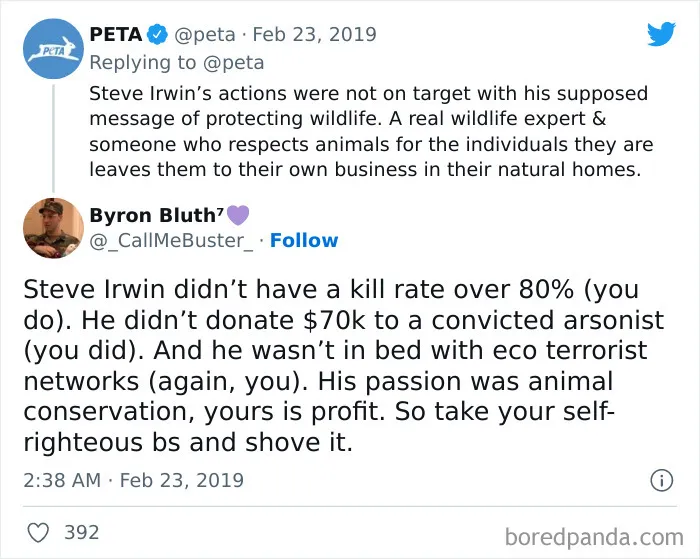
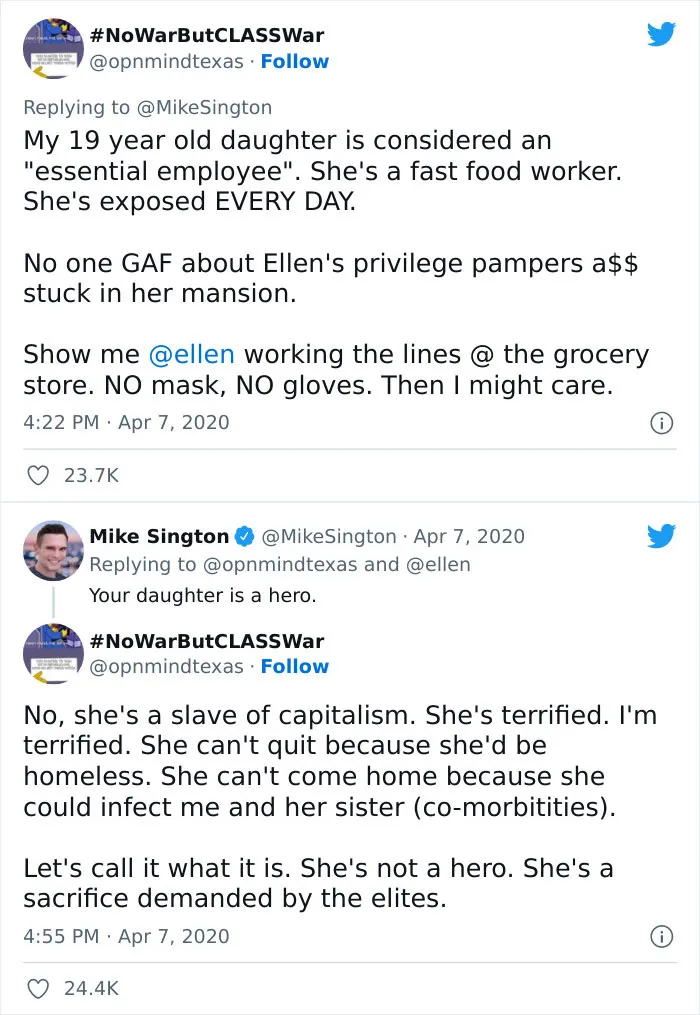
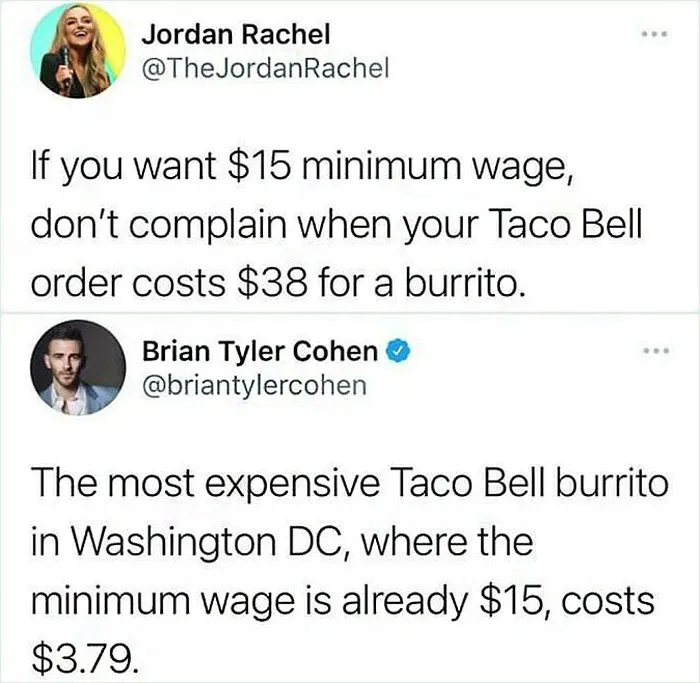

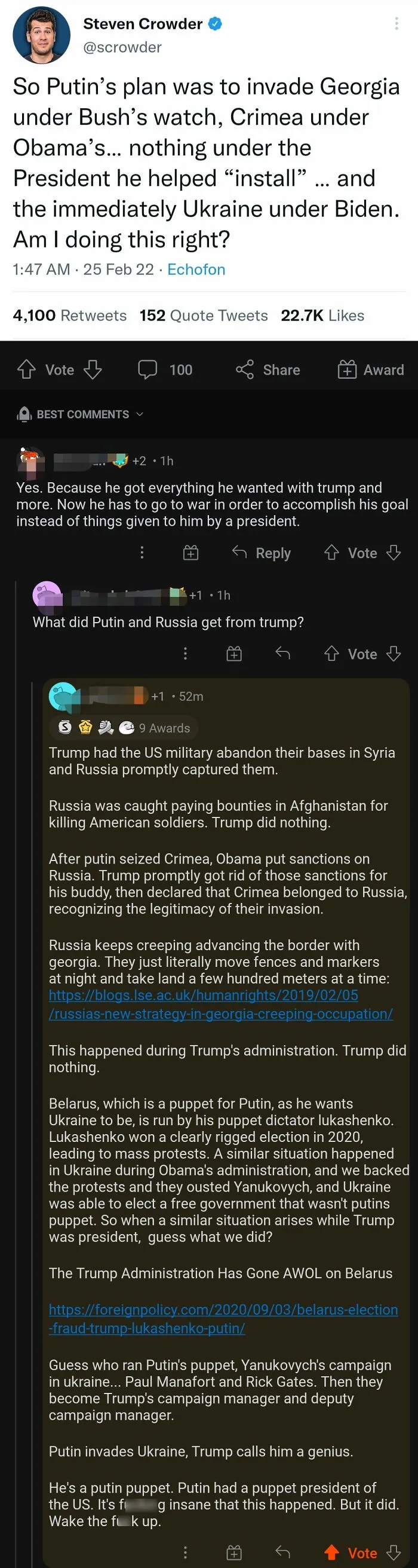
There’s something to be said for killing someone with kindness and often the best retorts are comebacks that are witty, take the higher moral ground, are appropriate, and most importantly, positive.
According to Belina Raffy, a business improvisation consultant who once worked with a condescending manager, when banter turns toxic, it kills all ideas in the office. Even worse, it leaves a negative drag on other people's energy and tears teams apart.
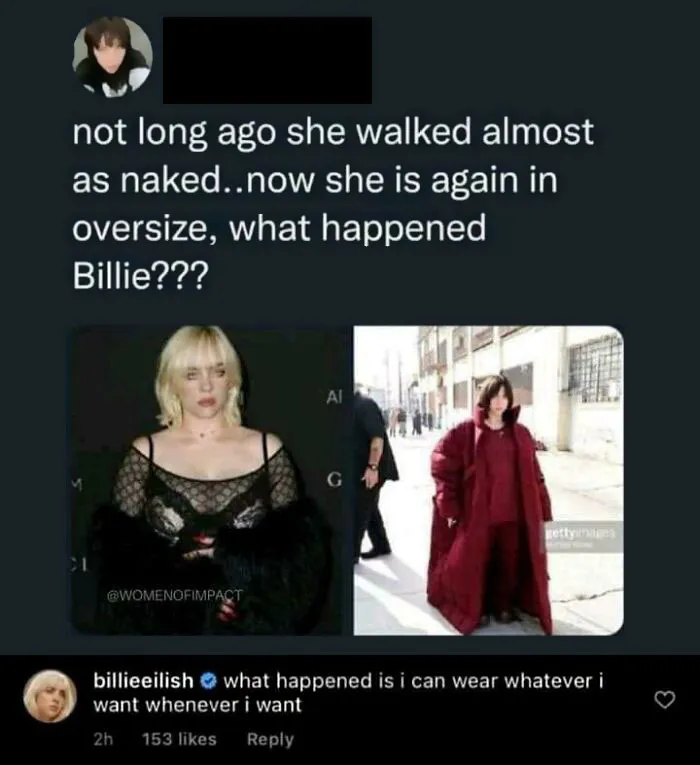
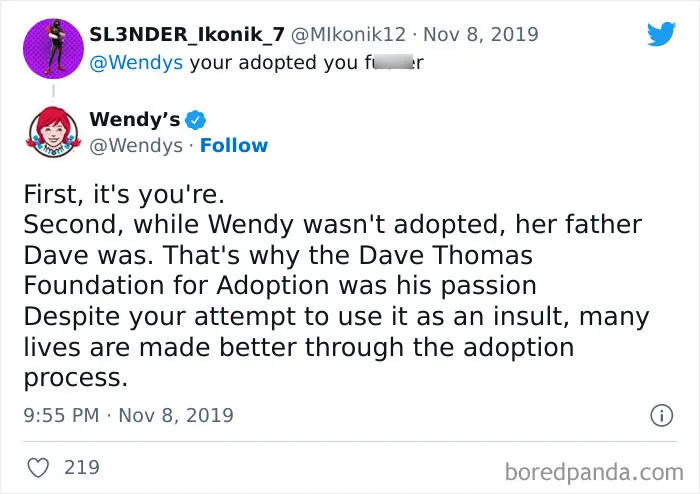

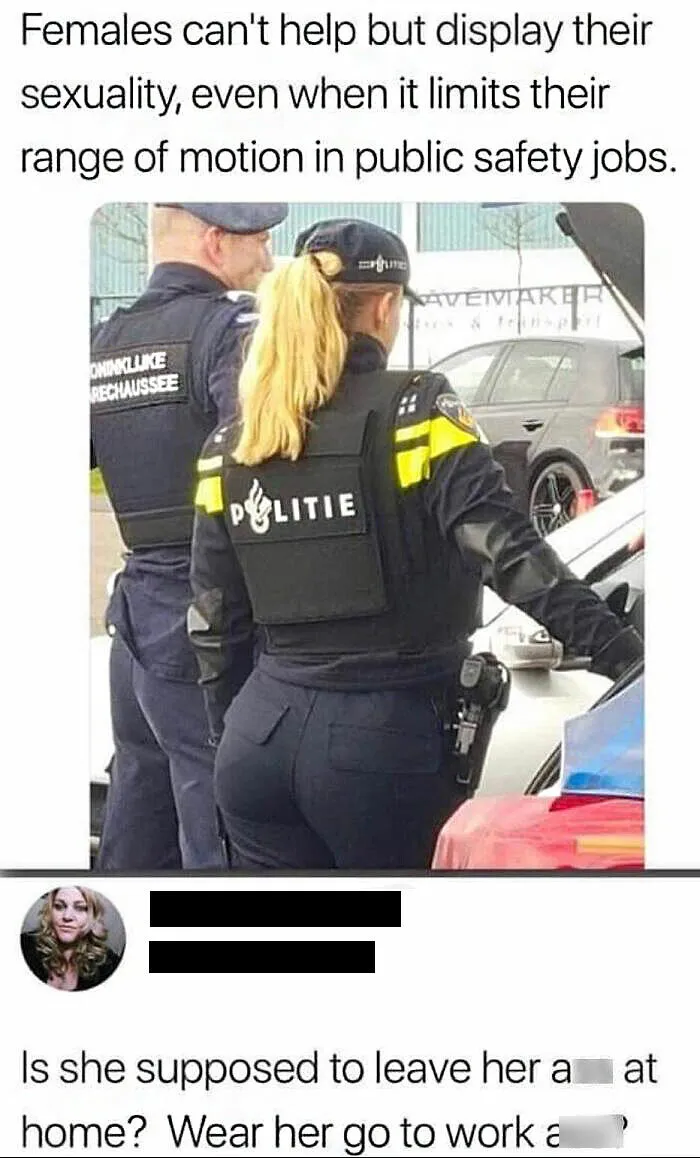
When a negative comment is made in a work setting — where, hopefully, everyone wants to see projects succeed and keep their jobs — those comments usually come from a place of insecurity.
For example, a colleague may be unsure how to approach a particular task — he may believe that throwing the attention back to somebody else with a negative retort will remove the focus from his (real or perceived) ineptitude.
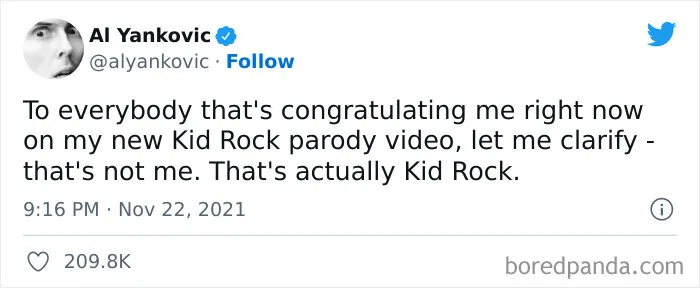

Positive comments are generally a far better tool for keeping projects on track while showing your love of linguistic acrobatics. Others will find the humor in them and negative interactions quickly cease. If a colleague says, "this project is going nowhere fast," you could say, "at least it's going and I intend to steer it in the right direction."
In fact, according to Raffy, positive witty comments build trust among colleagues, bosses, and subordinates, and they can turn a formerly harsh environment into an accepting one, where everyone’s opinion matters.

Negative comments, however, do the opposite. "They increase tension, make a person feel excluded or inferior, and as though they are not in the 'in group' which is in the know," she pointed out.
Raffy recommends trying to reveal the "ridiculousness of the situation," without making the antagonist into the villain. It's much better to turn them into the "victim" of the absurd circumstances instead.