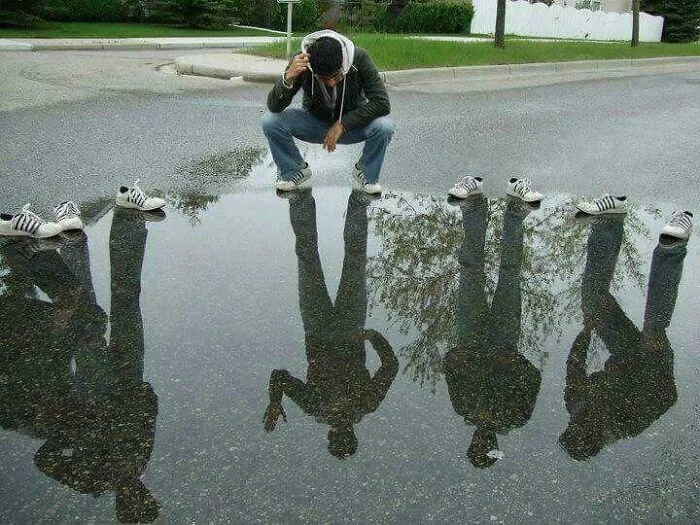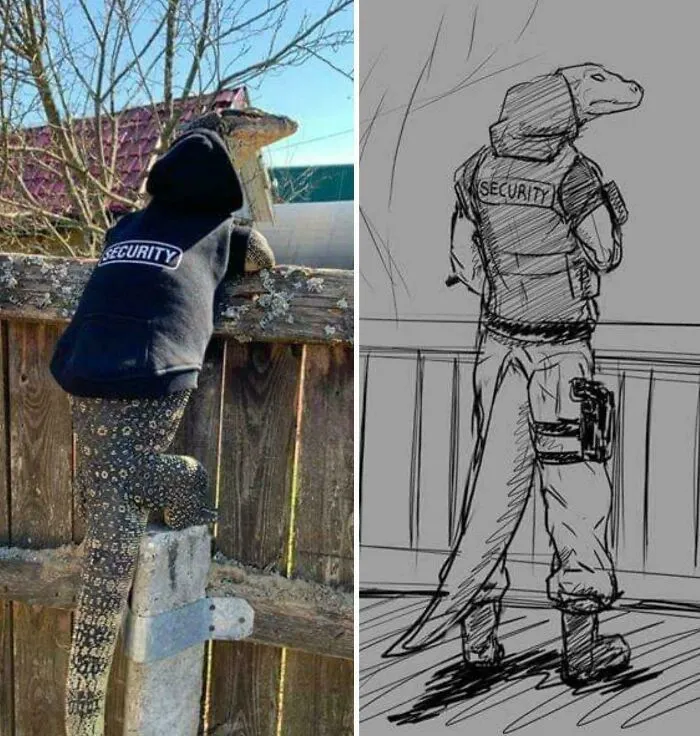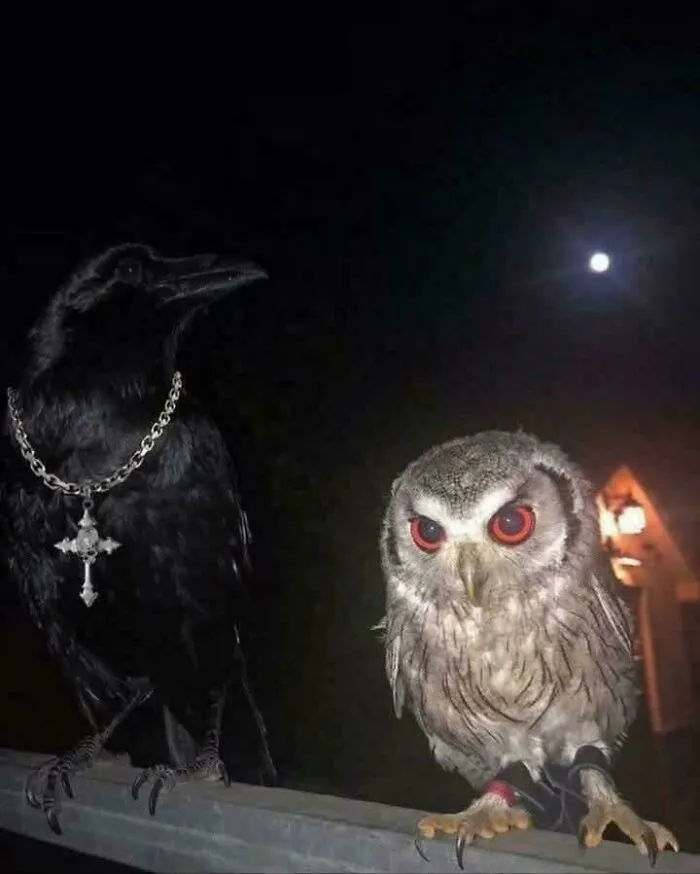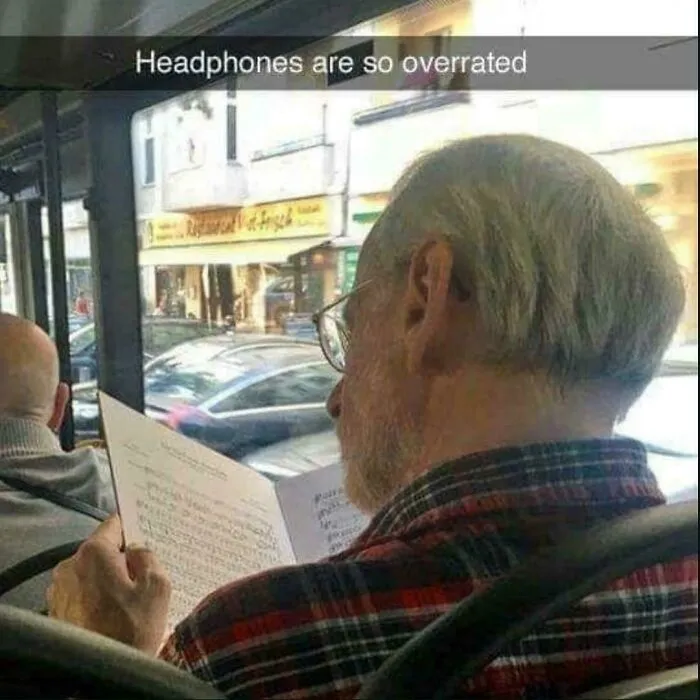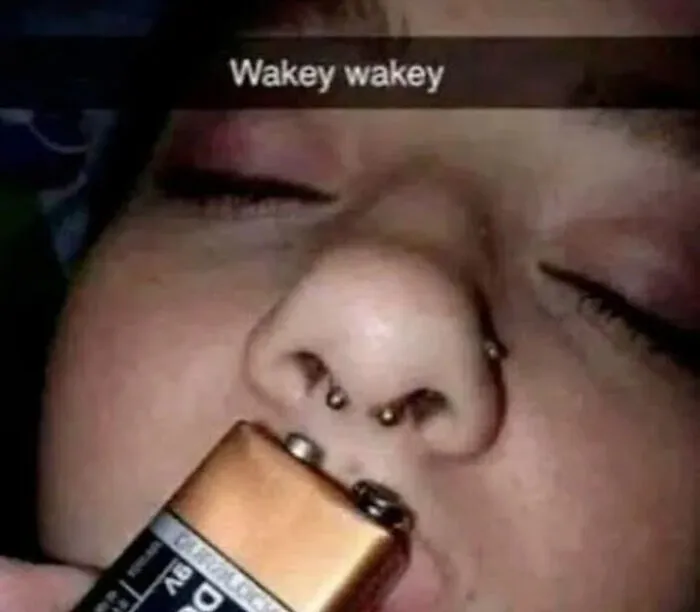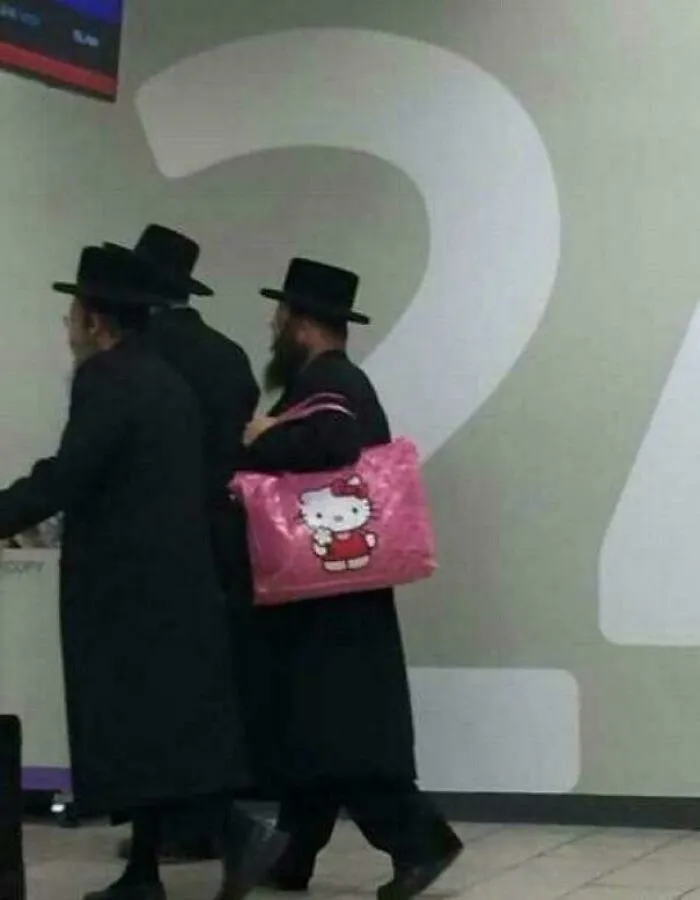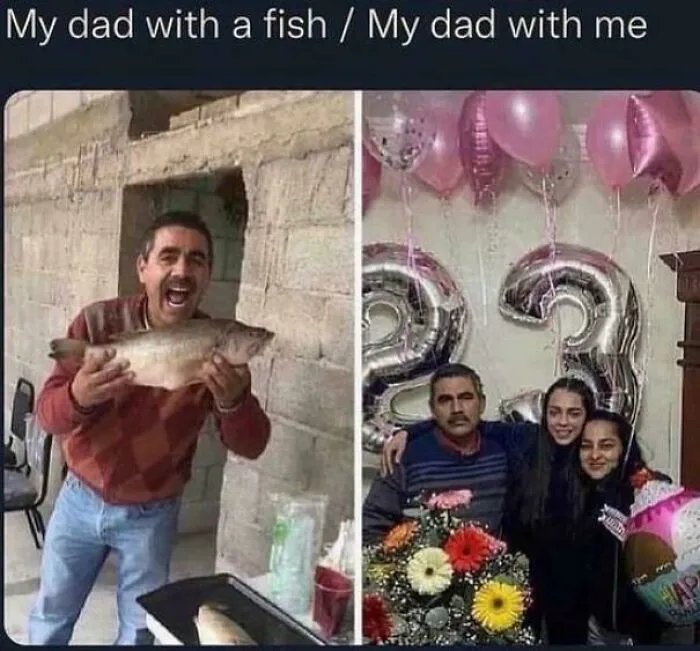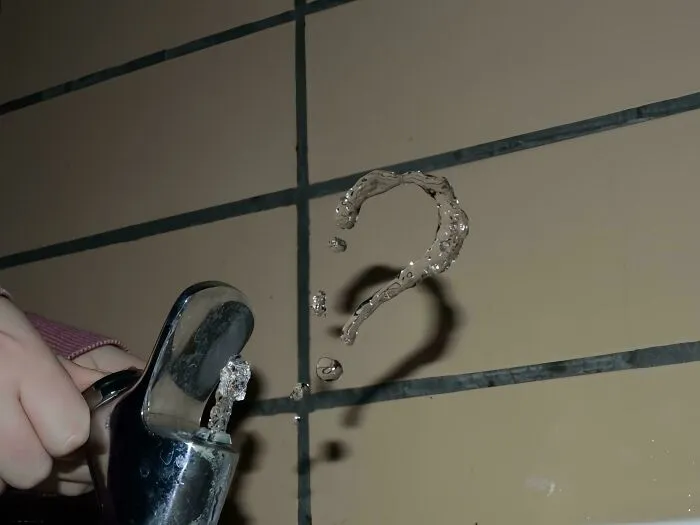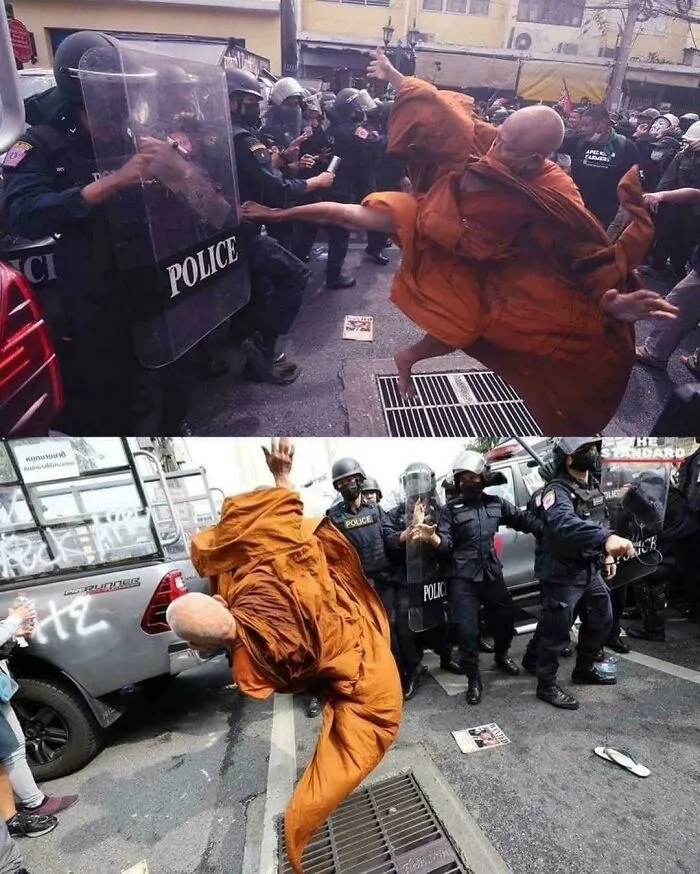
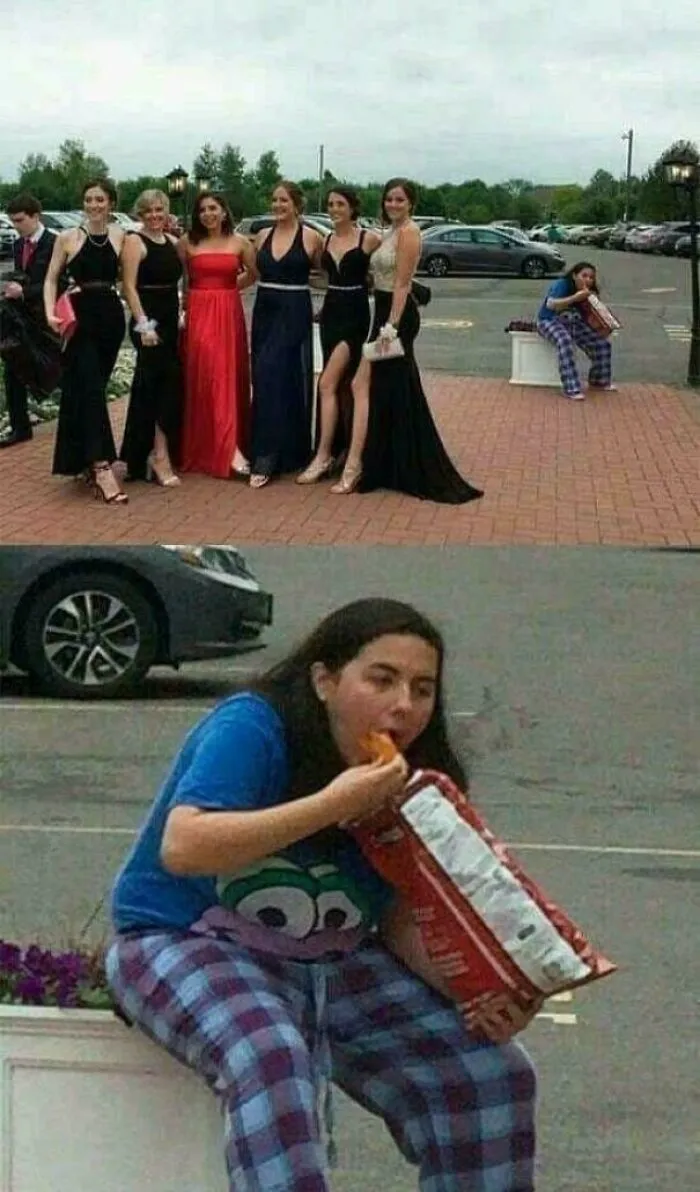
There's also something delightfully generous about the "feel free to screenshot" portion. In a digital landscape often characterized by gatekeeping, paywalls, and content restrictions, this phrase embodies radical hospitality. It's saying "I have created or found this thing, and I want you to have it too." Even when used ironically, there's an underlying sweetness to the gesture. Yes, you're being invited to screenshot a picture of someone's oddly shaped chicken nugget, but you're being invited nonetheless.
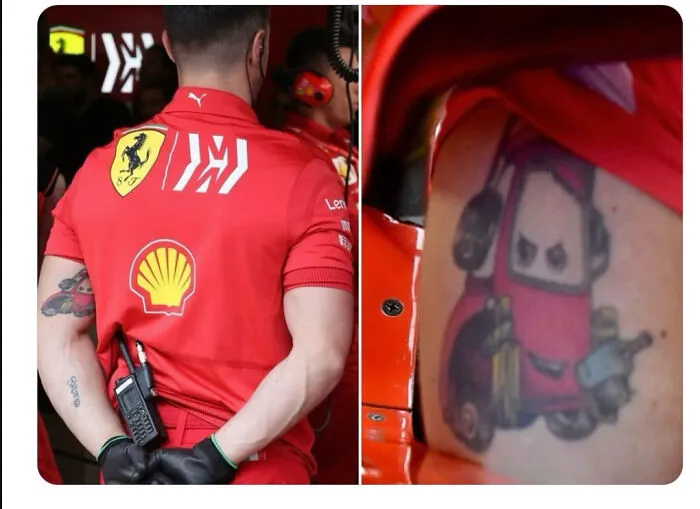
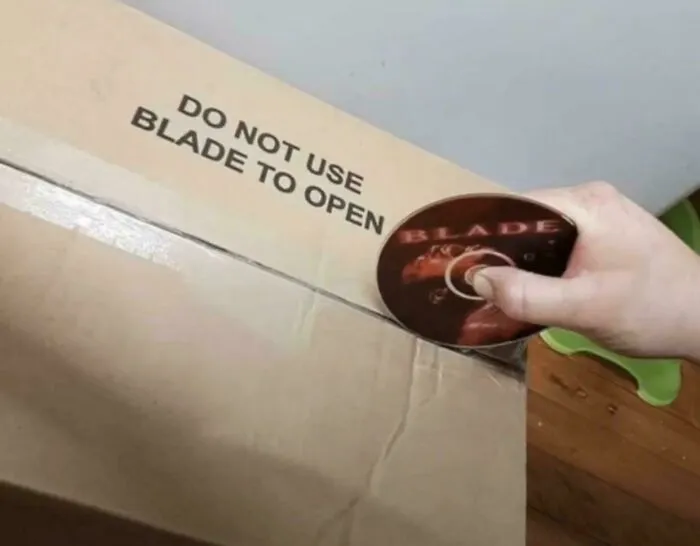
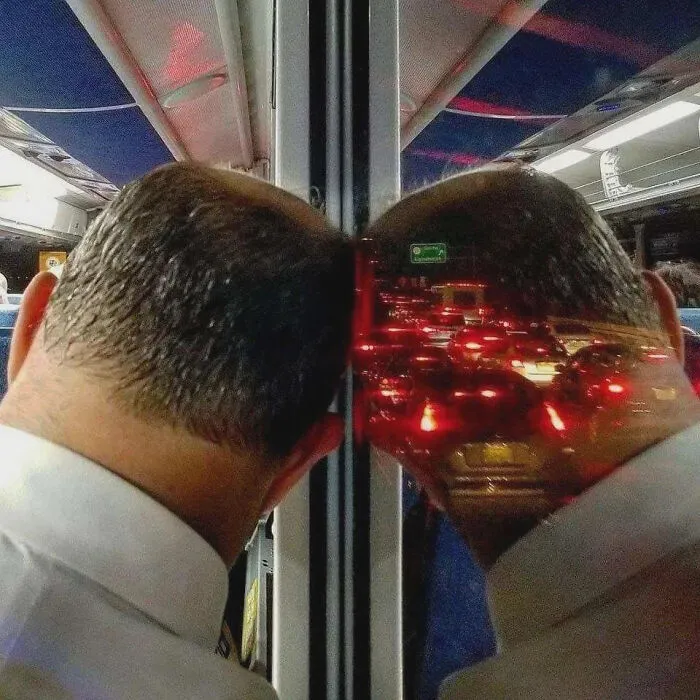
The trend has spawned countless variations and spin-offs. People caption images with "this pic goes hard, please don't screenshot" for reverse psychology humor. Others use "pic goes medium" for images of ambiguous quality. There are entire accounts dedicated to curating pics that go hard, creating galleries of images that range from genuinely striking to bewilderingly random. The phrase has been remixed into other contexts: "this tweet goes hard," "this song goes hard," "this recipe goes hard."
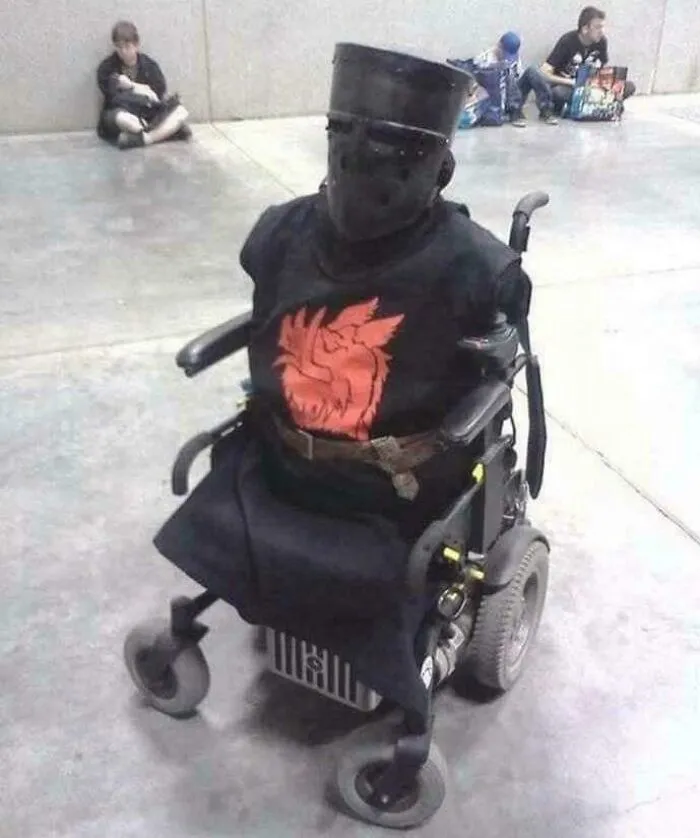
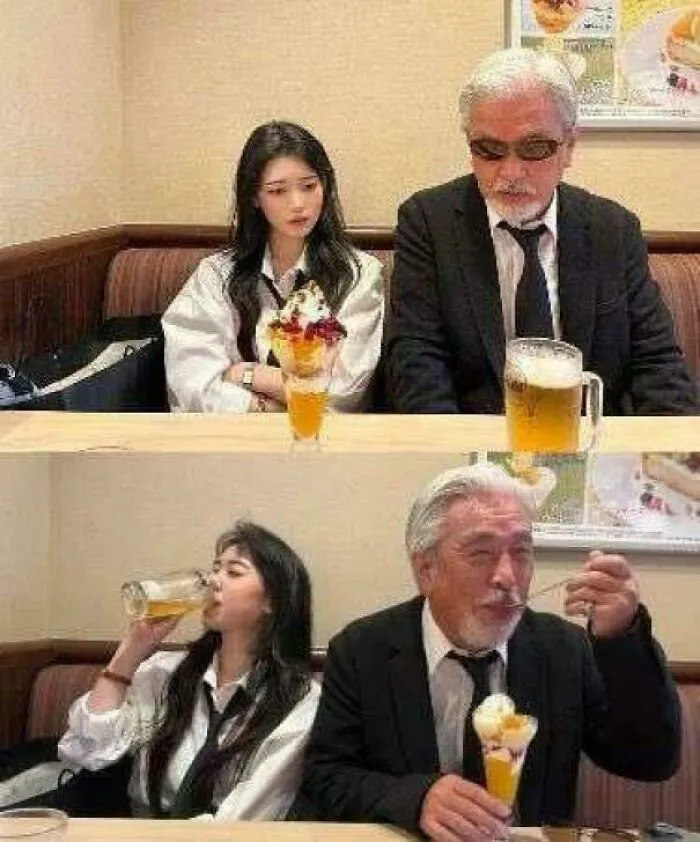
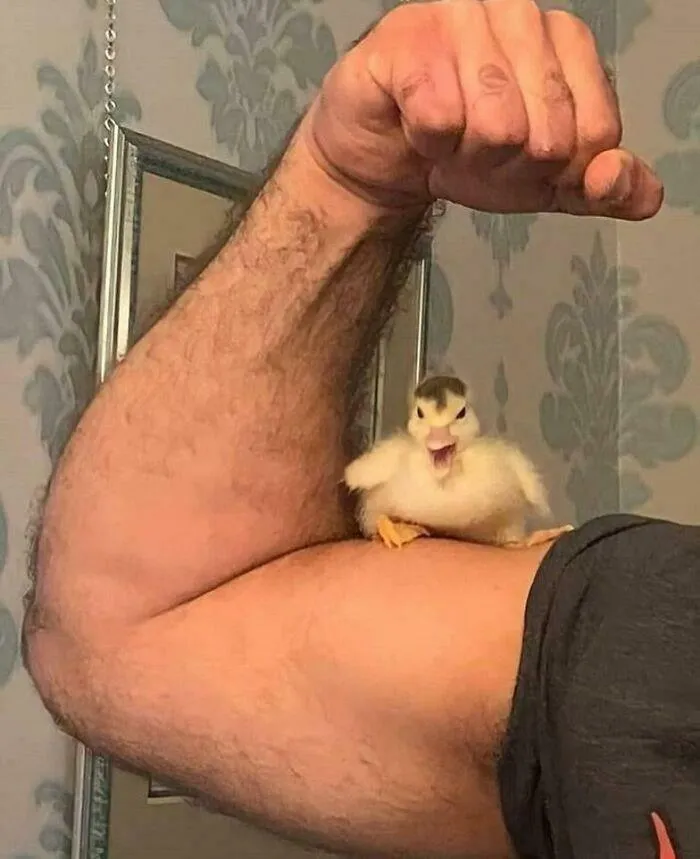
What's particularly entertaining is watching different communities interpret what makes something "go hard." Gaming communities might apply it to screenshots of impressive in-game moments or hilariously bad graphics glitches. Food accounts use it for both beautifully plated dishes and catastrophic cooking failures. Pet accounts deploy it for animals caught in poses of either majestic dignity or complete chaos. The flexibility of the format means it works across virtually any context.
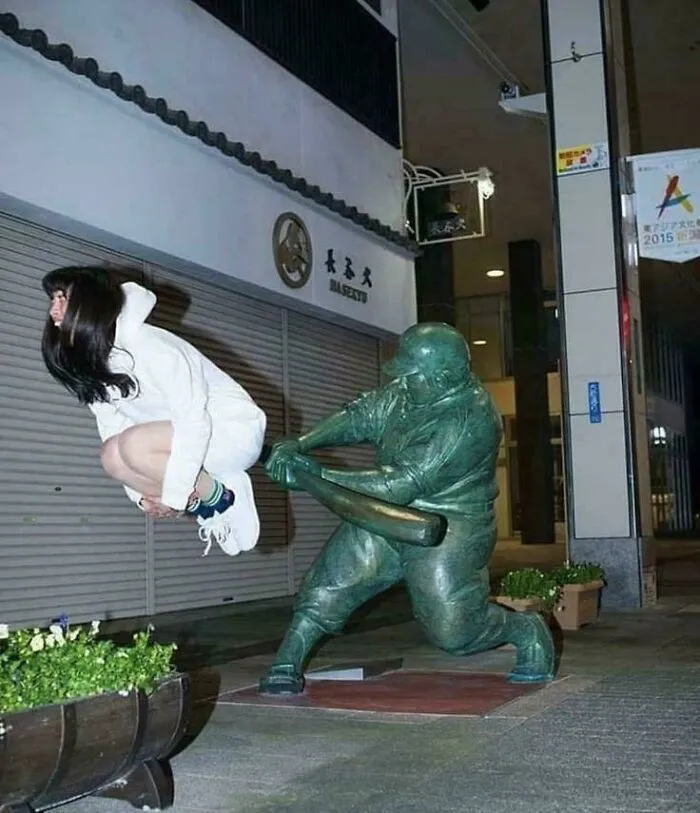
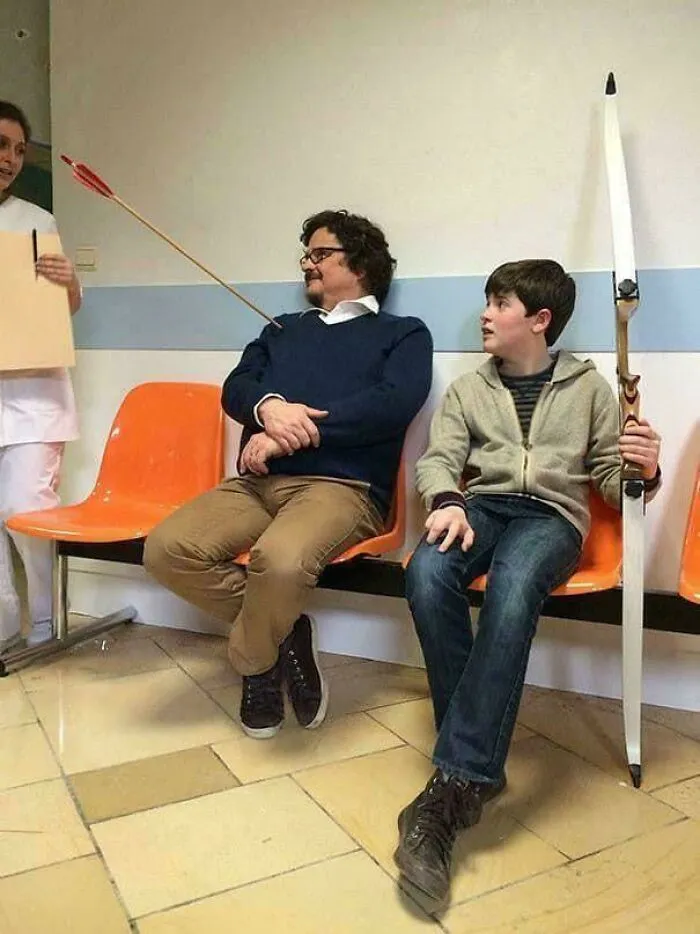
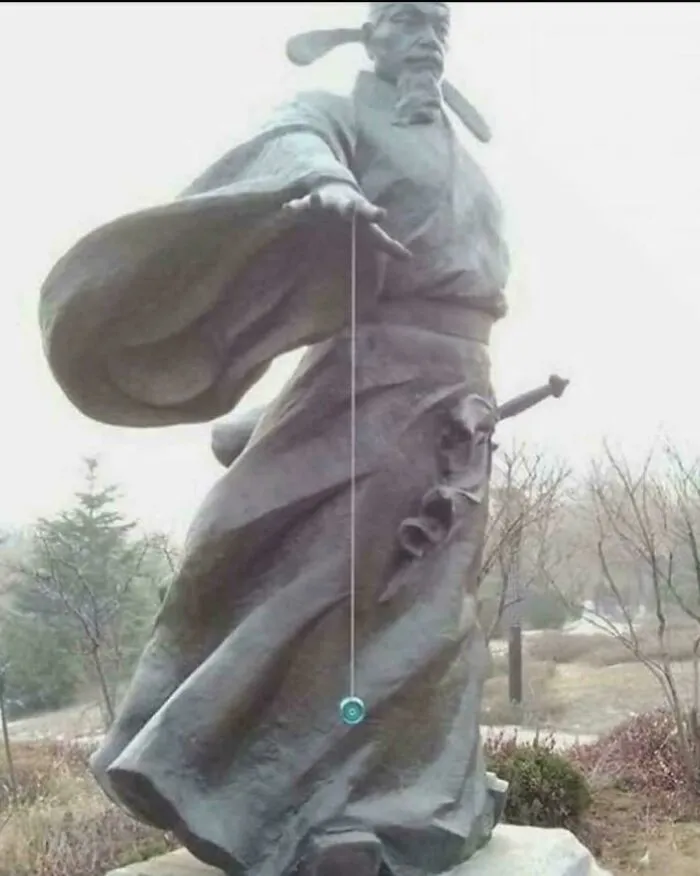
The staying power of "pics that go hard" speaks to something fundamental about internet culture, we love images that evoke strong reactions, even when those reactions are confusion, amusement, or ironic appreciation. We're constantly seeking content that sparks joy, laughter, or that ineffable quality of "I need to send this to someone immediately." When a picture truly goes hard, whether genuinely or ironically, it demands to be shared. So feel free to screenshot this entire article.