



Texting might take up a significant portion of our days, but as Caitlin Dewey explains in The Washington Post, it was never supposed to be this big. Communications scholar Colette Snowden found that early phone makers didn't think text messaging would catch on at all. Tapping out messages was a hassle, waiting for a reply was annoying, and the whole thing felt, as Dewey puts it, "so weirdly impersonal."
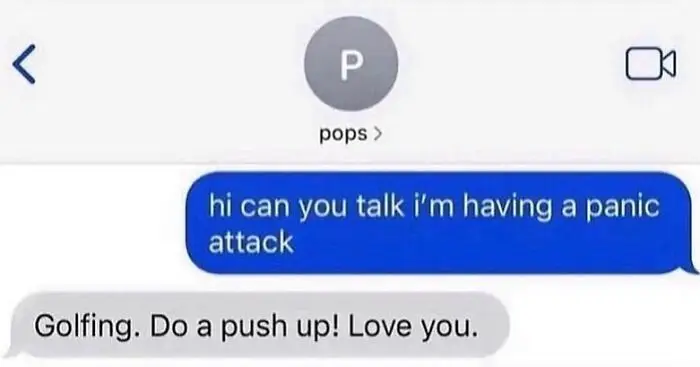
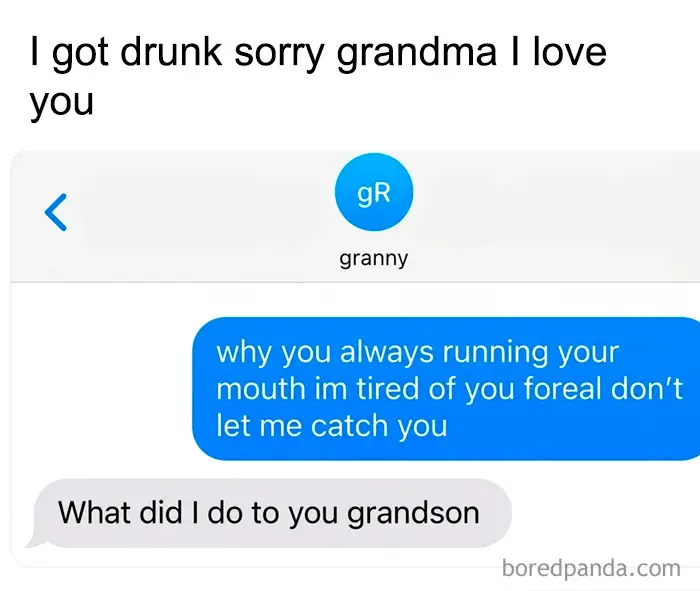
As it turns out, though, that quiet, reply-whenever-you-feel-like-it vibe was exactly what people loved about it. "The seeming limitations of the SMS system became one of its strengths," Snowden wrote. Because texting was silent, people could use their phones in places where a call just wasn't an option. And psychologically, it had some clear perks, too. You could take your time crafting the perfect reply, and the format forced you to keep things short and sweet.
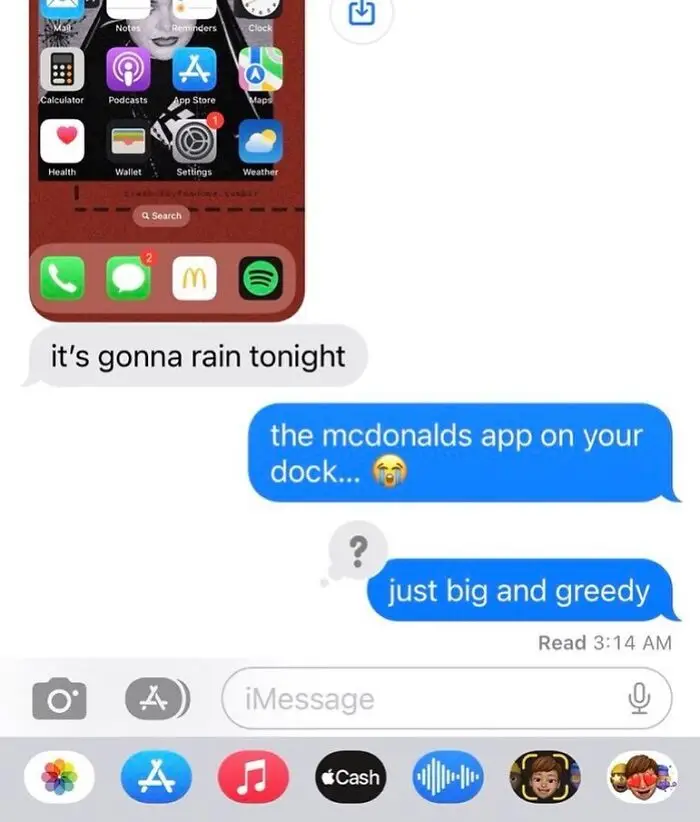
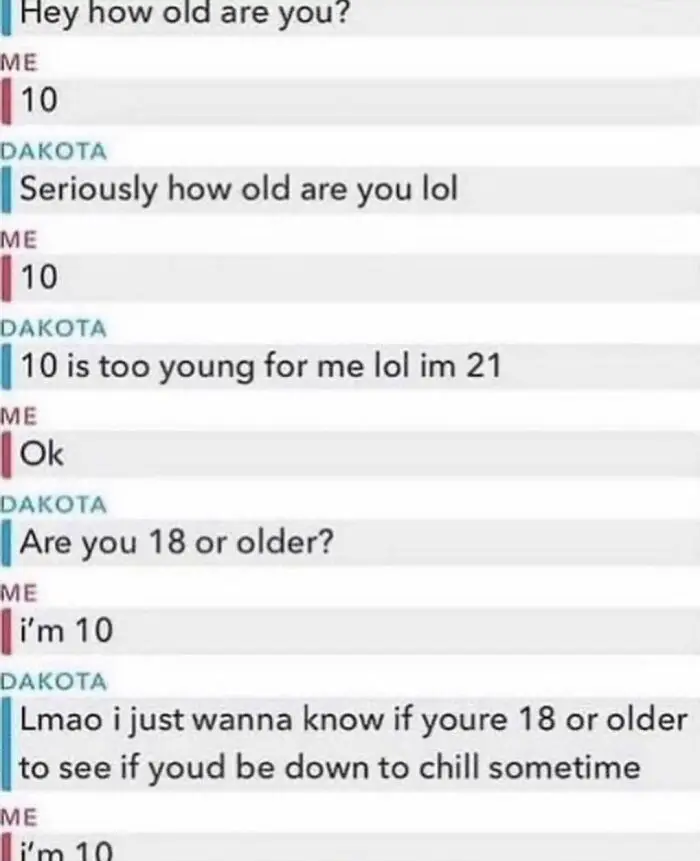
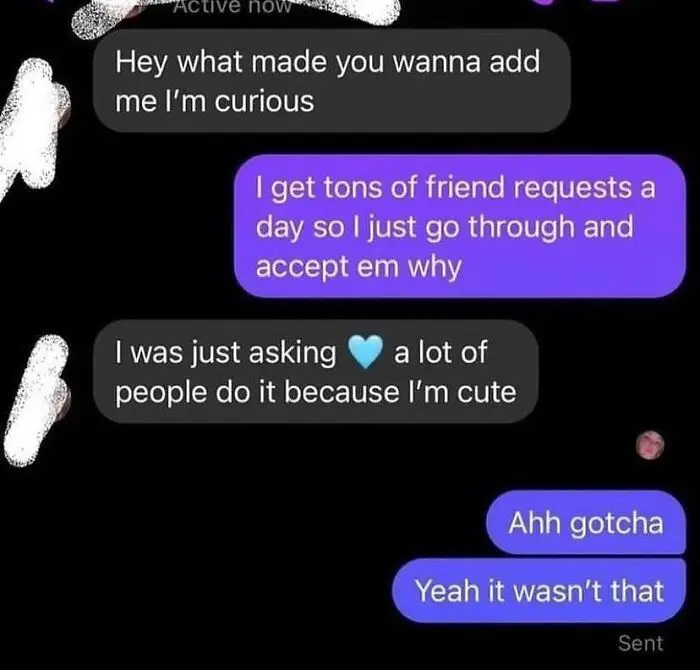
For writer Sophia Dembling, that makes texts “delightfully positioned in a sweet spot between the telephone and email.” In a piece for Psychology Today, she admits she loves texting, maybe even a little too much, because it lets her control her space and reply when she's ready. Some messages, like memes, don't even need a response; they're just someone's way of saying they saw something and thought of her. “Texts are little dings of connection all day long,” she writes.
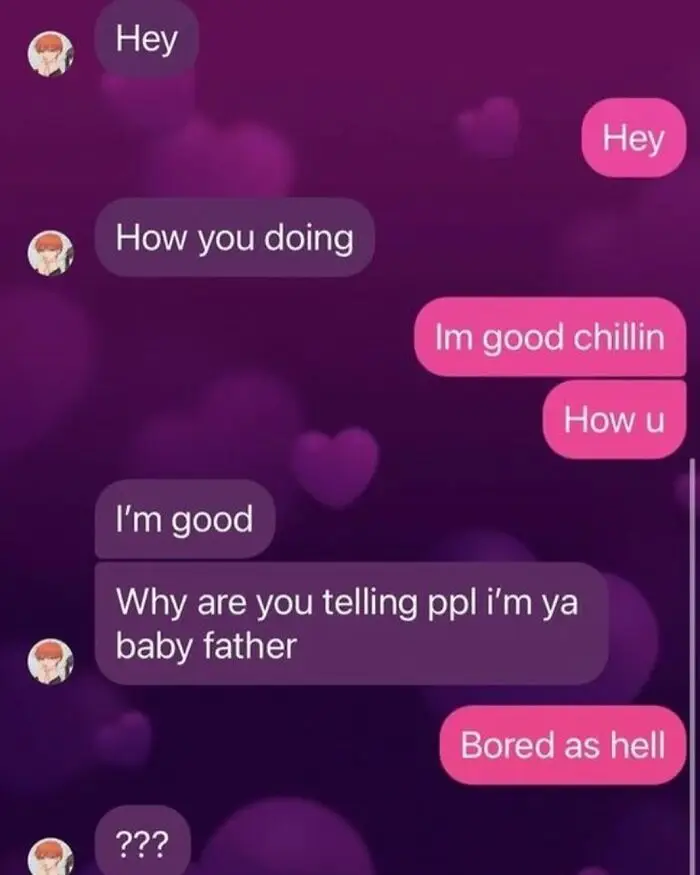

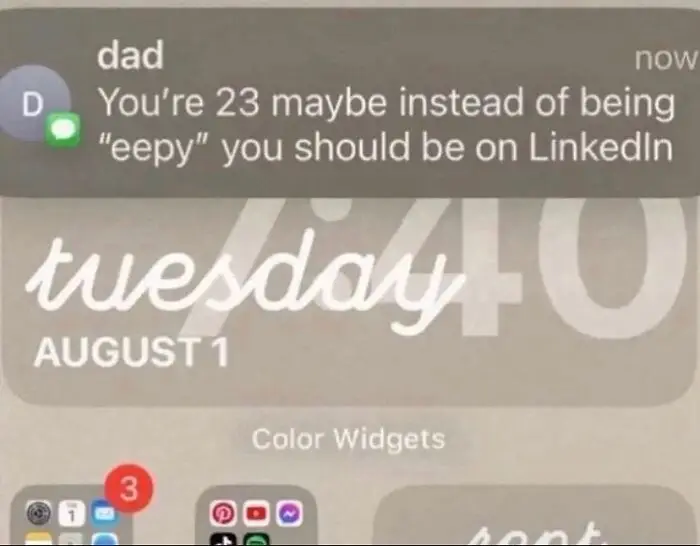
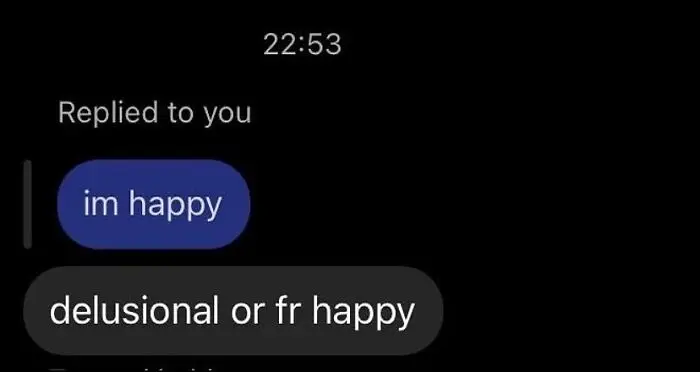
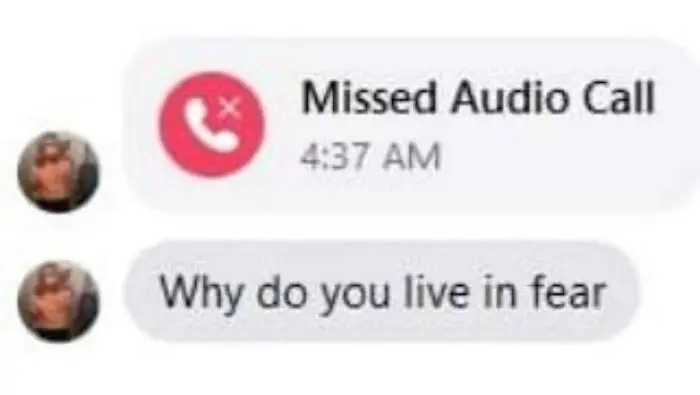
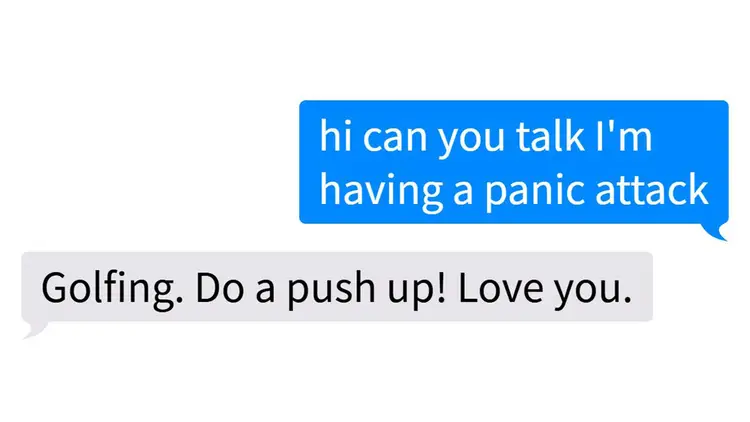
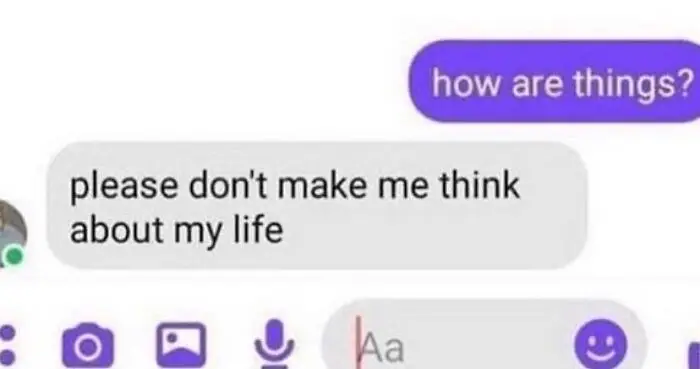
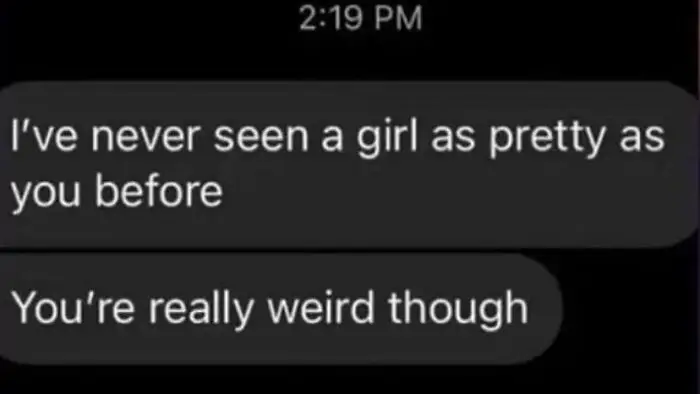
But connection isn't the same as clarity. When we text, posture, facial expressions, eye contact, gestures, and even tears are all swapped out for what Dewey calls the "blissful convenience" of a few characters. And according to social psychologist Theresa DiDonato, that's a real problem. Without those nonverbal signals, she explains in Psychology Today, texts are easily misinterpreted.

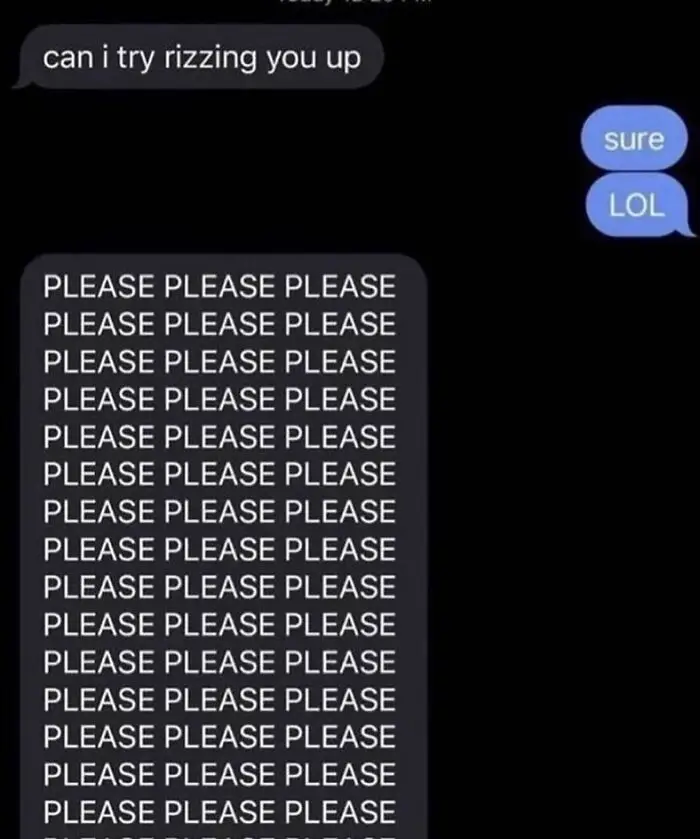
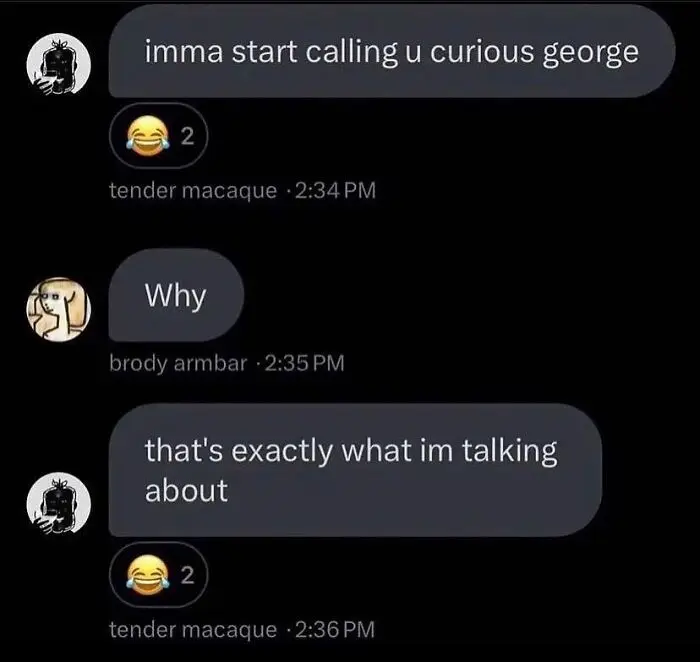
And we probably misinterpret them more often than we'd like to think. Back in 2005, researchers found that people overestimate both their ability to get their tone across in writing and their ability to read the tone of messages others send them. In one experiment, students who heard a statement out loud could tell whether it was sarcastic or serious 73% of the time. But when they read the same statement in an email, they got it right just 56% of the time. The reason, the researchers found, is that we can't get out of our own heads. When we type something, we "hear" it exactly the way we meant it, so it's hard to imagine anyone reading it any differently.
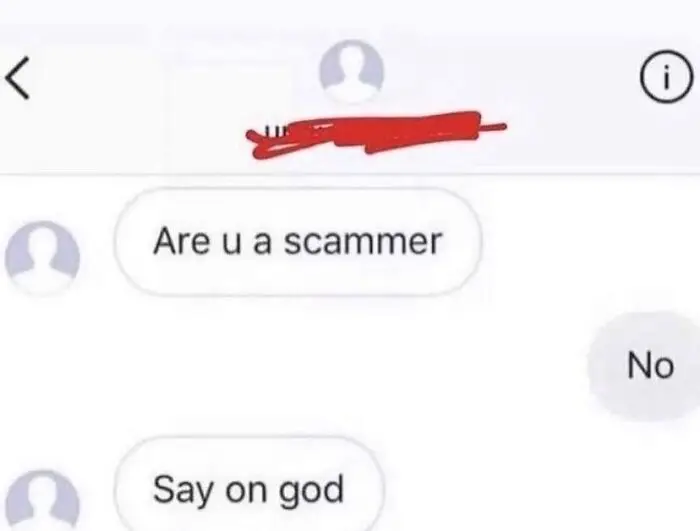
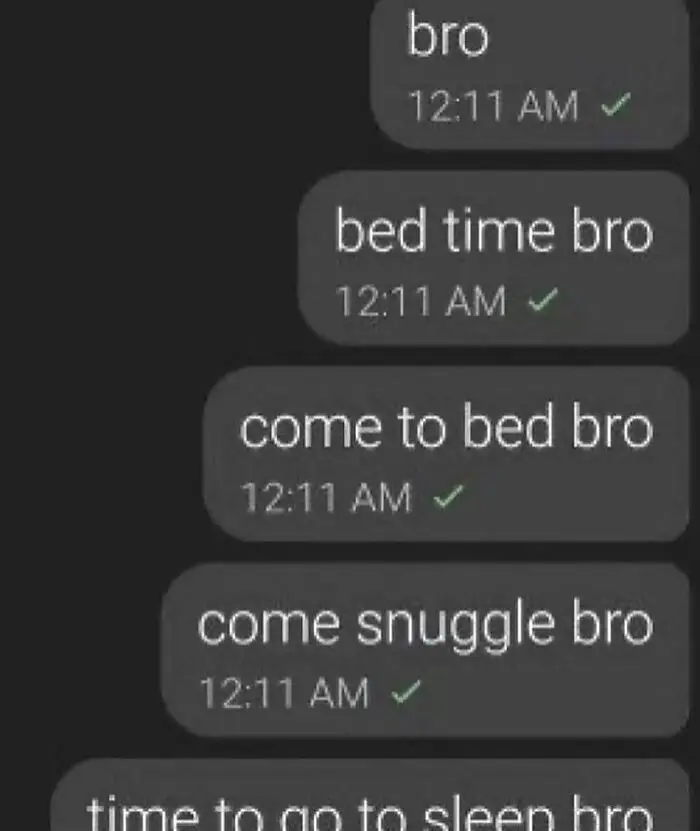
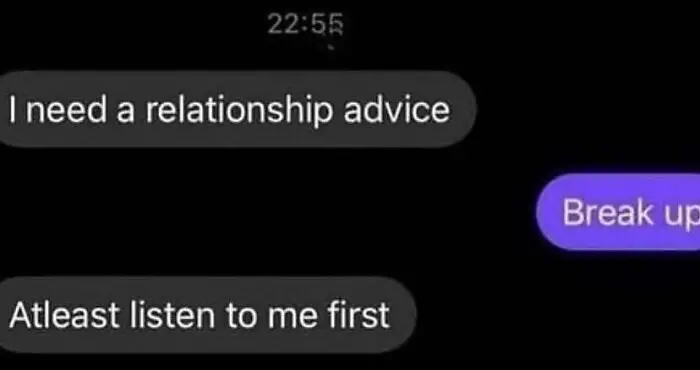
Even the smallest details can shift the meaning. Researchers at Binghamton University, led by psychology professor Celia Klin, found that simple replies like "Sure" or "Yep" came across as less sincere when they ended with a period, though the same replies written on paper didn't. Without face-to-face cues, Klin explains, we read into whatever we've got.