


#2 My Son Just Got This Shirt As A Gift. So Far, He Likes The Reactions He Is Getting

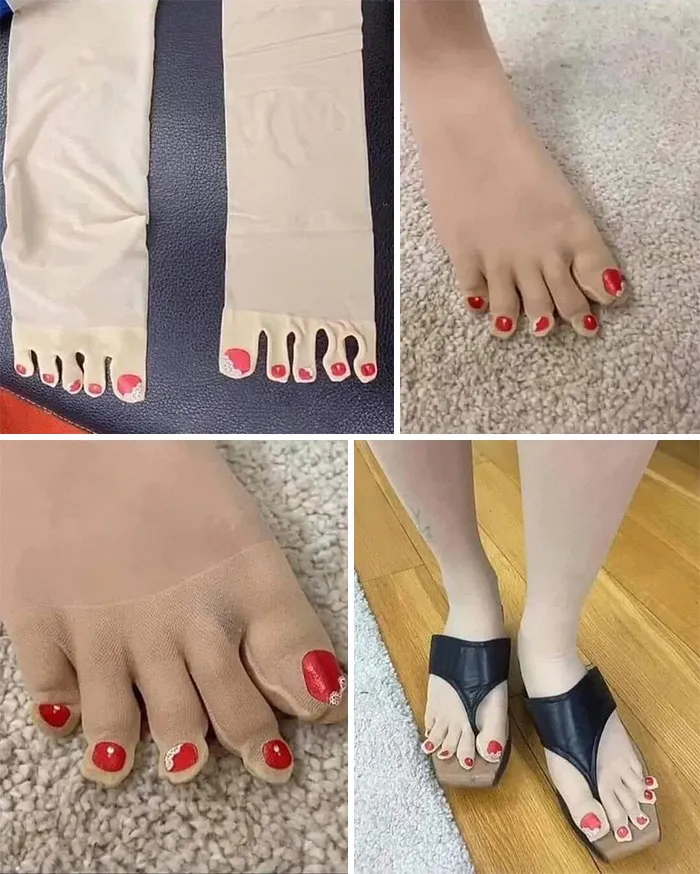
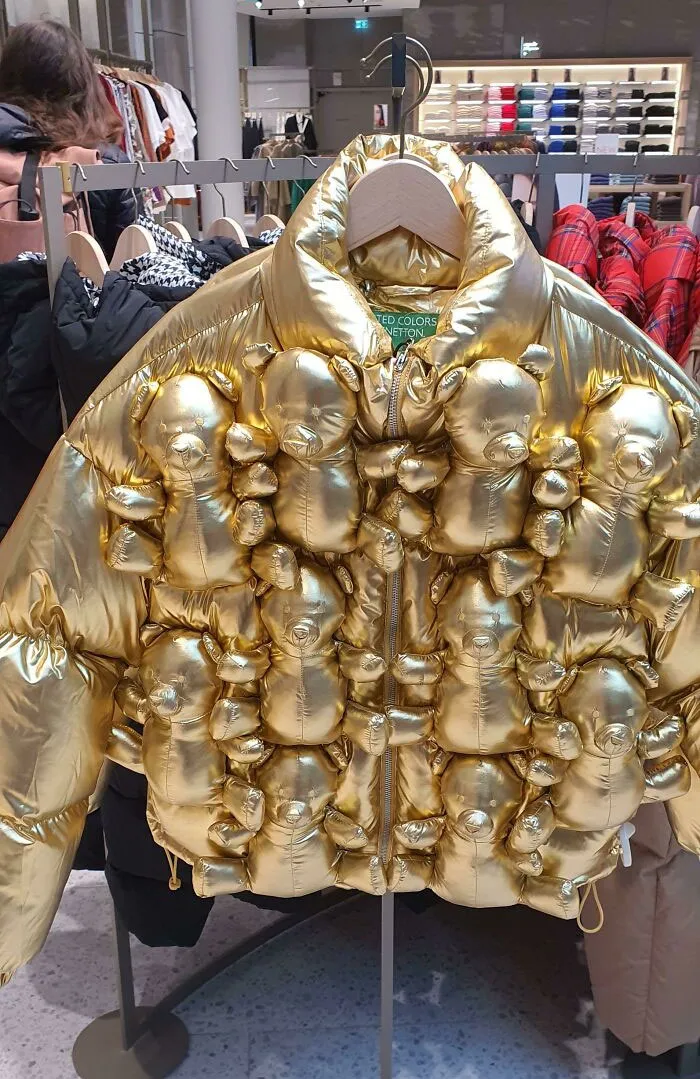
Some of these weird outfits are either genuine production mistakes or terrible attempts at creativity. For example, the red fingernail stockings look so distorted on actual feet that they make the toes look downright creepy.
However, other items on this list are intentionally designed to be bizarre, like a shirt covered in an all-over, hyper-realistic donut pattern.
Throughout history, these styles have gone by many names — absurd, surreal, avant-garde, controversial, or camp.
While it is hard to tell where an honest accident ends and intentional art begins, one thing is certain: every piece here is unmistakably funny or genuinely confusing.
Still, looking at how the fashion world operates helps explain why some of these bizarre clothes exist in the first place.
Surreal fashion began in the 1930s as a creative union of avant-garde visual art and haute couture.
Italian designer Elsa Schiaparelli collaborated with painter Salvador Dalí to produce garments that challenged traditional concepts of beauty and domestic life.
Together, they created iconic pieces such as the 1937 Lobster Dress and the Shoe Hat, turning everyday objects into wearable art.
Schiaparelli aimed to show that fashion can be a statement, not just for utility.
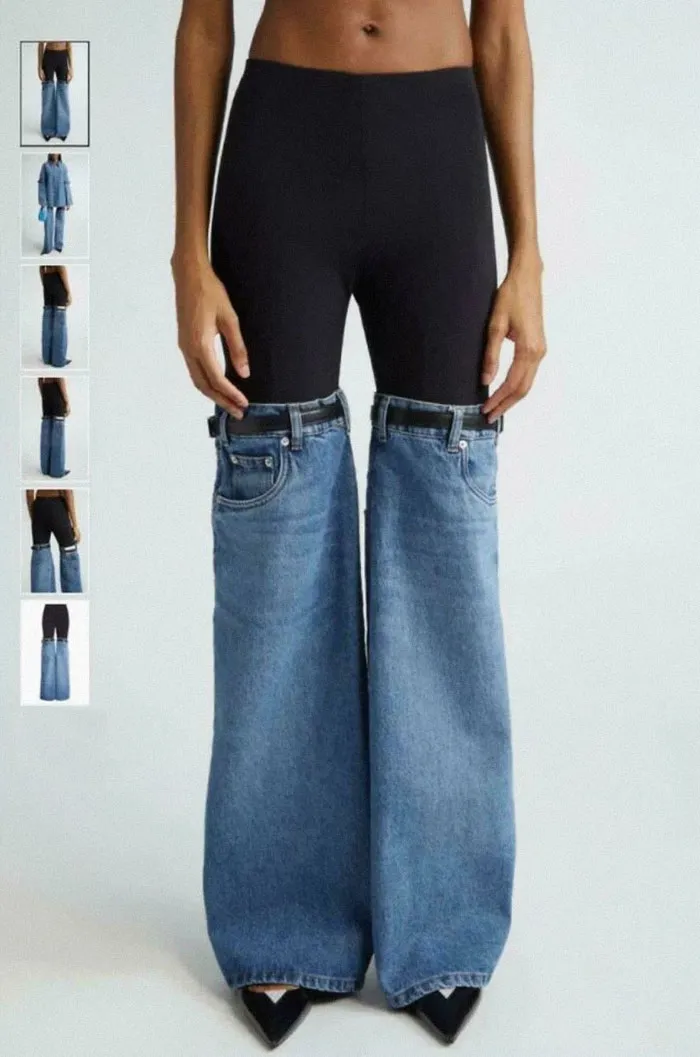
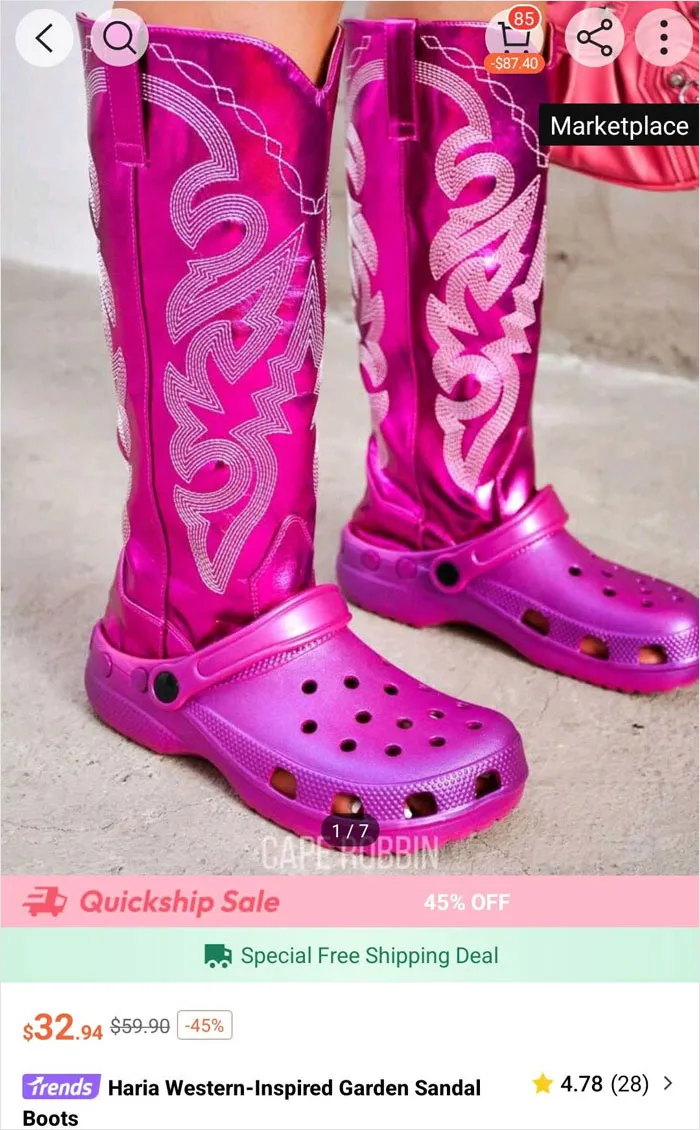
Designers craft bizarre clothing for two primary reasons: artistic commentary and brand visibility.
Historically, experimental fashion provided a platform to reject rigid norms. In the 1960s, Mary Quant introduced the miniskirt to challenge patriarchal expectations of modesty. Vivienne Westwood used raw, confrontational punk aesthetics in the 1970s to criticize political corruption and class division.
But today, several brands use outrageous, weird clothes to capture our attention in an oversaturated media ecosystem. A garment that defies physics or logic generates social shares, media coverage, and brand awareness, which in turn fuels sales.
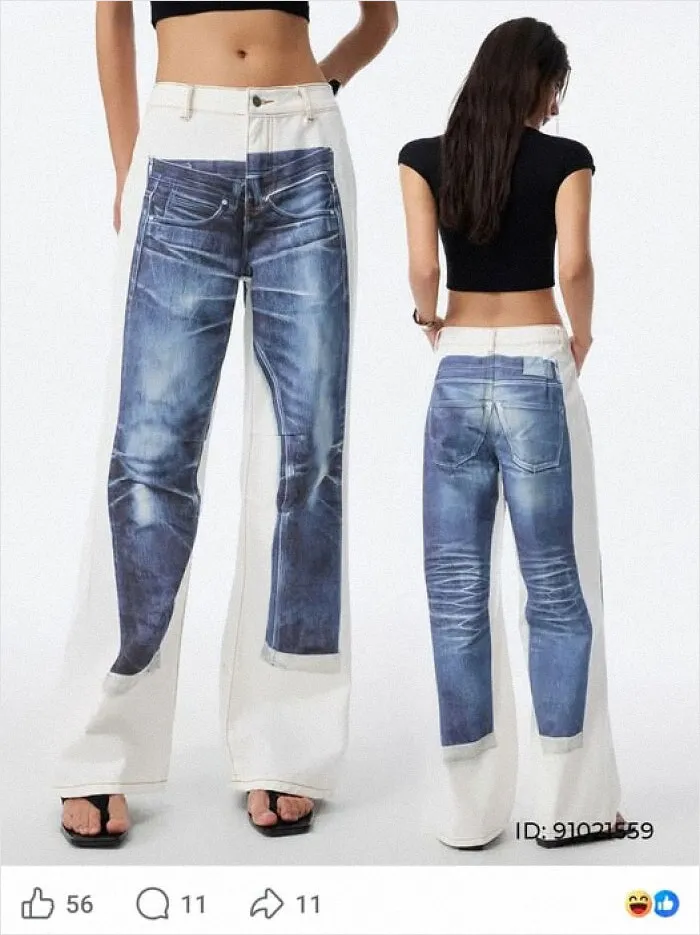
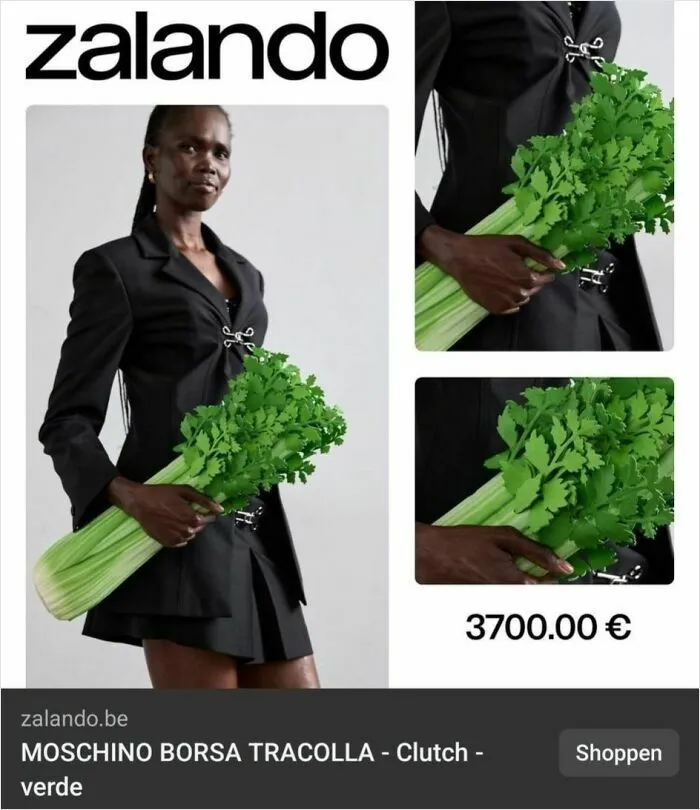
Some brands also go out of their way to make their logos or clothes funny and ironic. It can be inside jokes for a certain demographic, or commentary on glamorous fashion labels.
When Balenciaga released their overpriced towel skirt, IKEA trolled them by promoting its affordable bath towel as a skirt and “spring fashion essential.”
It sparked online conversations about overpriced products from certain brands and how ridiculous some of their clothes are. At the same time, it generated almost $2 million in media impact value for Balenciaga in just one week.
Its creative director, Demna, openly stated: “I couldn’t miss an opportunity to make the most expensive trash bag in the world, because who doesn’t love a fashion scandal?”
Fashion was once about fitting in, but today’s industry thrives on standing out. For many brands, eccentricity has become core business strategy.
In a saturated market with repetitive trends, producing unconventional clothing is often the fastest way for a label to carve out a distinct identity and spark conversation.
“The future of fashion is leaning towards a greater emphasis on individuality and humor. As society becomes more accepting of diverse styles and expressions, the fashion industry is evolving to celebrate uniqueness and creativity,” Ilgary Studio notes in its blog.
The studio says some of the most surprising trends are the ones that looked funny at first but somehow caught fashion lovers' attention and became a hit.
“With the right attitude and a touch of creativity, any fashion mistake can be transformed into a stylish and memorable statement,” it adds.
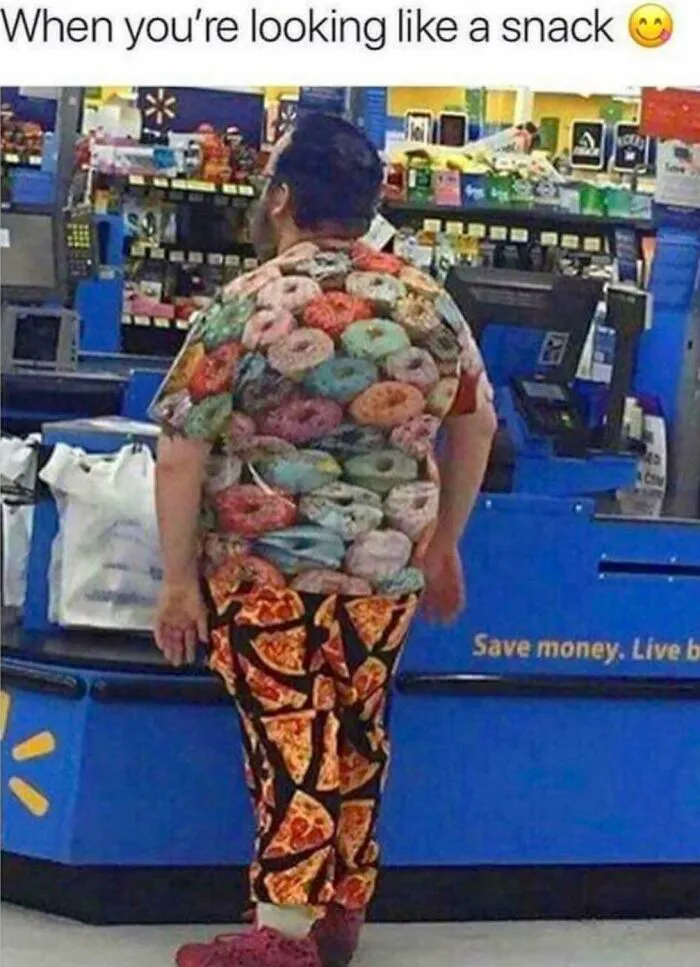

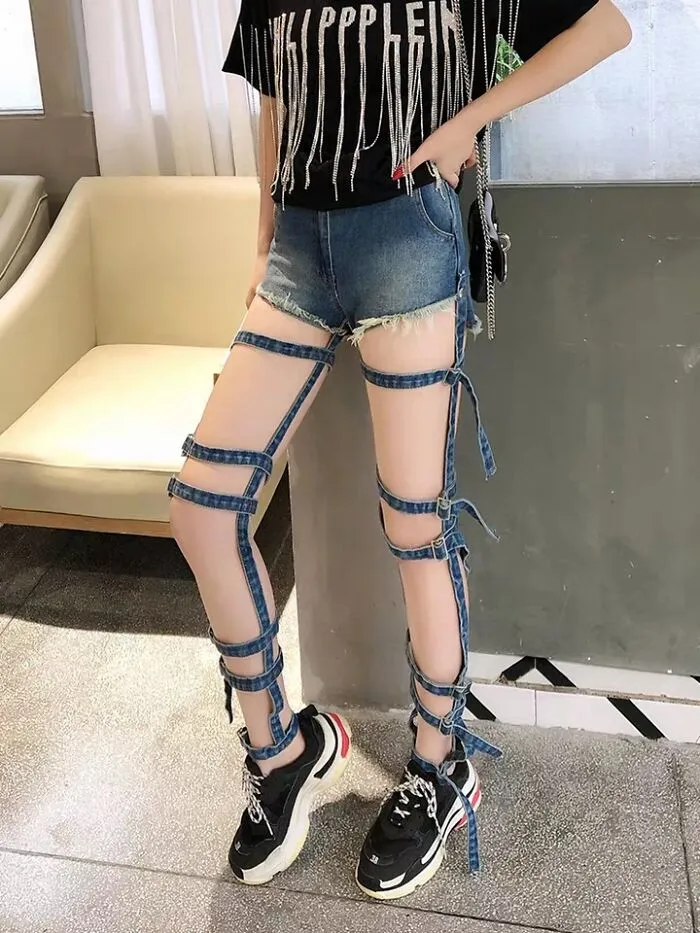
Like the wild artwork of surrealists, most experimental high fashion is meant to provoke, unsettle, and start conversations.
These clothes grab attention by design — the equivalent of visual clickbait. Put a shoe on your head or wear a dress with Teletubbies printed on the front, and people will look. It is as simple as that.
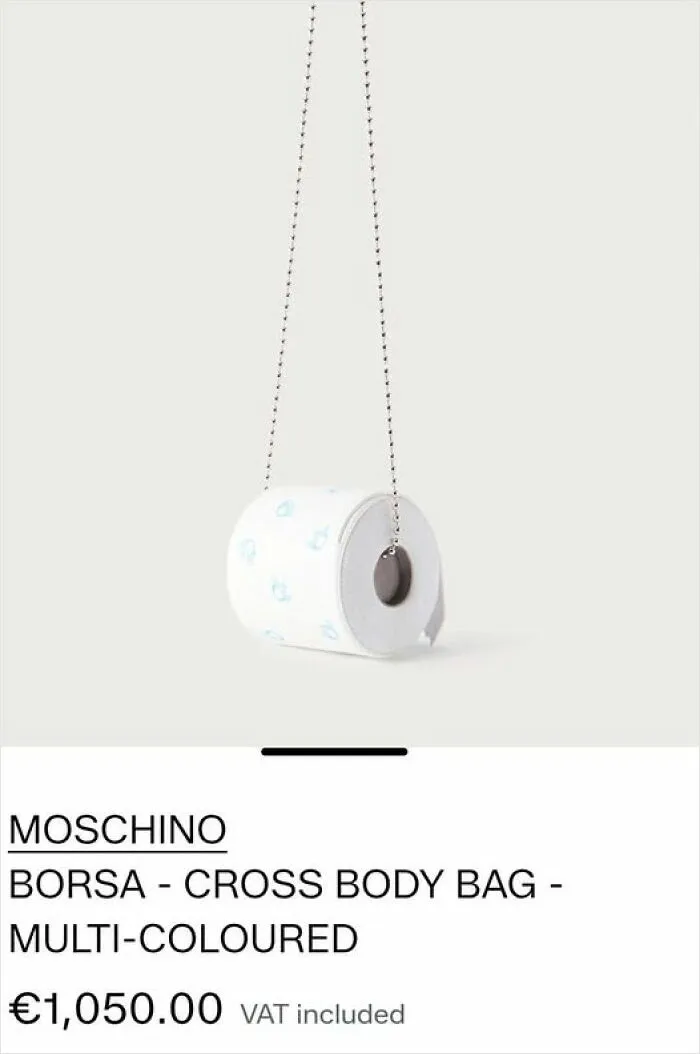
Brands like Moschino are a prime example of labels that lean fully into pure humor. The house turned fast-food uniforms into evening gowns, made dresses out of SpongeBob, and crafted handbags shaped like spray bottles or traffic cones.
“Fashion is an ultimate luxury — I mean, you don’t need it — so it should bring you pleasure and make you happy. I don’t like the idea of people revering it. Fashion should have a transgressive nature; it can make you feel like someone else, give you heightened emotion. It should bring you joy and uplift you,” says American fashion designer Jeremy Scott, who was the creative director of the fashion house Moschino.
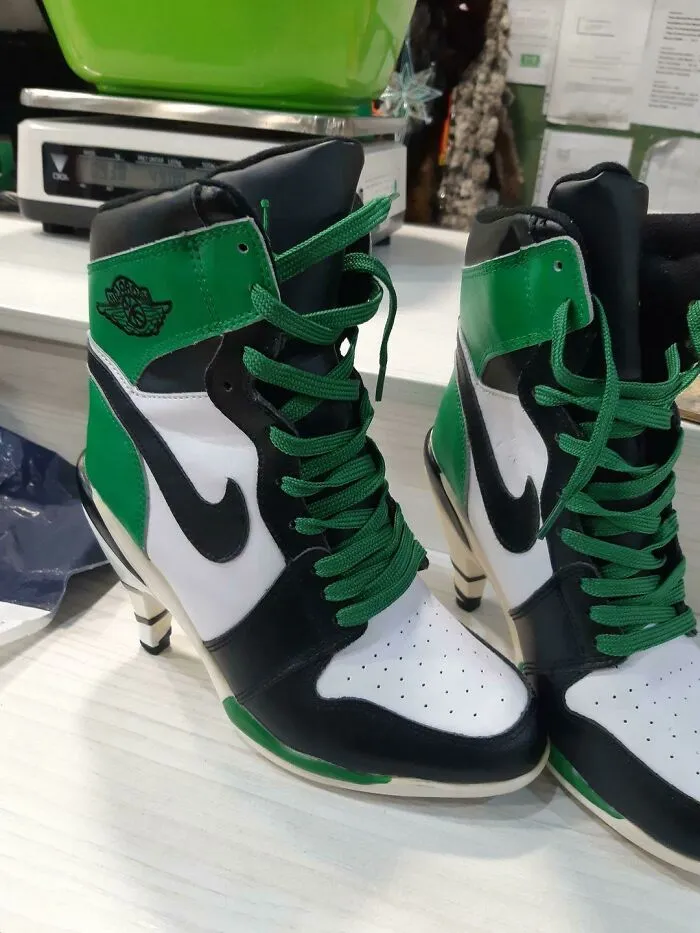
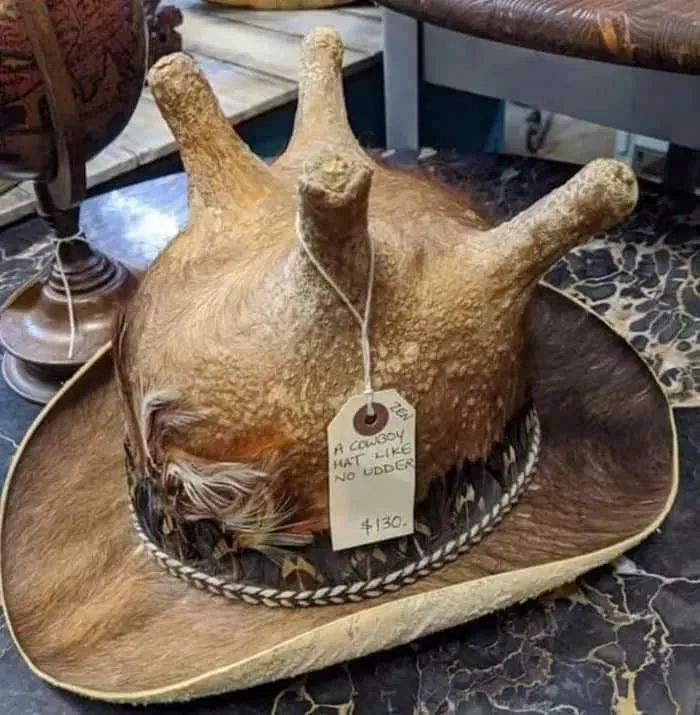
#19 My Girlfriend Went Thrifting And Found This (Also The Jordans Are Fake If That Wasn't Obvious Enough)