






These numbers triggered concern about the health of online advertising, dragging down the share prices of the biggest industry names.
On July 26th, Alphabet duly disclosed Snap-like quarterly sales growth of 13%, down from 62% in the same period last year. That was less terrible than expected (its market value rose by 8% on the news) but still pretty bad (it remains a bit below what it had been before the Snap bombshell). A day later, Meta said that its revenue declined for the first time, by 1% year on year.


Upstart challengers like Snap are the most exposed — when marketing budgets get trimmed, advertisers tend to stick to what they know, and they know Google search much better than they do Snap's experiments with augmented reality. The big firms also boast larger and more diverse audiences; Meta serves 10m advertisers globally, compared with Snap’s estimated 1m or less. That protects them somewhat from softening demand. Somewhat, but not entirely.



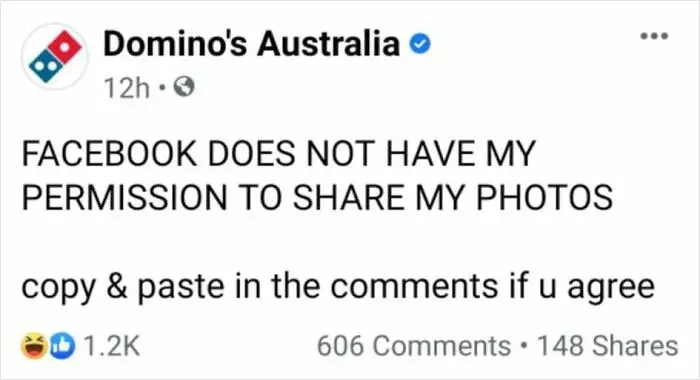
For years, big ad-sellers shrugged off blips in the broader economy, as many customers came to see online ads as a virtual shopfront that needed to be maintained even in tough times—often at the expense of other ad spending. That has left ever fewer non-digital ad dollars available to be diverted online. In a pinch, advertisers may now, therefore, need to take an axe to their digital billboards. However, I don't think that 'Useless, Unsuccessful, and/or Unpopular Real Ads' and 'Advertisements that look like sh*tposts' will run out of content any time soon.