

This post may include affiliate links.
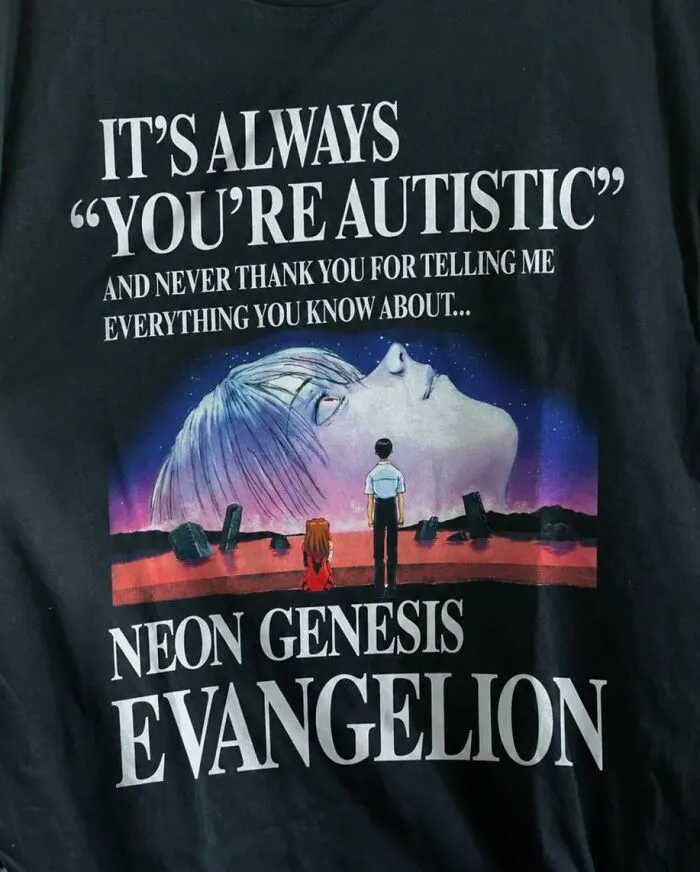
That began to change in 1959, when Plastisol ink made it much easier to print detailed designs onto cotton shirts in large quantities. Artists could suddenly turn almost any image or phrase into something people could wear and buy.
Underground and counterculture groups quickly took advantage of it. Many early designs carried rebellious messages or expressed frustration, turning the graphic T-shirt into a new way for people to share their opinions.

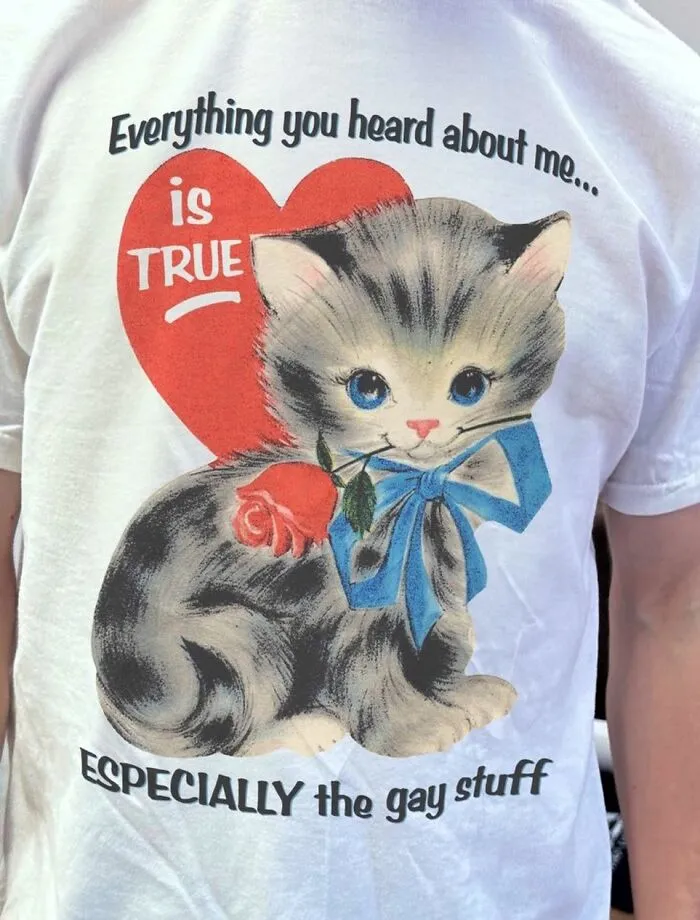
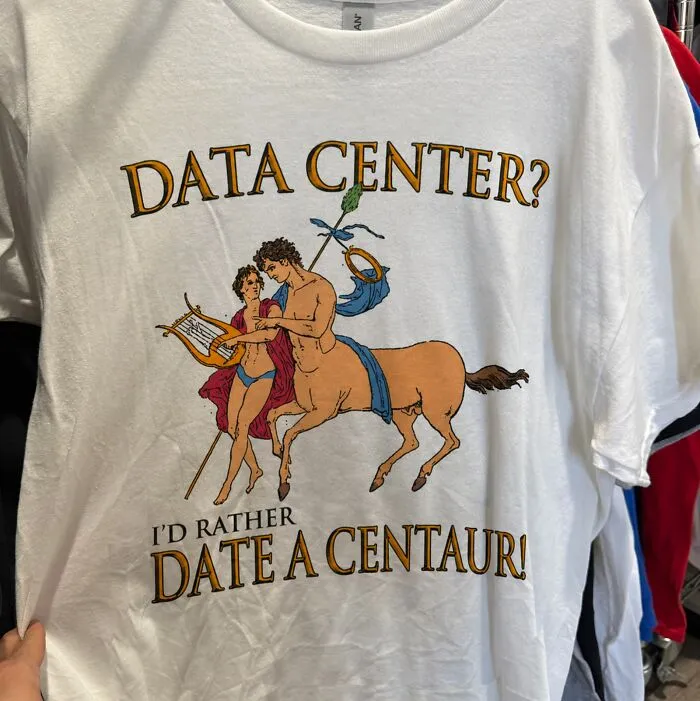
Screen printing gained even more attention in the early 1960s, when Andy Warhol helped popularize methods for turning photographs into prints. The process soon found its way into fashion and music, where band merchandise became a huge business.
According to Printful, the Reliant Shirt Corporation paid $100,000 for a Beatles license and sold more than one million T-shirts in just three days. The exact profit is unclear, though canceled orders were later valued at $78 million, showing just how much money was tied up in the craze.


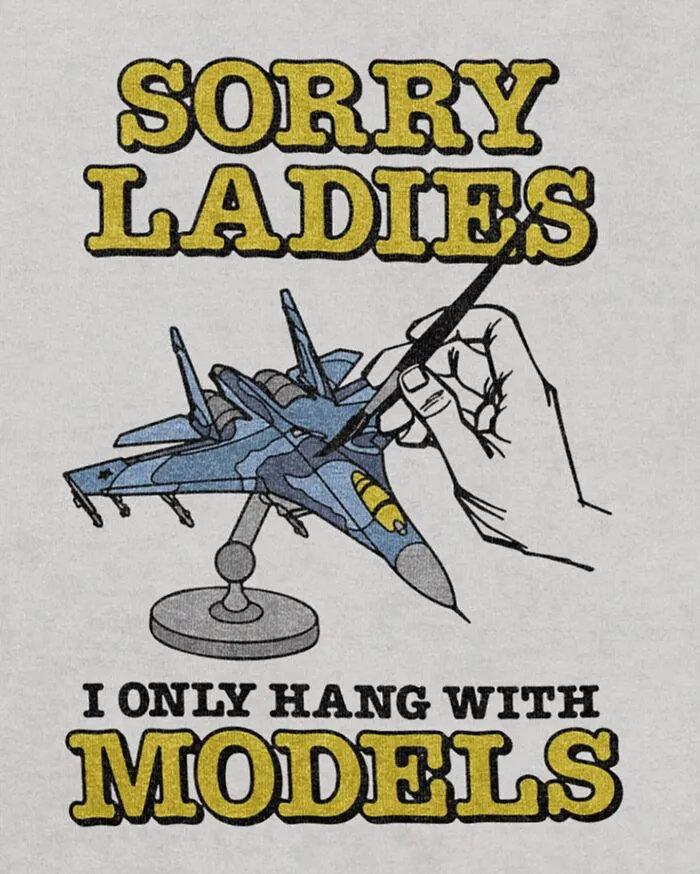
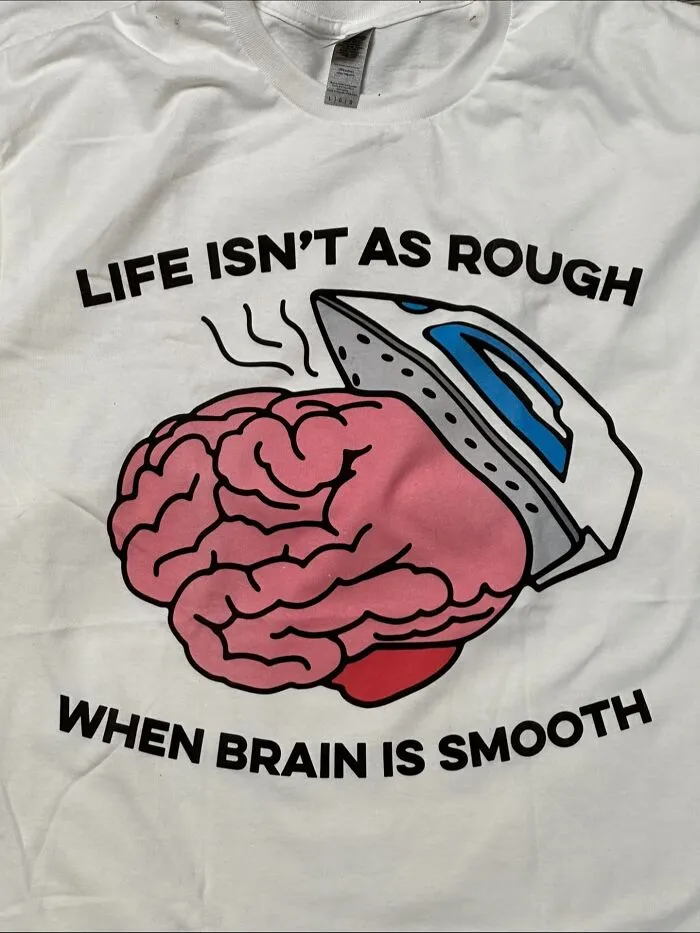
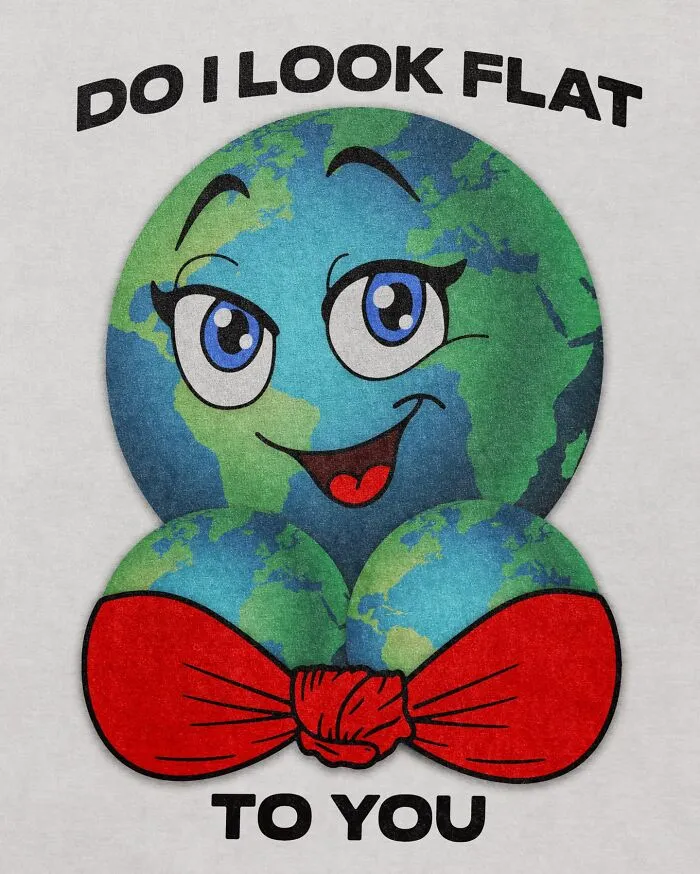
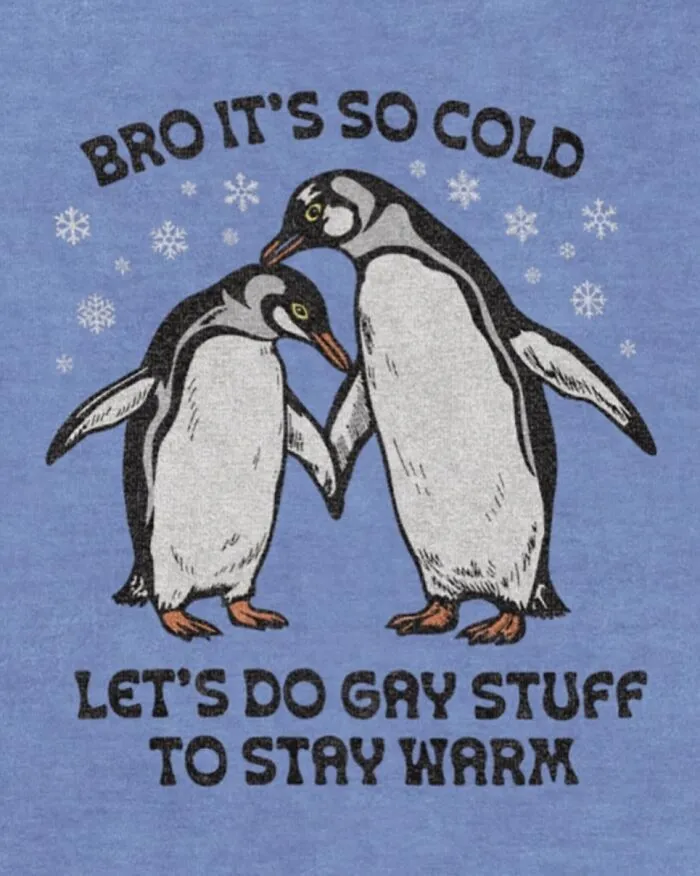
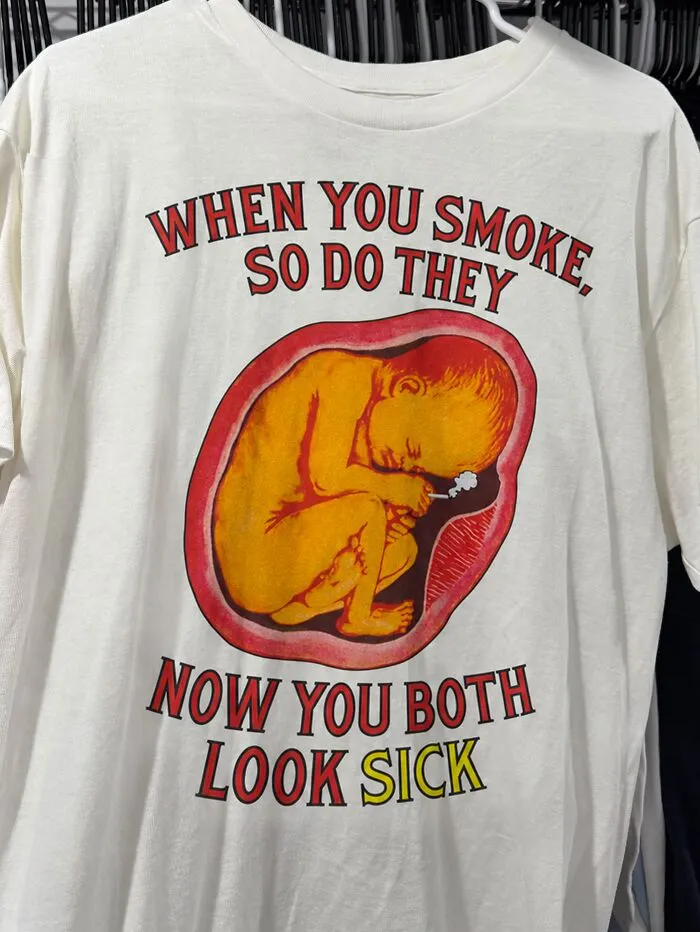
By the 1980s and 1990s, the T-shirt was everywhere. Musicians, models, streetwear labels, and major brands all found their own way to use it. Logos became part of someone’s identity, while band tees and funny slogans let people show off what they liked without saying a word.
These days, creating a graphic T-shirt is easier than ever. Almost anyone can come up with a design, have it printed, and wear it proudly across their chest. A garment that started out as a simple undershirt has become one of the easiest and most fun ways to show a little personality.