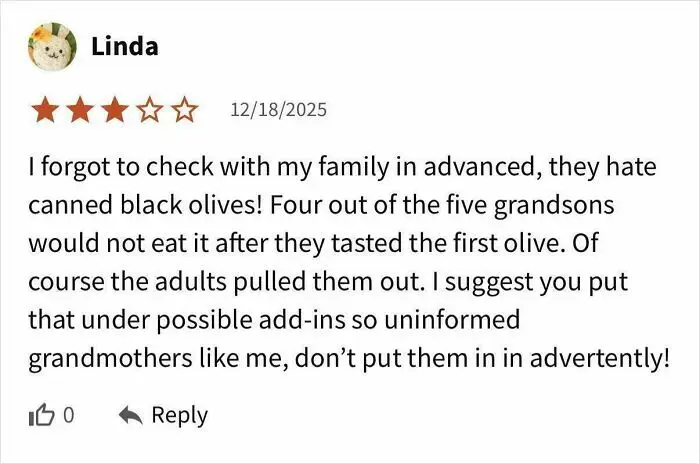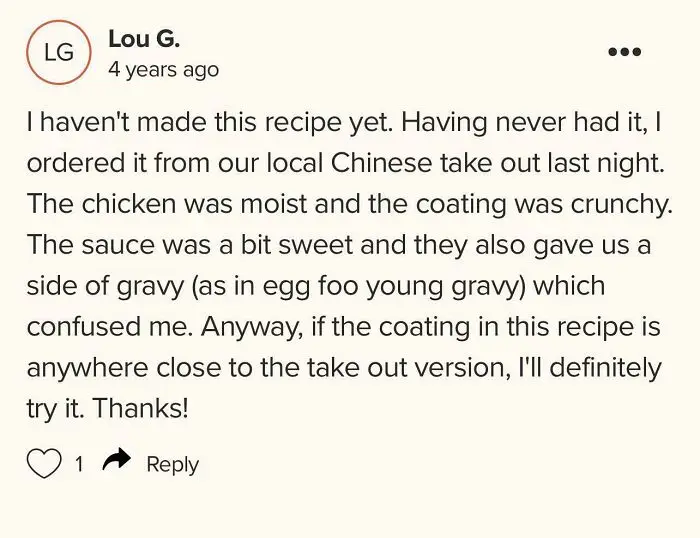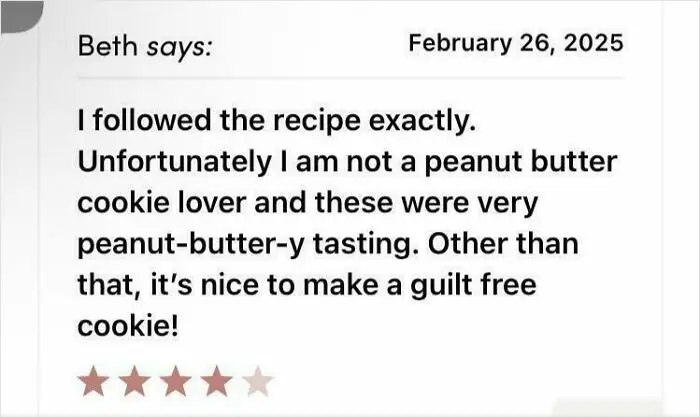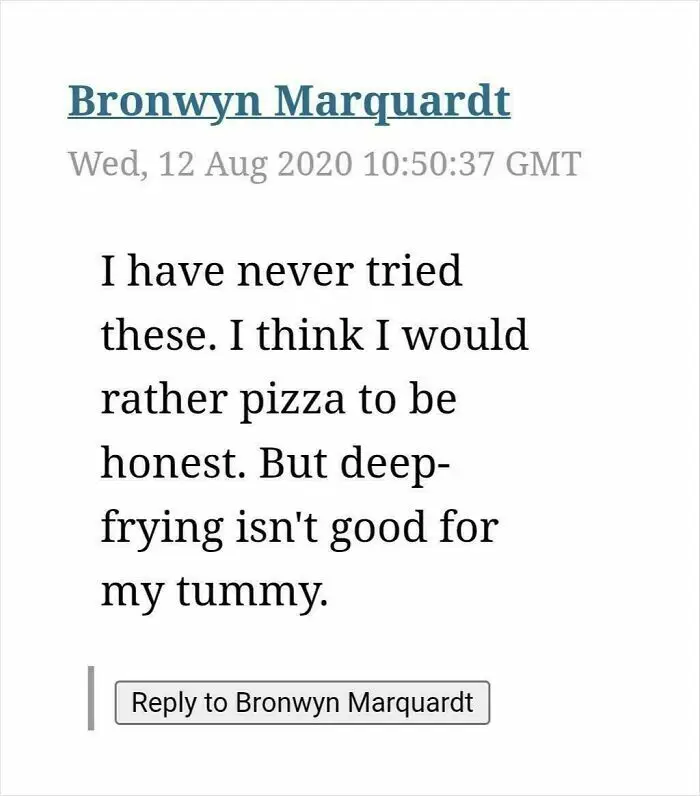




In their mind, they didn't ruin the brownies, the brownies failed to accommodate their unique vision of using mashed black beans instead of butter. This cognitive dissonance allows the reviewer to remain the hero of their own kitchen story while the recipe creator becomes the villain who "purposely" wrote a misleading guide. It is a digital age version of shouting at the rain because you forgot your umbrella, except in this version, you also give the rain a zero-star rating on Google.

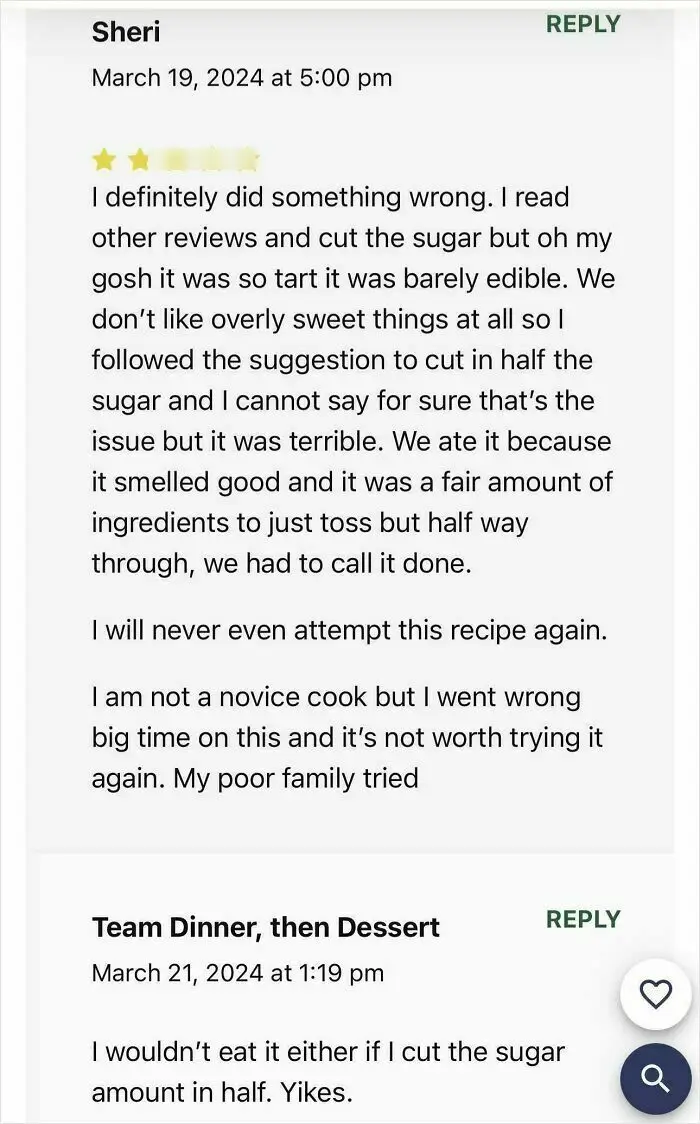

The most hilarious part of this trend is the sheer audacity of the substitutions themselves. We’ve seen people replace heavy cream with lukewarm water and a prayer, or swap out yeast for "a very positive attitude," and then act shocked when their bread has the consistency of a hockey puck.
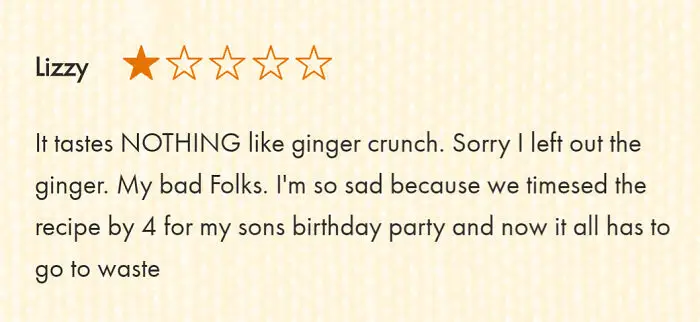
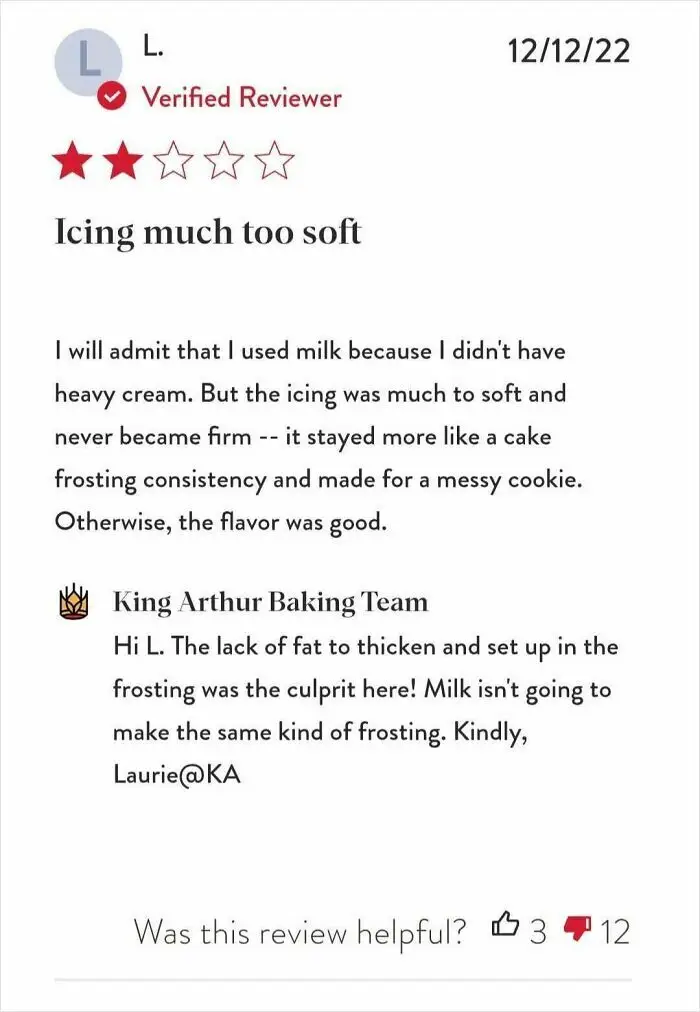
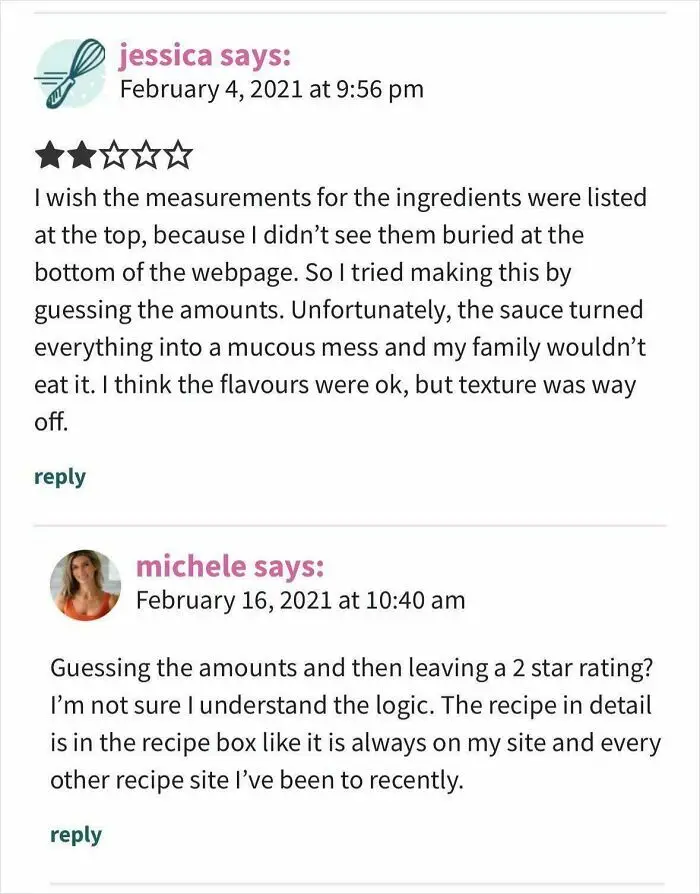
There is a specific brand of optimism required to look at a recipe for French macarons, the most temperamental cookies on the planet, and decide that now is the perfect time to see if you can make them keto, vegan, and nut-free using only cauliflower and hope. While food science research confirms that ingredient functionality is the backbone of food texture and shelf-life, these reviewers remain undeterred.
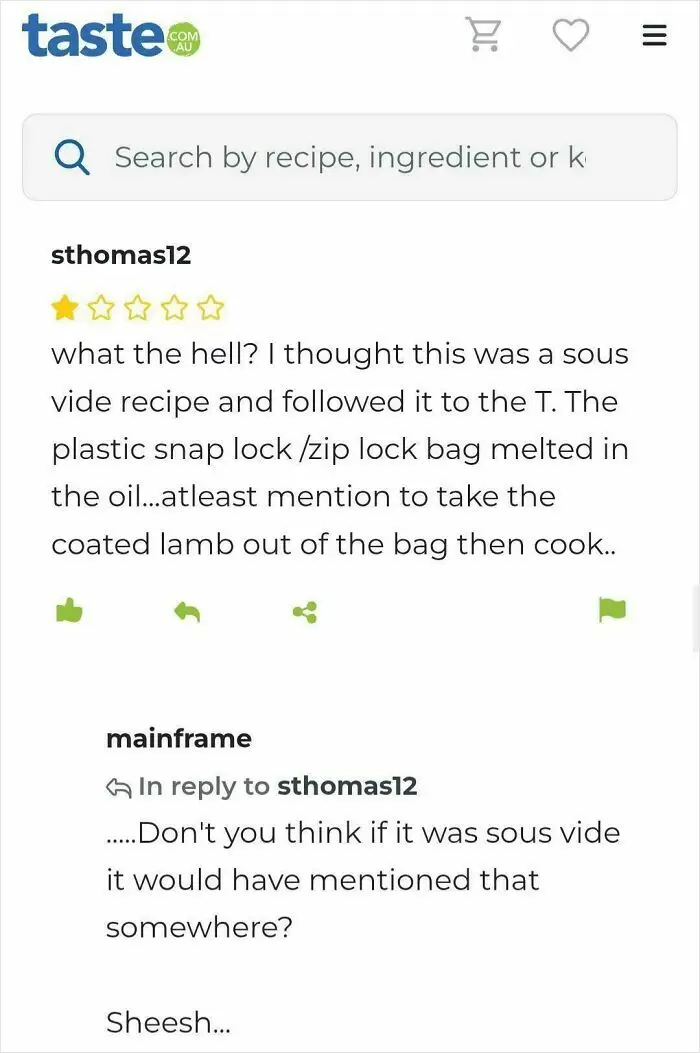

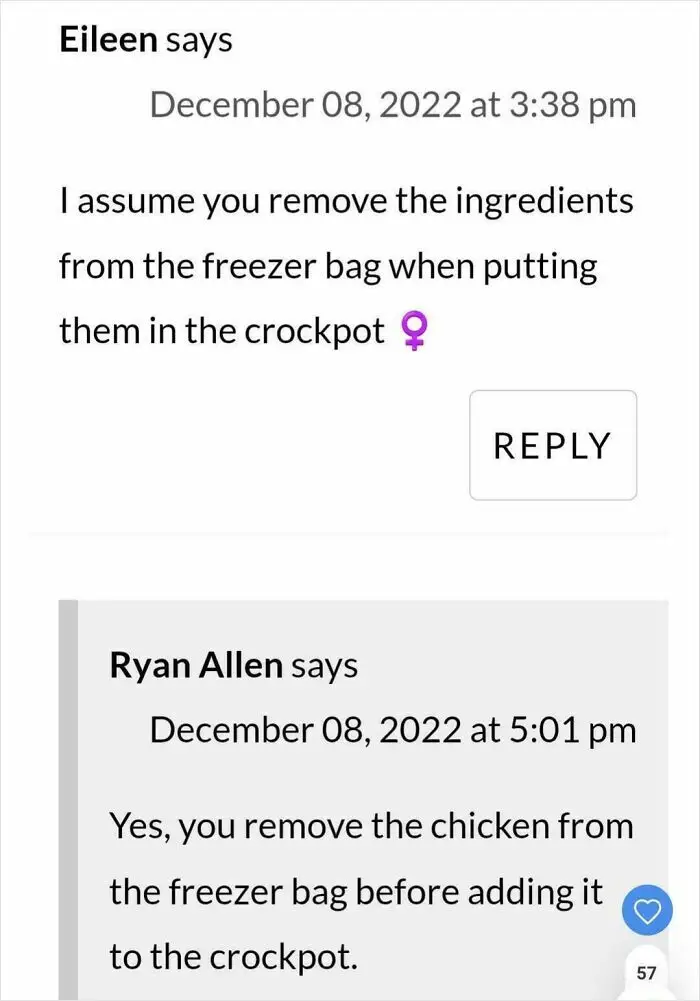
They are the explorers of the digital frontier, boldly going where no palate has gone before, usually into the trash can. Ultimately, these unhinged reviews serve as a great reminder that while the internet gives everyone a voice, it doesn't always give everyone a thermometer or a measuring cup.