

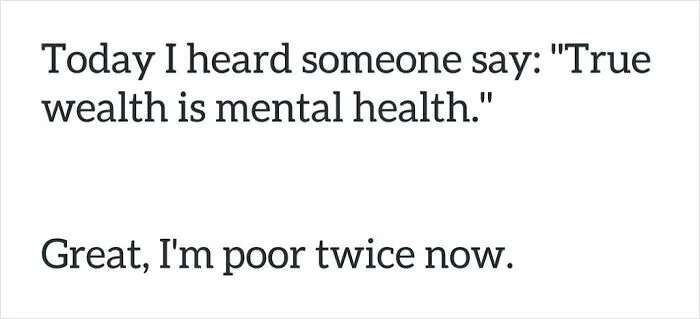
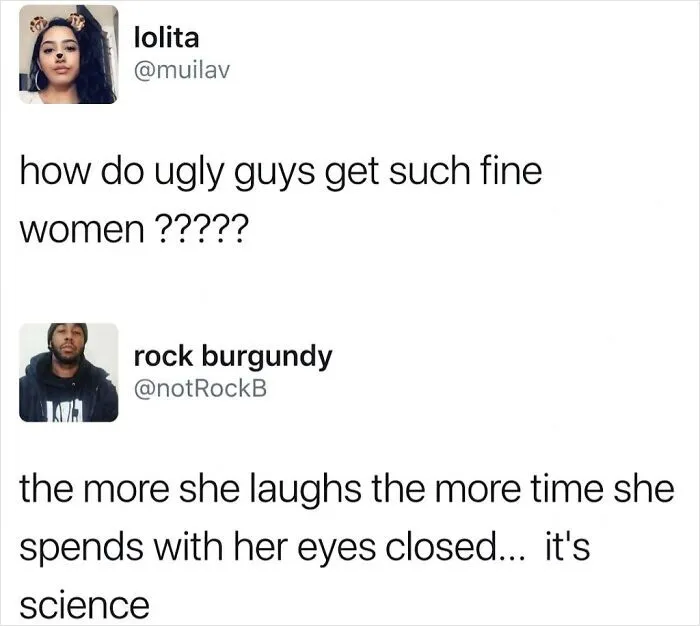
Dark humor about mental health has a defensive reputation it has not entirely earned. The assumption is that laughing at your own suffering is avoidance, a way of not dealing with something by making it a punchline instead. Research from the Medical University of Vienna found the opposite: people who appreciate dark humor score higher on emotional intelligence and lower on aggression than those who do not.
Processing something difficult through comedy is not the same as ignoring it. It is a way of looking at it directly while keeping enough distance to remain functional, which is, frankly, more than most coping strategies offer.
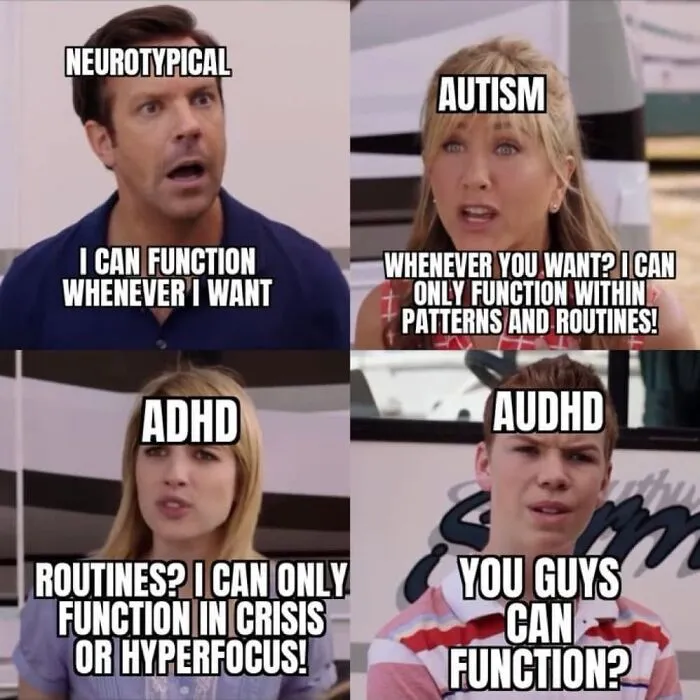
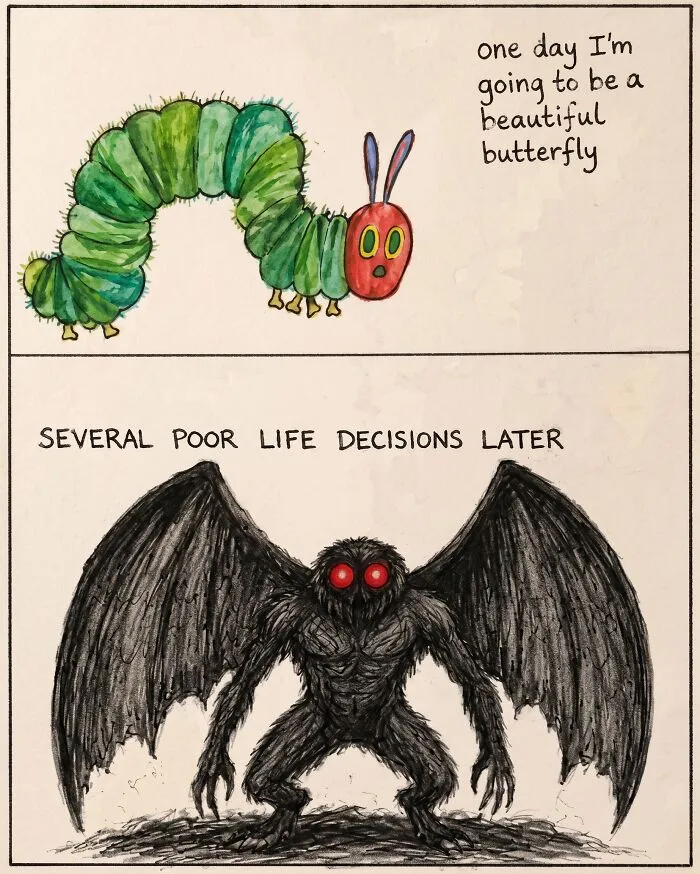
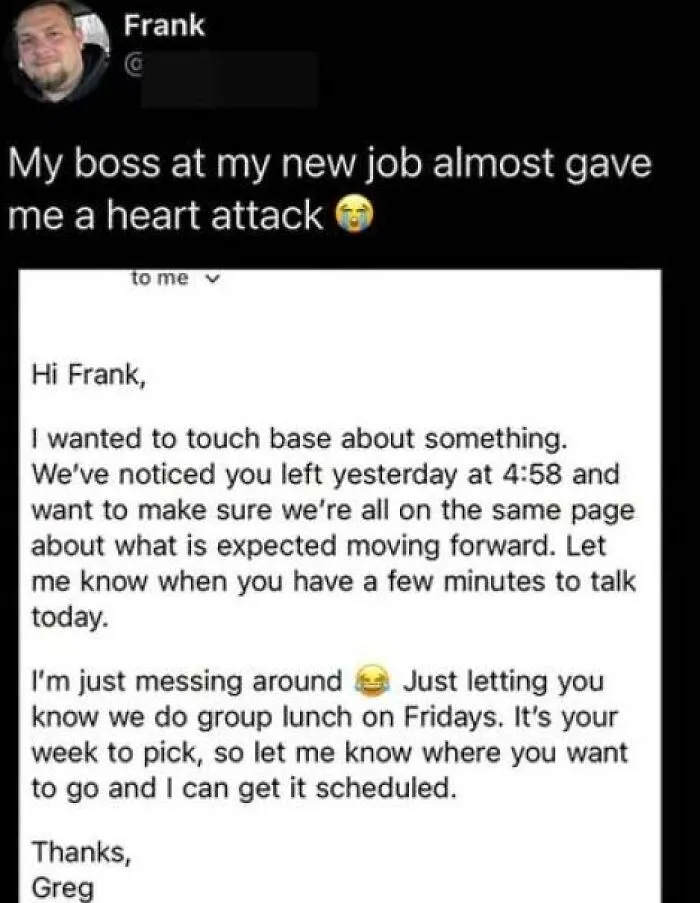
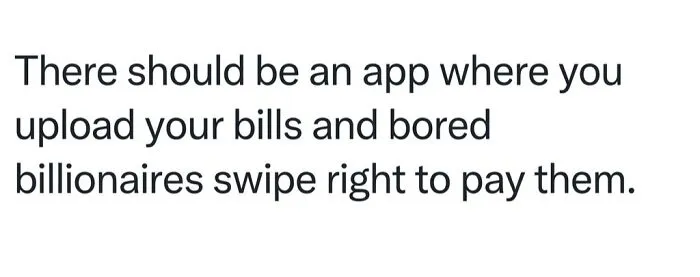
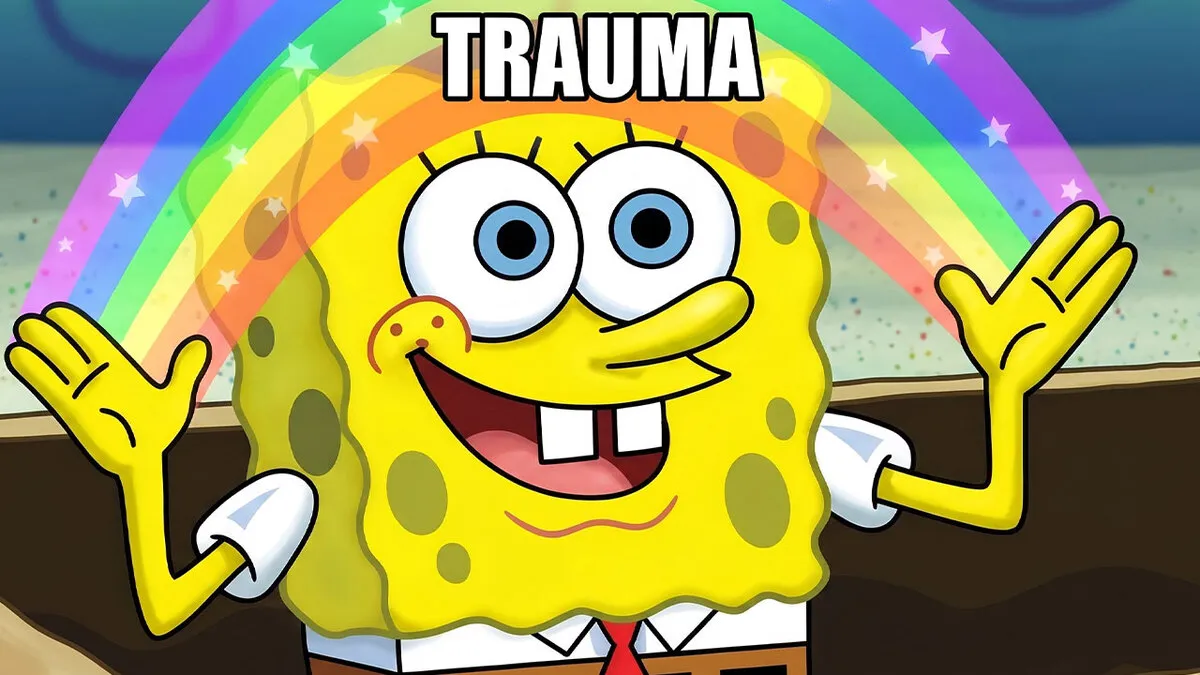
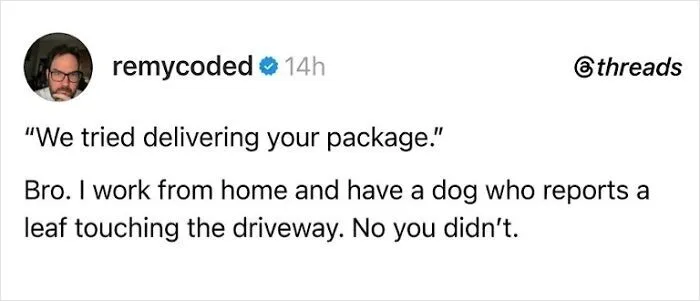
The meme works particularly well for mental health content because it removes the pressure of vulnerability. Saying "I am not okay" in a conversation opens a door that not everyone has the energy to walk through. Sending a meme that says it instead lets the feeling land without demanding a response, a follow-up, or the exhaustion of being asked to explain yourself.
Research on online self-disclosure consistently finds that people share more honestly with low-stakes formats than high-stakes ones, and a meme is about as low-stakes as communication gets. It is a feeling in a square, handed to someone else without ceremony.
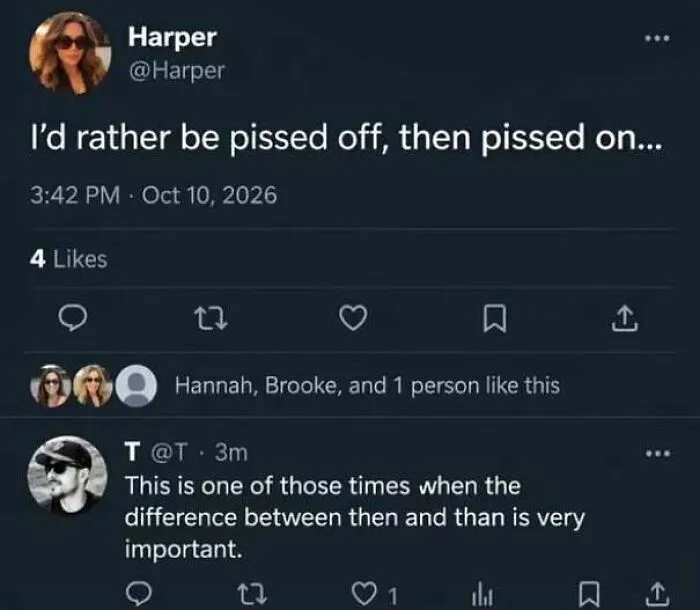
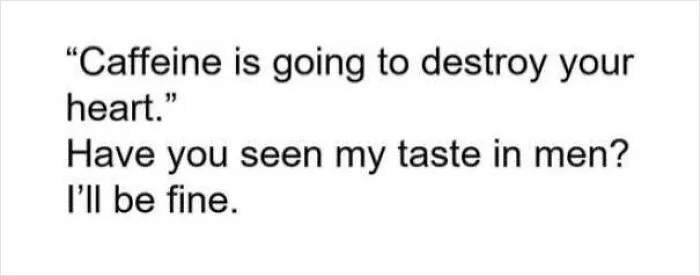
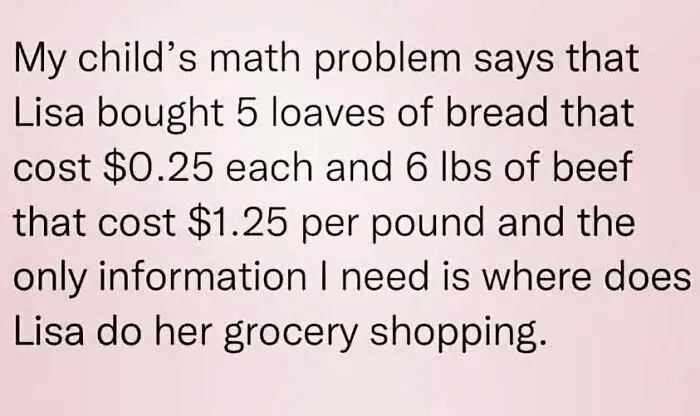
The community that forms around pages like this is not incidental to what makes them work. A University of California study on social support found that the perception of being understood by others is one of the strongest predictors of psychological resilience, and that it does not particularly matter how the understanding arrives, only that it does.
Three hundred people commenting "this is my entire personality" under a post about dissociating during a work meeting is, neurologically speaking, a real support network. It just looks like a comment section.
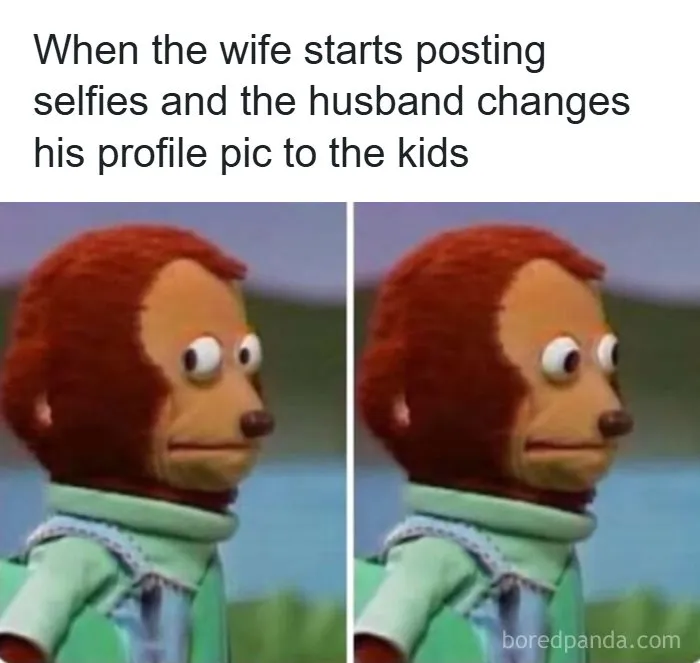

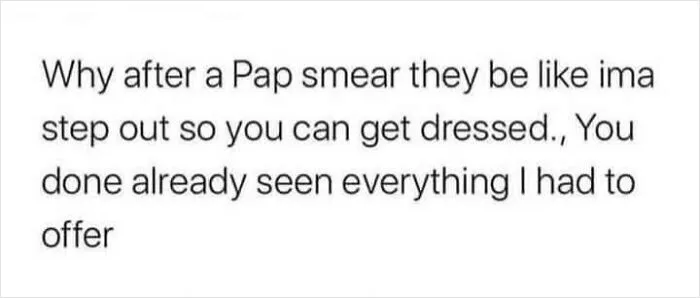
There is also the relief of seeing your most chaotic thoughts rendered in a format that other people clearly recognize. Mental health struggles carry an enormous amount of private shame, the sense that what is happening in your head is uniquely broken and would horrify anyone who knew.
The meme is the evidence that it is not unique. Someone made the image and thousands of people shared it with the caption "lol me." The shame does not disappear, but it does lose some of its authority when you discover that what you thought was your most unspeakable trait has a template.
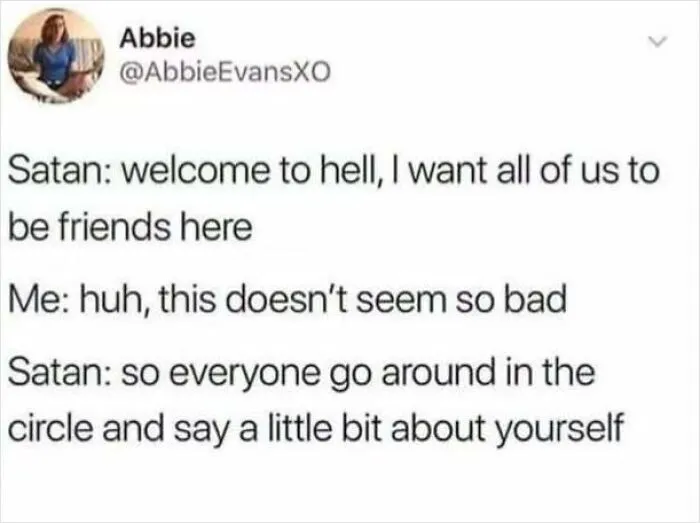
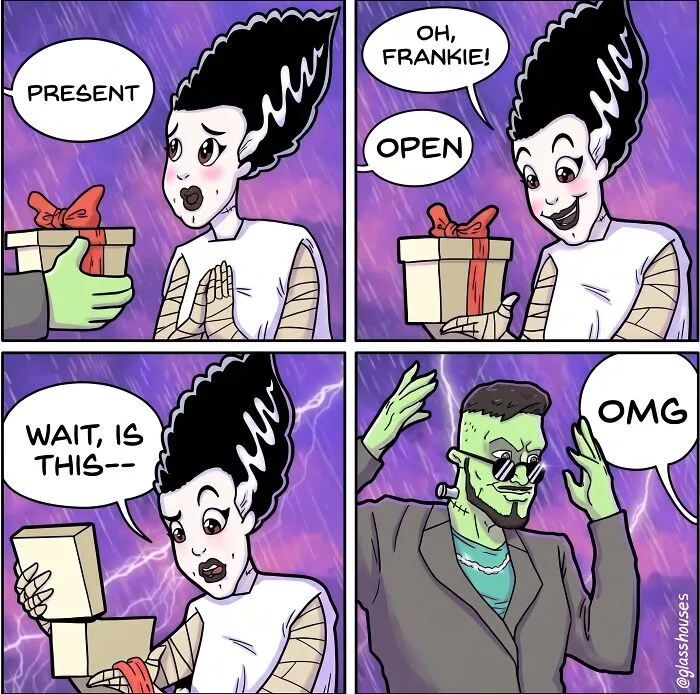
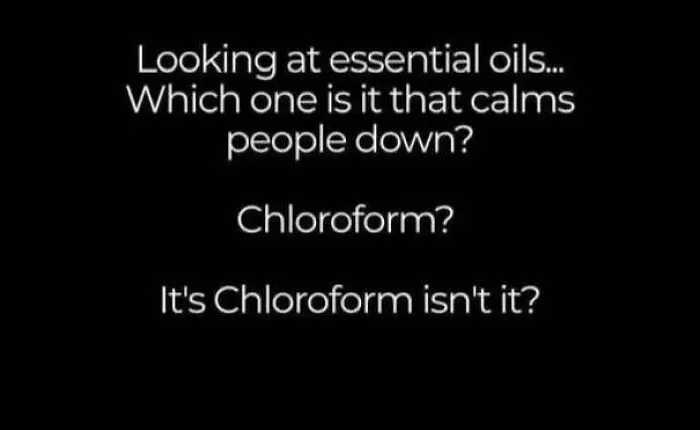
The line between using humor as a tool and using it as a full-time hiding place is real, and the community can still function enough to know the difference. The best mental health memes are funny because they are accurate, and accurate because whoever made them has spent enough time with the feeling to describe it precisely.
But don't confuse that level of self-awareness with avoidance. A 2021 study from the University of Sheffield found that people who use humor to cope with chronic stress show greater long-term psychological flexibility than those who do not, meaning the laugh is building something, not just covering something up.
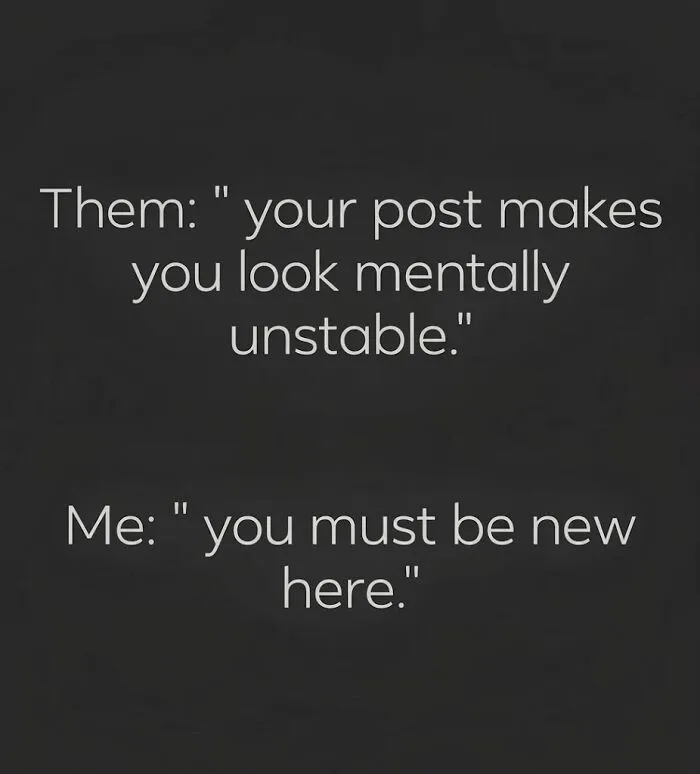
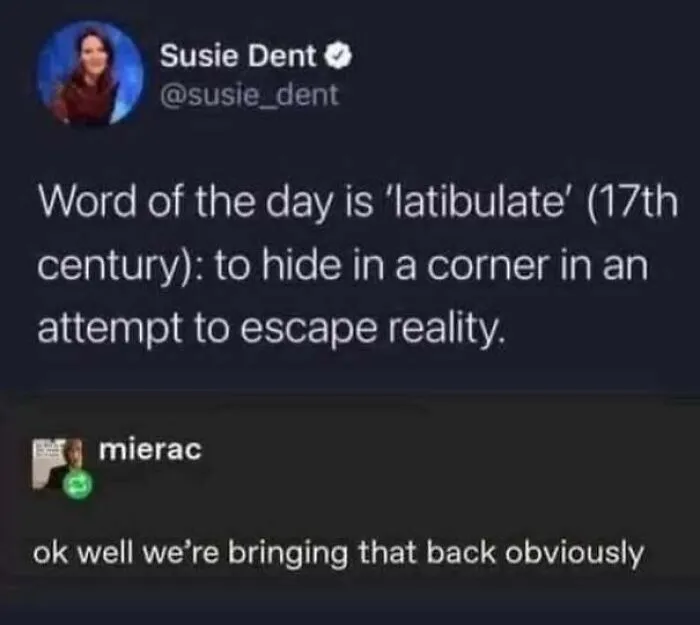
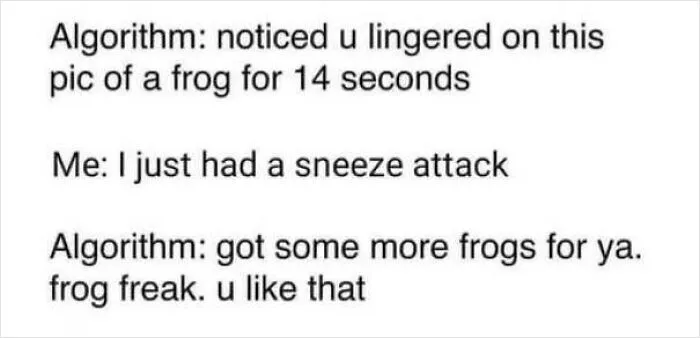
The dismissal of mental health memes as trivializing real struggles has been the default position for long enough that researchers decided to actually test it. Dr Jennifer Drabble and Dr Umair Akram at Sheffield Hallam's department of psychology, sociology, and politics found that mental health memes help people express difficult emotions in new and creative ways, and improve emotional bonds in a socially supportive way.
"We wanted to explore the psychological impact that mental health-related memes may have for individuals experiencing psychiatric symptoms," said Dr Akram. "Often, memes of this nature are disparaged, often without any substantial evidence."