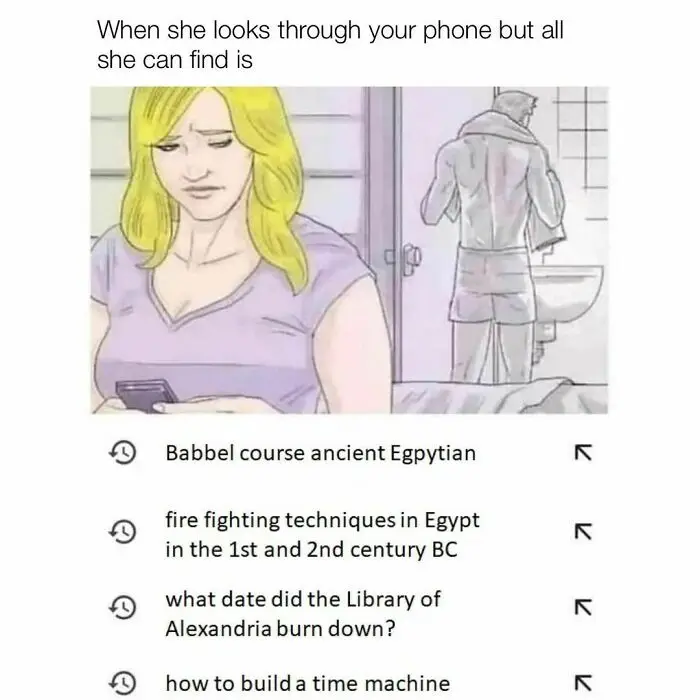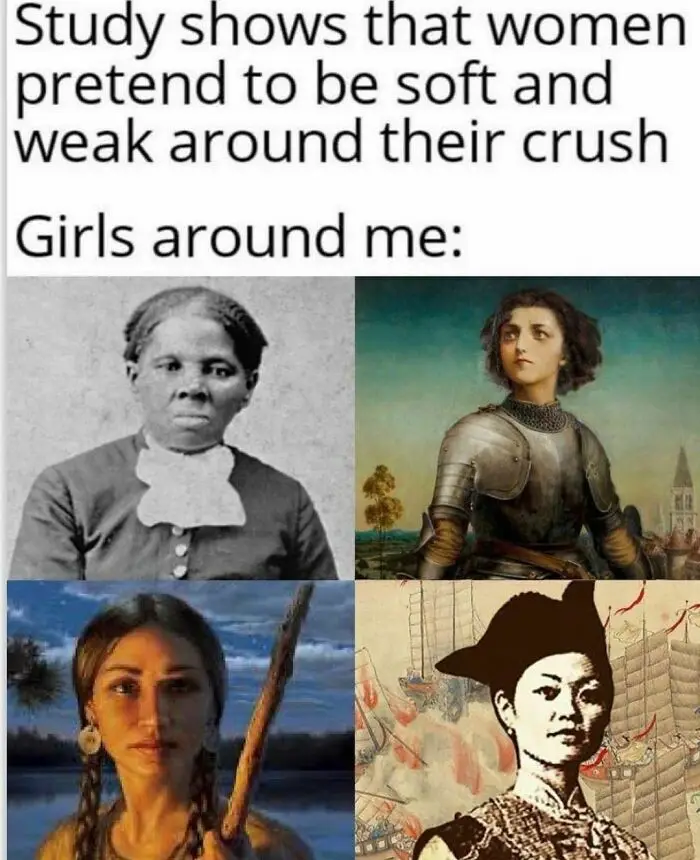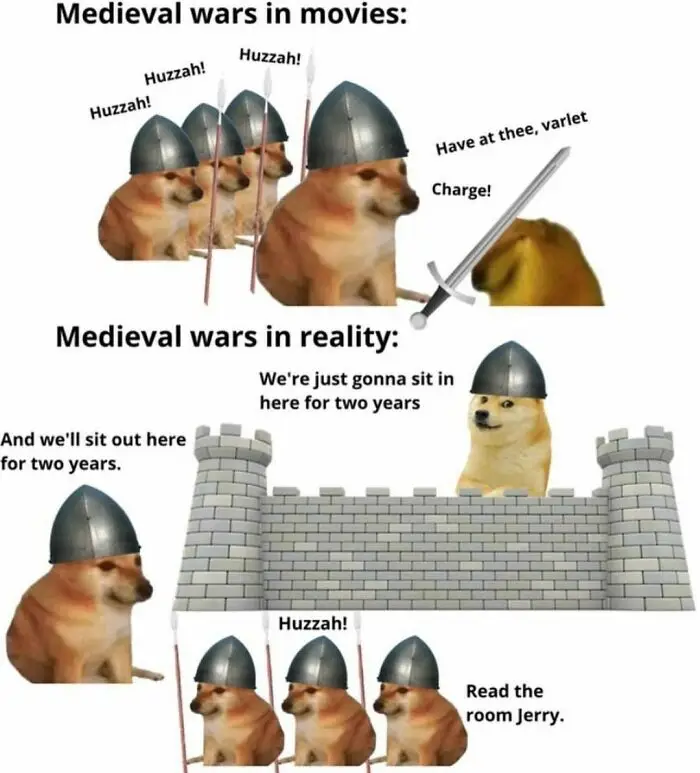


The “History In Memes 3” Instagram page shares hilarious and insightful posts about the past. So get comfortable as you scroll through, upvote your favorites and be sure to share your own thoughts in the comments section below. We also got in touch with archeologist and historian Ari Akkermans to learn more.
More info: Instagram
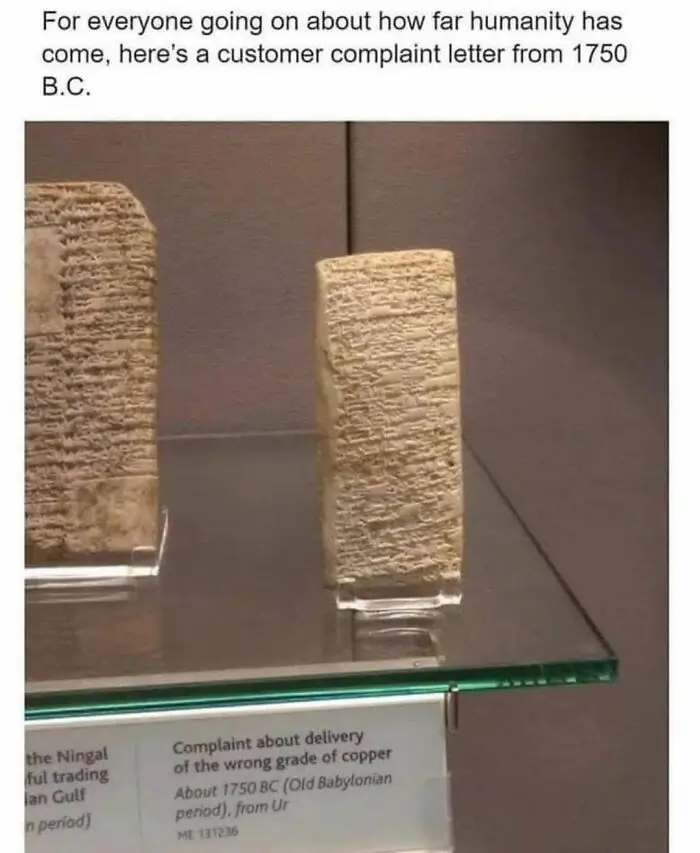
“Most Byzantine art during the 4th crusade,” he added, was destroyed by crusaders. “A lot of it is in Italy, but mostly has been lost. For such a long and important period, Byzantine art exists in incredibly small amounts, except for coins.”



Remember, in most cases, the things that survive are made from strong, durable materials. “Many of the marble and stone idols we have from the Paleolithic and Neolithic existed in cheaper versions in wood that we assume the poor mass produced and bought (like the Kilia idol or the Neolithic Mother Goddesses). But wood doesn't survive well, the oxidation process eats it up, few examples exist, sometimes preserved in water or in caves,” he shared.


Interestingly, this even happened in the past. “The 7th century Archaic Greek city of Sybaris, in Calabria, southern Italy, is buried underneath an aquifer, and although the site is known, it cannot be excavated, the site will flood with water within minutes. I worked at the site with a team of artists last year. It was already lost in the 4th century BCE.” If you want to see more of Ari’s work, check out his Instagram and Linktree.



The truth is that without archaeologists taking steps to find and preserve these things, much would be lost. We tend to think of historical artifacts as being hidden in some tombs, but realistically, most were household items that just ended up being thrown out. Tombs, incidentally, are “great” because no one is looting them (for the most part.) It’s important to keep these ideas in mind when thinking about the past. We know a lot about things that are still around, but our minds tend to not fill in the blanks effectively. Picture a medieval street? How colorful is it? Because, in reality, most people would have colored clothes, and yet the concept seems so weird in our eyes. This is probably why memes can do a lot of work to teach people about the past.