



The emotional component can't be understated either. People are hardwired to relate emotionally before making a purchase, which means relatable content isn't just good for engagement but also for building trust and driving conversions. When audiences feel like a brand understands their struggles, desires, and values, they're far more likely to become loyal customers who recommend that brand to others.

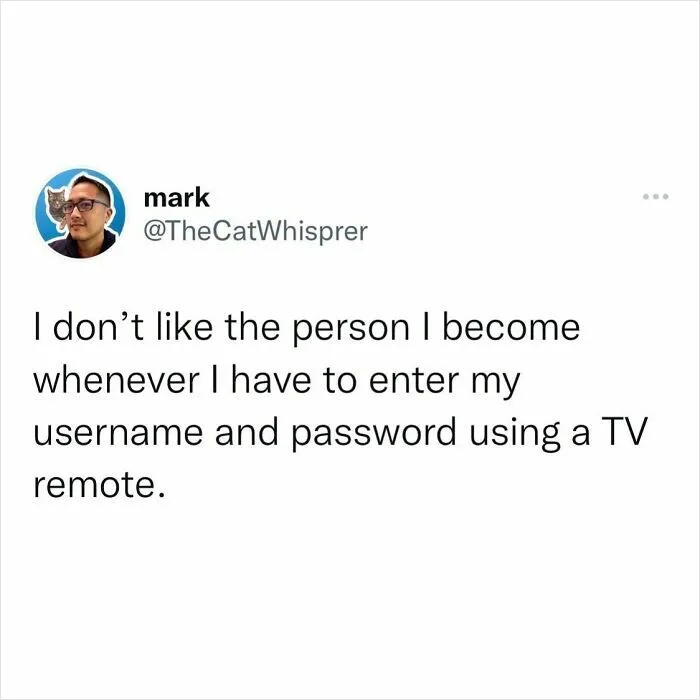

Behind the scenes content and showing vulnerability also contributes to relatability. People appreciate seeing the imperfect, human side of brands and creators rather than just the highlight reel. Admitting mistakes, sharing challenges, or showing what happens behind the curtain makes content feel authentic and genuine in a way that polished promotional material never can.



The platforms themselves have caught onto this shift too. Instagram leaned into Stories and Reels that favor spontaneous everyday moments over carefully edited posts. TikTok built its entire empire on candid, unscripted content. Even LinkedIn has loosened up with more personal storytelling becoming acceptable in professional spaces. The algorithms reward authentic engagement, so relatable content that sparks genuine conversations and shares naturally performs better than content that feels like an advertisement.


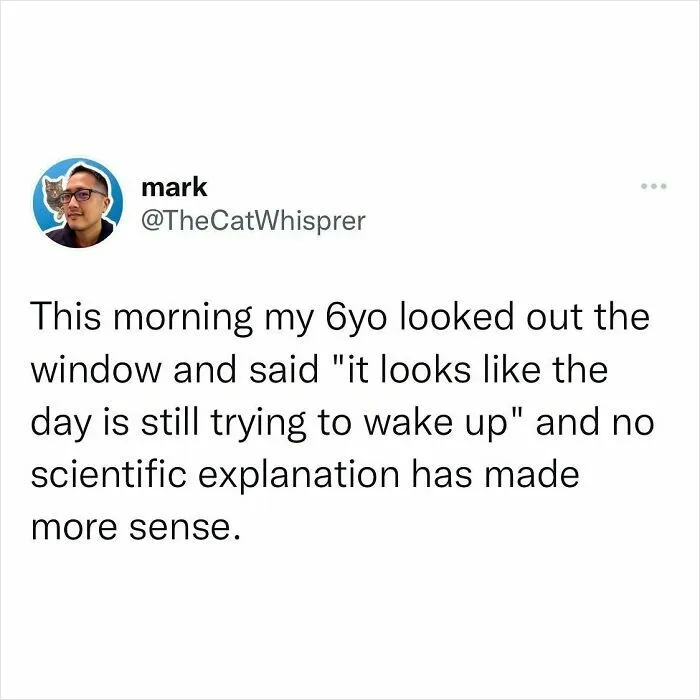
What makes relatable content so effective is that it creates a feedback loop of connection. When people engage with content that resonates with them, they're essentially saying "yes, me too" to both the creator and everyone else who's engaging with it. This builds community and makes people feel part of something larger than themselves, which is exactly what keeps them coming back to social media in the first place.