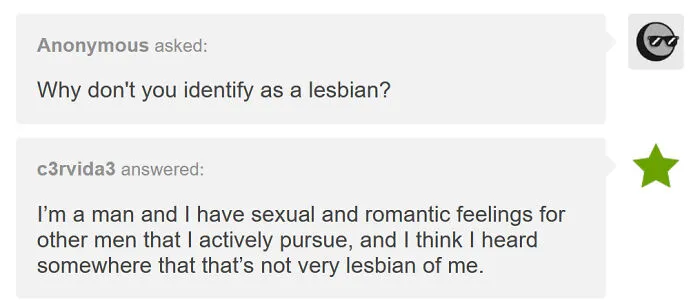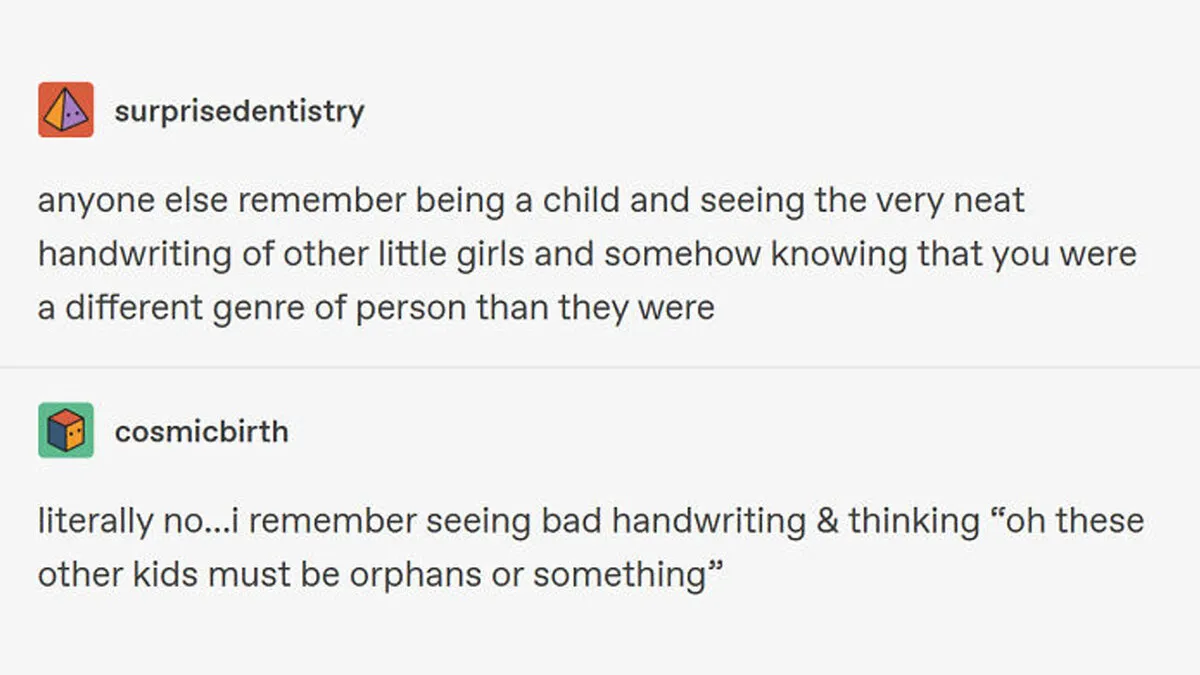


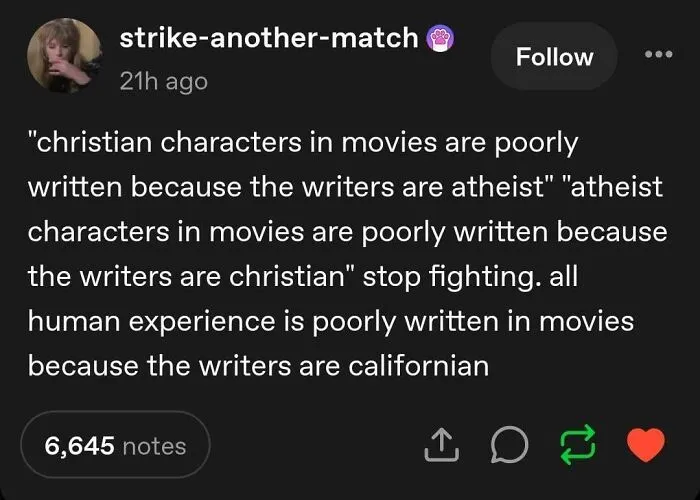
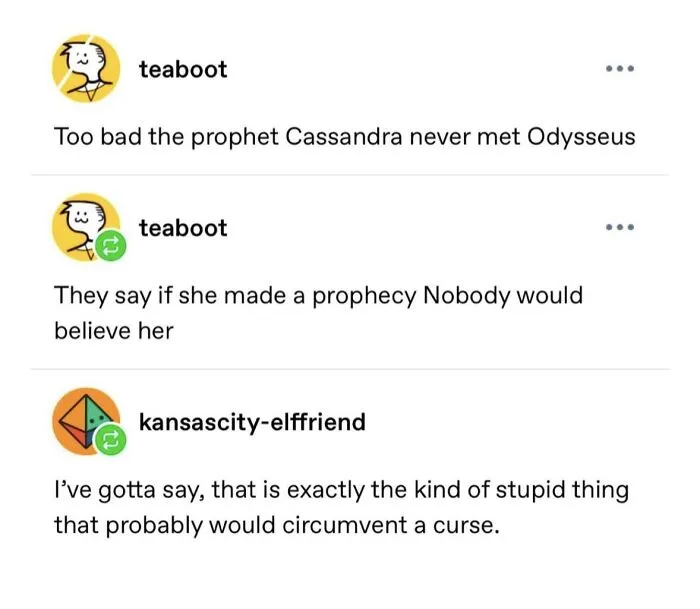
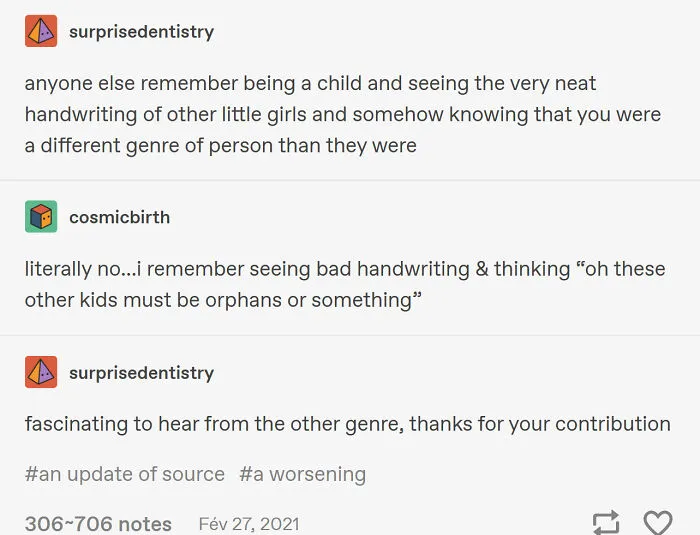
Tumblr launched in February 2007, when a young developer named David Karp, who had been consulting from his mother’s apartment in New York City, decided blogging needed to be less intimidating. His pitch was refreshingly simple. Skip the essays and the polish. Post a photo, a quote, a GIF, a song or a thought you haven’t finished having, and then go about your day.
The real secret sauce was the dashboard and the reblog button. You followed blogs you liked, their posts stacked up in one endless stream, and with a single click you could pass anything along to your own followers with a comment of your own tacked on. A good joke or a gorgeous piece of art could circle the globe in an afternoon, collecting new twists at every stop like a snowball rolling downhill.
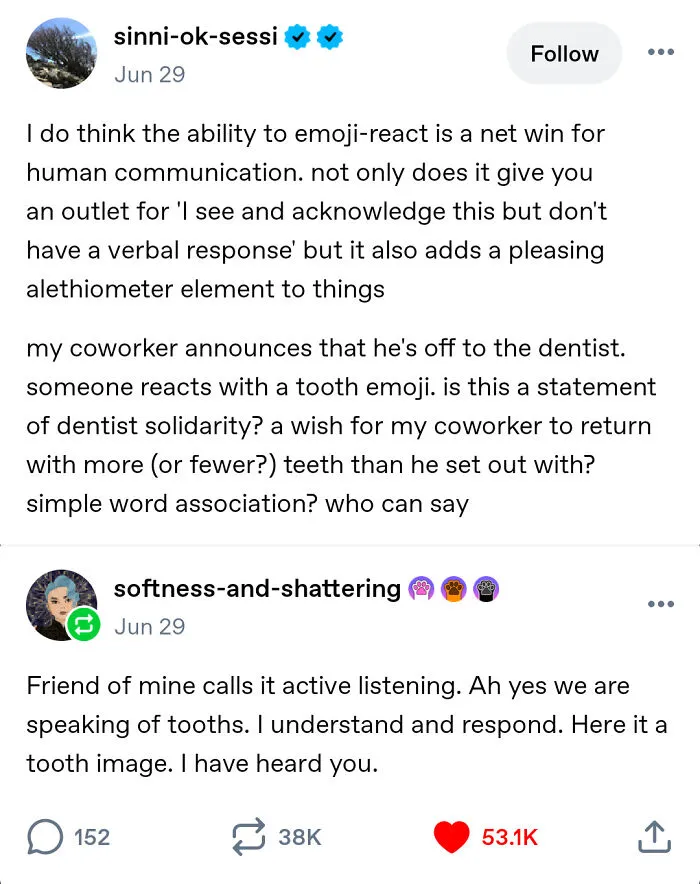
#5 Like The Feeling You Get When You Throw The Spoon Away And Put The Empty Yogurt Cup In The Sink

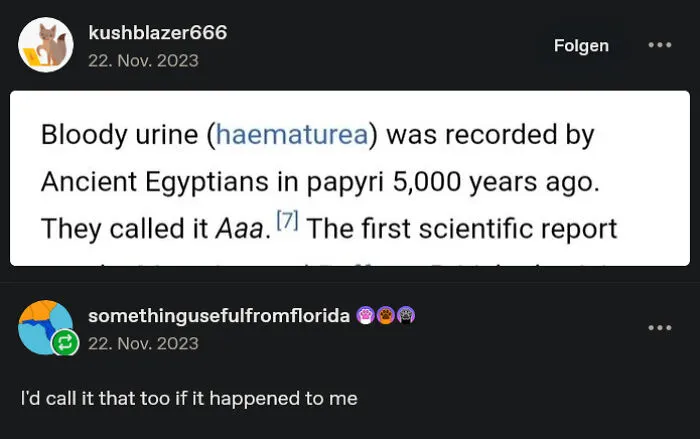
The numbers got big fast. By 2013 the site boasted 108 million blogs and more than 50 billion posts, and Yahoo handed over $1.1 billion to bring it home, a hefty sum for a company said to bring in only about $13 million in revenue. Yahoo’s CEO at the time, Marissa Mayer, even promised not to mess it up. Spoiler alert, the next few years were bumpy.



Still, it is easy to see why people packed their bags and moved in. Tumblr never demanded that you be one tidy, consistent brand. You could run one blog for a single cartoon character, another for your favorite band and a third dedicated entirely to pictures of soup, and nobody batted an eye. Fans in particular settled in like they owned the place.
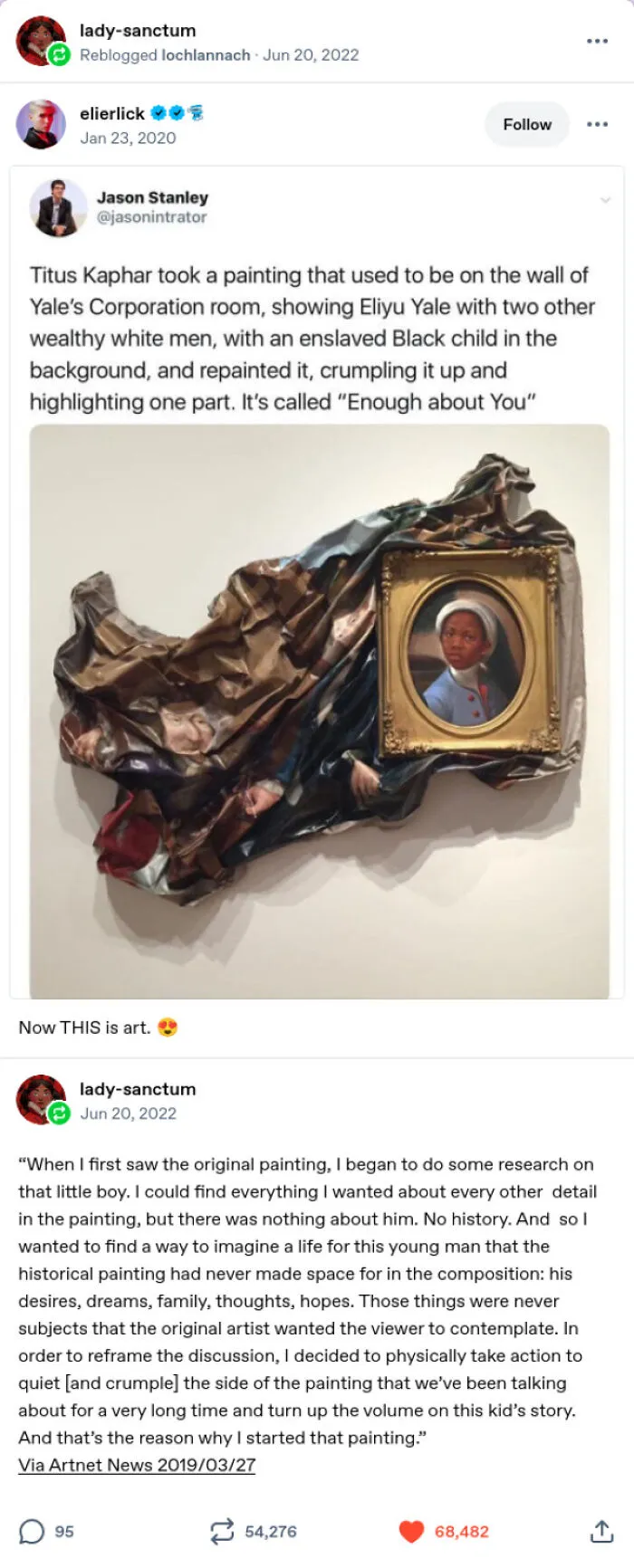
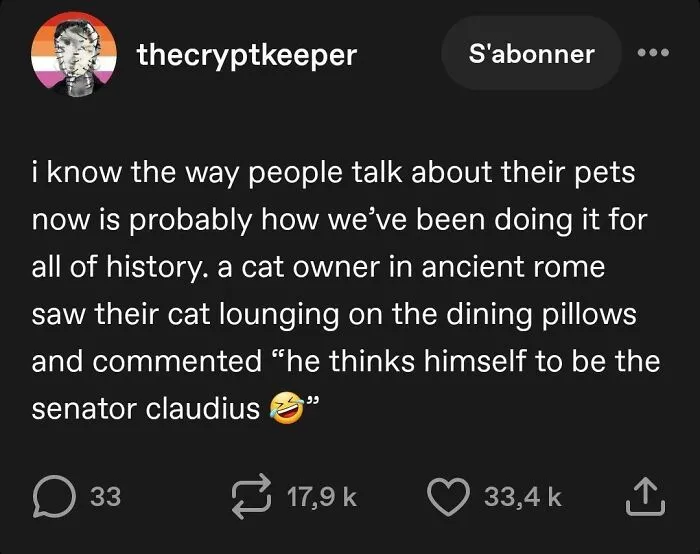

TV shows, books, bands and video games all grew their own neighborhoods packed with fan art, GIF sets, theories and fan fiction. An academic essay on Tumblr fandom edits notes that the site likes to picture itself as a hidden back alley where people can be strange in peace, which honestly sounds about right.
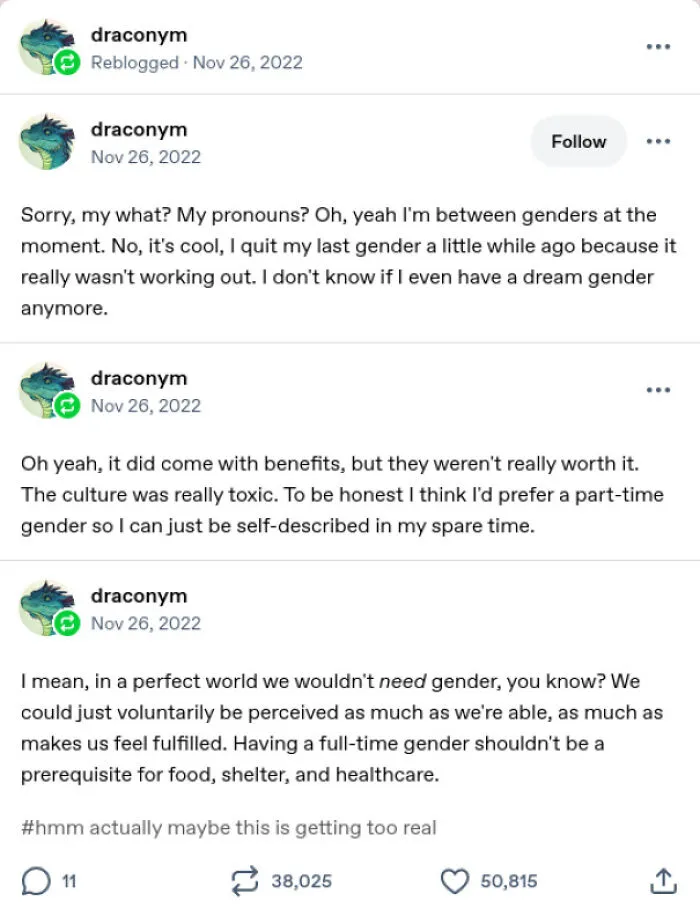


Making money turned out to be harder than making memes. After Yahoo came Verizon, and a sweeping change to the site’s content rules at the end of 2018 sent plenty of users packing. In 2019, Automattic, the company behind WordPress, picked Tumblr up for a nominal sum. Reports put the price below $3 million, a sliver of what Yahoo paid.

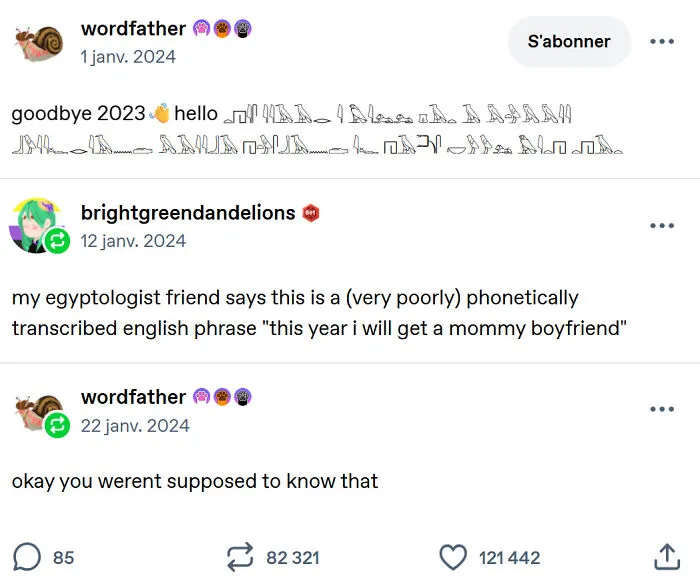
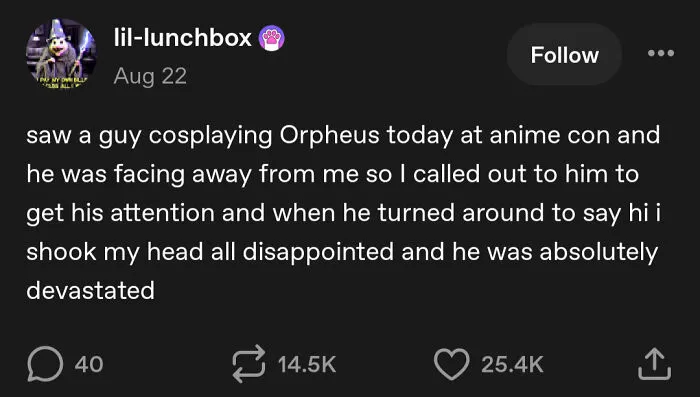
Here is the twist, though. A smaller Tumblr did not mean a smaller influence. The site gave the internet the Discourse, a capital D nickname for sprawling online arguments, and one internet culture researcher quoted in one analysis says these debates tend to start on Tumblr before wandering off to Twitter and TikTok.