


This post may include affiliate links.



Social media has become such a huge part of everyday life that it's hard to imagine a world without it. In 2025, more than 5.4 billion people worldwide were estimated to use social media—well over half the global population sharing photos, opinions, jokes, news, and occasionally far too much information about their breakfast. But social media didn't begin with smartphones, influencers, or endlessly scrolling feeds. Its roots stretch back to the early days of computer networking, when people looked for ways to connect through glowing, text-only screens.
In 1978, computerized bulletin board systems, or BBSs, allowed users to exchange files and post messages through dial-up modems. Usenet soon expanded the idea through categorized discussion groups, laying the groundwork for the online communities and comment threads we know today. A major step toward modern social networking came in 1997 with SixDegrees, which allowed people to create profiles, build friend lists, and explore connections between users.


The early 2000s were when social networking really began moving into the mainstream. Friendster launched in 2002 and helped prove that people were interested in mapping their real-world friendships online, while platforms such as MySpace turned personal profiles into creative spaces where users could customize nearly everything. As Thomas Ward explores in A History of Social Media: From Analog Gatherings to Algorithmic Tsunamis, SixDegrees arrived before the technology and internet access needed to support its ambitions, while Friendster eventually struggled under the weight of its own rapid growth.
MySpace, launched in 2003, became particularly popular with young users who could personalize their pages with custom HTML, backgrounds, music, and just about every other design choice imaginable. Then, in 2004, Mark Zuckerberg launched Facebook, initially for Harvard students. Its cleaner design, real-name profiles, and focus on connecting people through existing networks represented a very different approach—and eventually helped turn social networking into a truly global habit.



As internet connections became faster, social media moved beyond static profiles and began happening in real time. YouTube launched in 2005 and gave everyday users an unprecedented way to upload and share videos with audiences worldwide. Suddenly, you didn't need a television network or production company to broadcast yourself; you just needed an internet connection and something people might want to watch.
A year later, Twitter (now known as X) introduced microblogging, originally limiting posts to just 140 characters. The format encouraged users to share thoughts, news, reactions, and jokes in quick, bite-sized updates, helping create the fast-moving online conversation we now take for granted. Social media increasingly became a place where breaking news could spread almost instantly, often through the people witnessing events themselves.



Then, in February 2007, 21-year-old developer David Karp launched Tumblr from his mother's apartment. The platform carved out a unique space between traditional blogging and the shorter, faster style of microblogging. Tumblr made it easy for users to share text posts, photographs, quotes, links, audio, videos, and more from a simple dashboard. Unlike the heavily customized chaos of MySpace or Facebook's increasingly structured social network, Tumblr emphasized creative expression and the content itself. Its chronological feed also let users follow people based on shared interests rather than real-world friendships. This helped the platform become a home for artists, writers, photographers, meme-makers, and communities that often didn't quite fit anywhere else online.


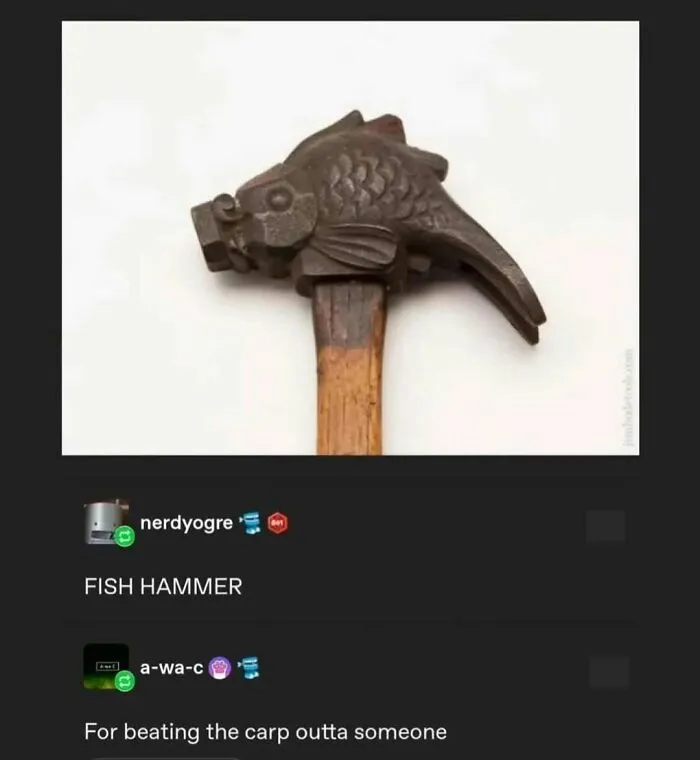
One feature in particular helped define the Tumblr experience: the “reblog” button. Users could share someone else's post directly onto their own blog, add a comment, and then pass it along to their followers, creating long chains of reactions, jokes, artwork, and conversations. A single post could travel across thousands of blogs, picking up new commentary along the way. This made Tumblr an especially important space for fandom culture, where communities built around television shows, films, books, anime, music, and celebrities could create and share content almost continuously. Over time, Tumblr also became a major incubator for internet humor, visual aesthetics, online language, and conversations around identity and social issues. Many trends and jokes that later spread across the wider internet either began on Tumblr or were shaped by its distinctive culture.



Tumblr's cultural influence eventually caught the attention of much bigger companies. In 2013, Yahoo acquired the platform for around $1.1 billion under CEO Marissa Mayer. However, bringing Tumblr's highly creative and often fiercely independent community into a large corporate structure proved complicated. Finding ways to monetize the platform without alienating users became a constant challenge. One of its biggest turning points came in late 2018, when Tumblr introduced a broad ban on adult content following safety and policy controversies. The decision was deeply unpopular with many users, including artists and communities who had relied on the platform as a space for creative expression. Many people left or reduced their activity, marking a major shift in the site's culture and contributing to a significant decline in its traffic.