




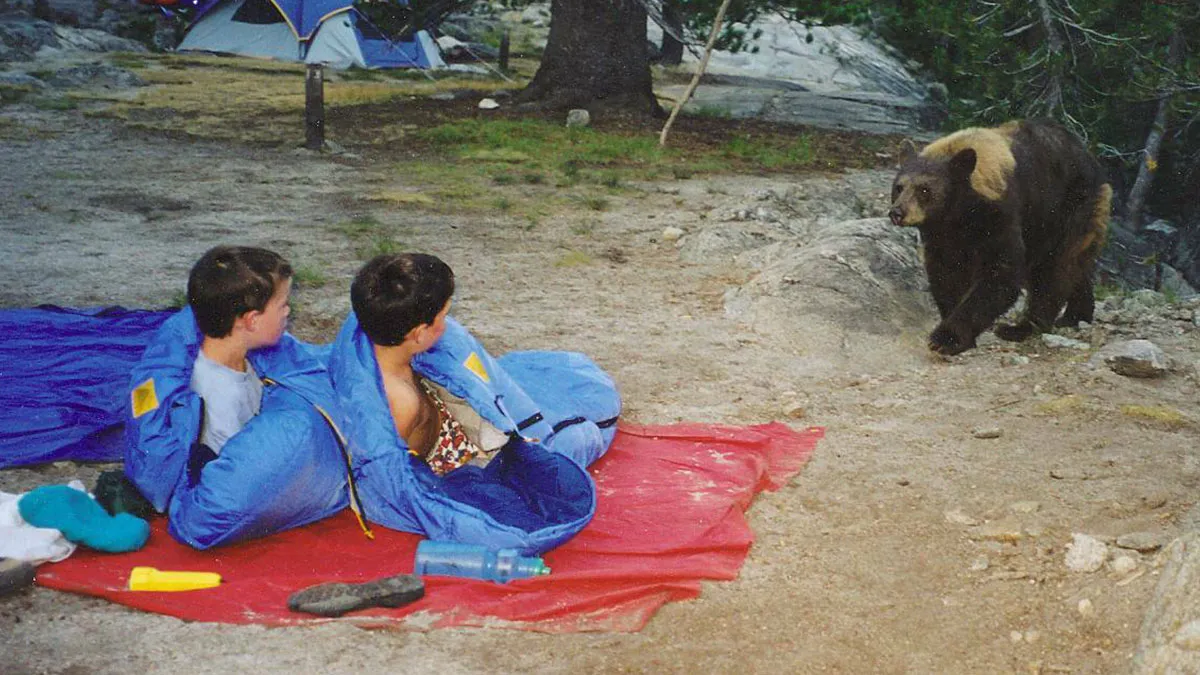


#1 My Sister Rented A Flat Here In North Of Iceland For Christmas, This Is Her View
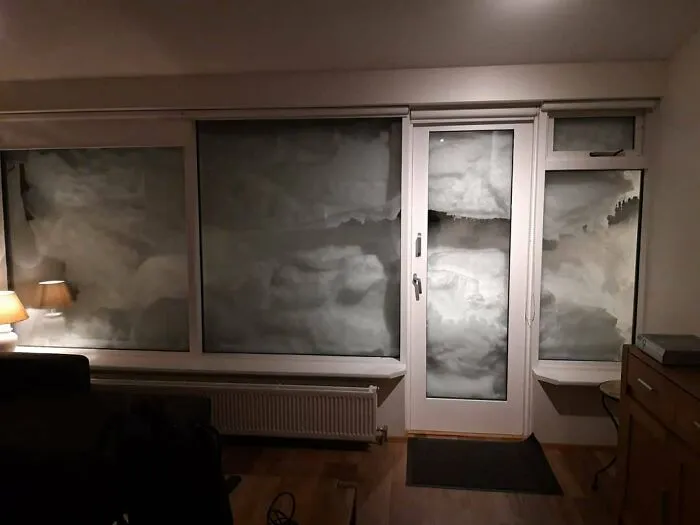
#2 Tried To Take A Panoramic Picture Of The Eiffel Tower Today, It Went Surprisingly Well!
Most people spend weeks mapping out every detail — what sights to visit, where to eat, and where to stay — especially when traveling thousands of miles to cross bucket-list destinations off their list.
One would picture crisp blue skies revealing a snow-capped peak when visiting Mt. Fuji, or an empty stretch under a golden sunset when walking along the Great Wall of China.
We often build a vague fantasy of what the trip should look like.
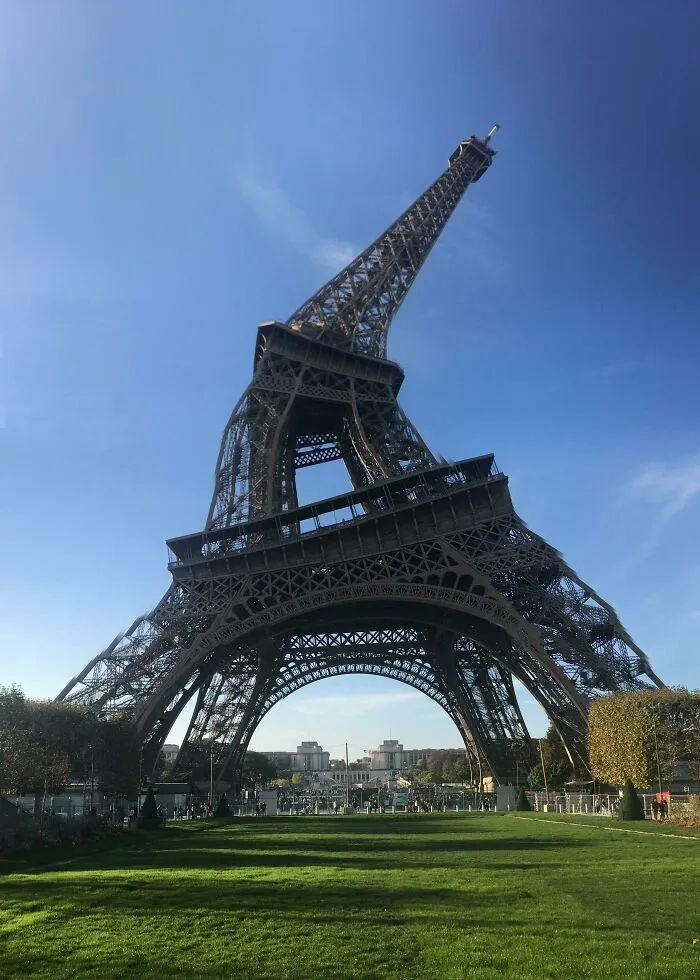
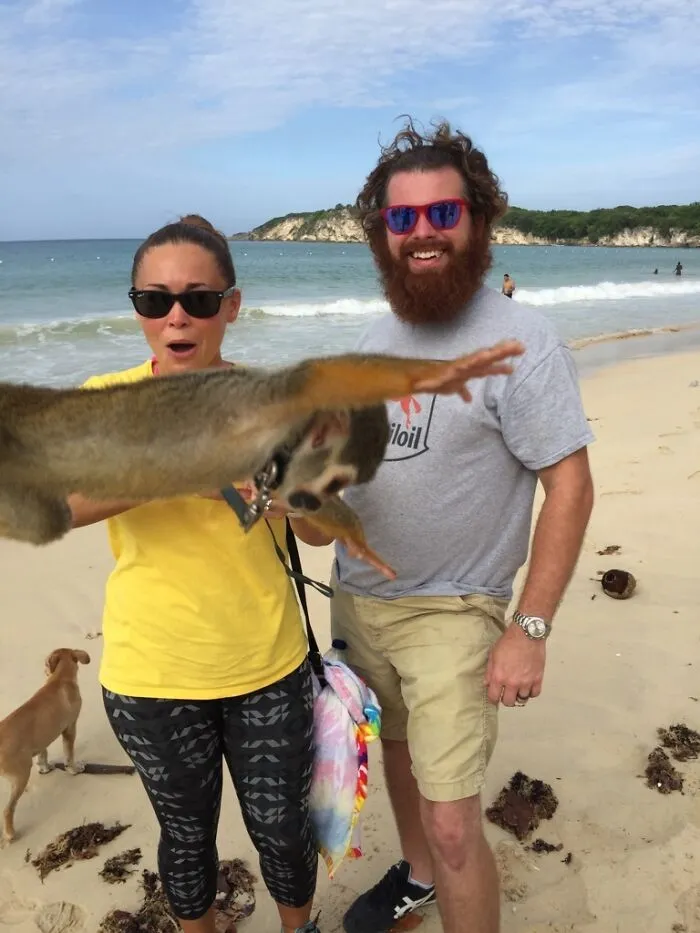
#3 Hiked A Mountain In Hot Weather. A Monkey Stole My Water At The Top Then Proceeded To Drink It On Front Of Me
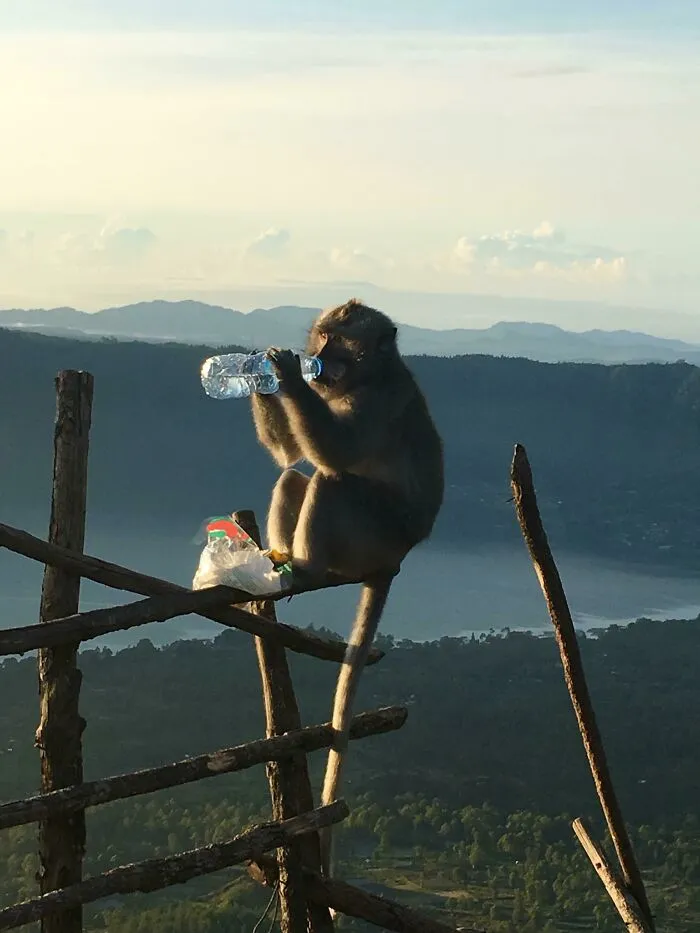
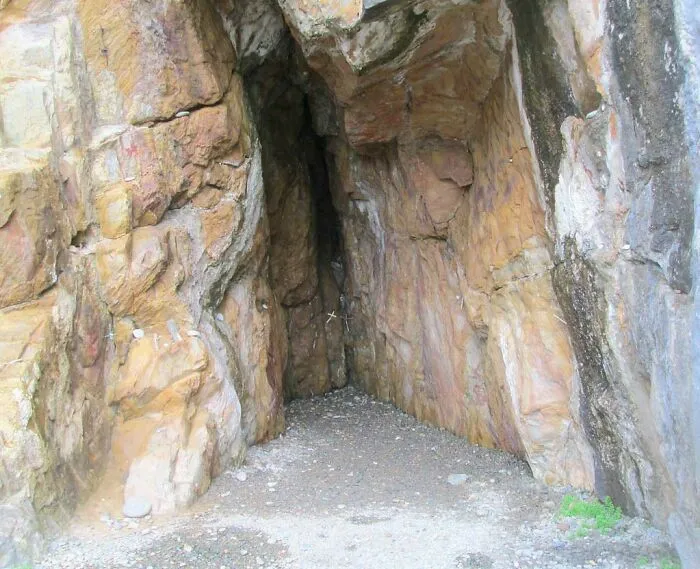
#5 Before The Days Of Tripadvisor, On A Family Holiday To Scotland, We Spent Two Hours Walking To A Famous Cave Expecting It To Go Underground And Everything. This Is The Cave
Travel also brings intense pressure. You might feel an urgency to maximize every minute and every dollar spent.
And why not? Between inflated flight prices and hotel rates, vacations are a massive investment. The price tag alone fuels the need for perfection — if you spent thousands of dollars, nothing is allowed to go wrong.
This stress shows up when you're supposed to be on a break.
A survey by OnePoll found that nearly 65% of Americans feel too much pressure during their trip to actually enjoy it. Almost 23% admitted that they haven’t felt truly relaxed on a vacation in years.


One reason why most people stress before and during a vacation is that they tend to romanticize the trip long before they start packing.
Some people even treat it as an idealized escape from real life.
“Different people have radically different images of what the good life is, and for many, when we go on vacation, we are trying to create a life that resembles what we think of as the good life. It’s not really important what we do, as long as it fits into that idealized image,” says Association for Psychological Science Fellow George Loewenstein of Carnegie Mellon University.

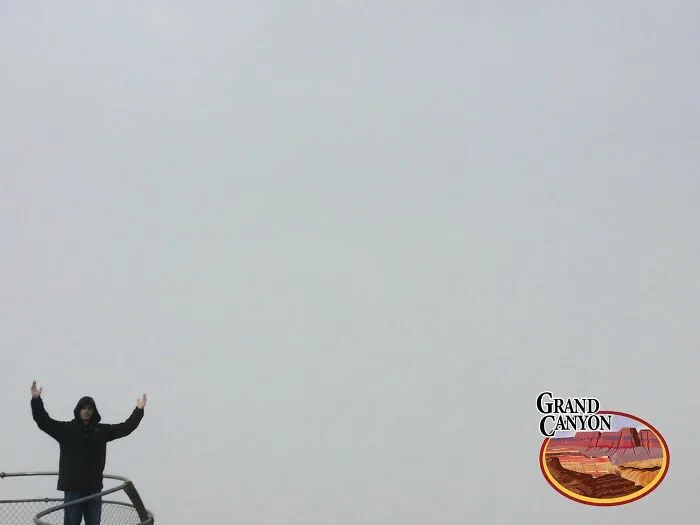
Reality often intervenes on vacations. For example, thick fog, mosquitoes, sunburns, endless lines, and all the other chaos that is much beyond our control.
If these annoyances happened on a normal Tuesday at home, you would rarely document or share them online. But on vacation, even the smallest inconvenience can feel as massive as Mount Everest.
That is because you have invested precious time and energy into a fantasy, and you expect a high return on that investment.
Research shows that when a resource feels extremely limited, your mind becomes hyper-focused on protecting it. For example, a two-hour flight delay might feel like a sabotage of your hard-earned freedom.
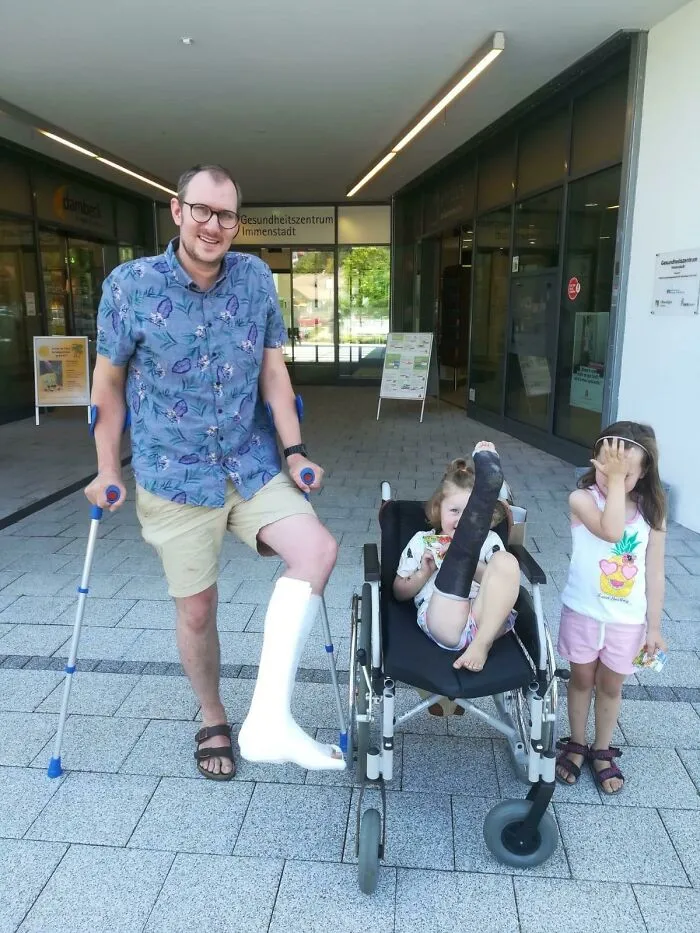
#13 Broken Foot On Vacation

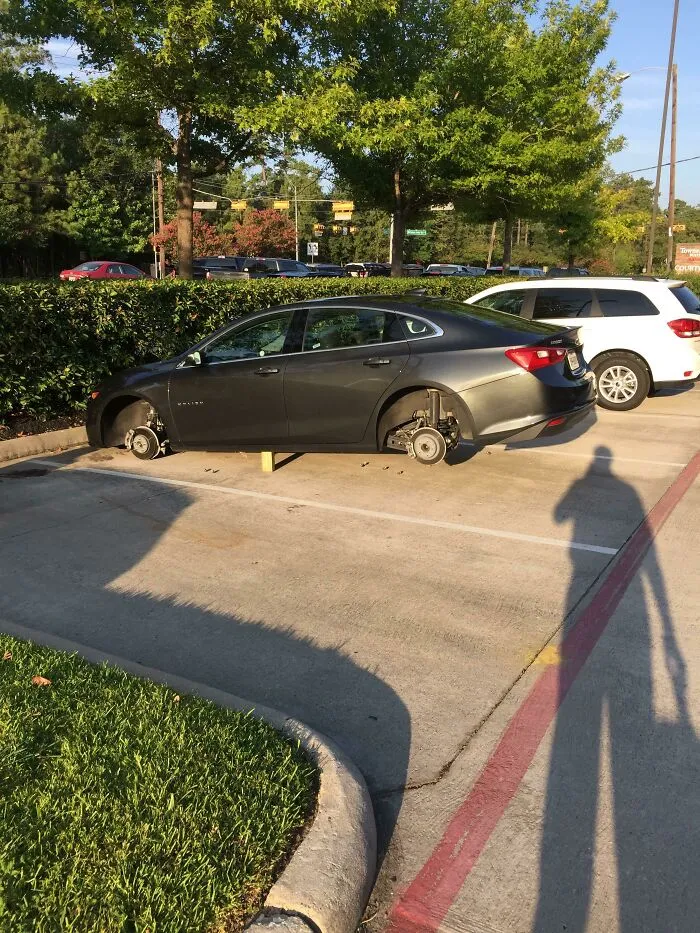
#14 My First Trip To Houston! I Was Very Impressed At How Quickly The Locals Performed Pit Stops. Must Be A Lot Of Nascar Fans
Being in an unfamiliar place naturally strips away our sense of control. Simple tasks like ordering food or catching the right train suddenly require effort. Language barriers, foreign customs, and being far from your usual support system also make you more alert and stressed.
According to a report by the Centers for Disease Control and Prevention, when travelers enter a foreign culture, they often experience a lost sense of environmental mastery — a psychological shock in which routine daily life suddenly feels overwhelming.
A study published in the Journal of Travel Medicine also noted that changing your familiar environment leads to a temporary, heightened stress response.
#15 2 Weeks Ago My Youngest Daughter Broke Her Leg 1 Week Before Our Holiday. Yesterday I Broke My Own Leg (On Holiday). Poor Sis And Mom

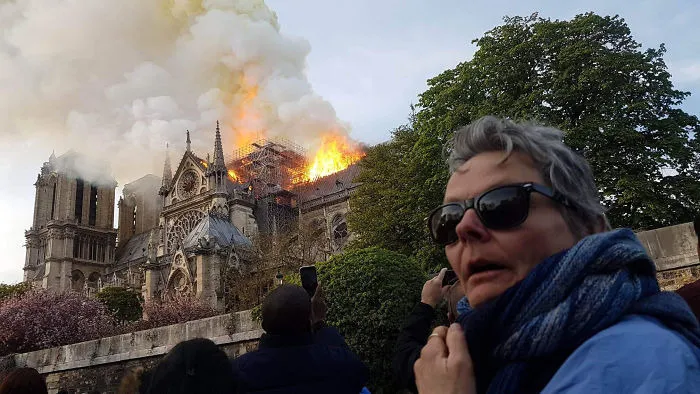
Travel stress also peaks during a medical emergency.
Imagine slipping on wet rocks while hiking in rural Vietnam and breaking your leg. Suddenly, you aren’t just dealing with pain. You are also trying to explain your medical history using translation apps and figure out whether your travel insurance covers an emergency transfer.
You don’t know the local language, the hospital protocols look entirely different from home, and every decision feels terrifying.
Researchers reviewing international care in the Journal of Travel Medicine note that getting sick or injured abroad triggers massive psychological stress.
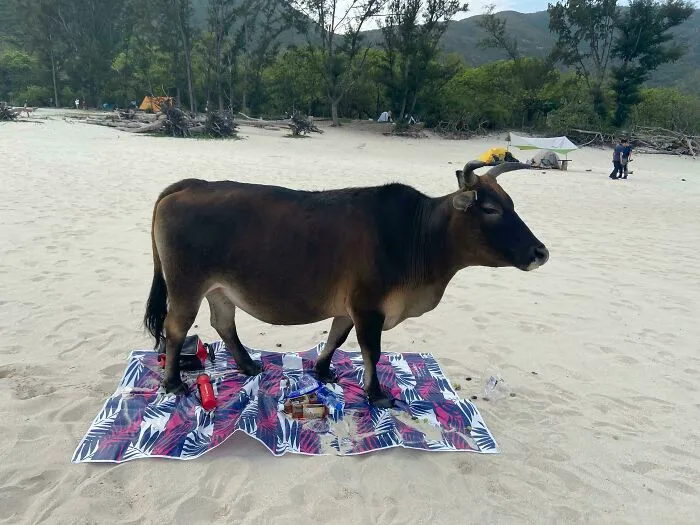
#19 Traveled To Wittenberg, Germany In 2011. The Door Martin Luther Nailed The 95 Thesis Too Was Being Restored

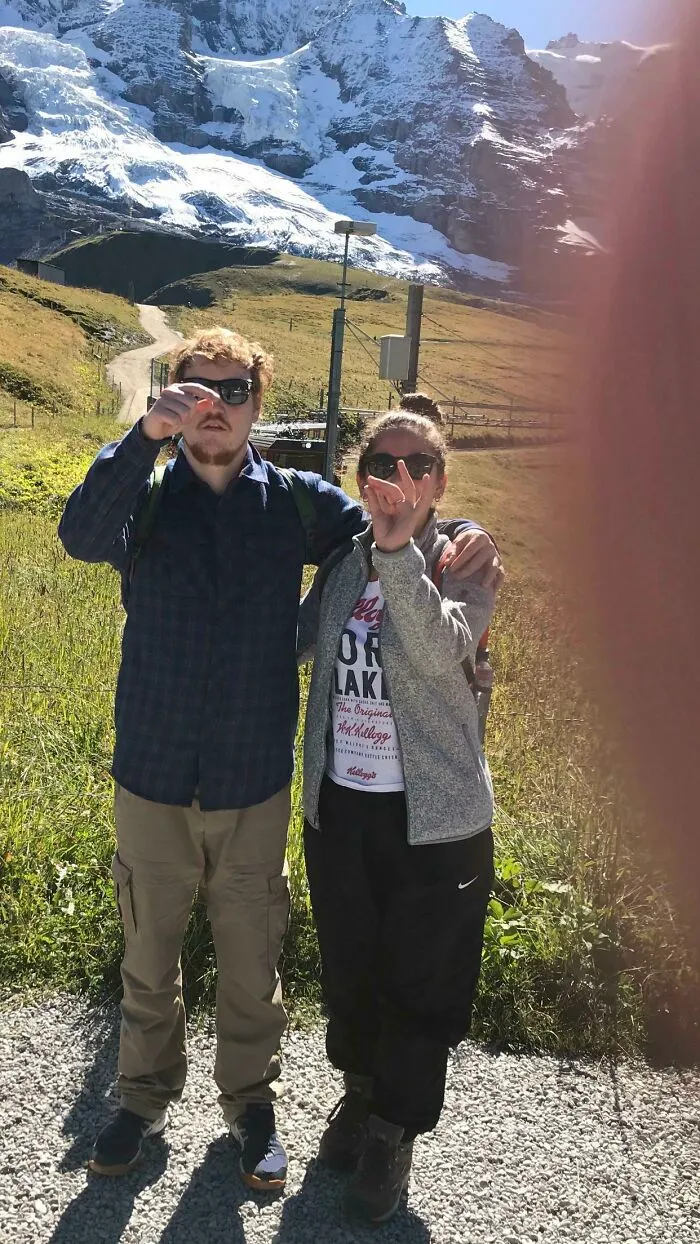
#20 Trying To Explain To The 70 Year Old Swiss Man Who Offered To Take Our Pic That His Finger Was Covering The Lens
Once the vacation is over, we often come back and regale friends and family with tales of fun and adventure — the good, the bad, and especially the ugly.
Loewenstein believes that “the worst experiences often make the best memories.”
“Vacations are doomed to never measure up. In retrospect, fortunately, our minds play games with us, and they reassemble themselves often into something that is pretty close to what we expected. [Later] people remember the highs and lows, but the main thing they really remember is meaning.”