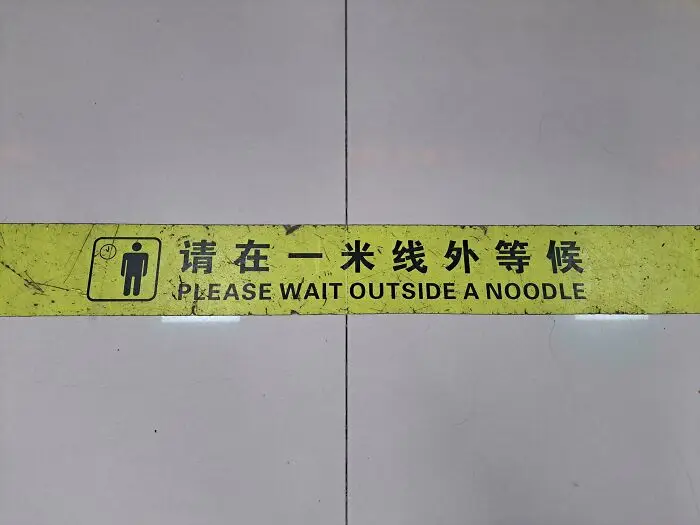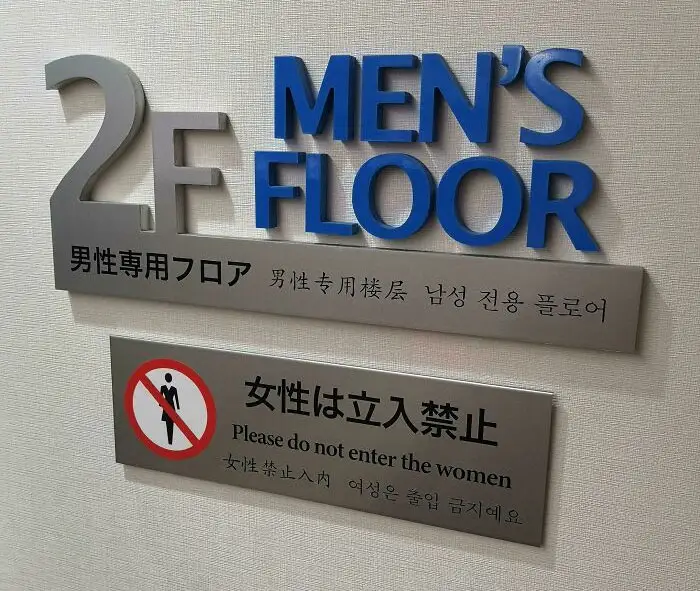


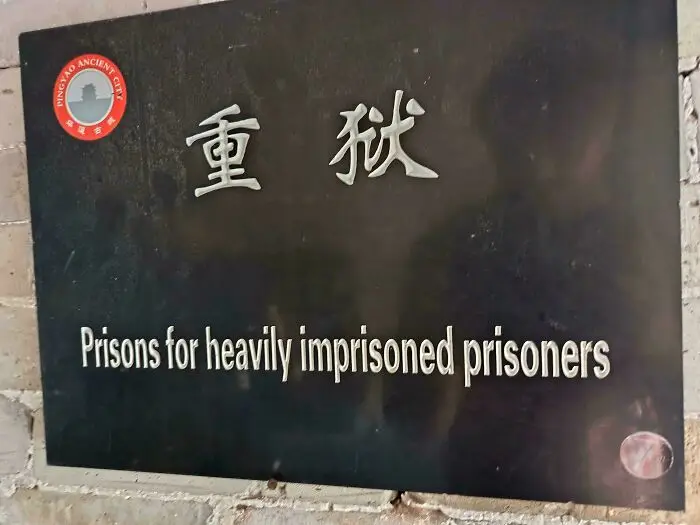
Japanese, for example, usually places the verb at the end of a sentence. English follows a subject, verb, object order, while Japanese commonly uses subject, object, verb.
So while an English speaker would say, “The cat ate the fish,” the same sentence in Japanese is ordered more like, “The cat the fish ate.”

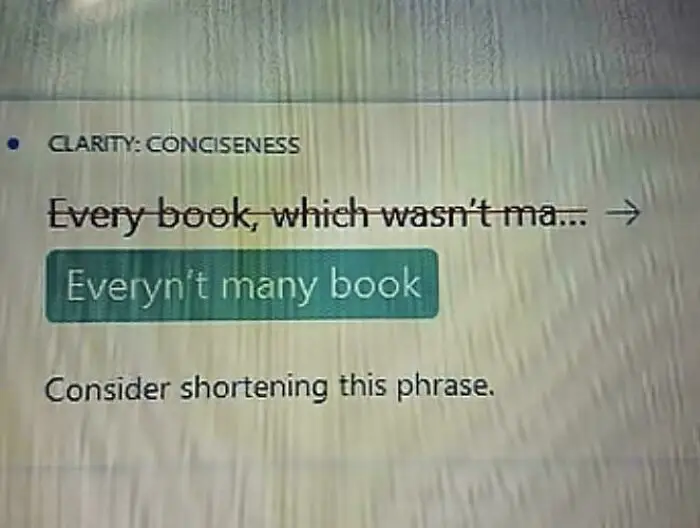
Mandarin Chinese presents a different challenge because verbs do not change form to show tense in the same way they do in English.
English speakers say “drink” in the present and “drank” in the past. In Mandarin, the verb can remain the same, while time words or grammatical particles show when the action happened.
As a result, a very literal translation of a sentence about the past might sound like, “Yesterday I drink coffee,” even though its meaning would be perfectly clear in Mandarin.
#25 Okay, Fine. I Will Lie Next Time, Especially To Someone Who Is Close To A Near-Death Situation



In the end, translation mistakes are simply part of communicating across different languages and cultures. With thousands of languages spoken around the world, misunderstandings are bound to happen from time to time.
They can give us a reason to laugh, but they can also remind us how much effort it takes to speak a language that is not your own. After all, anyone willing to communicate in another language deserves a little patience along with a smile.