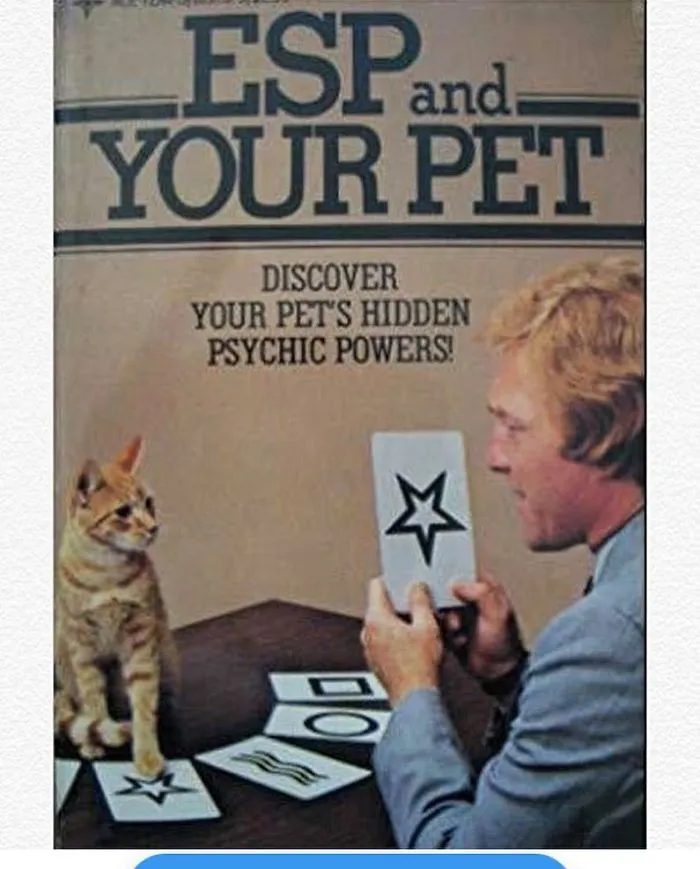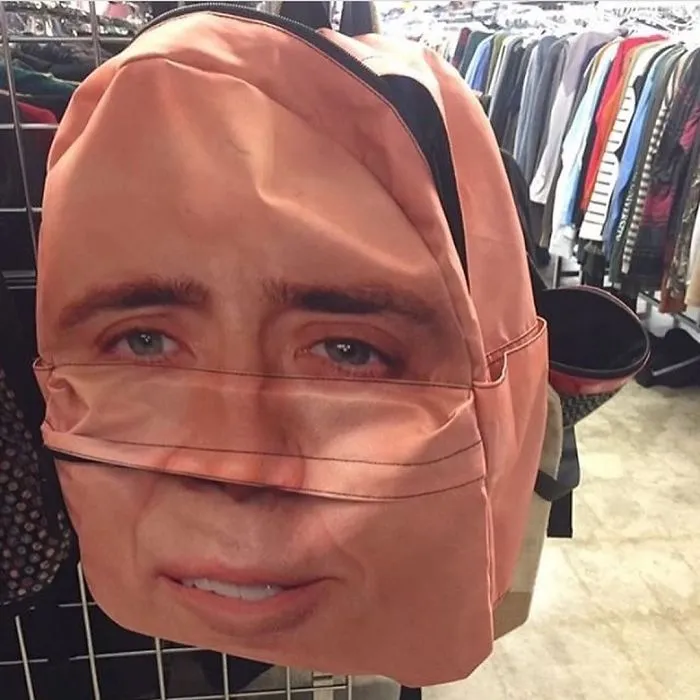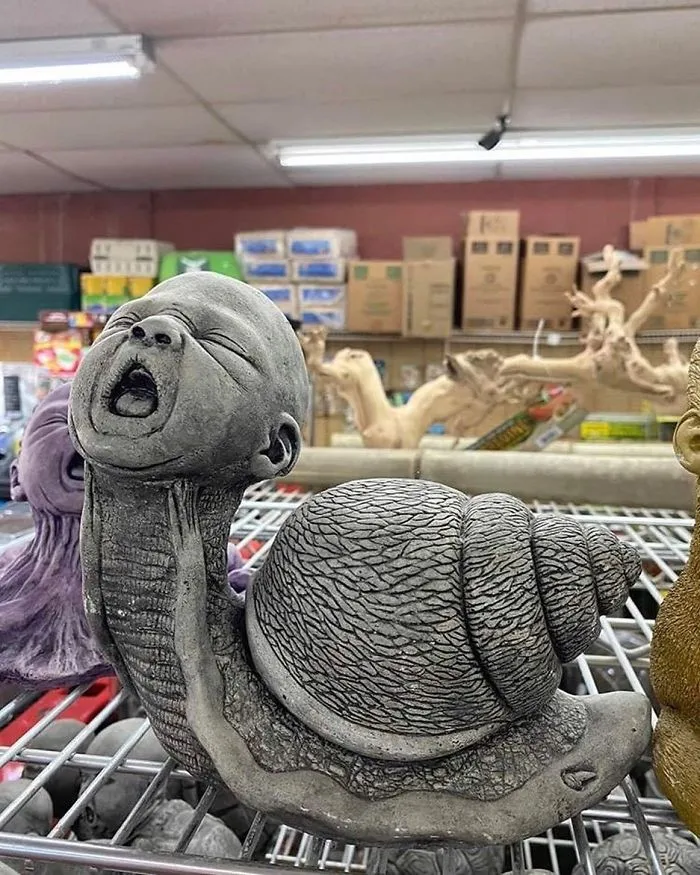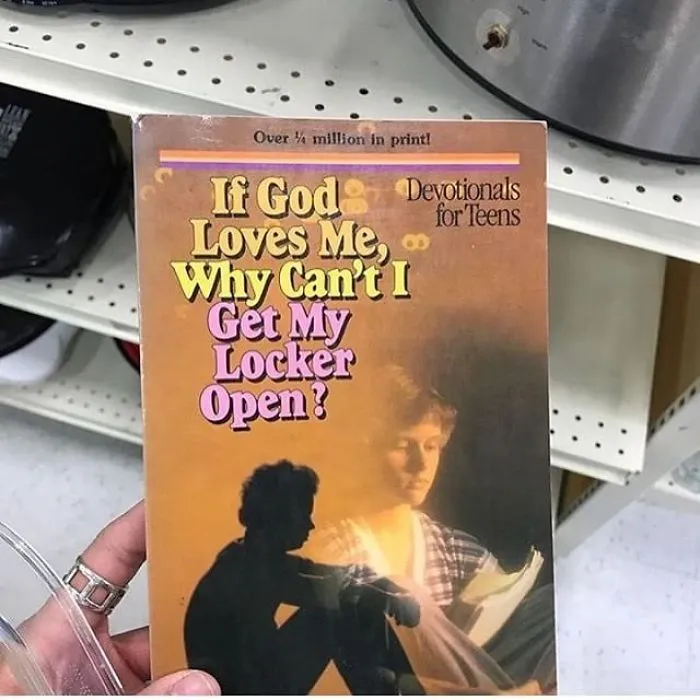


In the past decades, thrift store hunting has become a trendy thing to do, with millennials flocking to the second-hands to browse for unique and budget-friendly items. Thrift shops became popular in the aftermath of the 2008 global financial crisis when cash-short people opted for affordable wear. According to a report by IBISWorld, the size of the thrift store market is estimated at a whopping $10 billion.
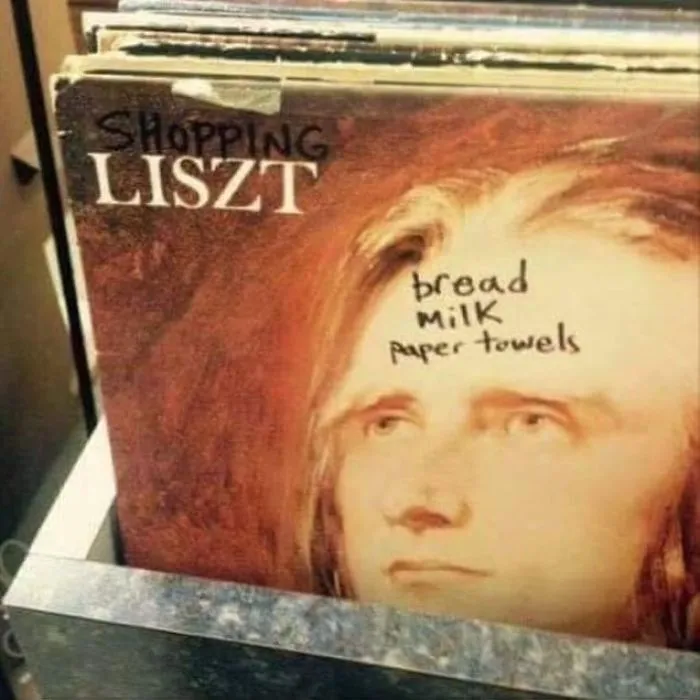
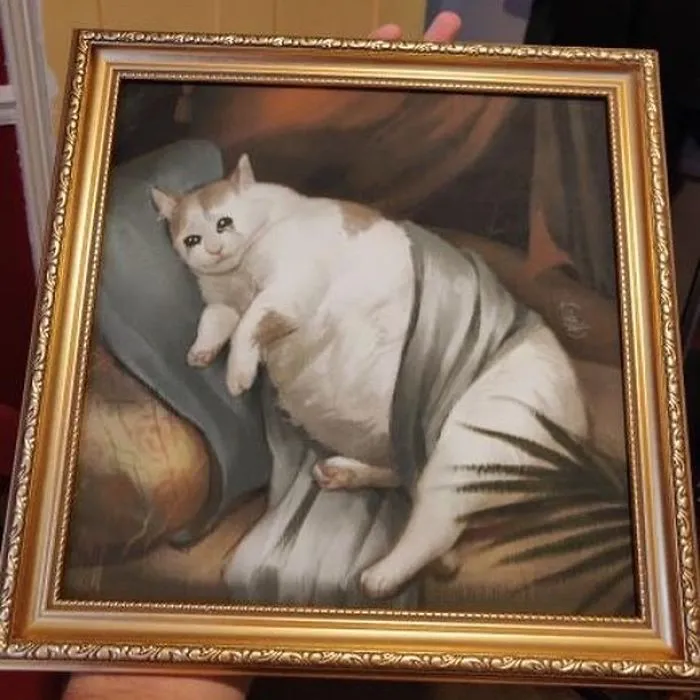
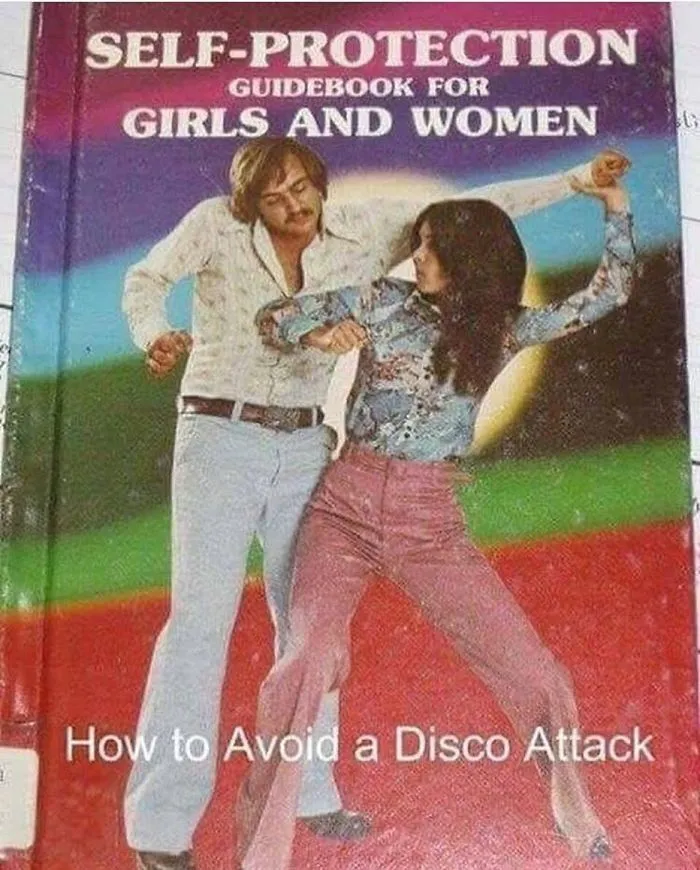
Bored Panda contacted Bryan Dickerson to find out more about the project. It turns out, Bryan is a freelance content creator from San Francisco who combines two of his favorite things—surfing and the thrift scene. Today, he runs the miscellaneous Instagram page and the “Wave Pool Mag” platform.
After Bryan got tired of running a news website as editor-in-chief, he decided to go against all journalistic training, and that’s how “Thrift Store Art” came about. “I wanted a space where I could post fan art of Tom Selleck and say that it’s Pat Sajak or claim that every post is our 'first post ever and still our favorite!'”
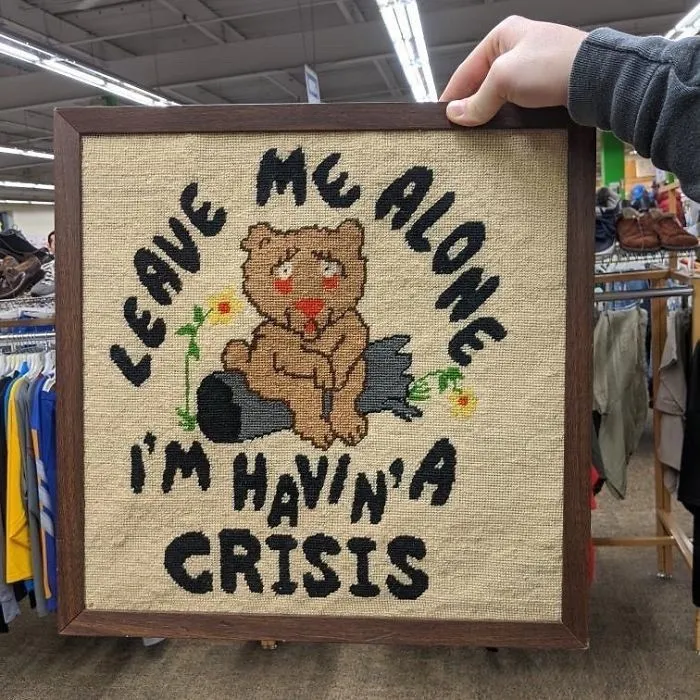
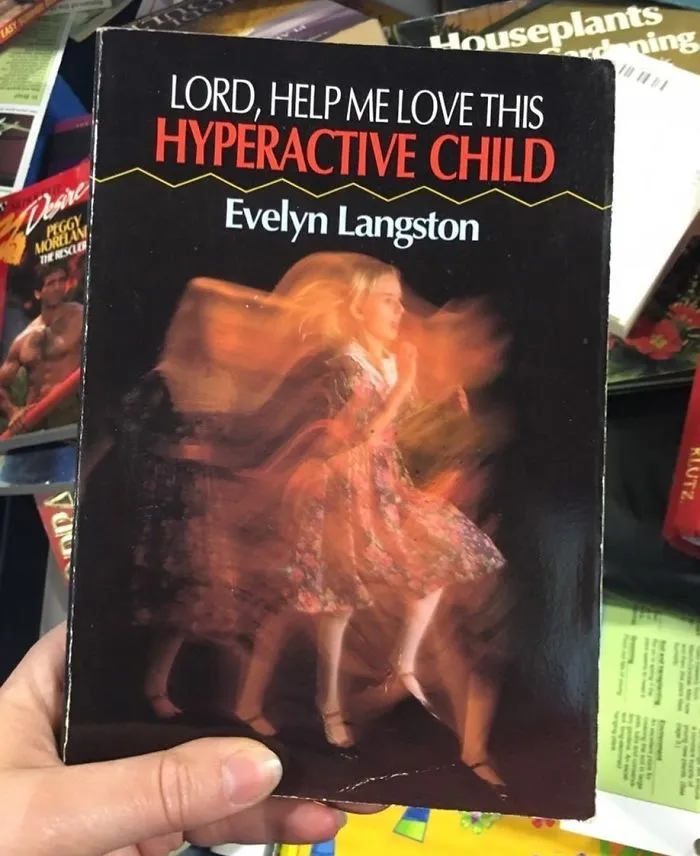
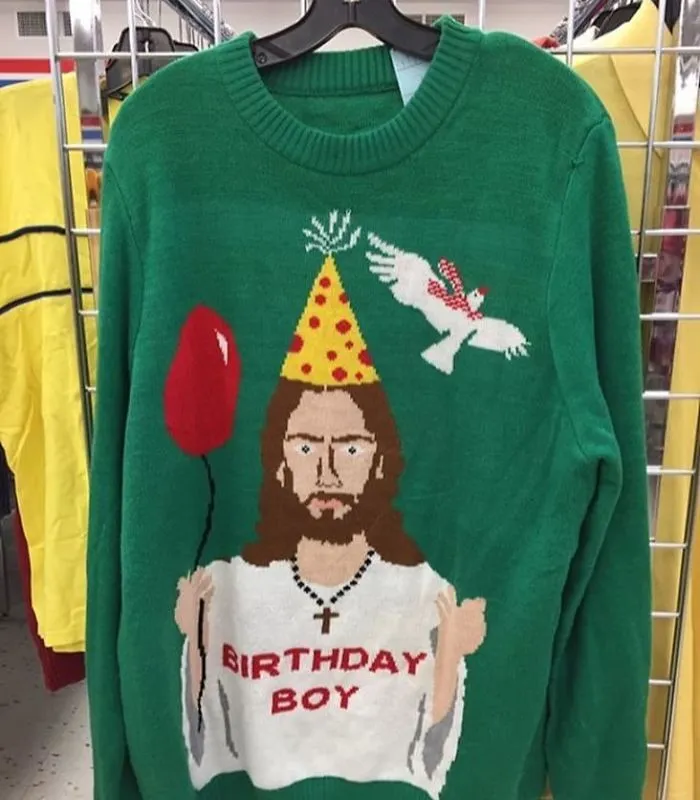
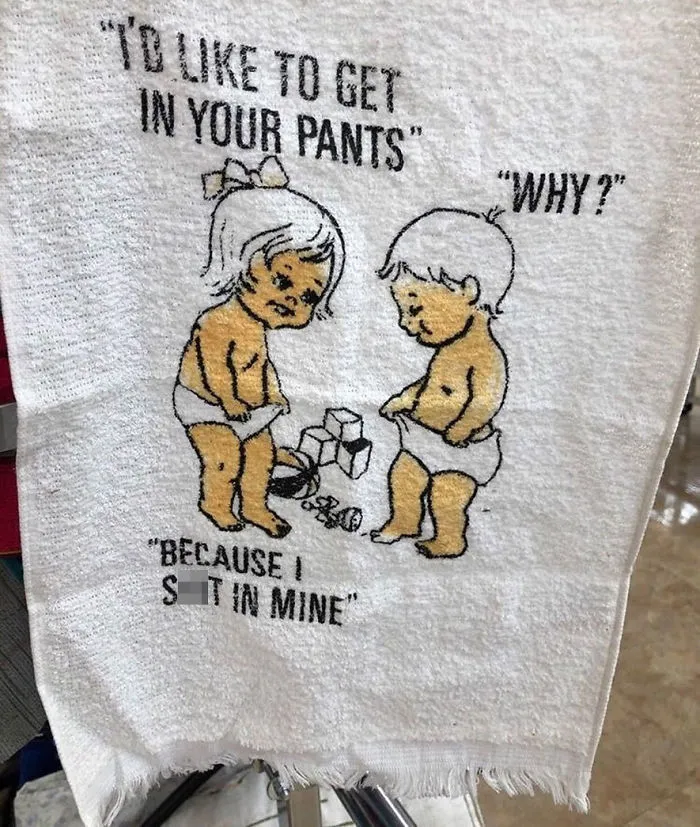
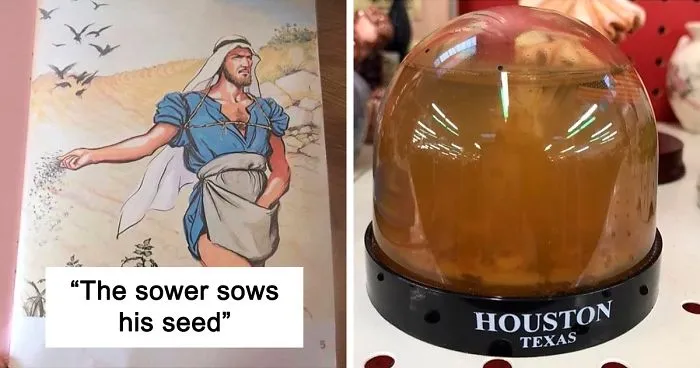
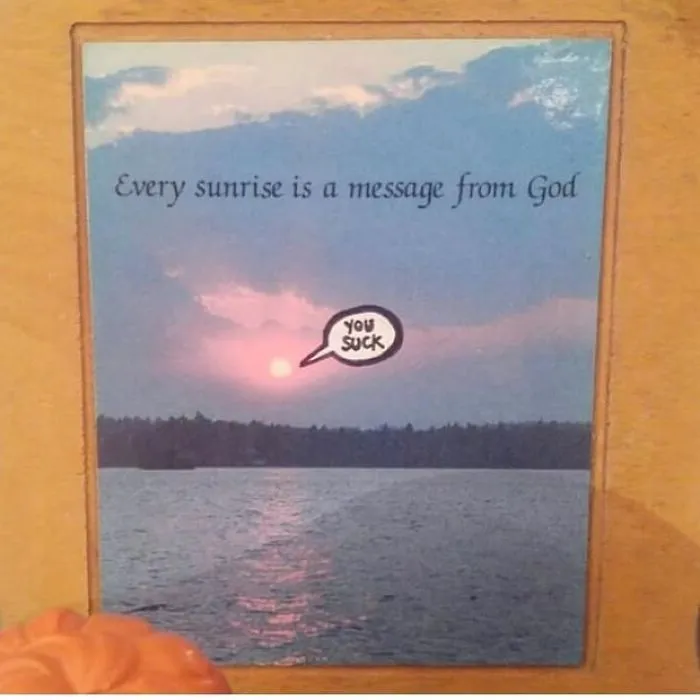
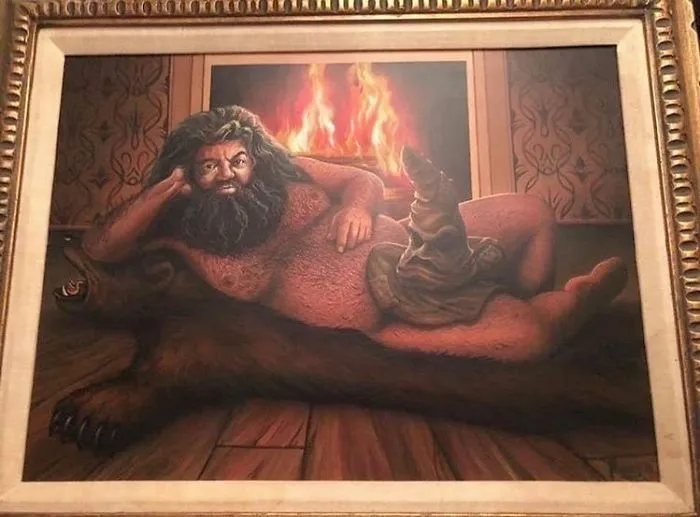
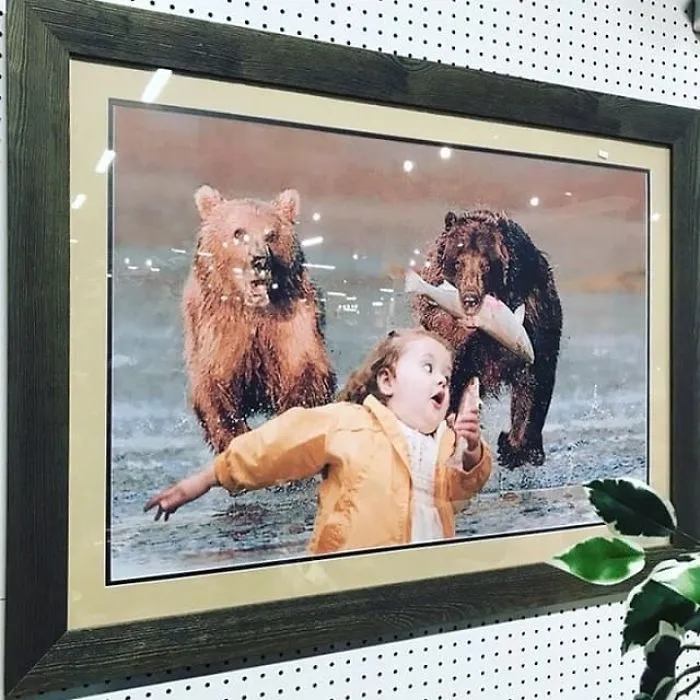
The idea of Thrift Store Art is “not to bash art but to expand what can be considered as art—clothing, album art, book graphics, vacation souvenirs,” Bryan explained. Plus, it celebrates “some truly WTF projects like finding a clock with each minute marked with photos of Leonardo DiCaprio.”
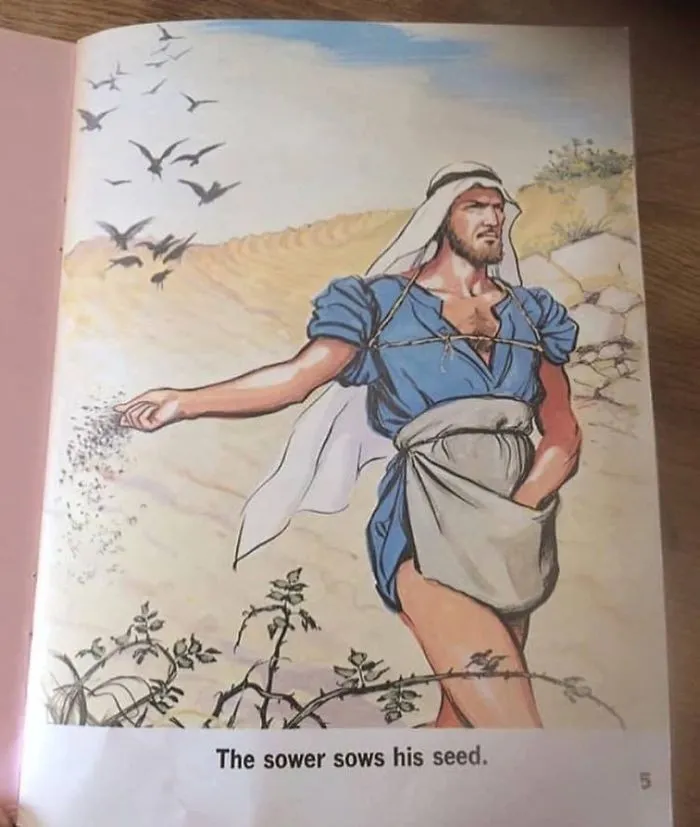
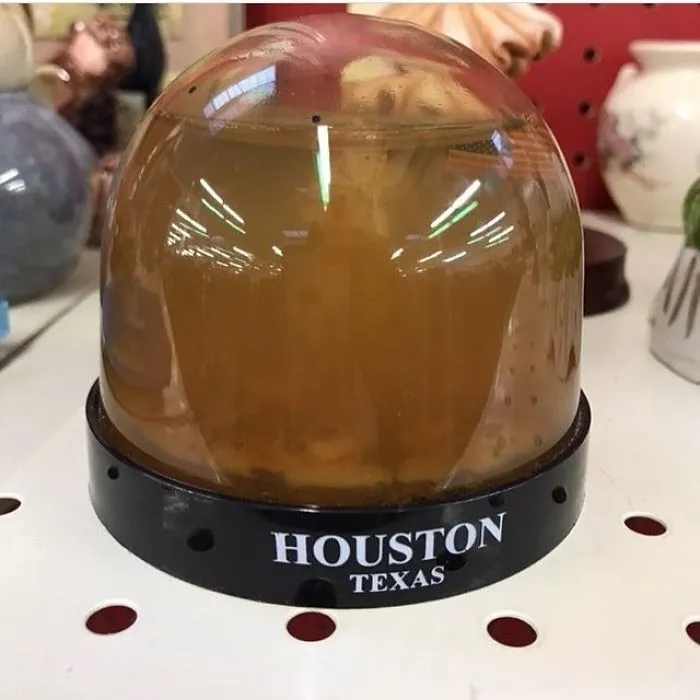
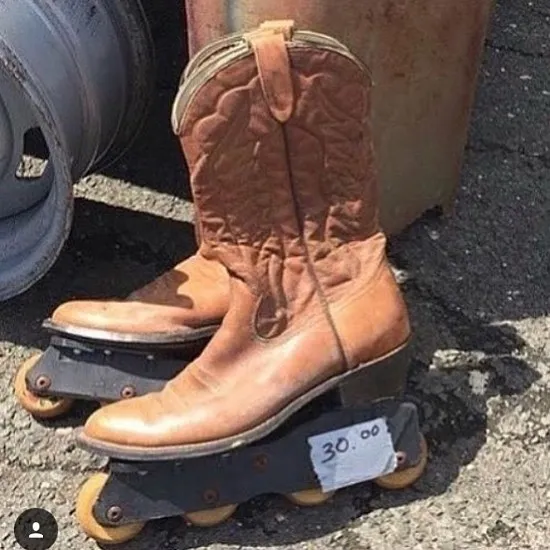
The absurdity level of these thrift items is what inspires Bryan: “It is something I would never make. But someone out there thought it was the best idea in the world and spent the time to see it through.” That’s a way to walk in “someone else’s shoes” and “experience what they feel is important in a benign and non-politically-charged way,” he explained.
It turns out, Bryan used to be a big thrift store fan himself. “Before punk rock moved to the shopping malls, all we had were thrift stores to find and create a look, decorate the apartment, or construct some kind of aesthetic,” he told us. “Table cloths became fashion ponchos, Ronco food dehydrators became wall art, and crocheted doggie pants became beer koozies,” Bryan recounted the creative days.
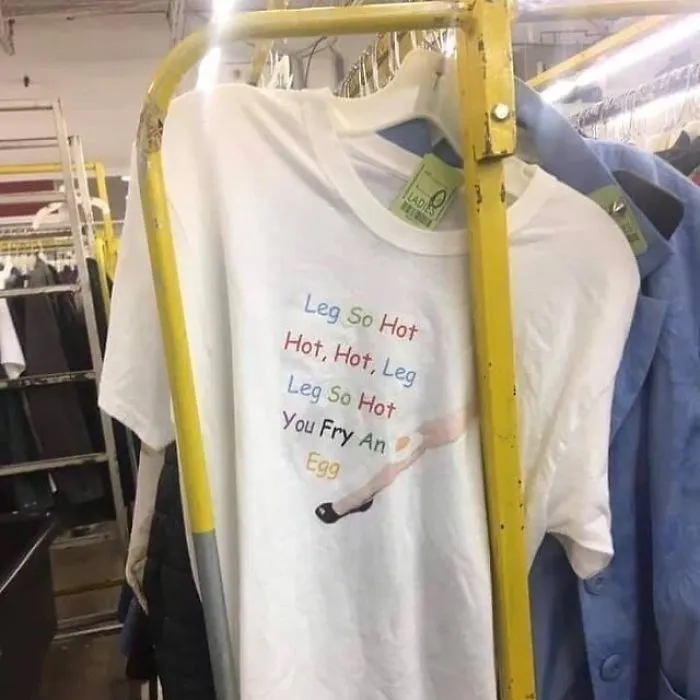

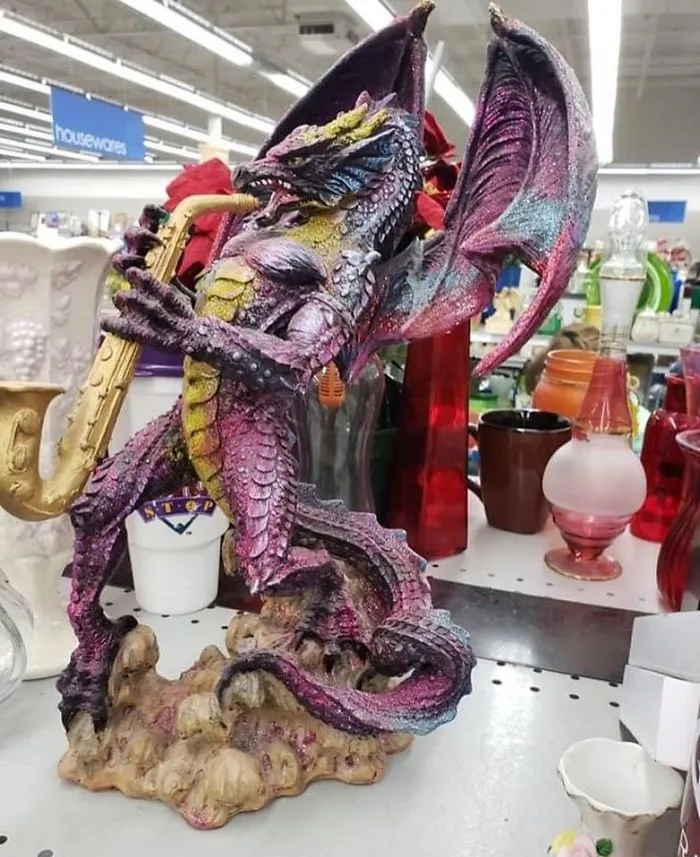
Now his Instagram page runs on reader submissions. “We get about 50 per day during non-pandemics so it’s all community fed and not mine.” Some of the posts, though, aren’t liked by the Instagram algorithms. “Inexplicably, a salt-and-pepper shaker of a boy and his dog got nixed, while an oil-on-canvas of a well-hung Jesus made it through.” But it’s definitely “the most awkward virtual thrift store find,” said Bryan.