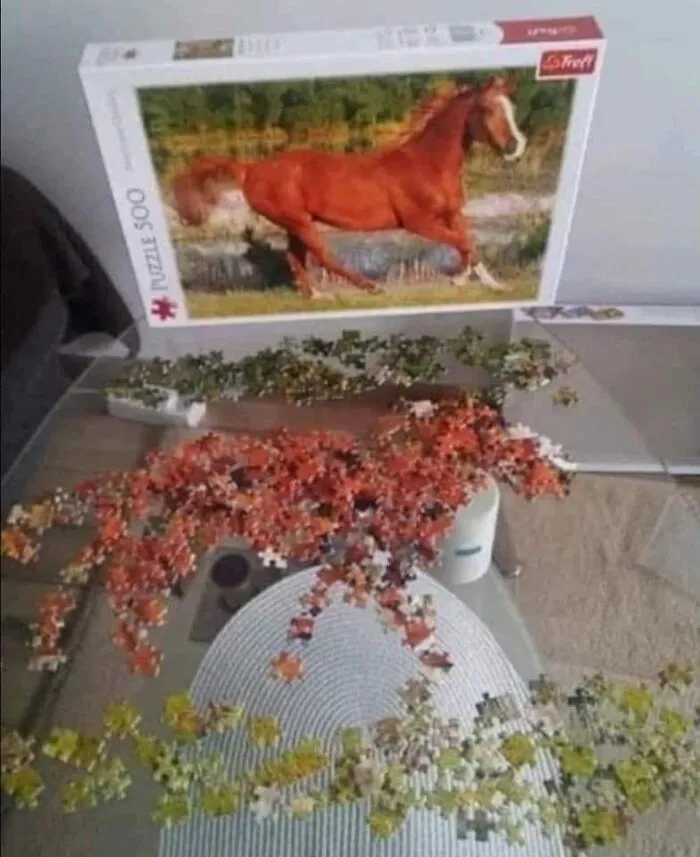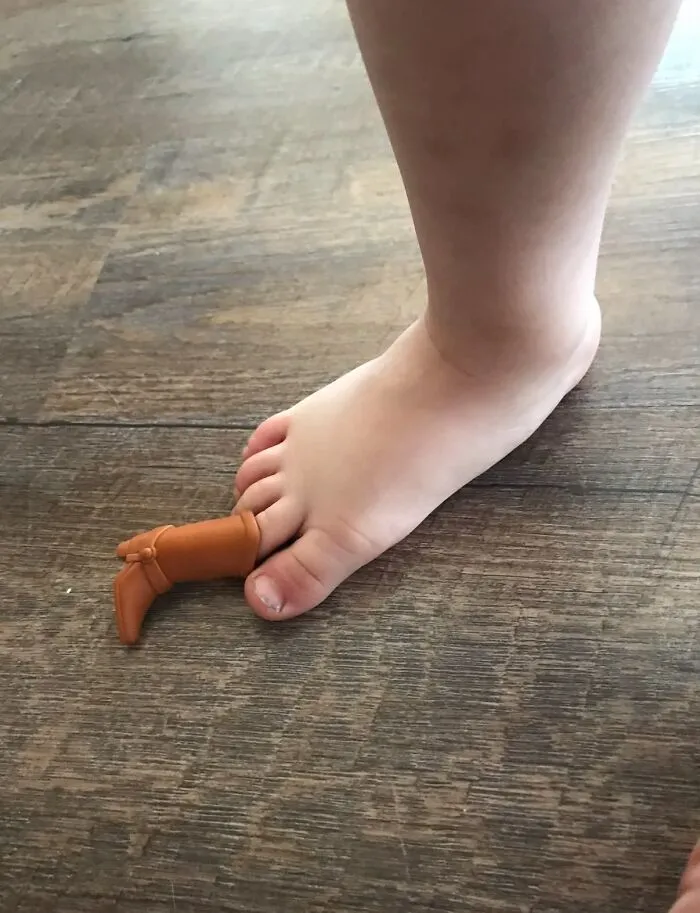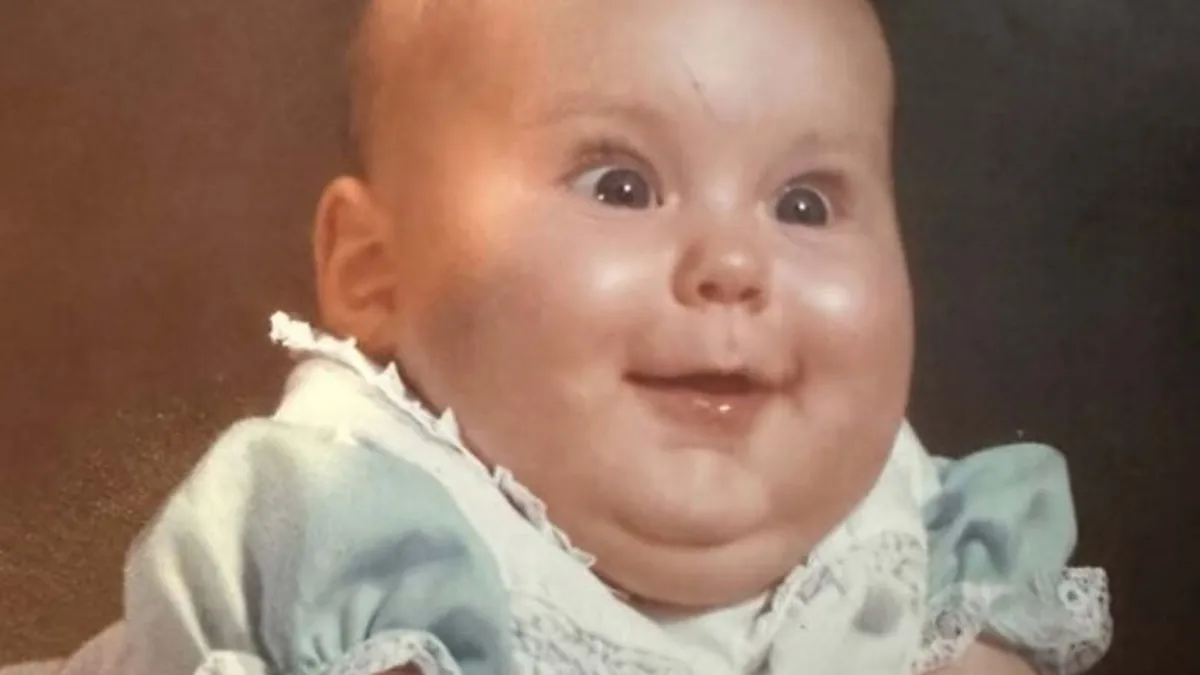


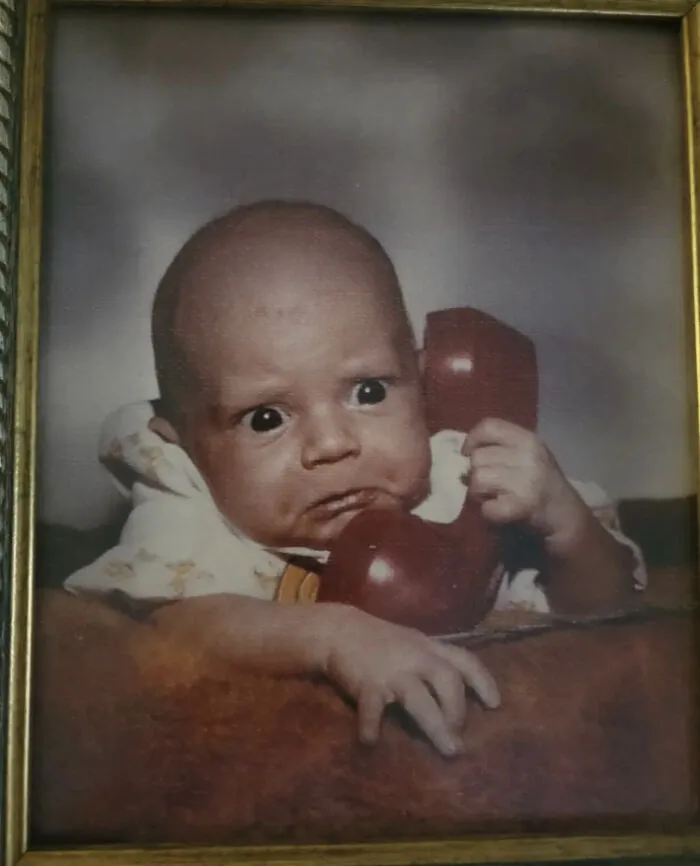
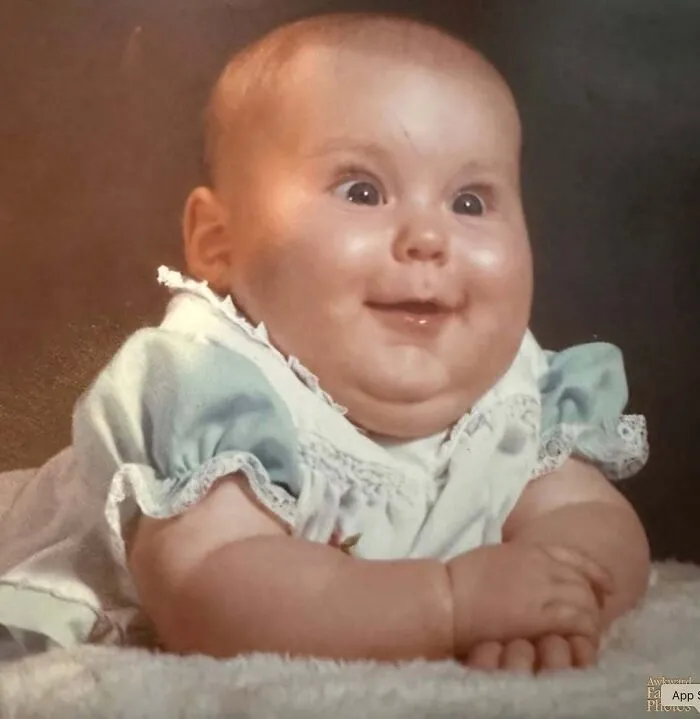
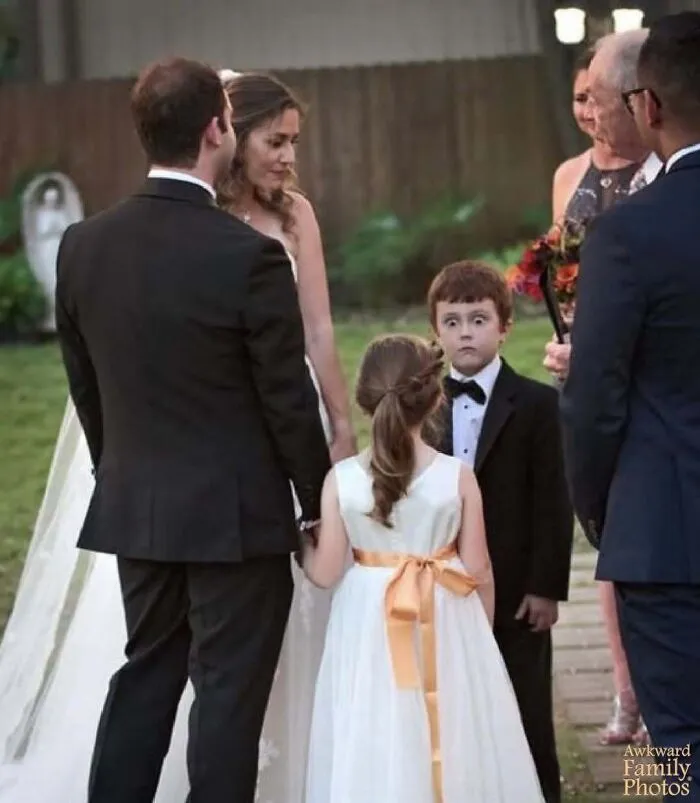
#3 Told My Son To Make Sure He Kept His Eyes Open During The Picture. Mission Accomplished
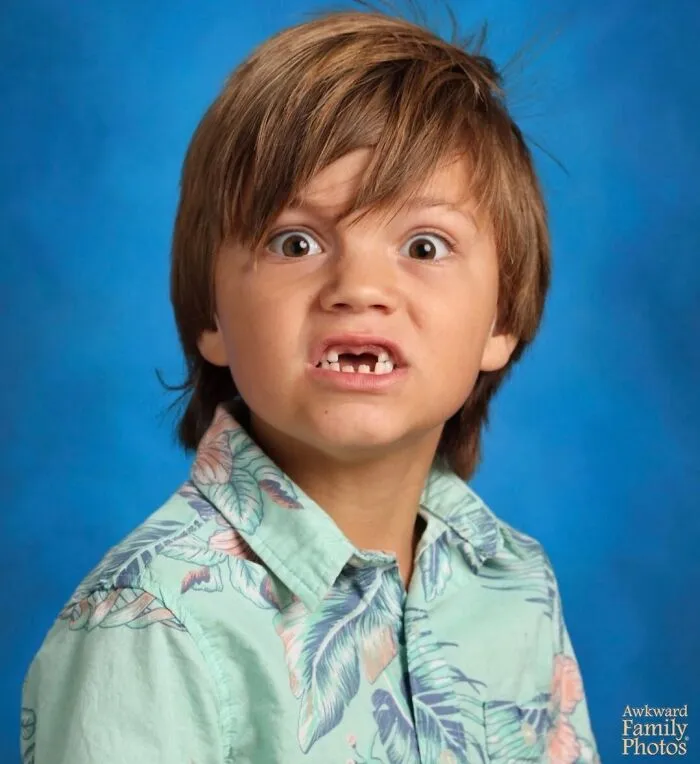
Kids have a special talent for making adults laugh.
Sometimes, they don’t even realize they’re being funny and simply say whatever pops into their heads. Other times, they know exactly what they’re doing, but their ideas are so wonderfully creative and unexpected that you can’t help wishing you could take a peek inside their little minds.
It’s no wonder researchers are just as fascinated and have spent years studying how children’s sense of humor develops.
#4 My Son Actually Believes That Everything Has A Life. I Overheard Him Apologizing To The Bedroom Door After I Slammed It (I Was Not In Bad Mood, It Was Due To The Wind)
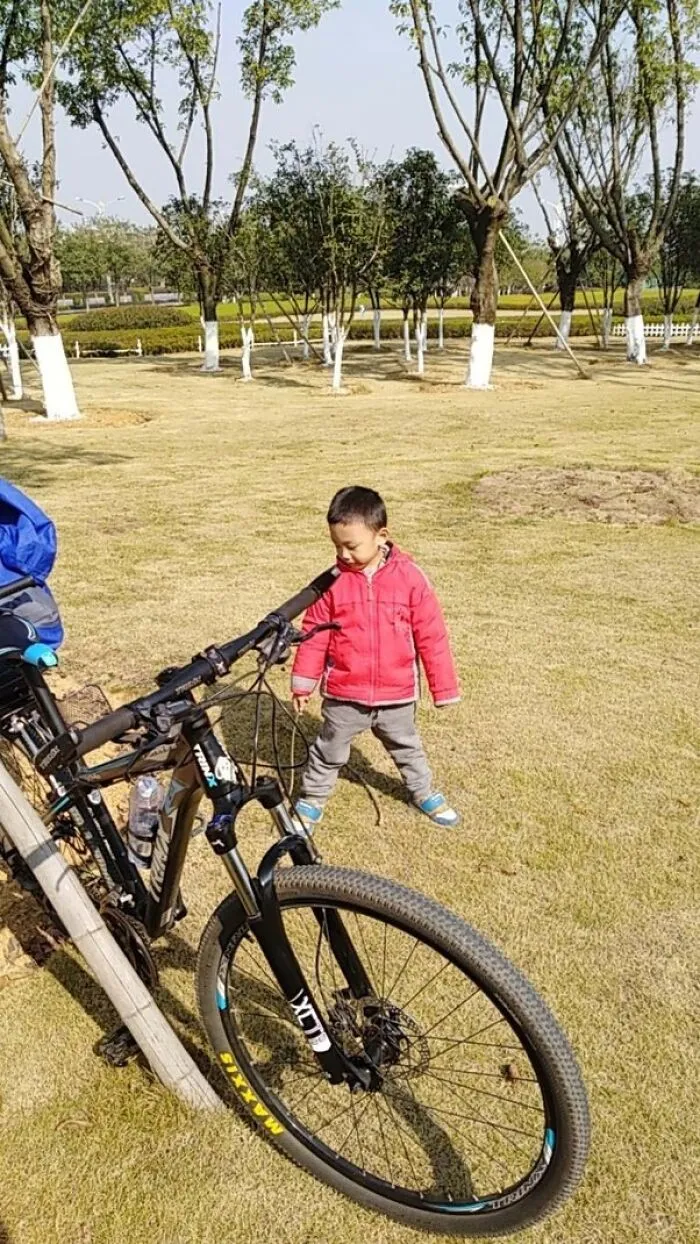
#5 My 3-Year-Old Son Has Dinosaur-Themed Sheets And Pillows On His Bed Because, Well, He Loves Dinosaurs
#6 During Our Wedding Vows, While My Husband Promised To Love My Kids As His Own, My Kids Were Whisper-Screaming At Each Other The Whole Time
Children start discovering their sense of humor at a very young age, perhaps younger than you might expect.
Researchers at the University of Bristol asked the parents of 671 children across four countries about what made their little ones laugh. They found that some babies were already amused by things like funny faces and silly noises at just one month old.
By two months, around half were laughing at their parents’ playful antics, and by 11 months, half had started trying to make others laugh themselves.
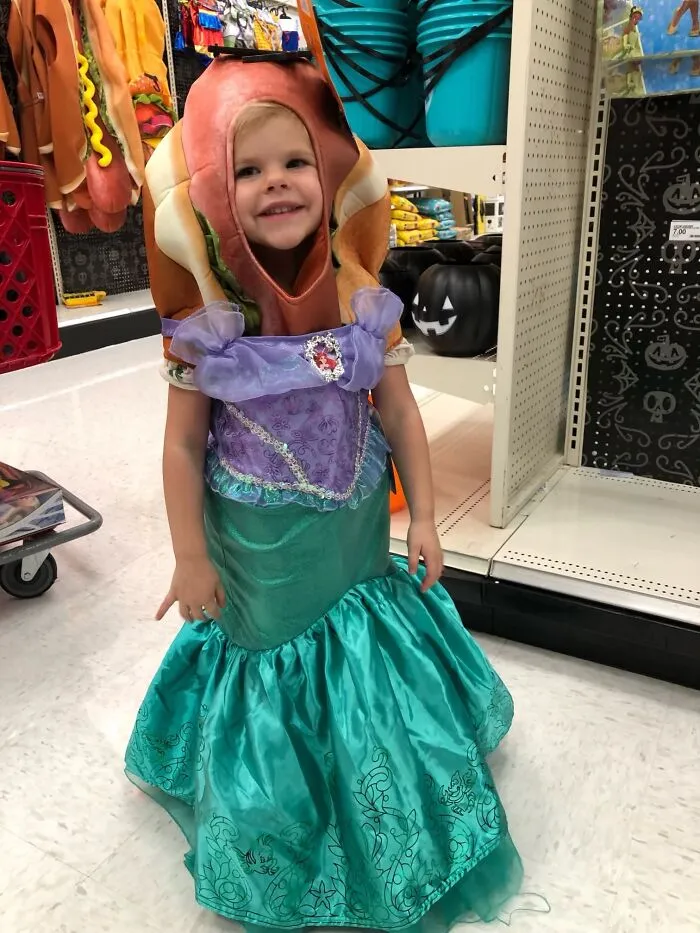
#8 My Daughter As A Toddler, Wearing Two Halloween Costumes At Once And Saying She Wanted To Be A Hotdog Mermaid
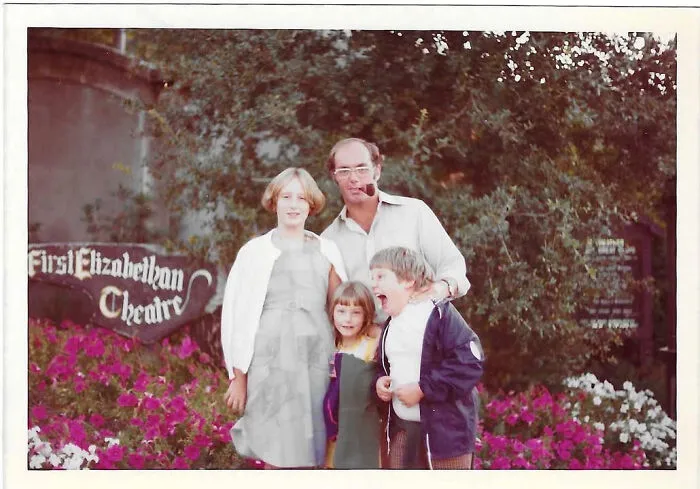
#9 My Dad Was The Epitome Of Cool. Here He Is Effortlessly Wrangling Three Kids For A Photo, While Dropping An Ice Cube Down My Brother's Shirt, All While Casually Smoking A Pipe. And That’s Me On The Left, Rockin’ The Dorothy Hamill Wedge Haircut In A Homemade Dress Just Trying To Pose Nicely
As children get older, their ideas of what’s funny become more elaborate. Around the age of two, they become more aware of social rules and what’s considered normal or expected. This means they can start making jokes by deliberately breaking those expectations.
For example, they might put underwear on their heads or insist that a pig says “moo.” Researchers have found that toddlers this age can even come up with their own jokes rather than simply copying adults.
#10 My Daughter Lost A Tooth And Set It Up Like An Offering For The Toothfairy
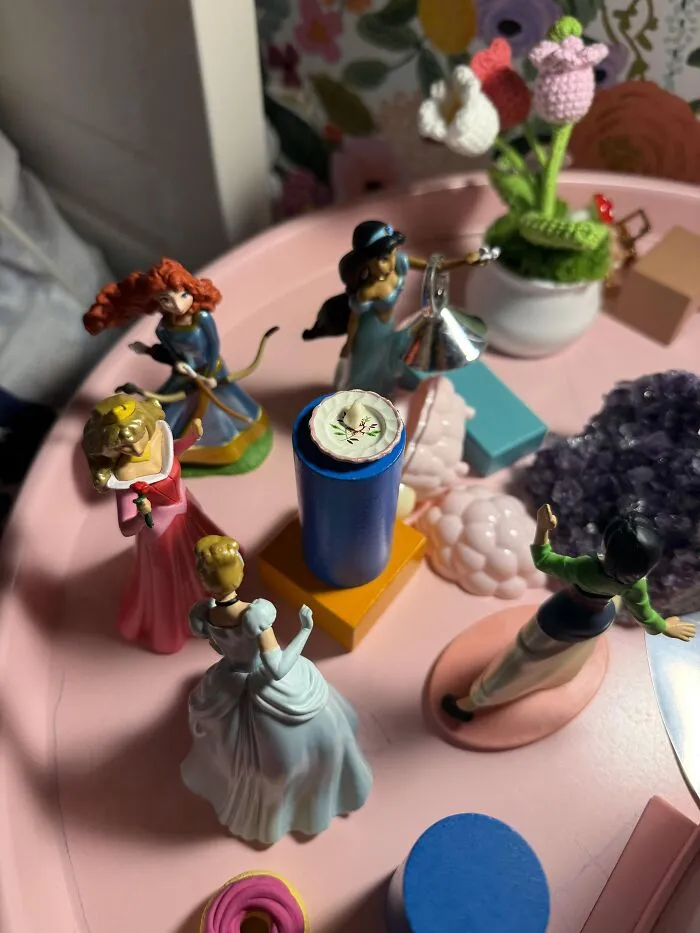
#11 My Wife Was Shocked And Laughed For Ages
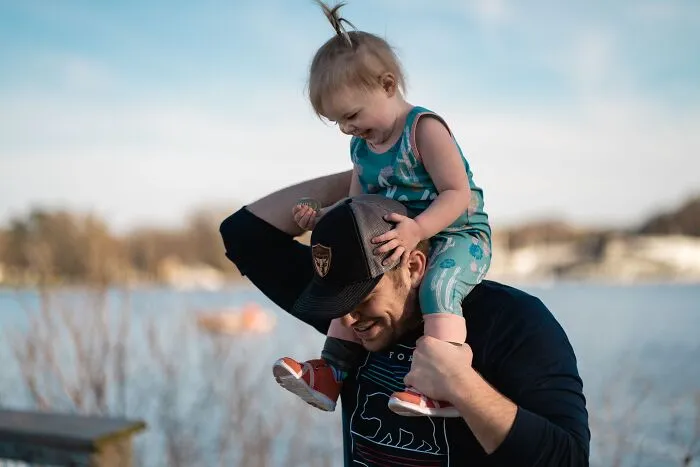
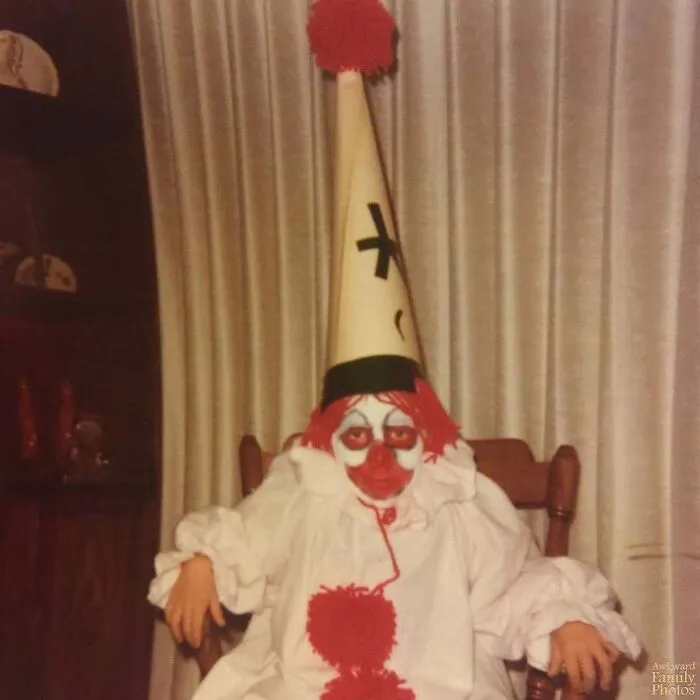
#12 Halloween 1979, The Year My Older Sister Did My Costume For Me And ND Clearly, I Was Thrilled About It
When children’s language skills improve, they find entirely new ways to entertain themselves. They start inventing nonsense words and playing around with expressions they’ve heard from adults.
Eventually, they begin to understand more complicated jokes and wordplay. Research on children’s humor suggests that by around seven, many can appreciate puns and riddles that would have gone straight over their heads a few years earlier.
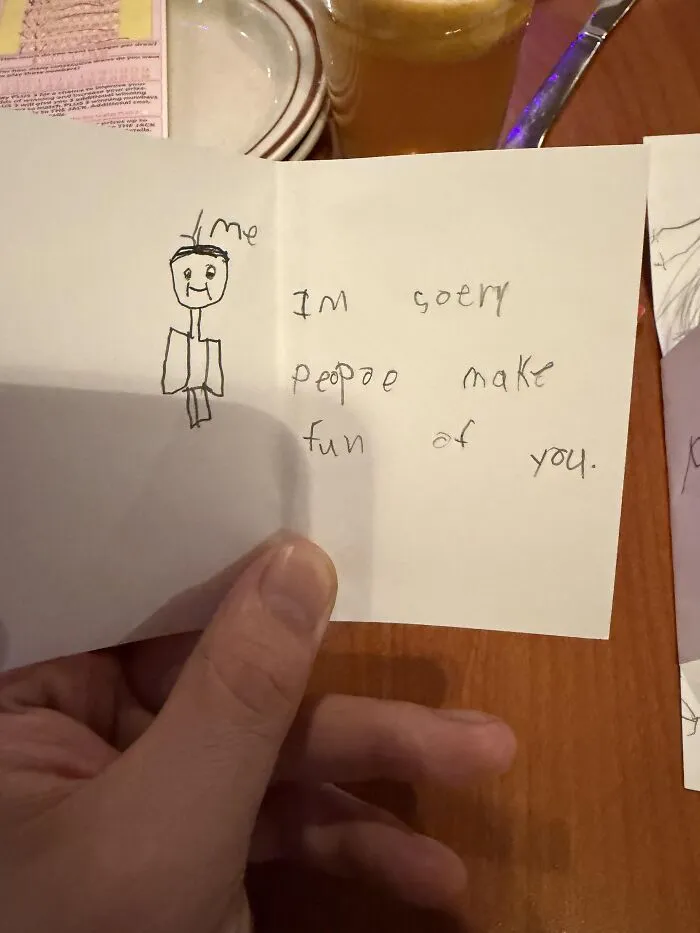
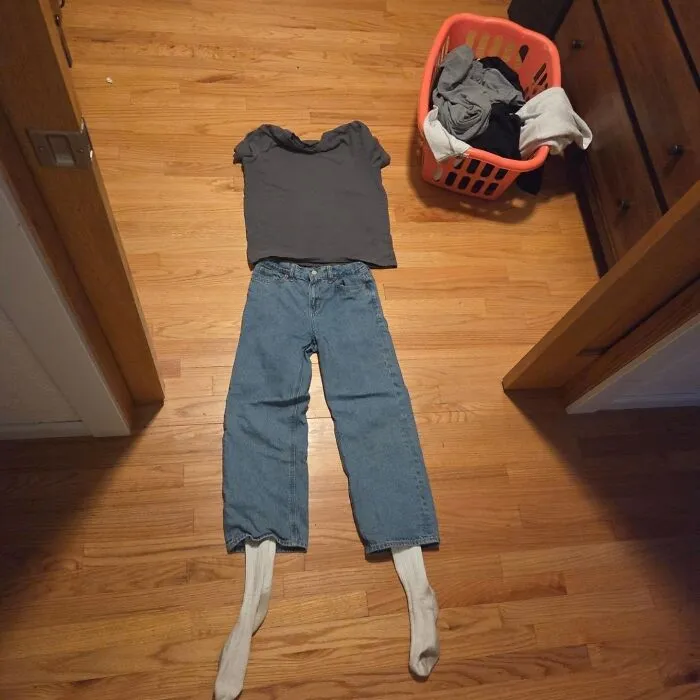
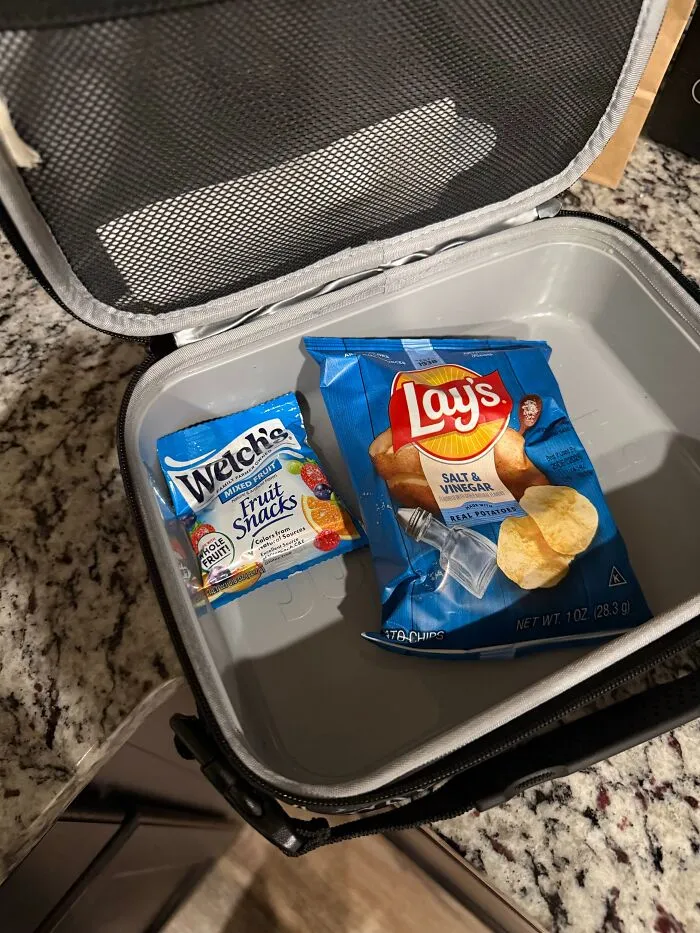
#15 My Child Said He Was Packing His Lunch For Tomorrow. Of Course I Had To Double Check What Was Going In The Lunchbox. Y’all…
But there’s one part of the brain that takes much longer to mature: the prefrontal cortex. This region helps us control our impulses and think before we speak. It continues developing into early adulthood, so children are still getting better at these skills.
That’s partly why a child might loudly ask why Grandpa has so little hair or announce at the dinner table that Mom’s cooking tastes like socks. It can be hilarious to witness, though certainly a little mortifying for the adults who have to explain themselves afterward.
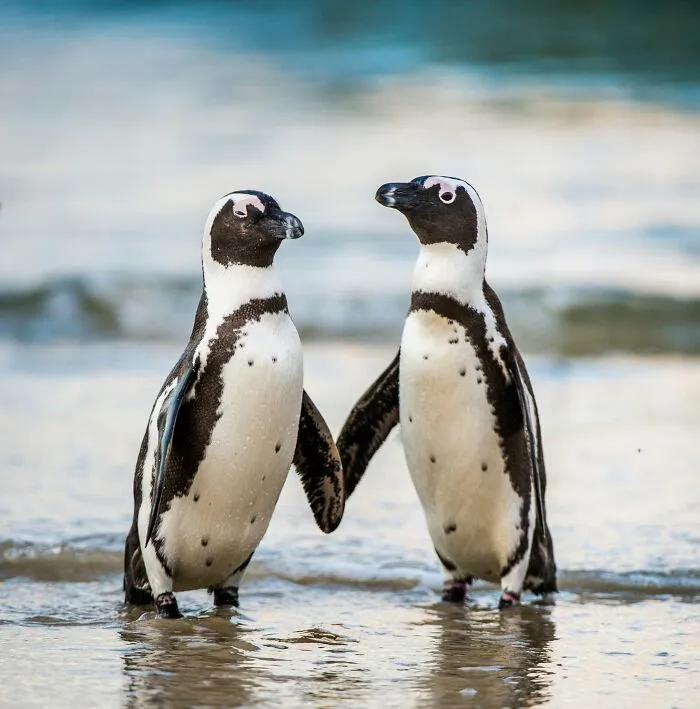
#16 Winter Is Over And I Haven’t Seen A Single Penguin
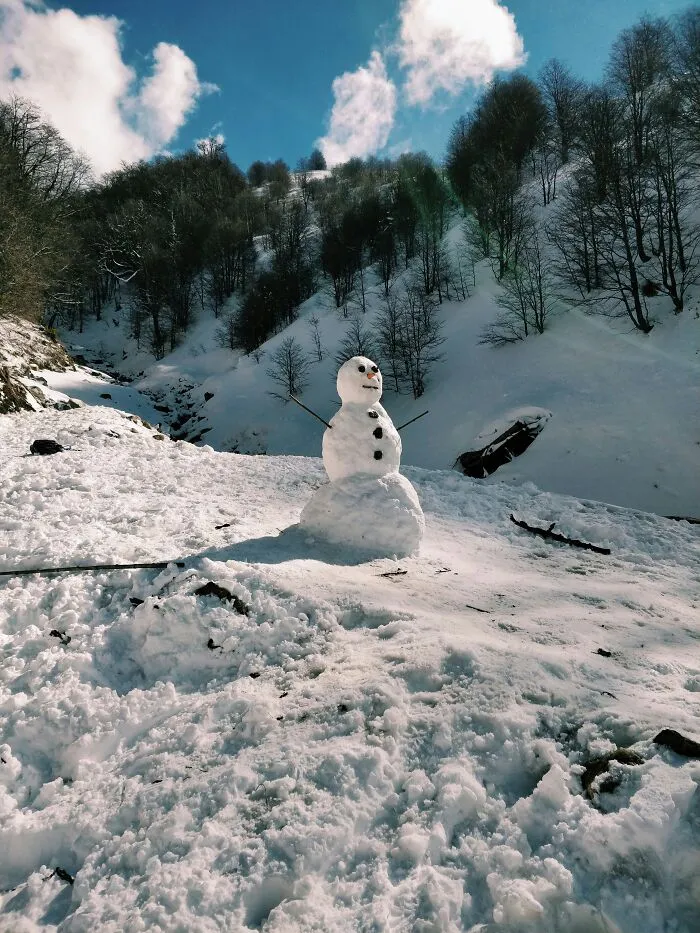
#17 My 2 Year Old Believes That Snowmen Make A Sound, And That Sound Is Roaring
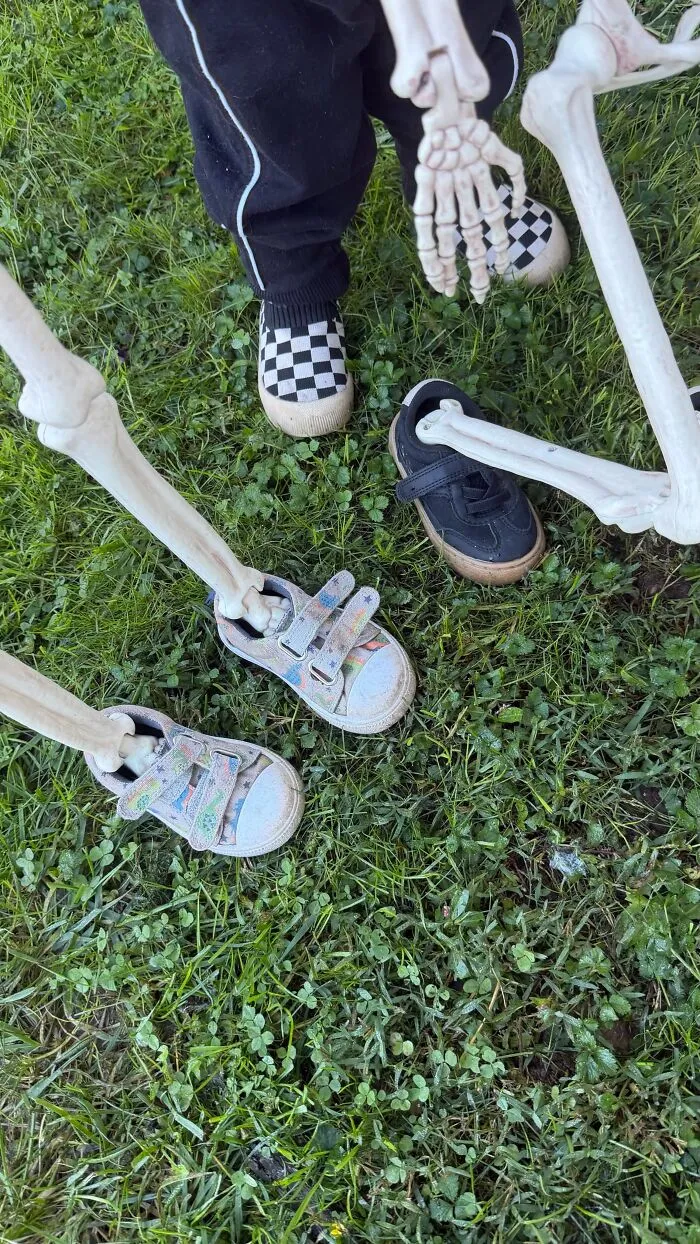
#18 My Toddler Threw A Tantrum Because Our Skeleton Halloween Decorations Weren’t Wearing Shoes, So We Compromised And Now All Our Skeleton Decorations Have Shoes On
As children grow older, however, they begin to realize that being brutally honest isn’t always the kindest thing to do. They learn that certain comments can hurt people’s feelings and that sometimes it’s better to keep their opinions to themselves.
One study involving children aged three to eleven found that even preschoolers sometimes told little white lies to avoid hurting someone’s feelings, and this became more common with age.