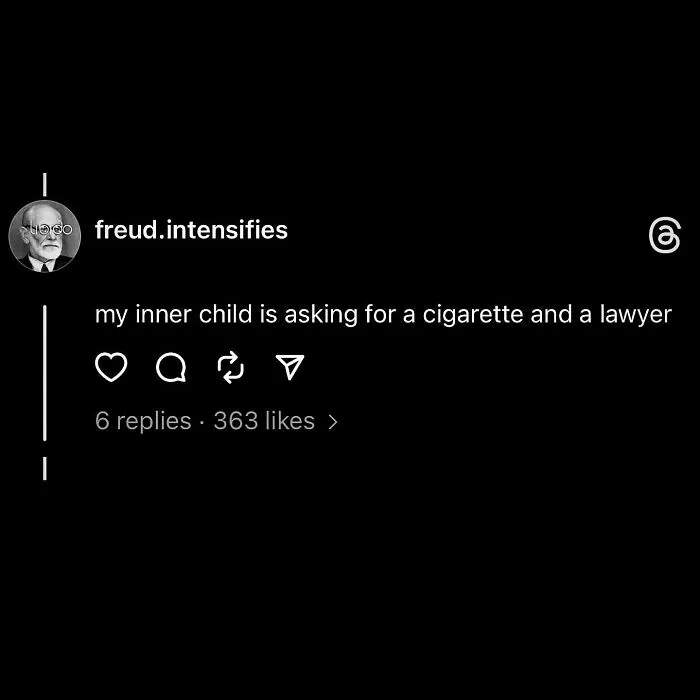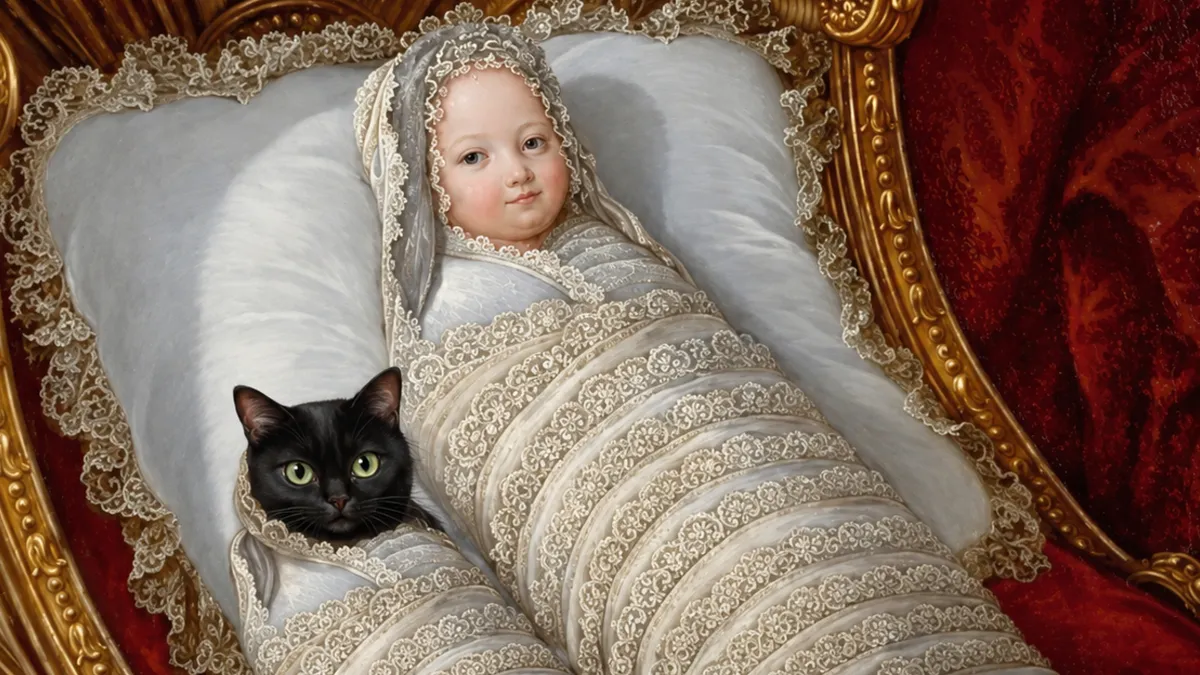




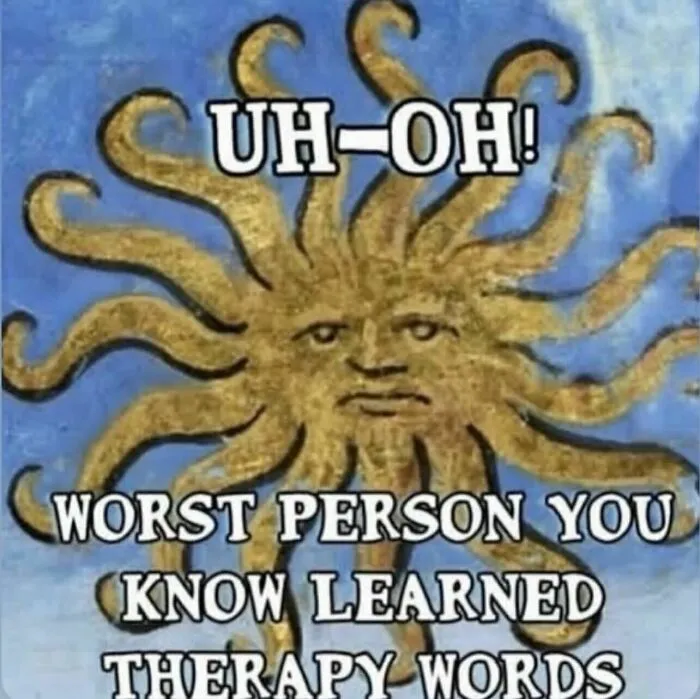
Decades of research shows that sharing a laugh works wonders for our minds, especially during tough times. In 2017, researchers studied how humor helped residents staying at a local homeless shelter. Even though the jokes were often sharp, dark, or edgy, they played an important role by helping residents break down social barriers with shelter staff. Humor basically helped create a sense of equality and respect among the staff and the residents, the study found.
More importantly, it turned heavy, taboo topics like trauma and mental illness into open conversations that felt much safer to talk about.
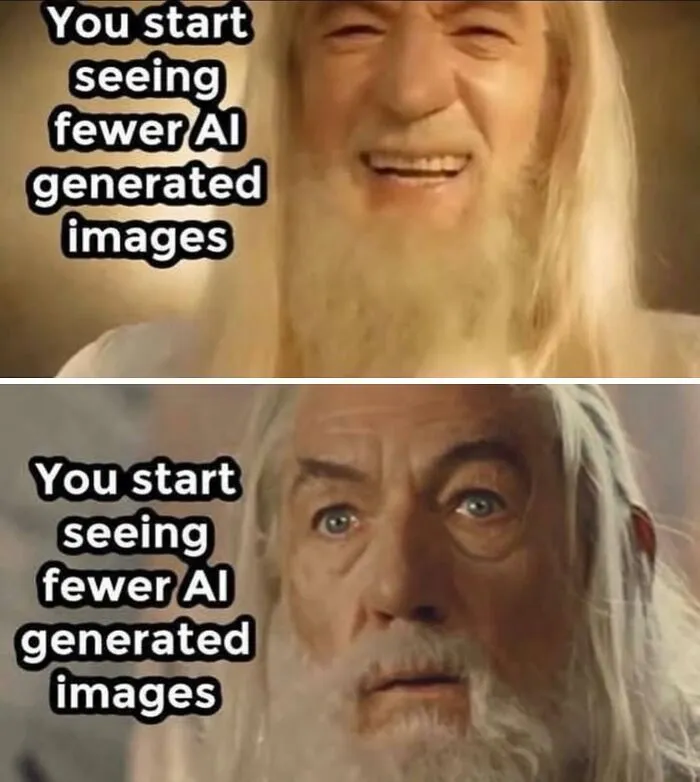
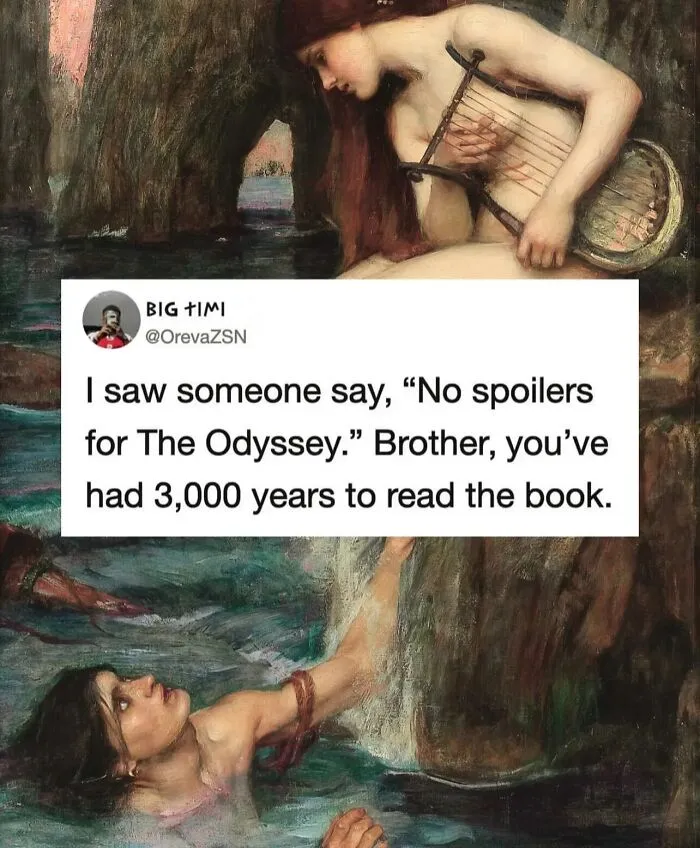
Turning our struggles into punchlines is a powerful coping strategy. It often strips away the shame attached to mental health challenges, research shows.
One study found that people with depression actually prefer memes that relate to their experiences of mental health. “This might be because people with depression actually use humour in a different way – partly because of the unique way a person with depression controls their negative emotions,” says Umair Akram, co-author of the study and a professor at Sheffield Hallam University.

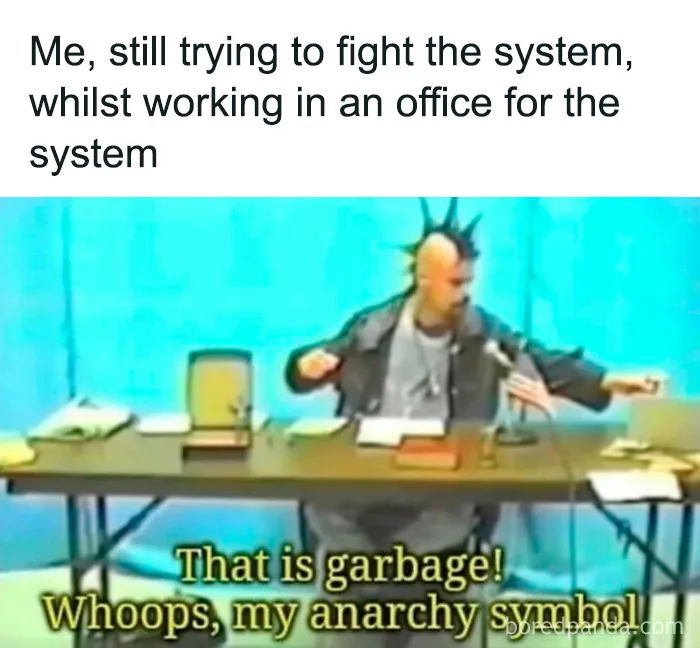

Since dark humor is a big part of these memes, it helps people make light of heavy situations.
Studies show that sharing a meme that captures a mood or situation you’ve felt but can’t quite put into words can help you feel connected to others. Experts also believe memes are a kind of language that can cross cultures and bring people together.
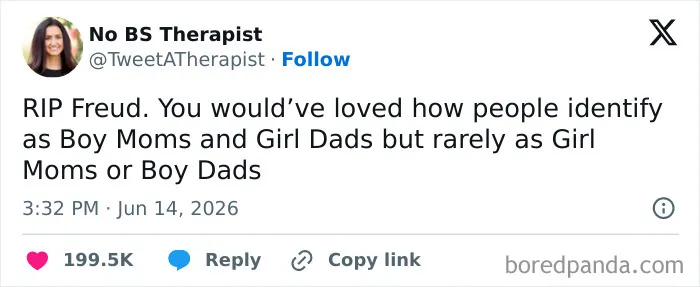
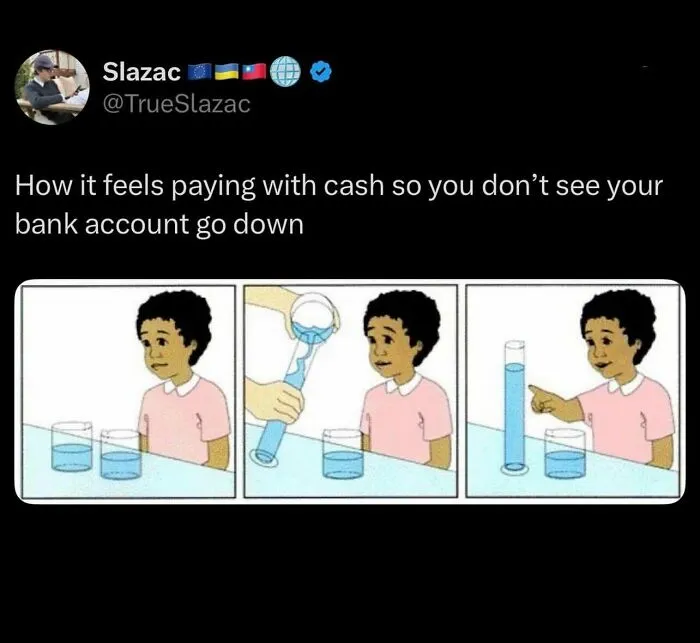

A Penn State study found that viewing memes — even those about major stressors like COVID-19 — boosts positive feelings and makes people feel more capable of handling daily pressure.
Psychiatrist Van der Kolk believes that if memes can help people make sense of what they are going through, then they are definitely welcome. “The state of trauma is one of utter confusion, of having a lot of sensations or feelings, but you can’t make sense out of it. Any sentence or image that helps you to visualise what’s going on would, in principle, give you a sense of perspective. That’s a good thing to do. You go on a journey of healing.”
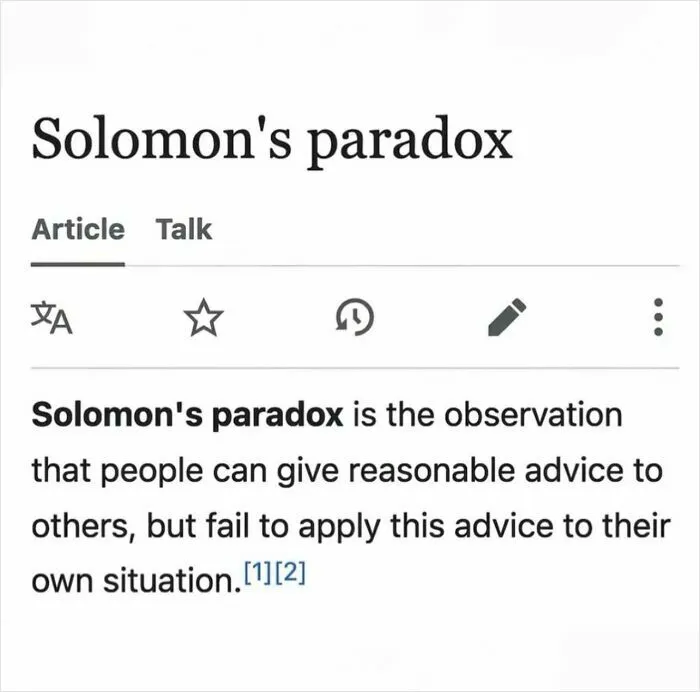
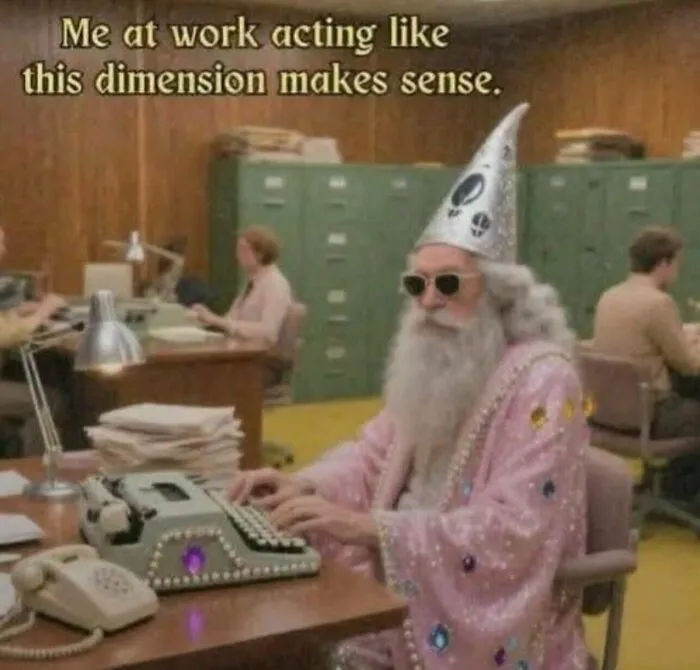

Memes work like a universal visual language. They can spark instant empathy and help us recognize shared emotions without needing many words. That is why a simple image can resonate with people worldwide, regardless of background.
Our online world can feel overwhelming, but social media also offers a casual way to talk about heavy feelings. Instead of using intimidating medical terms, you can just post a funny image that captures your exact mood. It lets you share your struggles, laugh with your friends, and feel understood — all in one click.
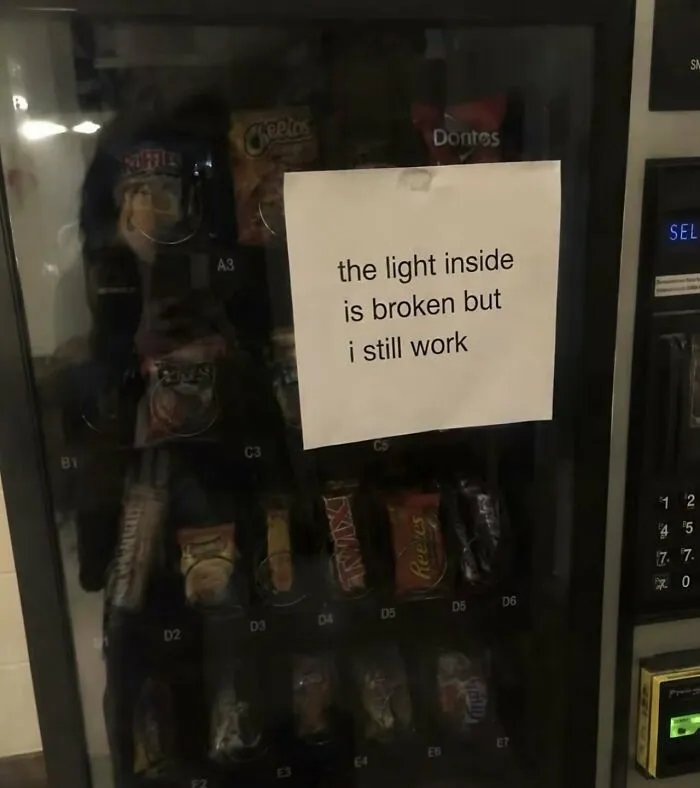
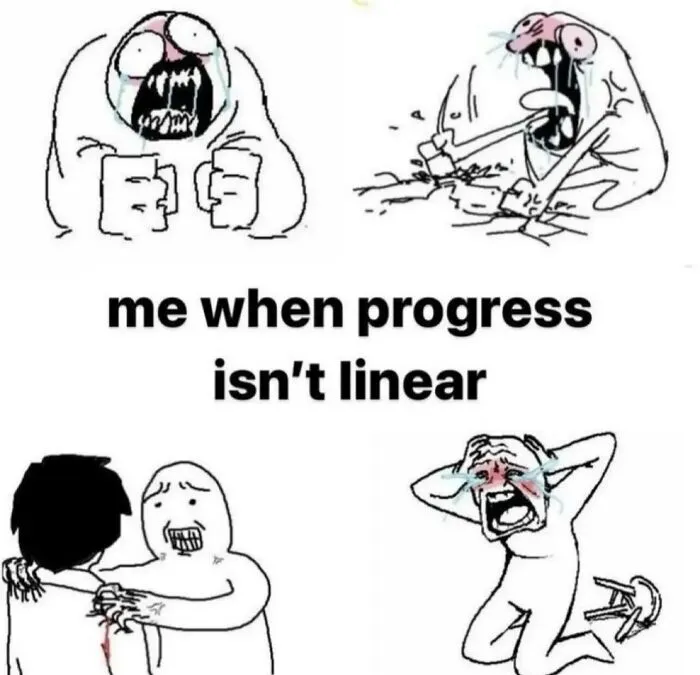
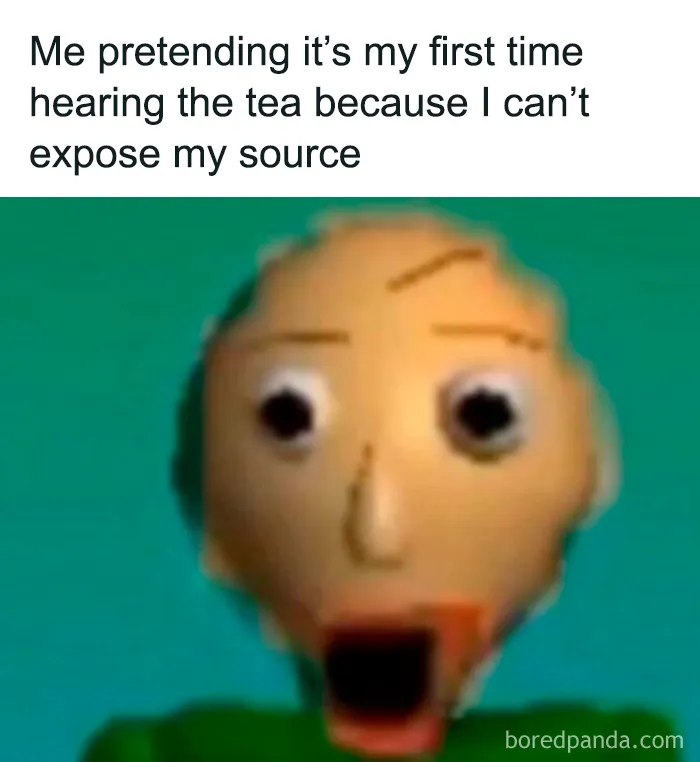
Memes have literally become tools of communication these days.
When your brain turns to mush from endless emails and back-to-back meetings, you don’t need another productivity hack. What you need is a fast, painless break from reality, and that is exactly where existential memes come to the rescue.
Recent data shows a massive 119% jump in meme usage on professional platforms like Slack and Microsoft Teams. The study found that over half of all digital workers (52%) explicitly rely on memes to chat with colleagues. Think of memes as replacing traditional water-cooler chats, especially as more and more people work from home.