

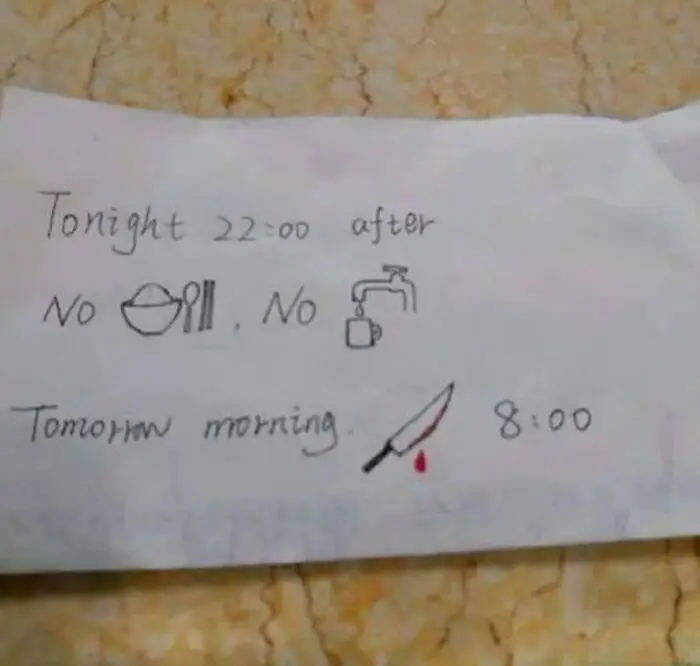
#2 A Pakistani International Student Was Hospitalized In China And The Nurse Informed Him About His Surgery With This Note. Please Translate
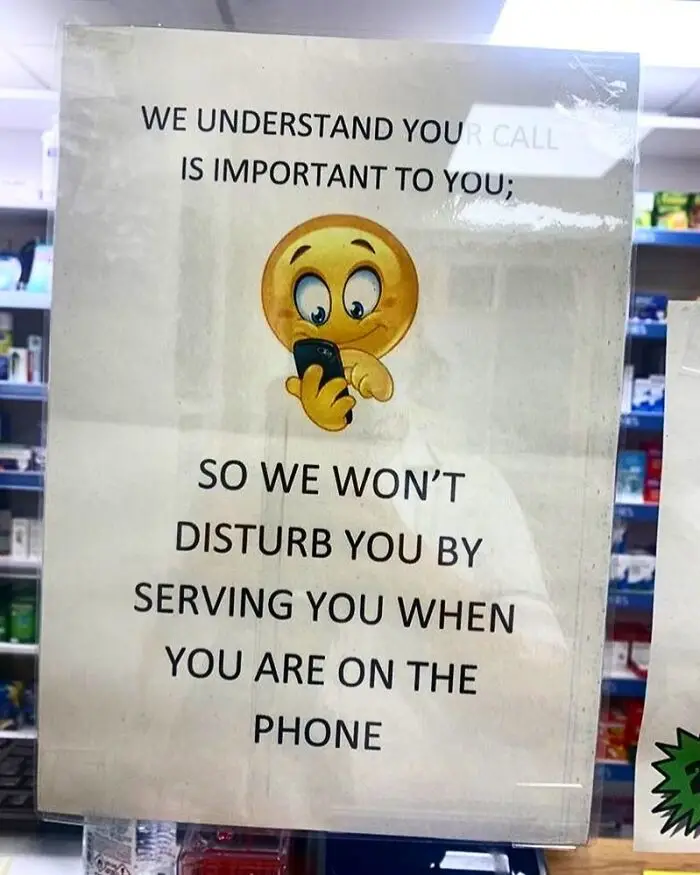
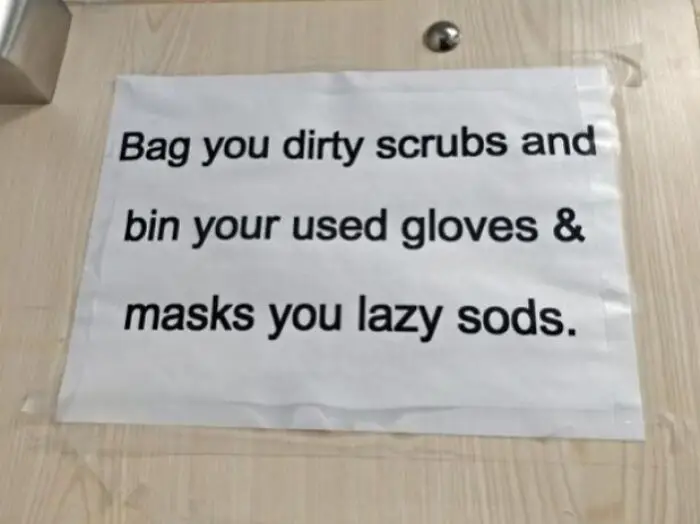
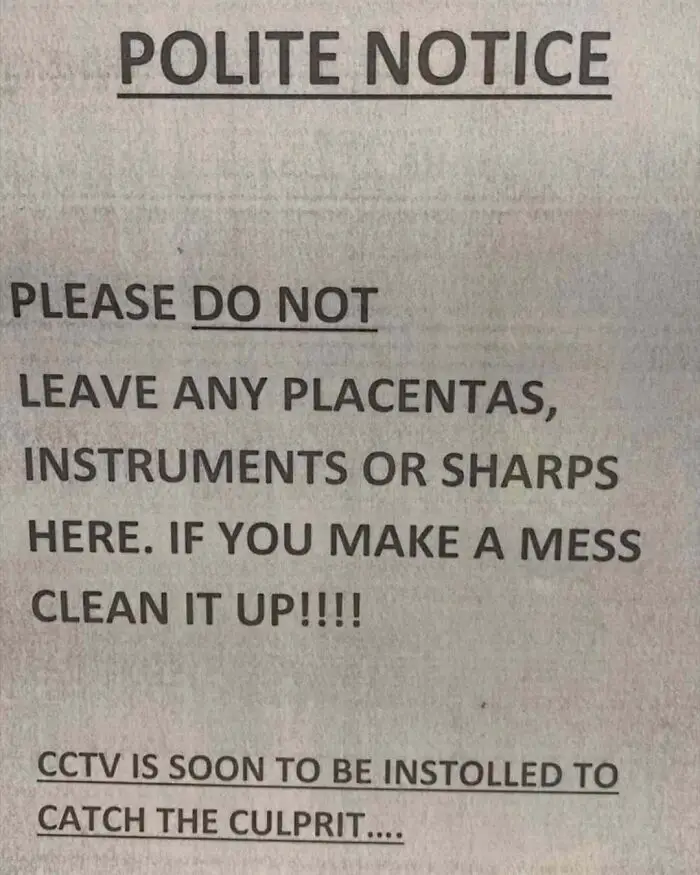
#3 Lazy Sods AKA Doctors And Nurses. This One Comes To You From A Hospital In Manchester
A lot of people just don’t like going to hospitals because it reminds them of sickness, being ill, or even having to deal with the loss of a loved one. That’s why research on the patient experience has found that folks often feel more stressed and worried when they have to go to a medical center.
Some individuals also experience worse health during hospitalization, which could be because of stress and anxiety, or due to changes in sleep, nutrition, and their illness. That’s why folks are often encouraged to get appropriate rest after returning home from medical treatment, so they can recover physically and emotionally.
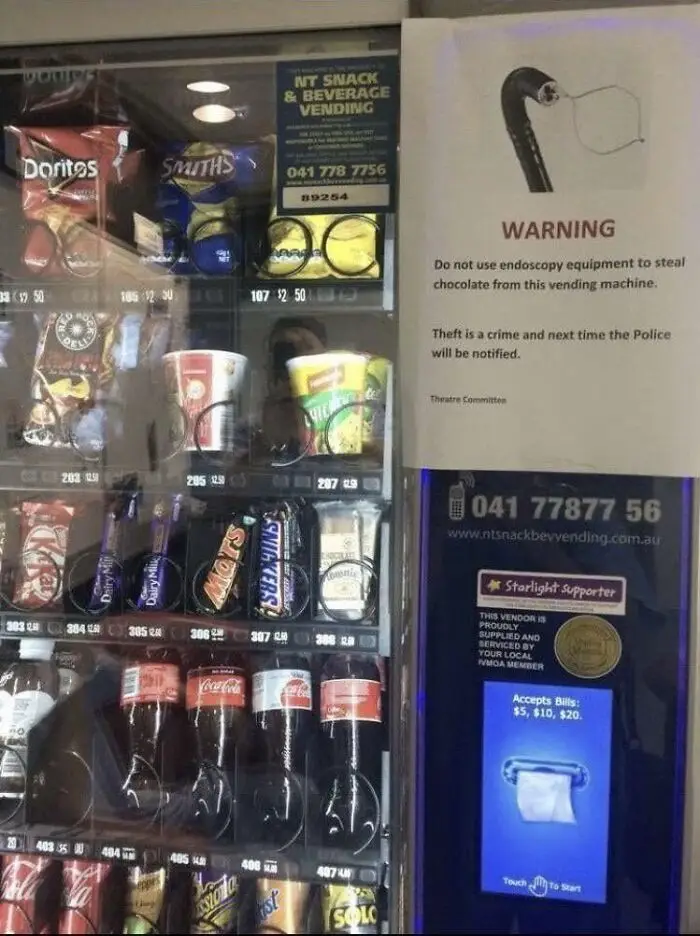
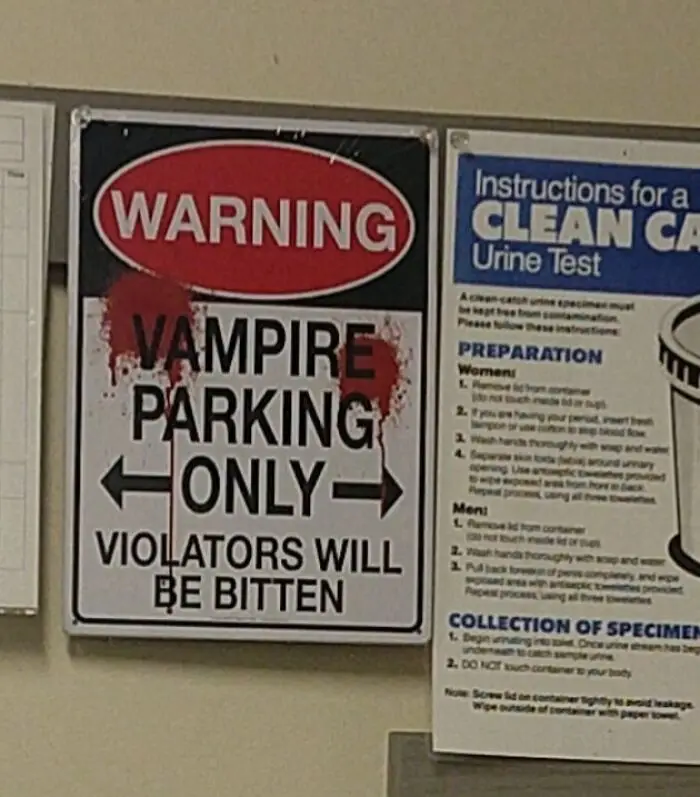
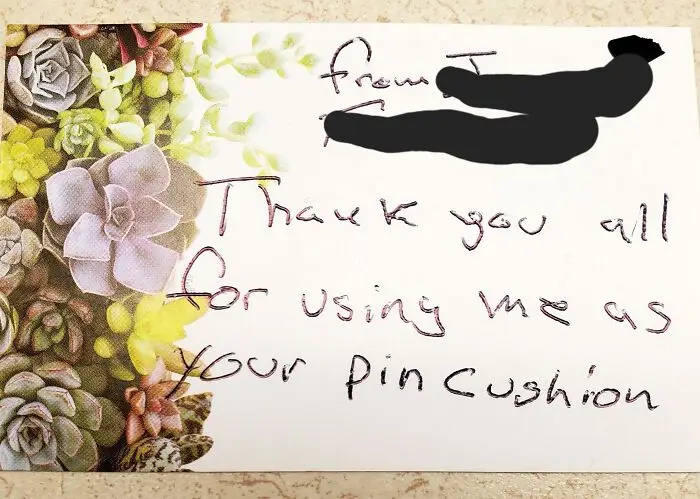
#6 At My Doctors Office
There are so many things about hospitals that people don’t know, and professionals say one interesting thing is their upside-down designs, which help make medical centers more resilient. After storms like Hurricane Katrina, healthcare designers figured out ways hospitals can continue working without being affected by emergencies
They made this possible by placing inpatient rooms, the ER, and surgery rooms above flood lines, and setting up a secure “emergency operations center” through which hospital staff can communicate with first responders and the public during a natural disaster.
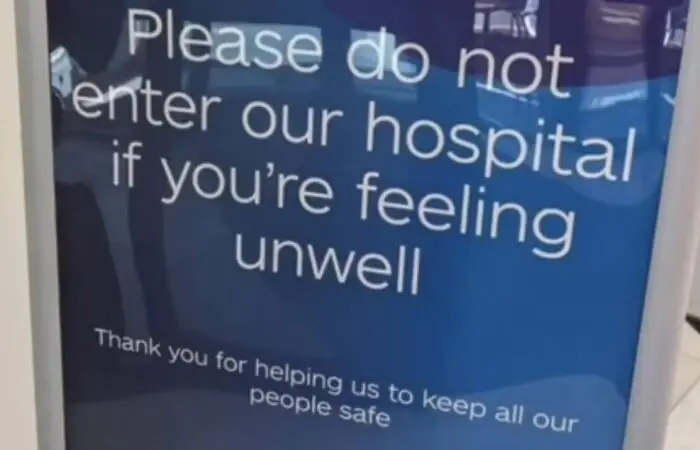
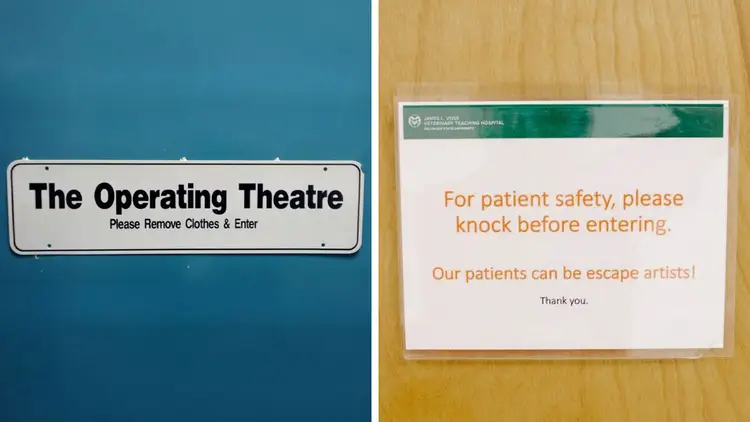
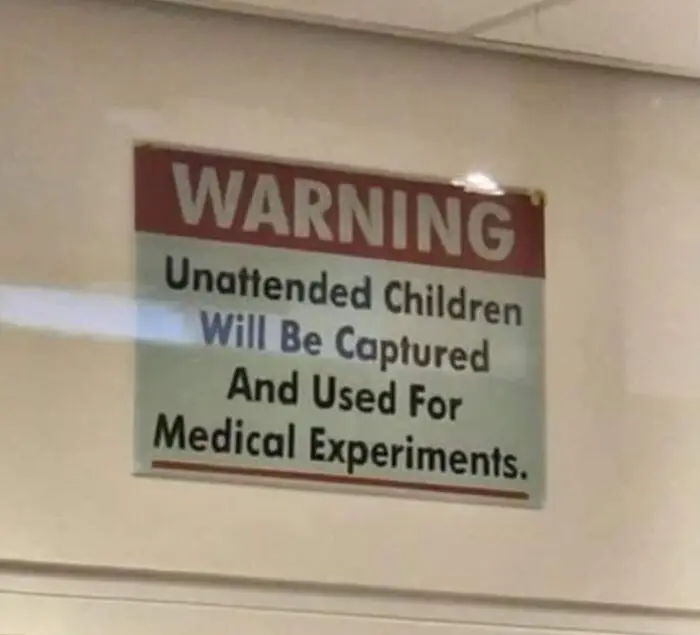
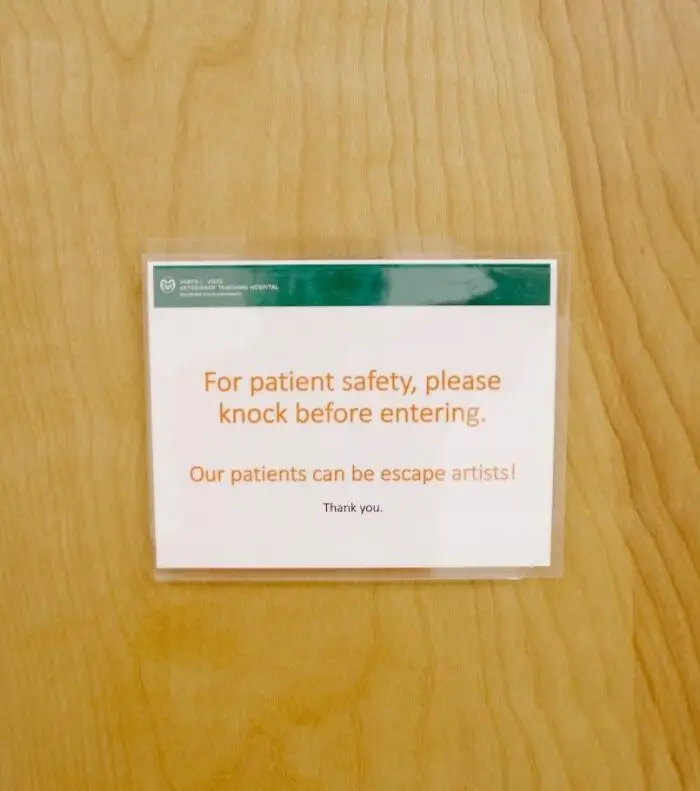
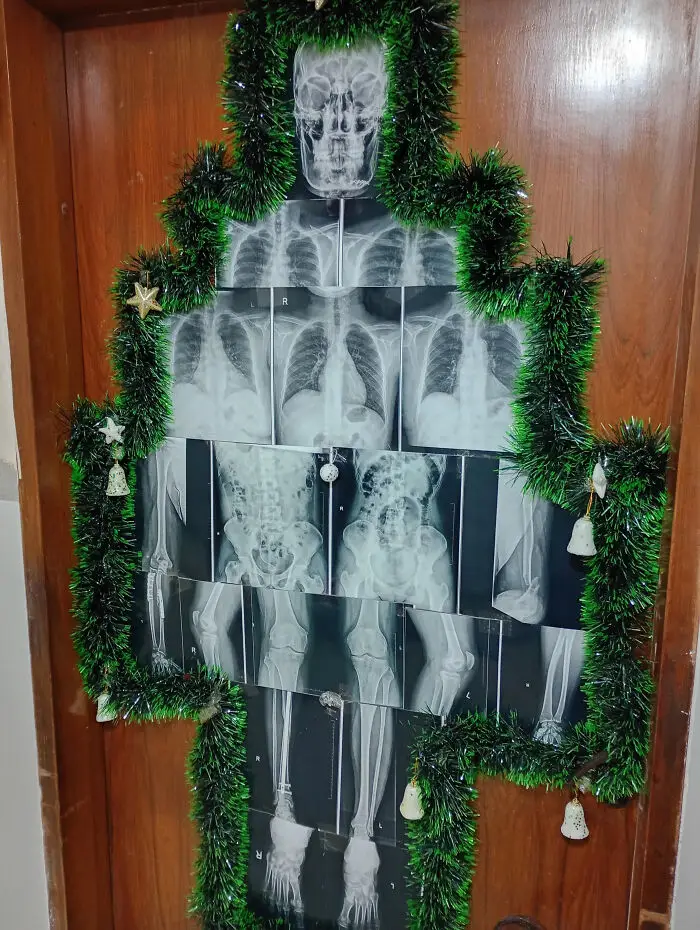
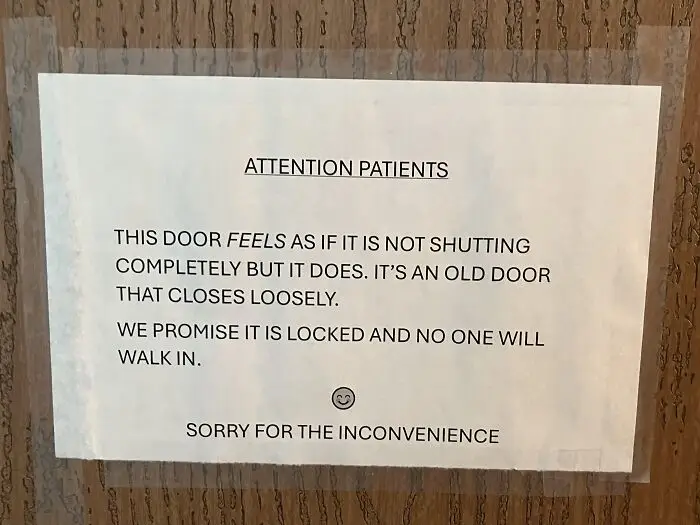
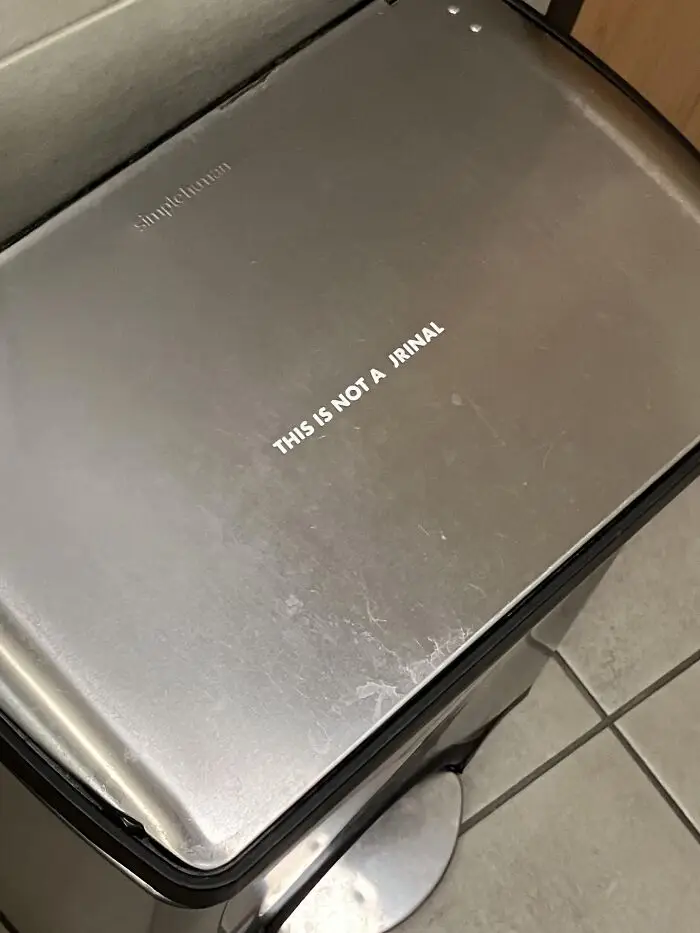
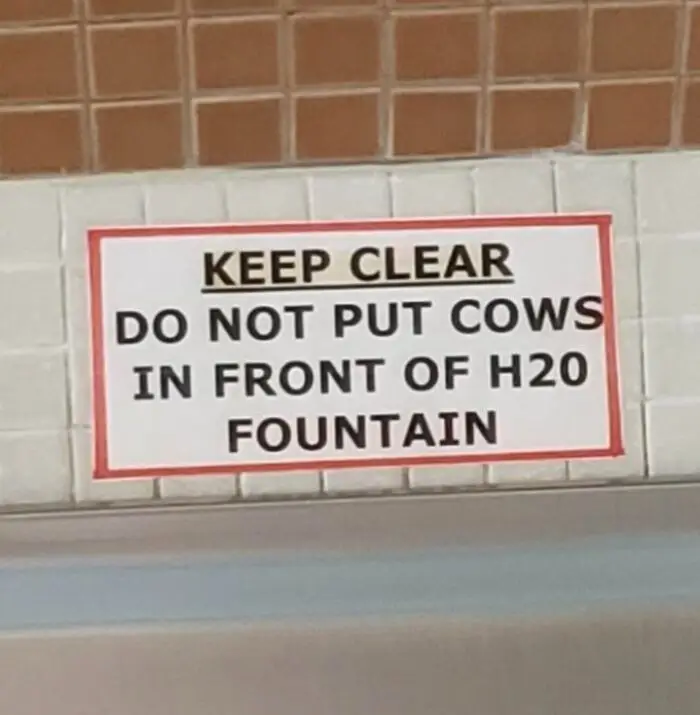
#8 Signs Around The Teaching Hospital That Just Make Sense. Sometimes. Or Maybe Not
When people go to the emergency room, they often want to speed up the process and get seen as soon as possible. To make this happen, medical professionals follow something called a ‘split-flow design.’ This means that when a patient comes to the ER, a team of doctors determines how severe their needs are.
Based on that, they either admit patients with serious injuries or conditions or provide quick care so they can be sent home sooner. At Long Island Jewish Medical Center, which implemented this technique, the ER’s initial wait times dropped by 28%.


Something many people don’t know about hospitals is that they use a lot of cotton, polyester, and copper. In some places, bed linens, patient gowns, bedside tables, and bedrails are infused with copper oxide for a specific reason.
Clinical trials have shown that copper-infused linens and hard surfaces can help keep patients infection-free and save hospitals money in the long run because of their durability.
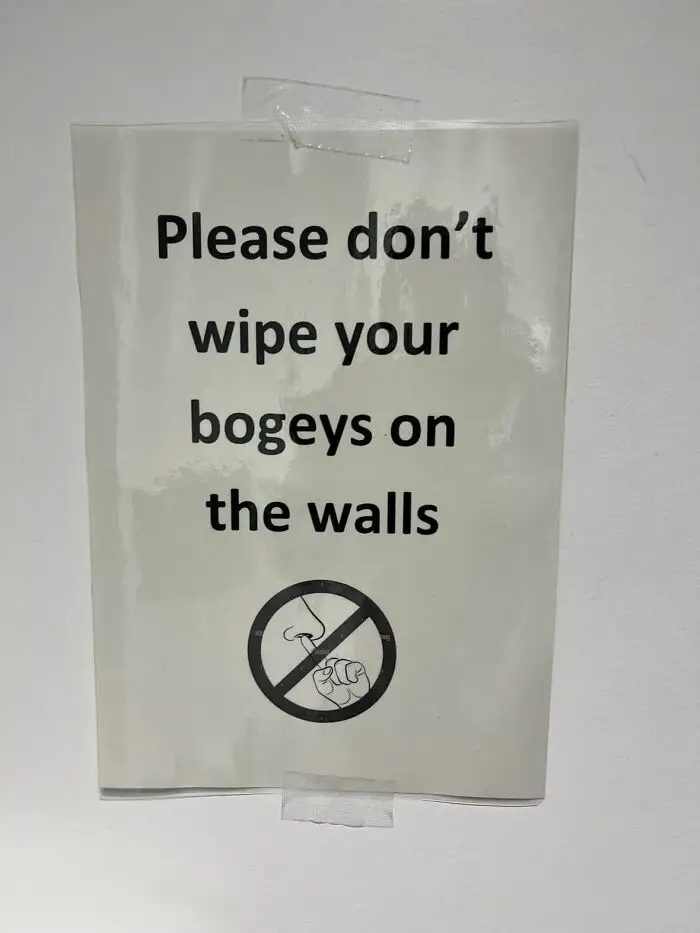
#13 From A Hospital Somewhere In Greater London. The Closer To London You Get, The Angrier The Signs?
Many hospitals operate as non-profits, and according to The Treetop ABA Therapy Center, 36% of hospitals in the United States fall into this category. Unfortunately, in rural areas, financial struggles and other issues have led nearly 100 hospitals to shut down over the last decade.
What’s shocking is that since 2018, the United States has had over 35 million hospital admissions. The average length of a patient’s stay is around 5 days, which doesn’t seem like a very long time at all.
When you visit a medical center, you might think it's the safest place in the world, but hospital-acquired infections are a huge problem. Nearly 1 in 31 patients develop an illness after being admitted, and in the U.S., around 2 million are affected by this each year.
The most common illnesses people acquire in hospitals include urinary tract infections, surgical site infections, bloodstream infections, and pneumonia. Apart from this, medical errors also account for a significant number of fatalities, and it’s the third leading cause of life being lost after heart disease and cancer in the United States.
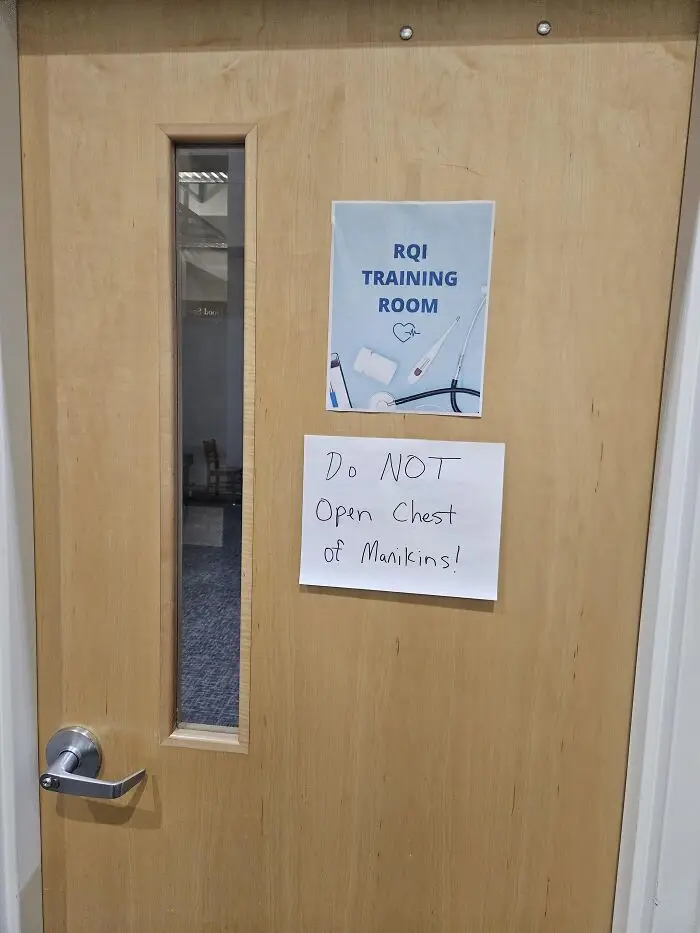
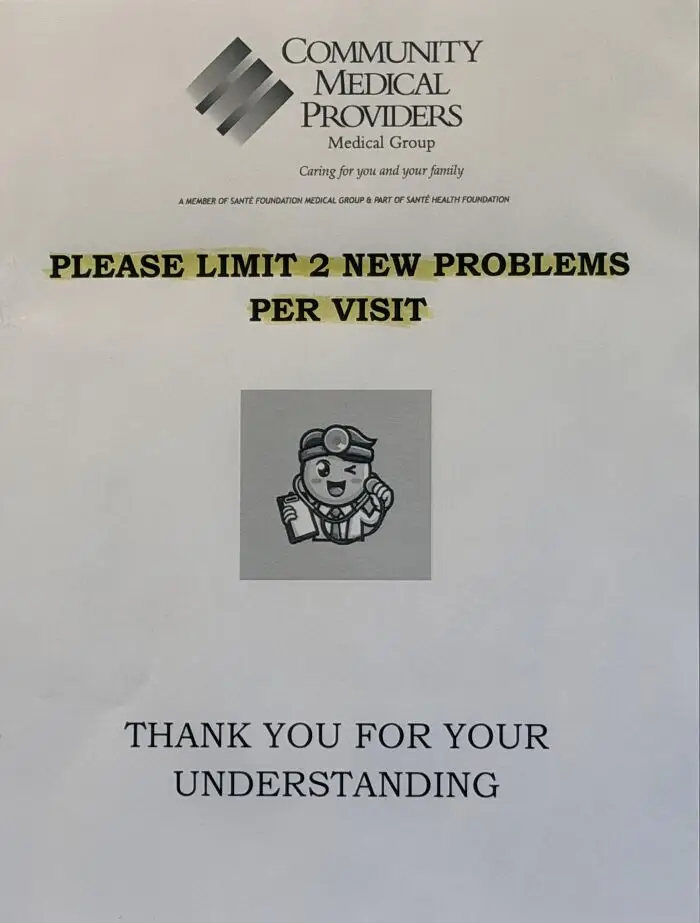
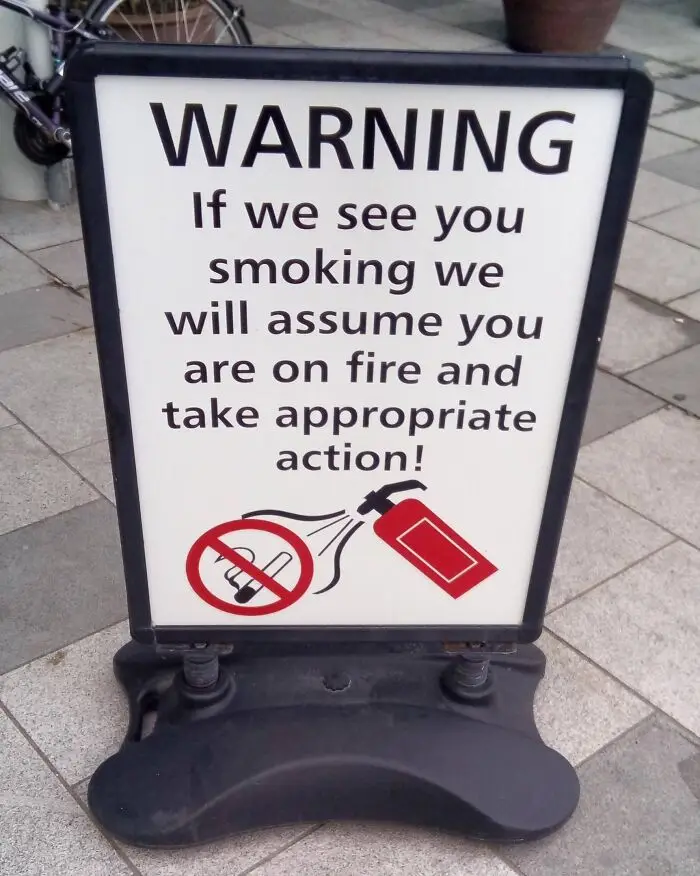
#20 The Sign On The Wall Of The Doctor's Office While I Was Waiting To Get Blood Drawn