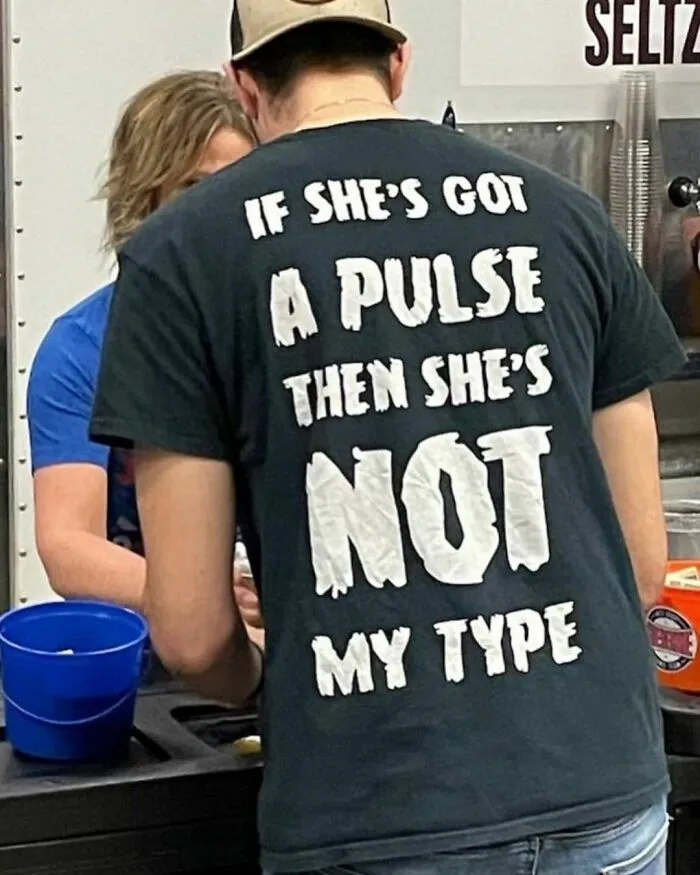



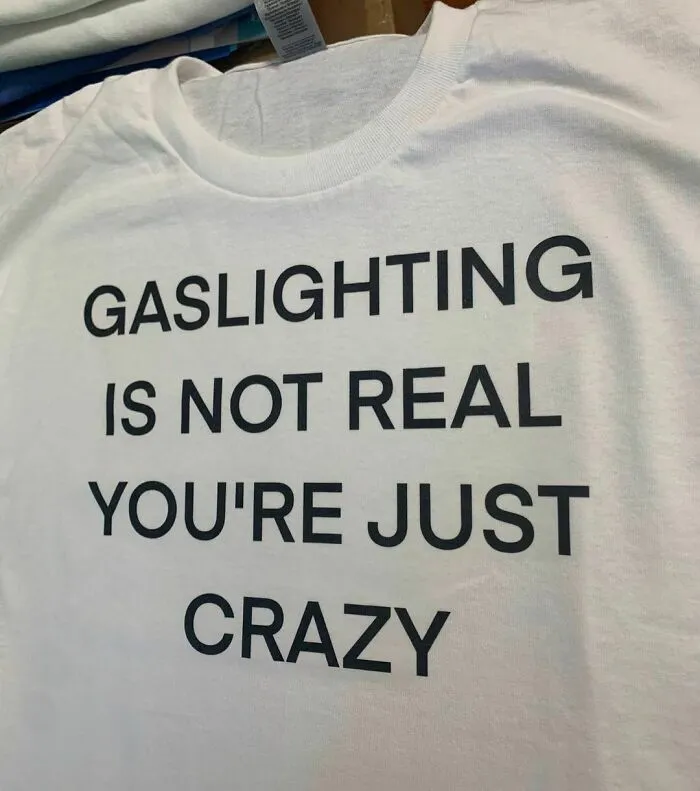
"We all know that carrots and beef are very different, and organic bananas and conventional bananas are different, but when it comes to textiles, we cannot really comprehend this difference," she told the Smithsonian. "You can have very environmentally friendly textiles that are organic carrots, and you can have very climate intensive garments that are more like meat."



According to her research, a T-shirt can use up to 120 liters of water per wear, and contributes 0.01 kilogram of carbon dioxide per wear, just from dyeing alone. "Everyone is talking about [how] you should wash [at] a low temperature," Roos added. "When we calculate how much the washing temperature actually did influence the climate, we saw that … it has less than 1 percent of the climate impact. But 22 percent came from the transport, to and from the store."
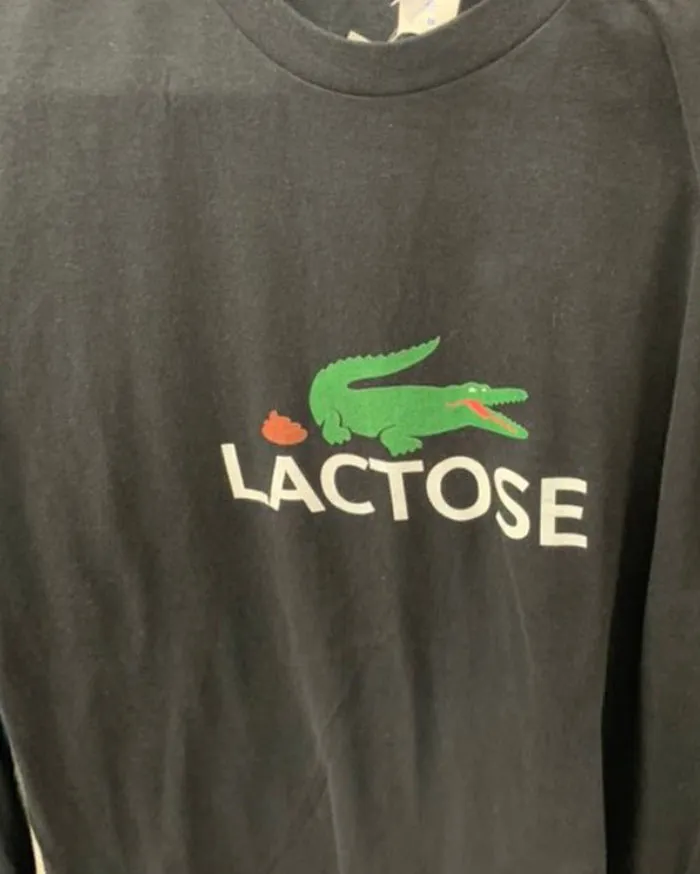


"Most important, by far, is the number of times consumers wear a garment before throwing it out," she said. So the key takeaway is that when you set out to choose what witty shirt you’ll wear next, be conscious and choose them wisely. What are your thoughts about this? What did you think of the t-shirts featured in this list? Be sure to share your insights with us in the comments, we’d love to hear them!