

Elgin says that the process of learning science reinforces these attributes. Chemistry majors cannot become chemists — and high schoolers cannot pass their chemistry labs — if, as students, they do not work together, double–check their assignments, and remain honest in their reports.
"Science does not happen on an island or in isolation," Pereira adds. It's actually the science teacher's responsibility to make sure that students understand the importance of collaborating, along with staying organized and paying attention to detail.


These interrelated characteristics of science education — the process of discovery and the collaboration on trustworthy results — are not mutually exclusive. Pereira thinks that science teachers should encourage their students to look at scientific advancements through an ethical lens, looking for patterns and asking questions about scientific developments. Science teachers should help students think critically about current technologies made possible by science, and reflect on whether future technologies will be morally acceptable.
The good thing is that in many countries more young people are taking STEM subjects at university than ever before. For example, according to UCAS, since 2011, acceptances into computer science courses in the UK have risen by almost 50% and acceptances to engineering courses are up 21%.
Not to mention the 400% increase in acceptances for students wishing to go on to study artificial intelligence.
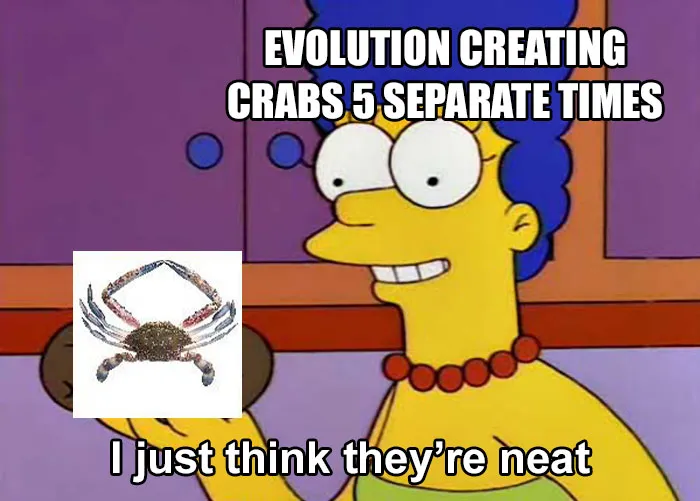
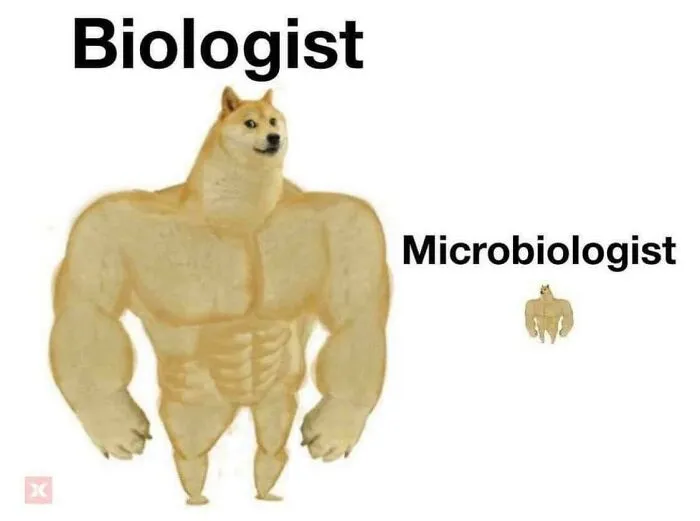
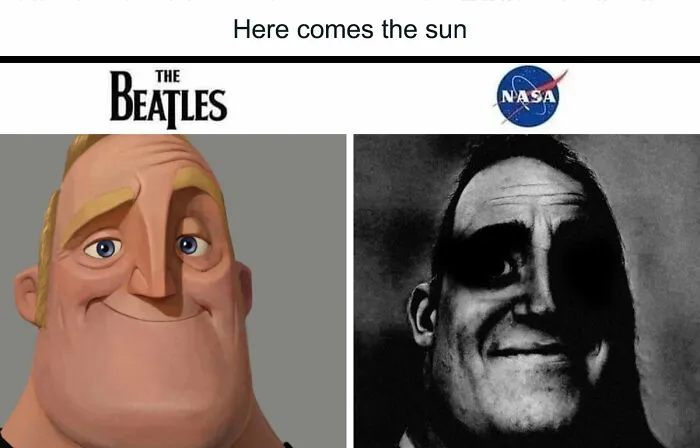
Just think of all the good memes they will produce!