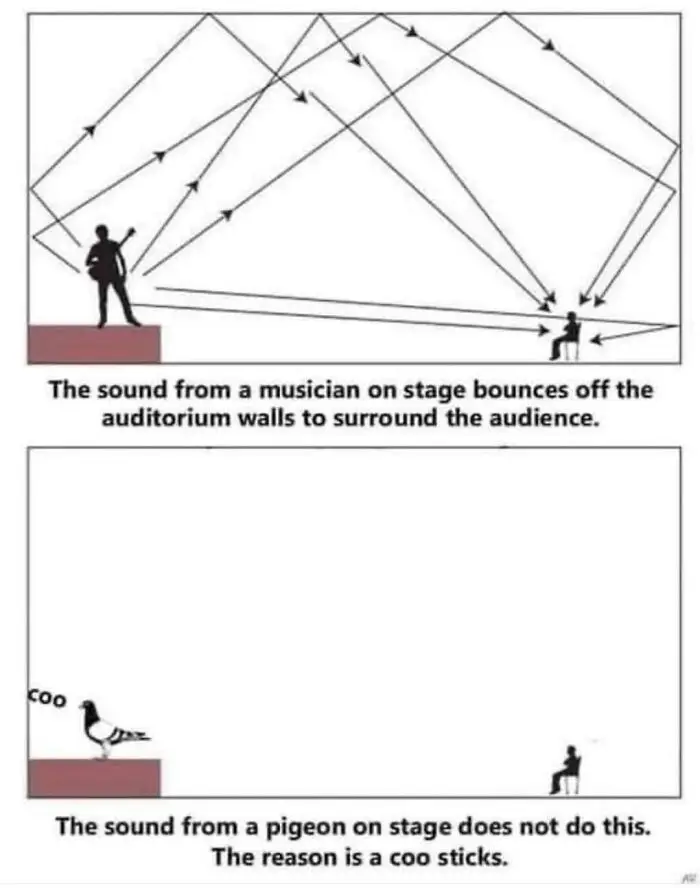



#2 My Dad Sent This To Me. I Wish Every Middle Schooler And High Schooler Would See This
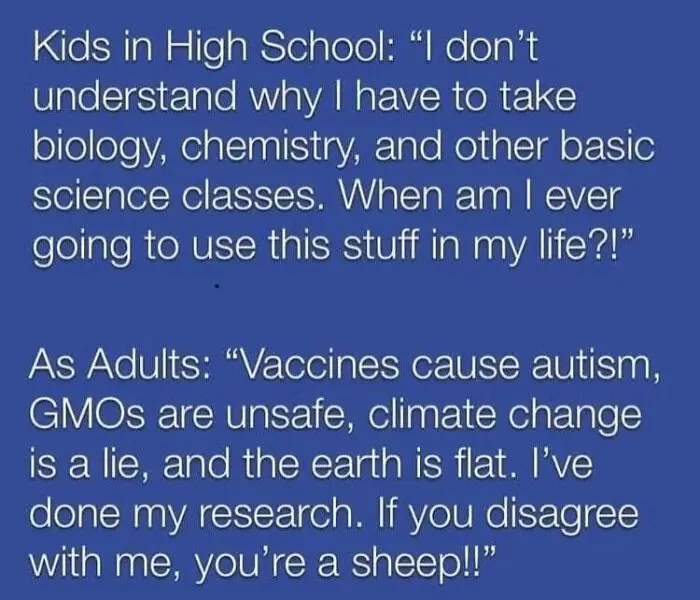

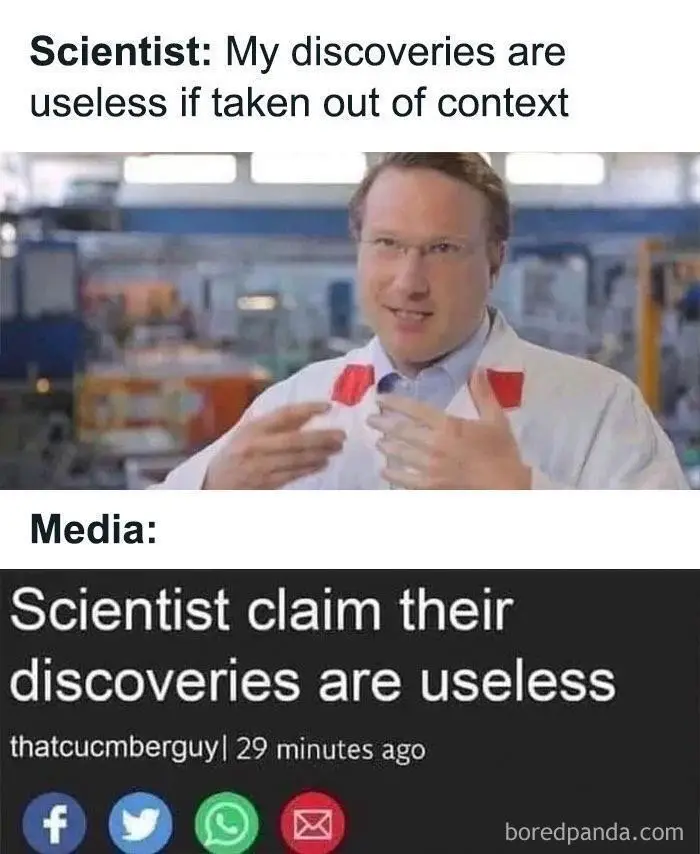
Funnily enough, the very origin of the word "meme" actually comes from science itself. Before it became synonymous with relatable, funny images, it was a biological concept coined by evolutionary biologist Richard Dawkins.
He combined the Ancient Greek word "mimeme," meaning "something imitated," with the word "gene" to describe how ideas, catchphrases, and cultural behaviors replicate and evolve from brain to brain, much like DNA. Curiously, the term was coined in 1976, long before computers became common and the concept of a meme even existed.
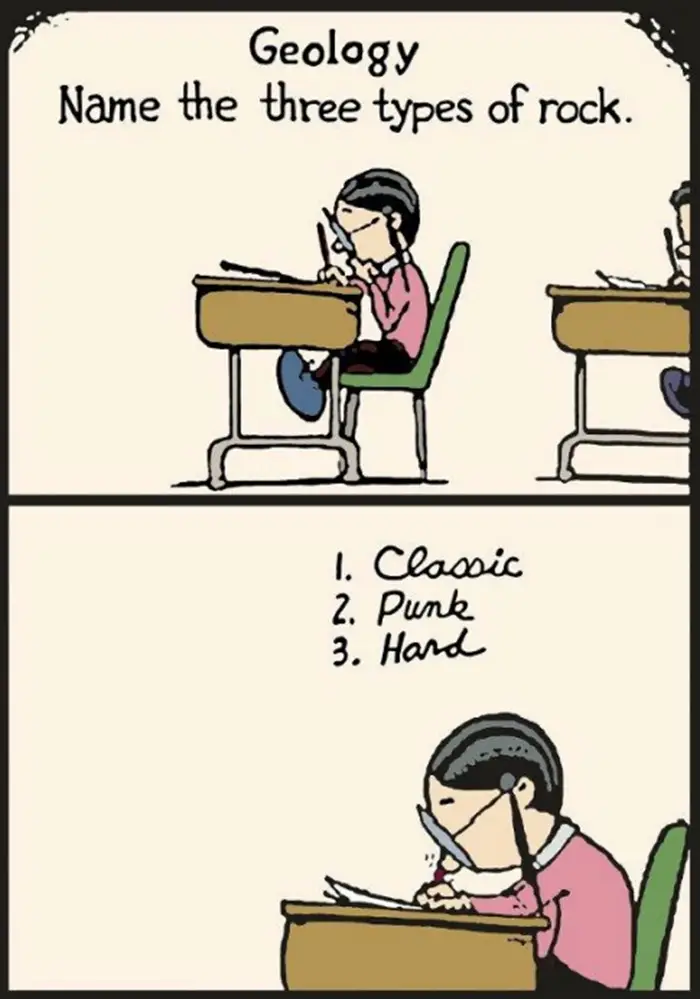

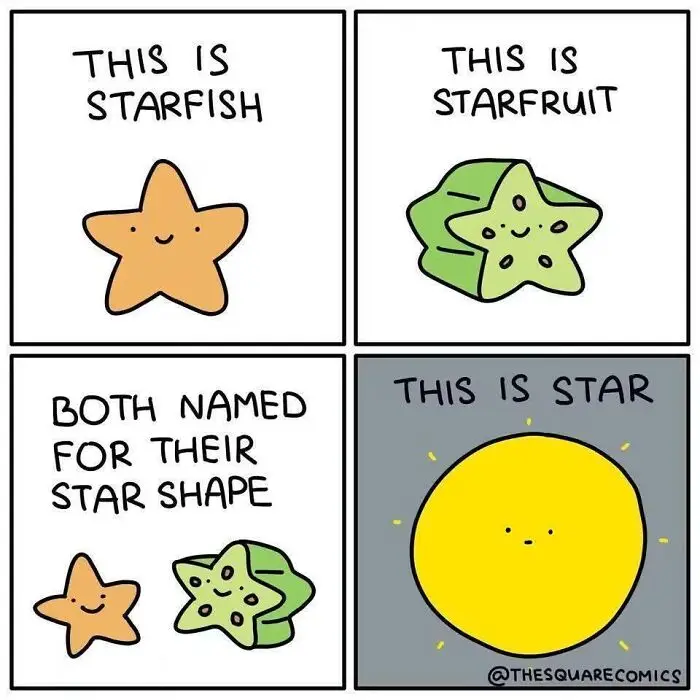

And, as it turns out, using humor has actually been shown to make scientists seem more credible online.
Researchers found that when science communicators used lighthearted, playful humor, like satire, audiences rated them as more likable and more legitimate and trustworthy than those who presented dry facts in a monotone way. Curiously, though, too much harsh sarcasm can backfire and actually reduce trust. Interesting, isn't it?
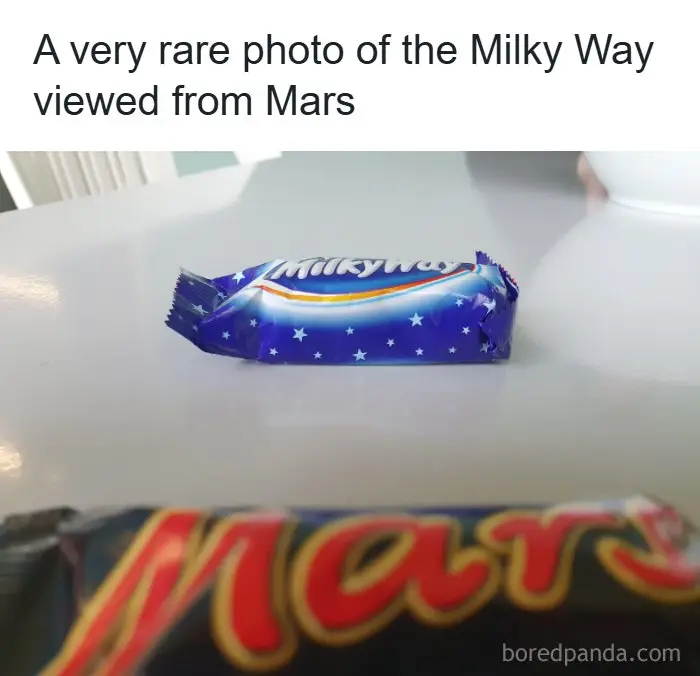
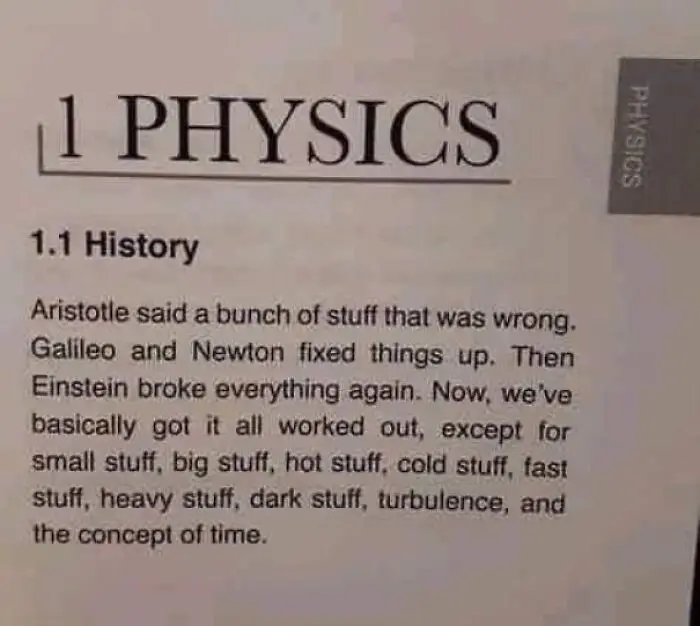

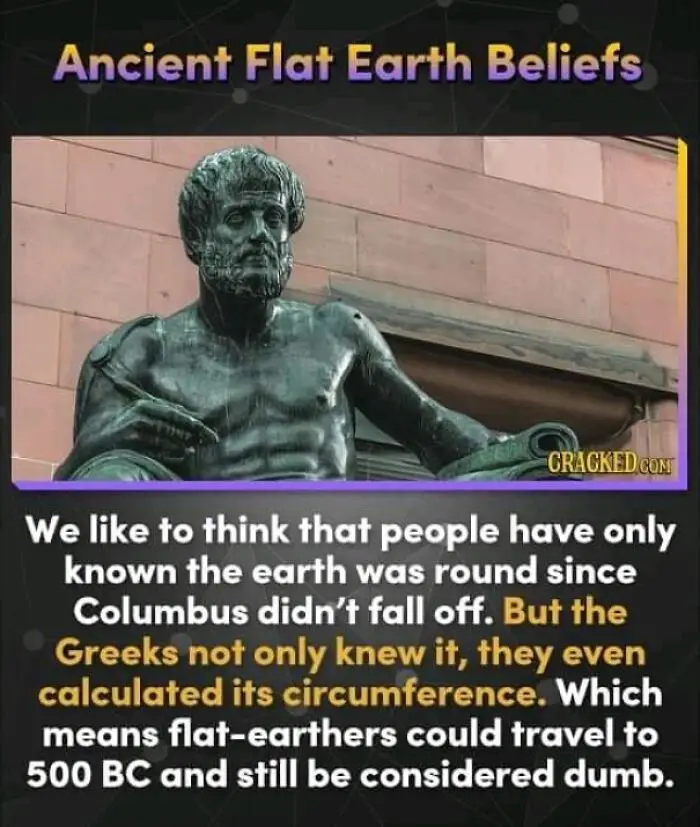
But research has found more than that about memes and information. Psychological research shows that humor activates the brain's dopamine reward system. This can make engaging with science memes more motivating and enjoyable, while also supporting long-term memory formation.
One survey supporting this idea included 1,637 students across 25 science courses. It found that around 99% appreciated science humor, saying it helped boost their attention and made the subject matter more relatable. So, hey, scrolling through science memes might be a modern way to learn.

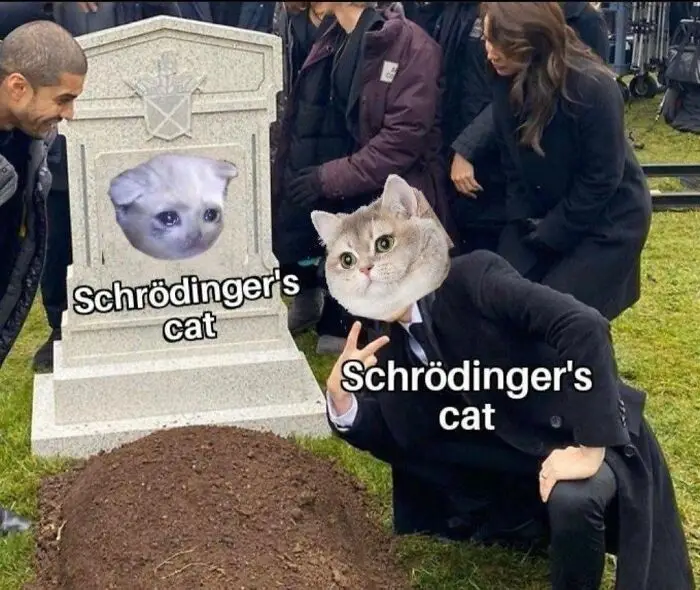


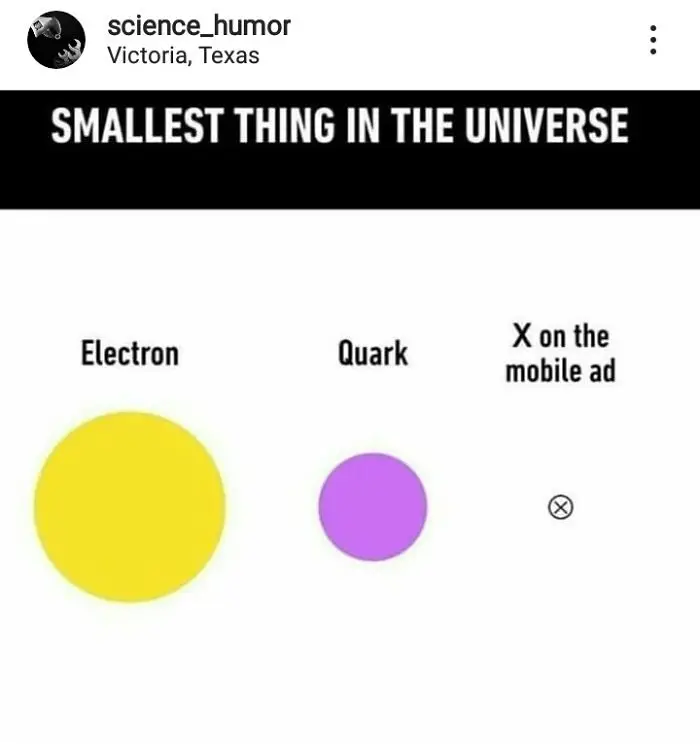
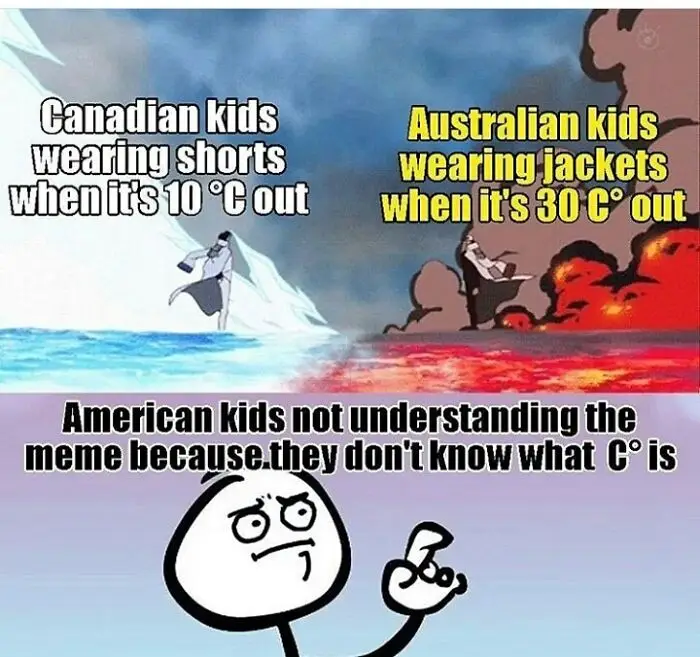
Combining humor and science has also proven to be a great way to get people more interested in learning about science, technology, and the world around them.
In fact, scientists have been using humor to poke fun at their own work for over two centuries. Back in 1802, English caricaturist James Gillray published "Scientific Researches! – New Discoveries in Pneumaticks!", a satirical etching mocking public gas-inhalation demonstrations at London's Royal Institution. Just two years later, geologists were already drawing cartoons poking fun at their rivals' theories.