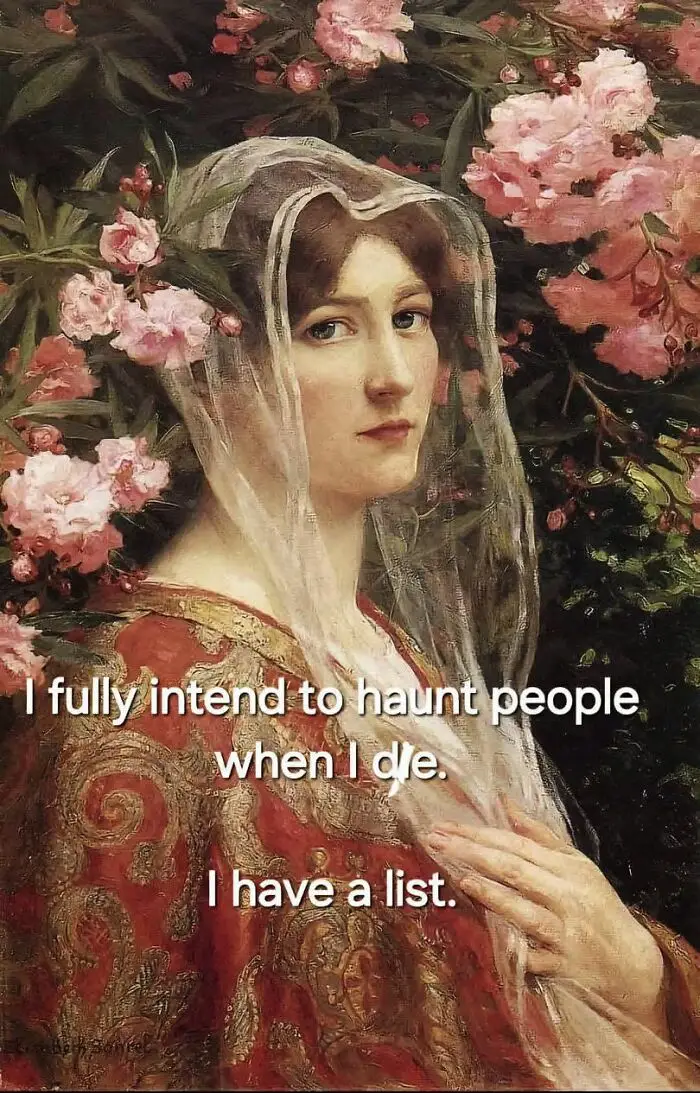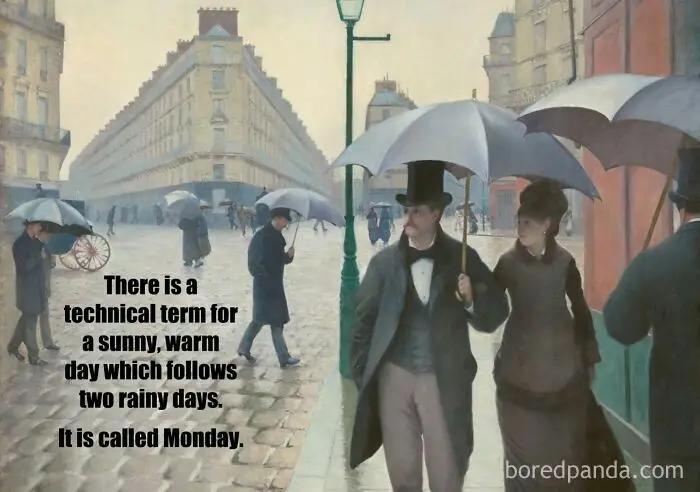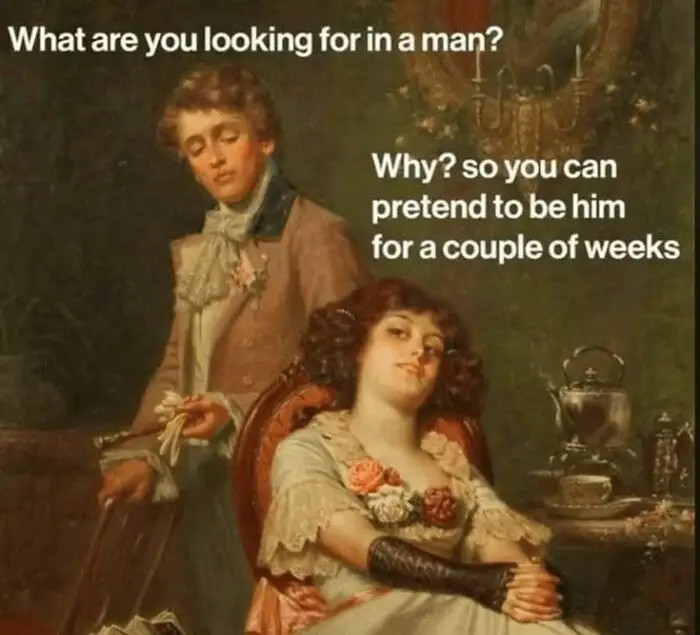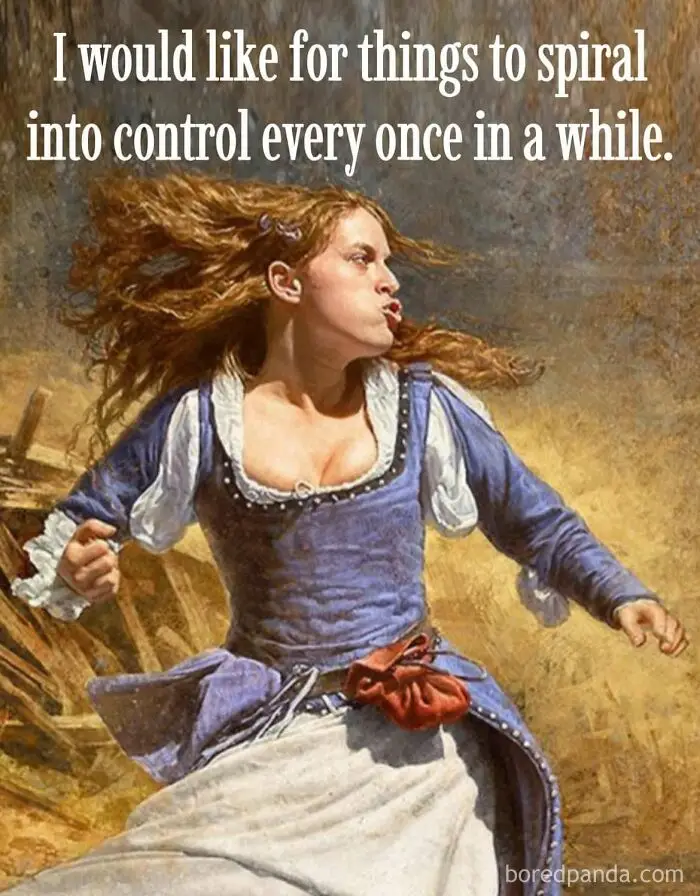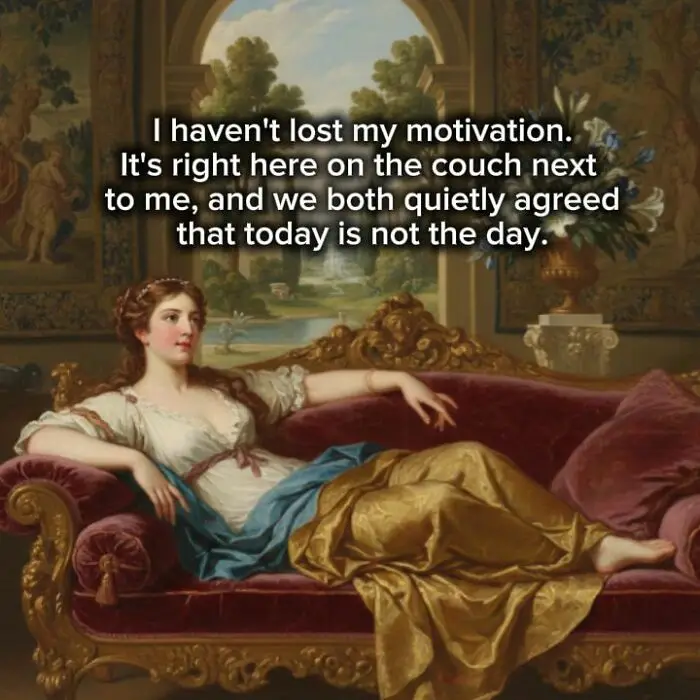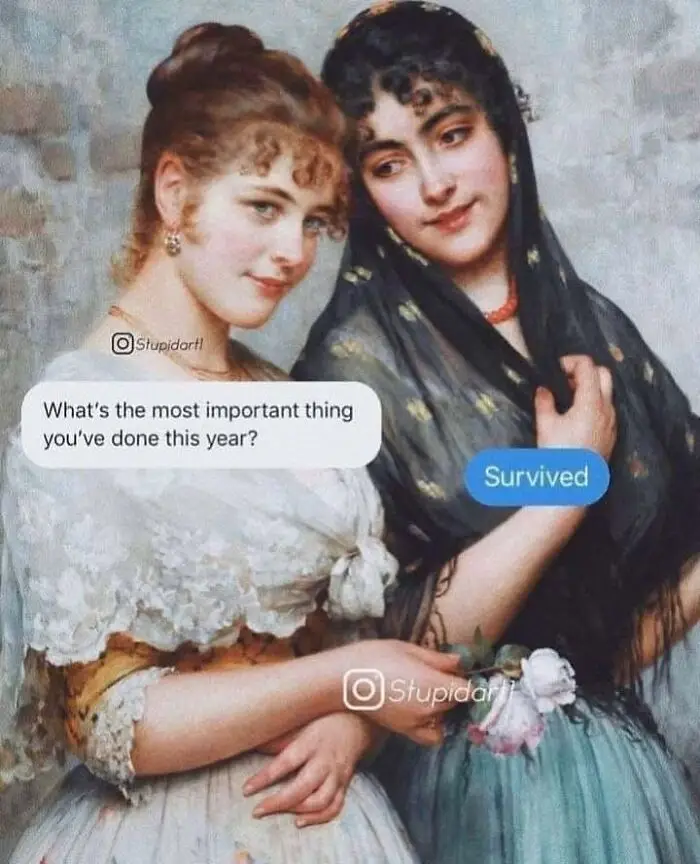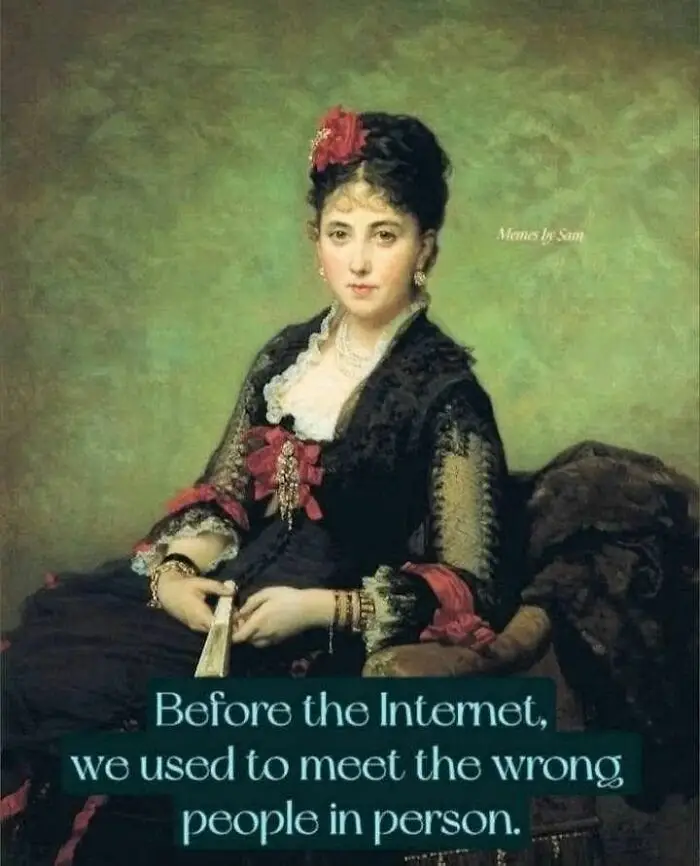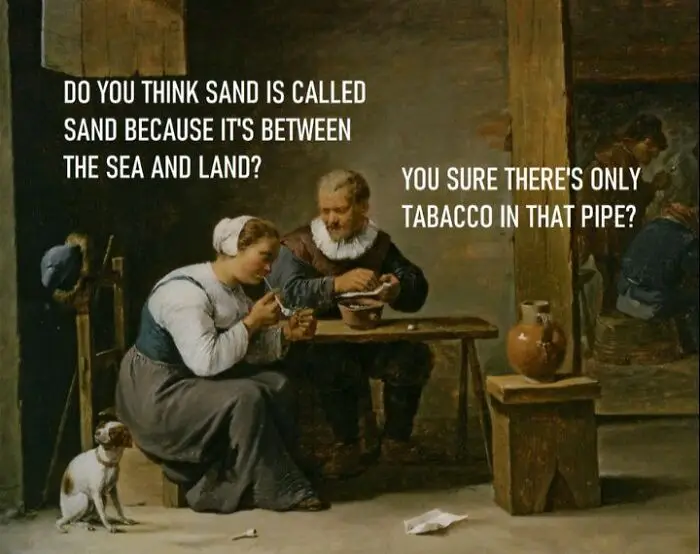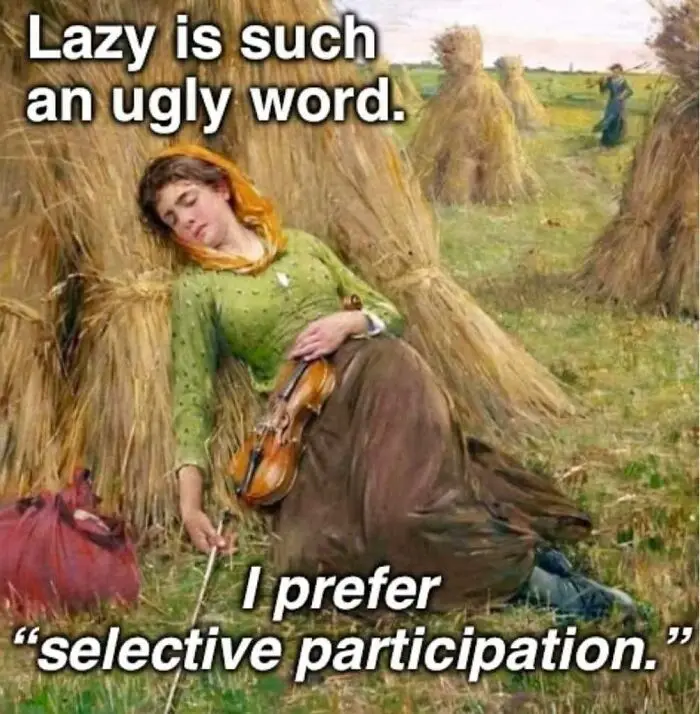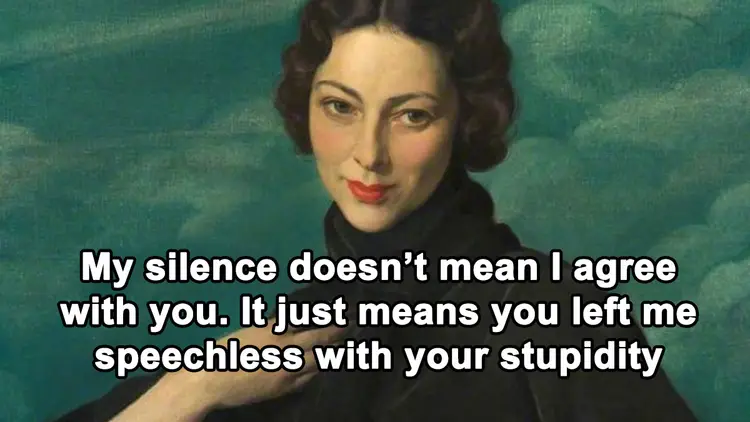


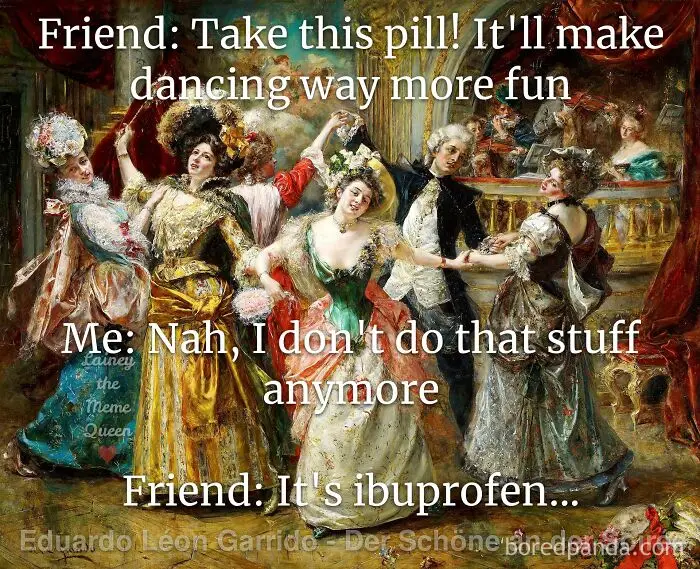
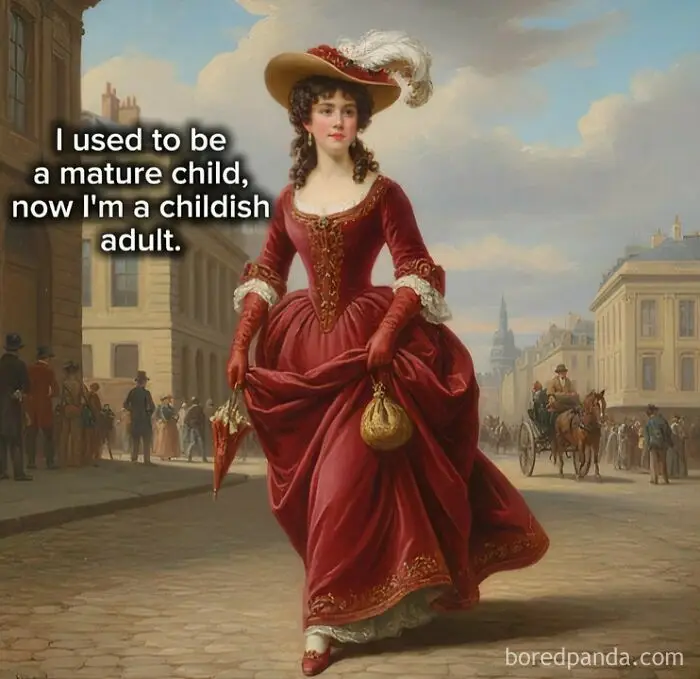
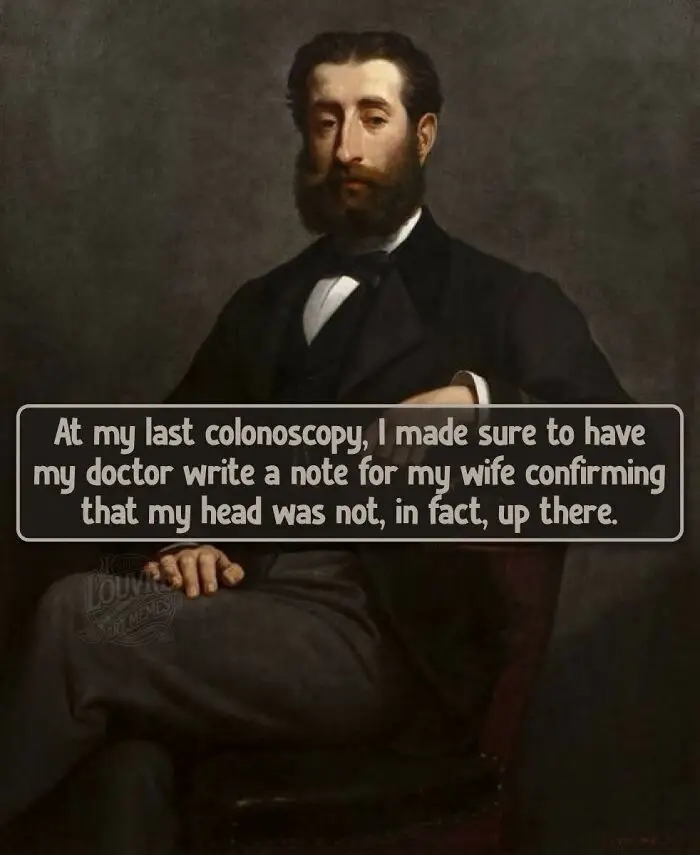
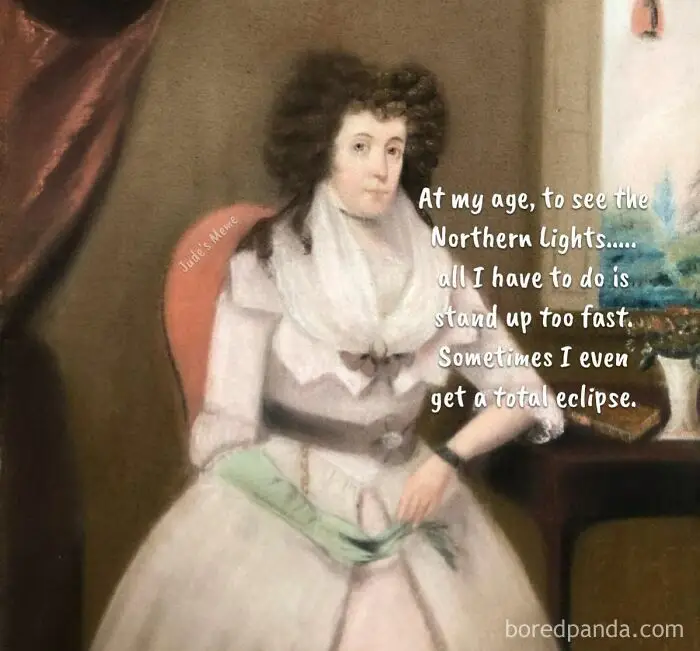
When we see a noblewoman in a Dutch portrait giving a sharp side eye to someone off canvas, we do not need a history degree to understand exactly what she is feeling. We recognize that look because we have seen it in our own friend groups and offices. This universality is what allows a painting from the sixteen hundreds to survive and thrive on social media platforms that did not exist even twenty years ago.
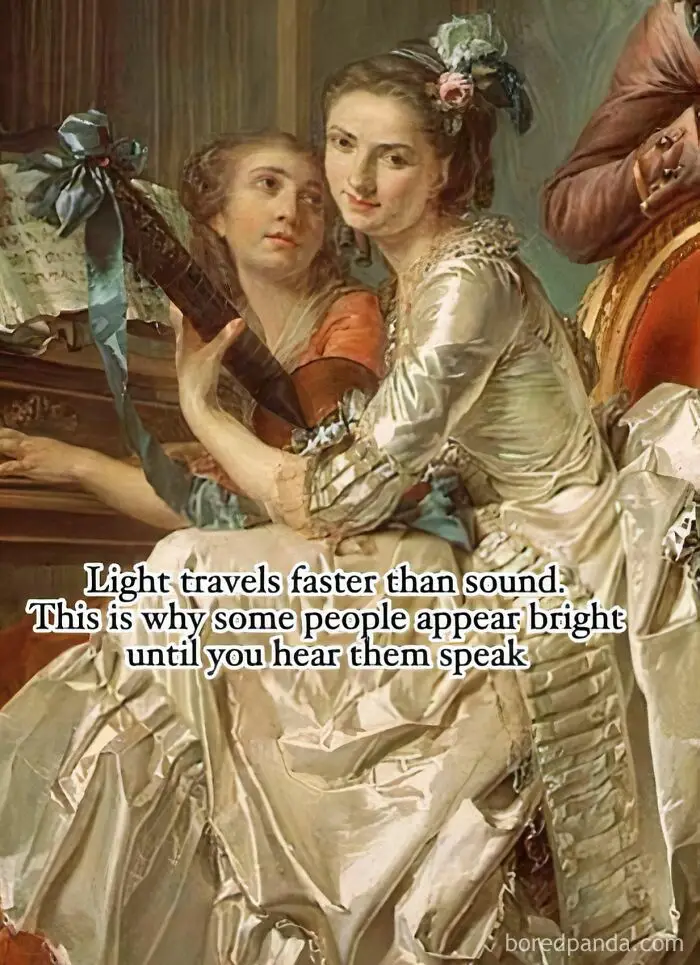
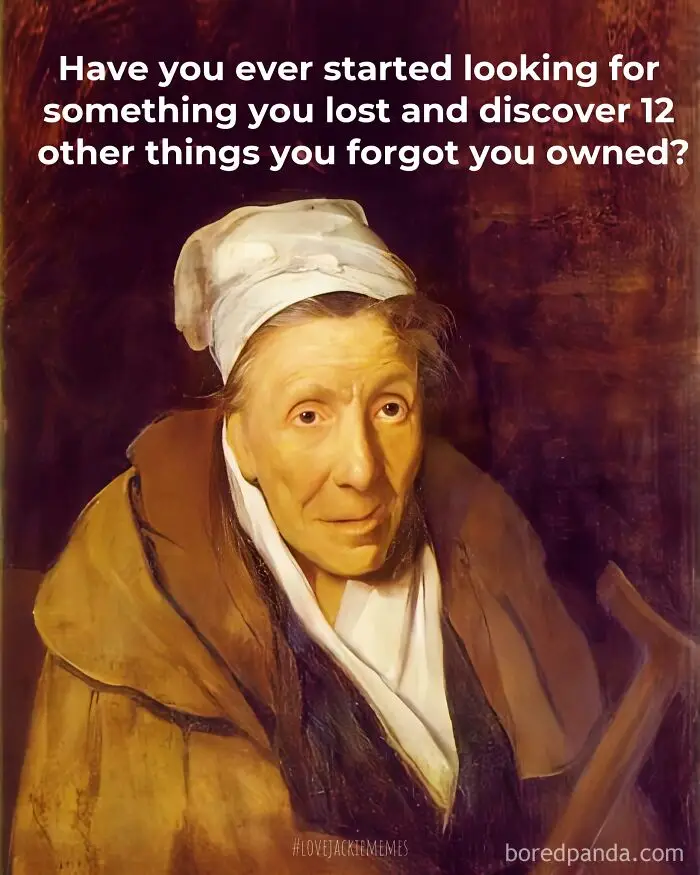
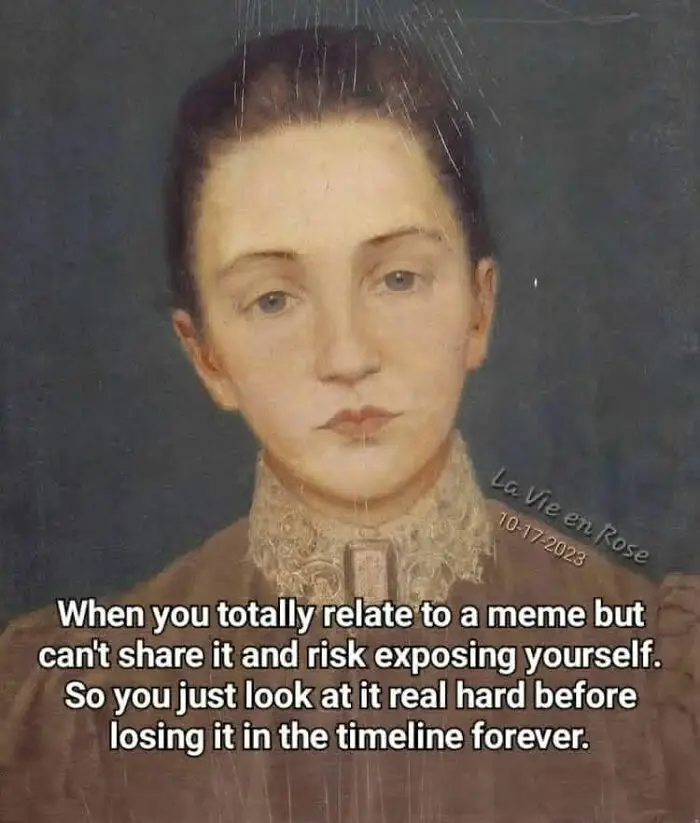
The act of meming art also serves a secondary purpose by making history feel alive and accessible to younger generations who might otherwise find it boring. When a teenager scrolls past a meme featuring a statue of Julius Caesar with a caption about a group project, they are engaging with history in a way that is active rather than passive.
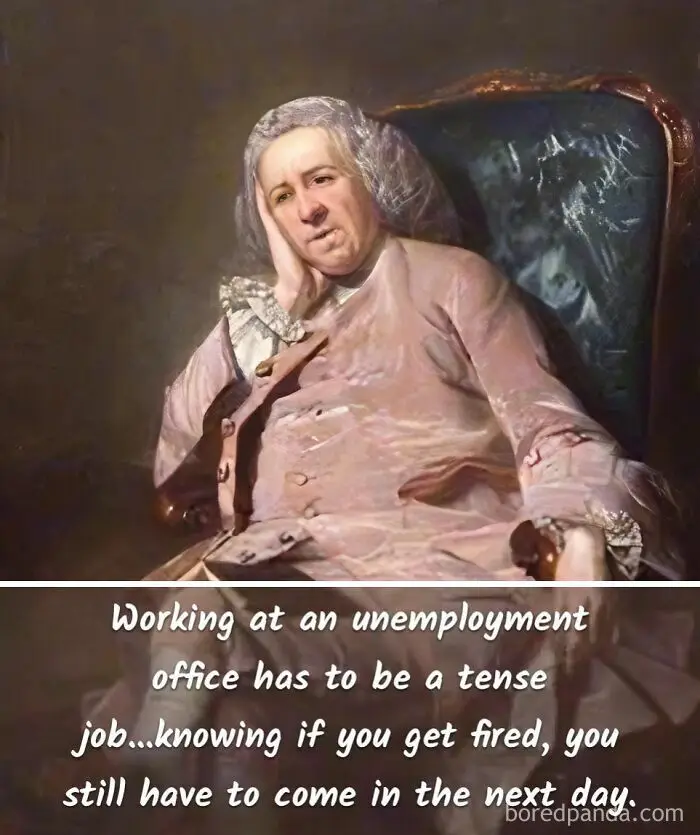
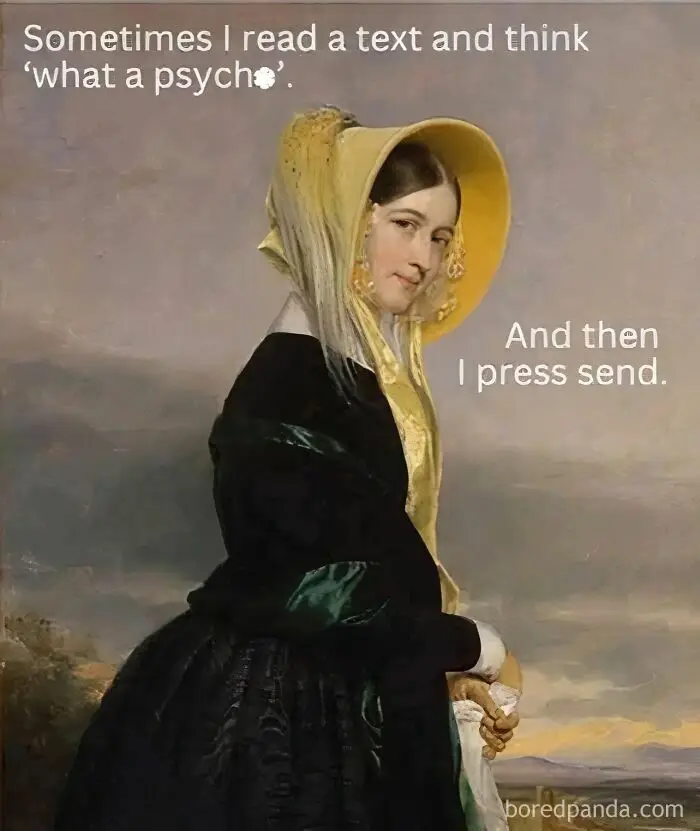

They are learning to look closely at the details of the work, even if their primary goal is just to have a laugh. This creative reinterpretation keeps these images relevant and prevents them from fading into the background of dusty textbooks. It is a testament to the enduring power of human creativity that we can take a piece of stone carved thousands of years ago and find a way to make it say something meaningful about our lives today.
Ultimately, our ability to turn everything into a meme is a sign of our profound need for connection and shared understanding. We use humor as a tool to navigate a world that can often feel overwhelming or disconnected. By laughing at the dramatic poses and bizarre details of the past, we are acknowledging that while technology and fashion change, the core of the human experience remains remarkably consistent.