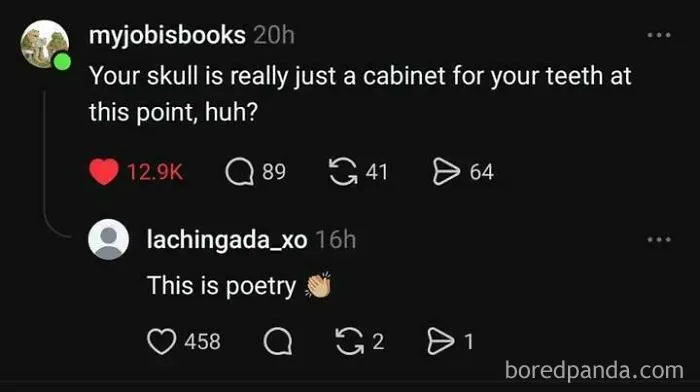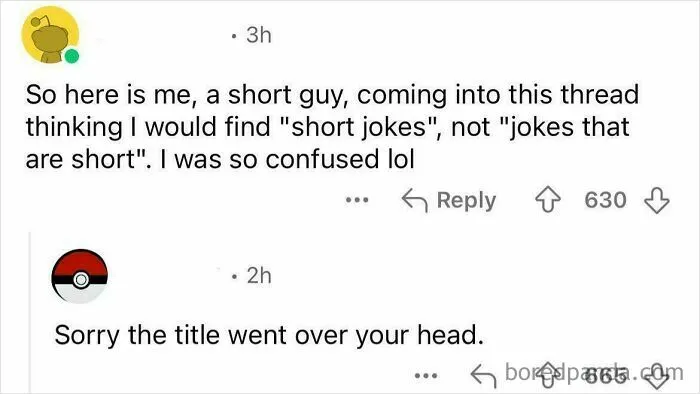



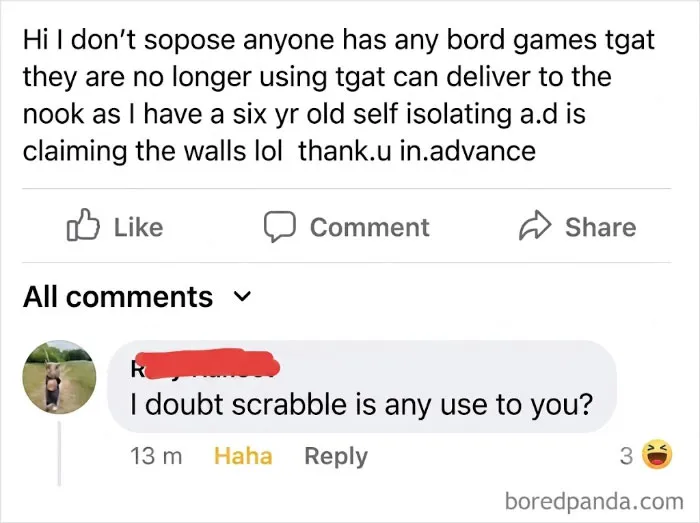
According to psychologist Dr. Nigel Barber, in a verbal society like ours, physical aggression is used less often to settle status disputes, with those conflicts instead playing out through words. That's why an insult can seem so powerful—it can be interpreted as an attempt to lower the target's social status while raising that of the person delivering the insult.
"If that logic is correct, we can assume that insults are often motivated by anger surrounding issues of status insecurity," Barber says. "Many insults are reactive: They are responses to real or imagined slights from others, such as a person accidentally cutting in front of someone else in a line."



"We live in a period of extreme concern about how we are perceived by others; social psychologists are charting a steady increase in narcissism among college students. There is little consensus about why this is happening, but some scholars believe that the more children are measured on evaluative scales—aptitude tests, IQ scores, and GPA—the more sensitive they are to threats to their social rank," Barber adds.
This narcissism trend is further amplified by social media, where people are constantly exposed to evaluation from others.
"Concern with how one is perceived creates social insecurity that may be relieved by lashing out at other ... people ... Social networks are replete with individuals who deliver stinging rebukes because they enjoy doing so and because they are mostly exempt from the reprisals that one might expect for real-world put-downs," Barber explains.

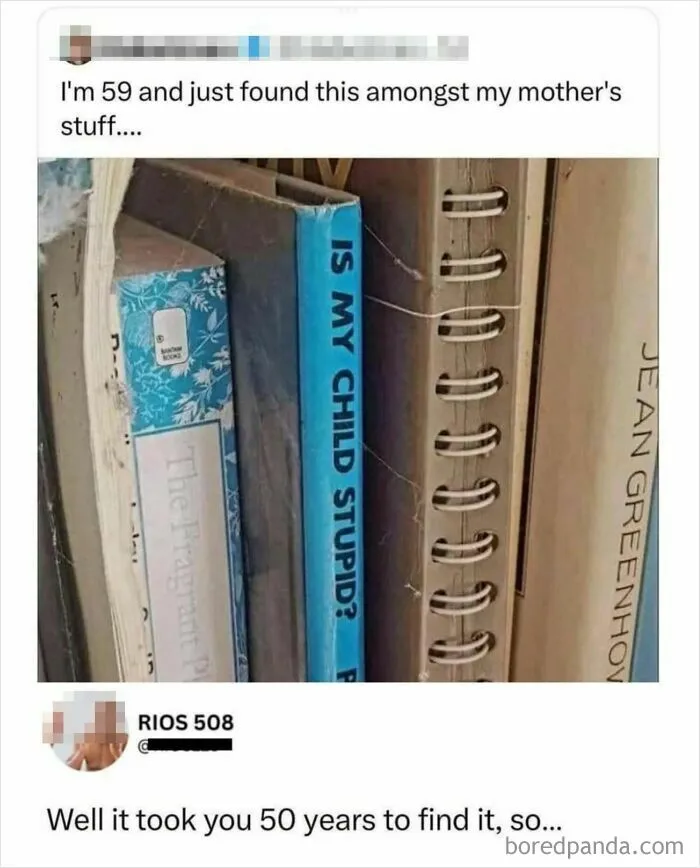

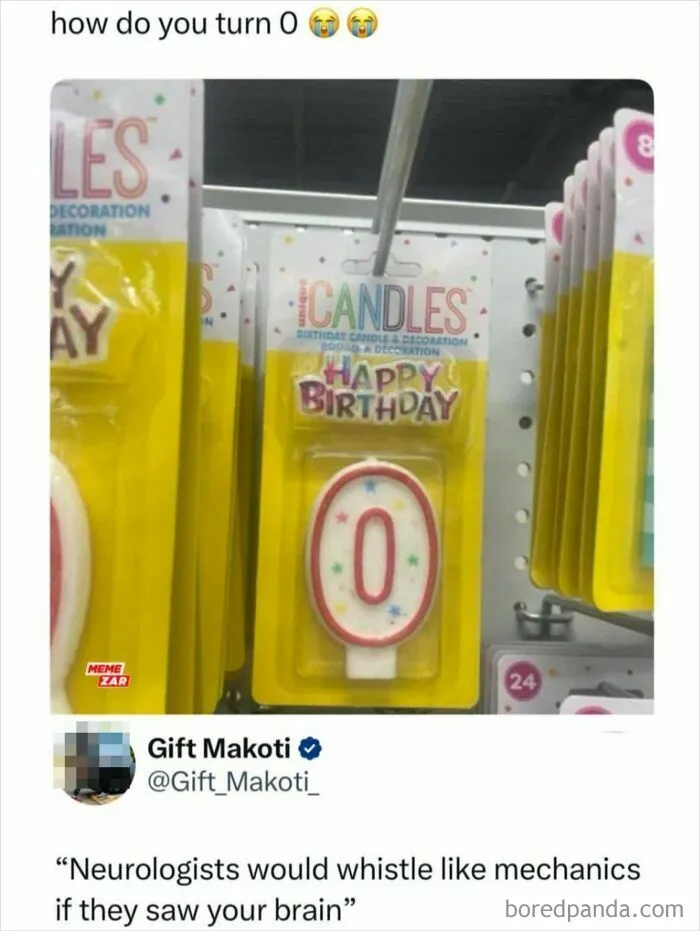
So if the purpose of a put-down is to reduce someone else’s place in the (imaginary) hierarchy, it's hardly surprising that insults often target a person's position within it, whether in terms of ancestry, employment, or desirability as a partner.
That's why, according to Barber, many insults refer to body parts or bring up shameful or unsuccessful romantic behavior.
And, of course, let's not forget insults centered around other beauty standards, such as weight, height, baldness, skin conditions, and perceived flaws.

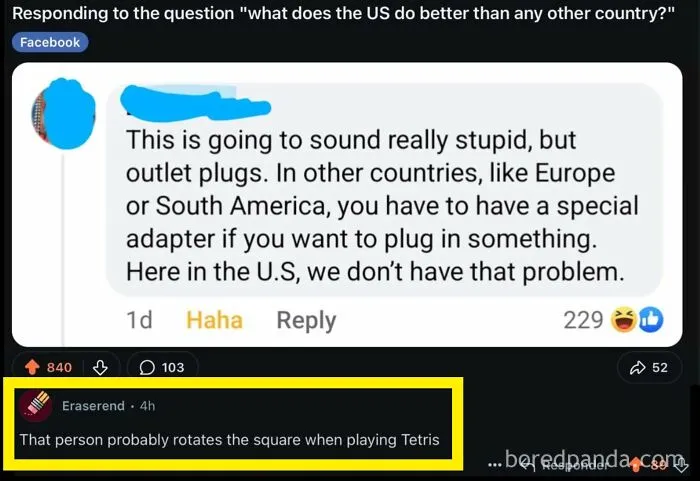
#12 Strollers

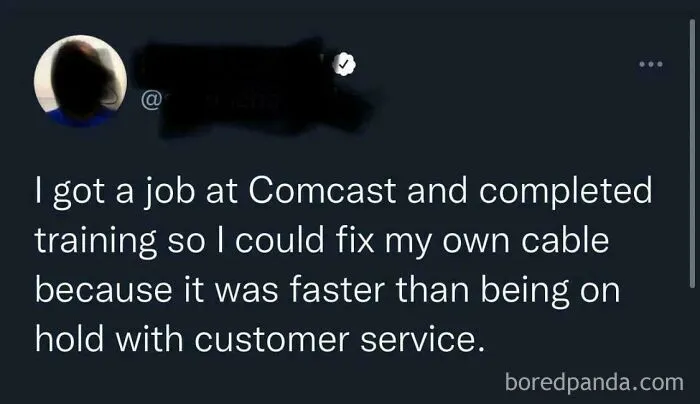
So, as hilarious as the roasts in these pictures are, we shouldn't get too carried away. Barber says, "For those who enjoy distributing insults, the internet is a perfect environment, one that can offer a shield of anonymity and an absence of consequences. The larger question is whether the frequency of ill-motivated personal attacks will ride the wave of increasing narcissism or succumb to social controls?"
#14 Store-Bought Bottles Are Bred In Captivity; They Would Never Survive In The Wild


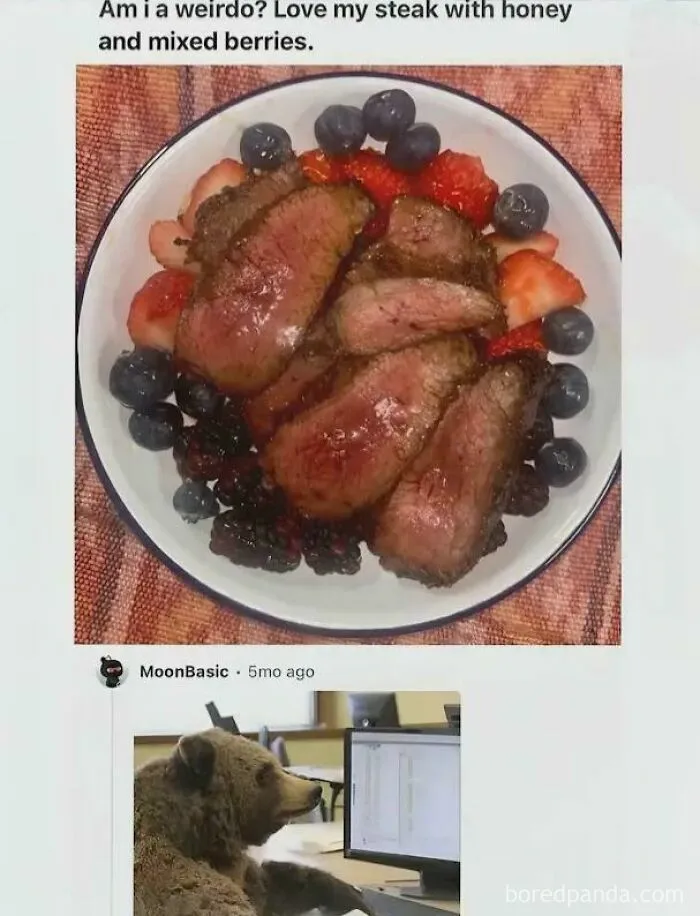
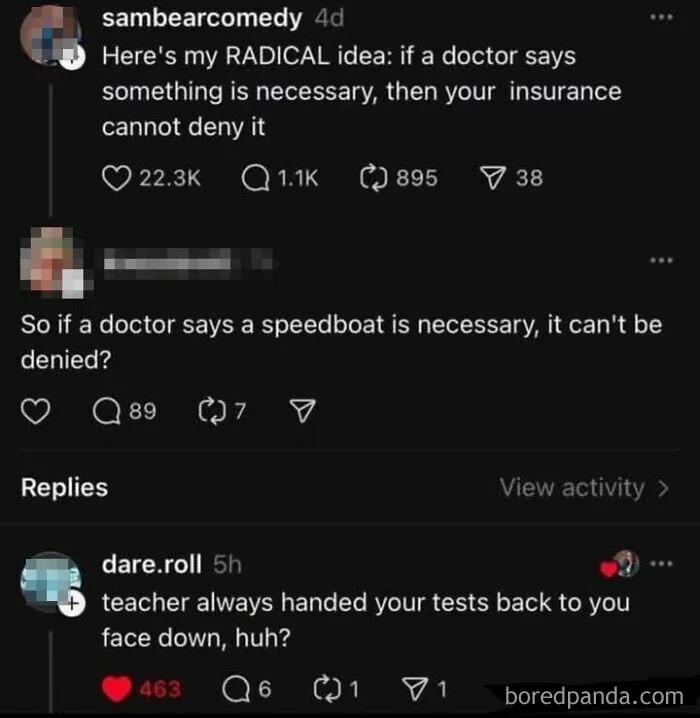
#17 Insurance
The psychologist says effective communities maintain solidarity by keeping direct insults to a minimum. That's actually where traditions of politeness and respect come from; people behaved that way to avoid unnecessary anger, disputes, and violence while keeping things running smoothly.
Online communities, on the other hand, are becoming increasingly fueled by destructive elements: trolling, flaming, mis- and disinformation, and group attacks in which people violate basic codes of decency.
If these trends persist, Barber says social media should be regulated. However, this might lead to a counterintuitive effect, where online civility "scores" will only boost collective narcissism—and make us want to peck at our neighbors even more.