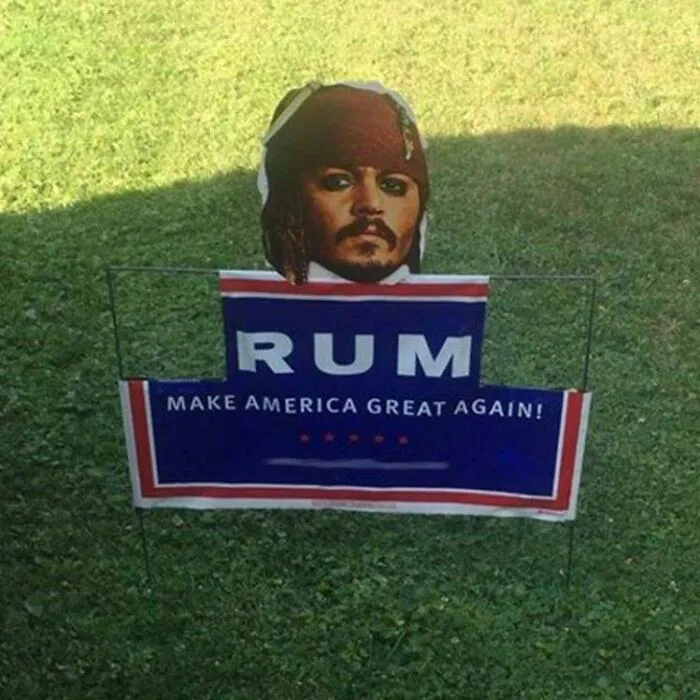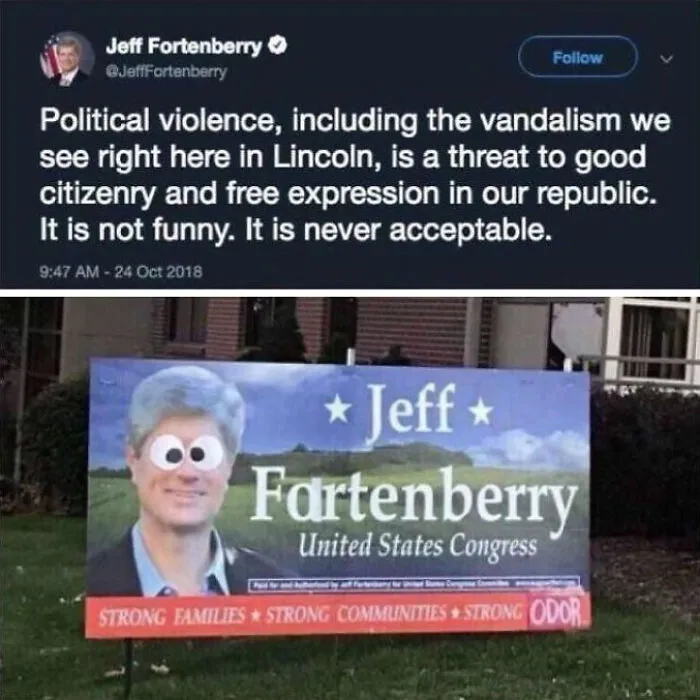
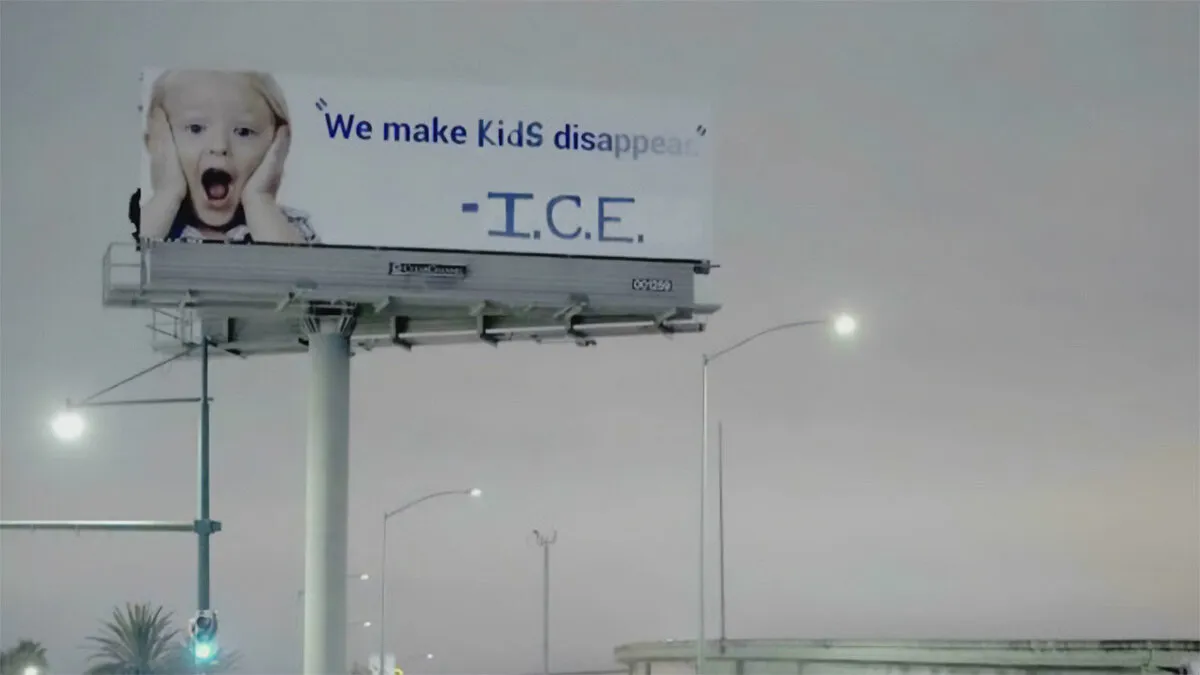


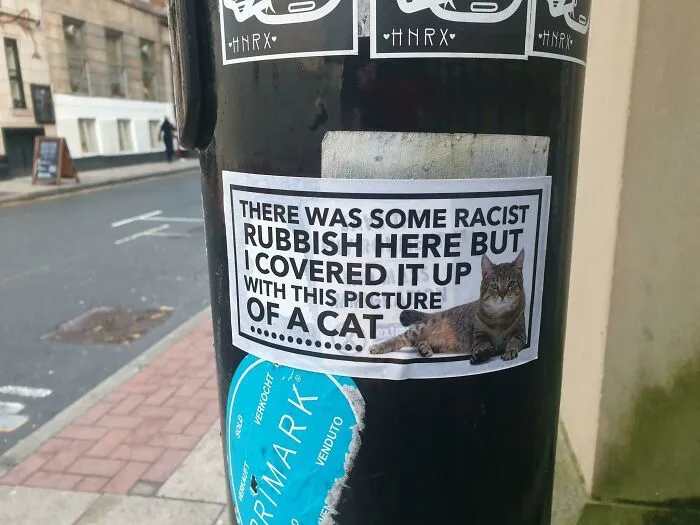
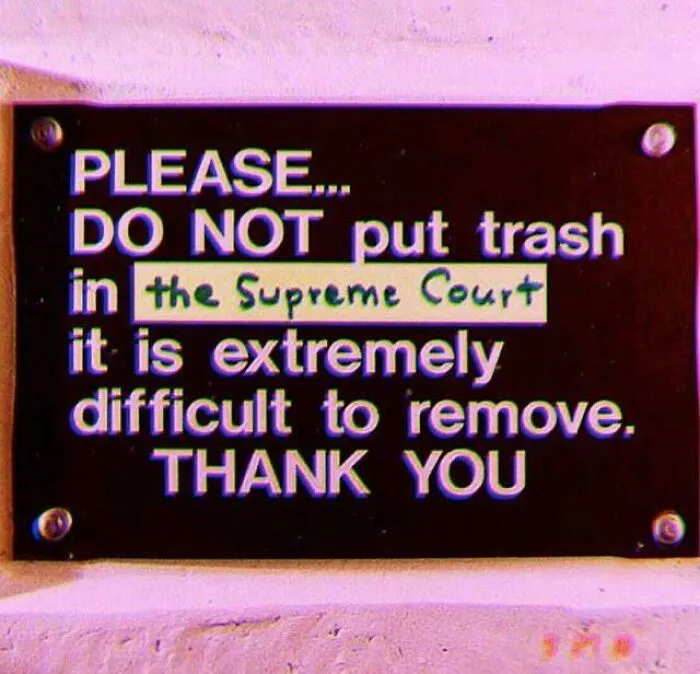
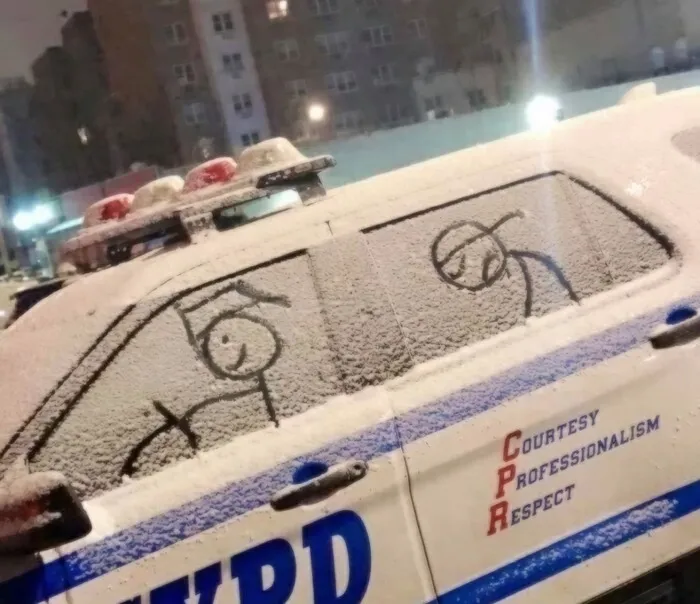
Benign Violation Theory suggests that humor can come from something breaking a rule or expectation while still feeling harmless enough to be okay. Research on the theory found that people were more likely to laugh when they saw a situation as both a violation and still acceptable.
This may be why harmless acts of vandalism feel different from actual property damage. Someone has technically messed with something that was not theirs to change. But since the result is witty or wholesome and causes no real damage, it feels more like a joke than an offense.
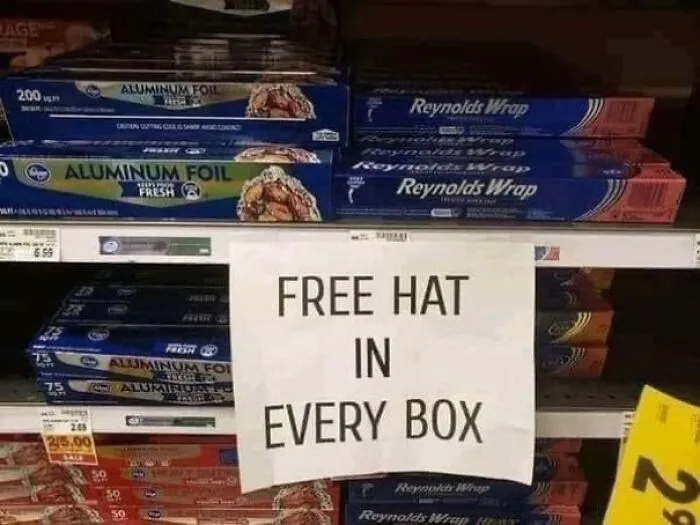
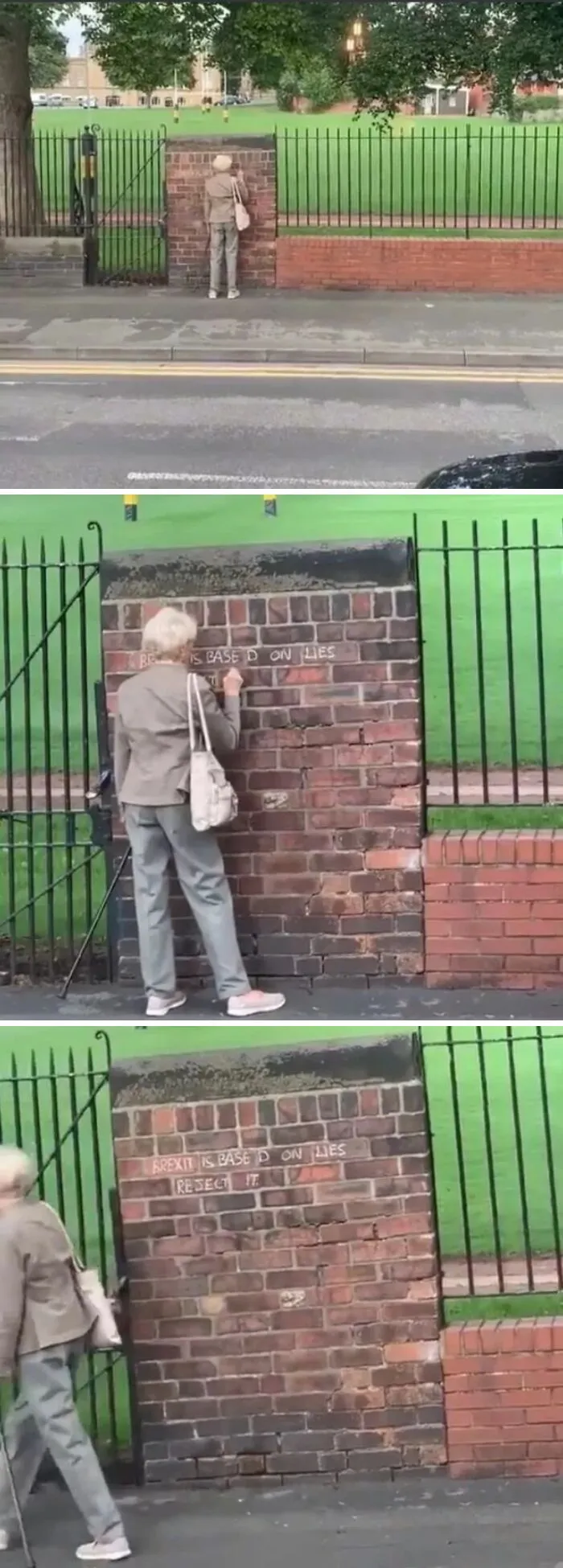
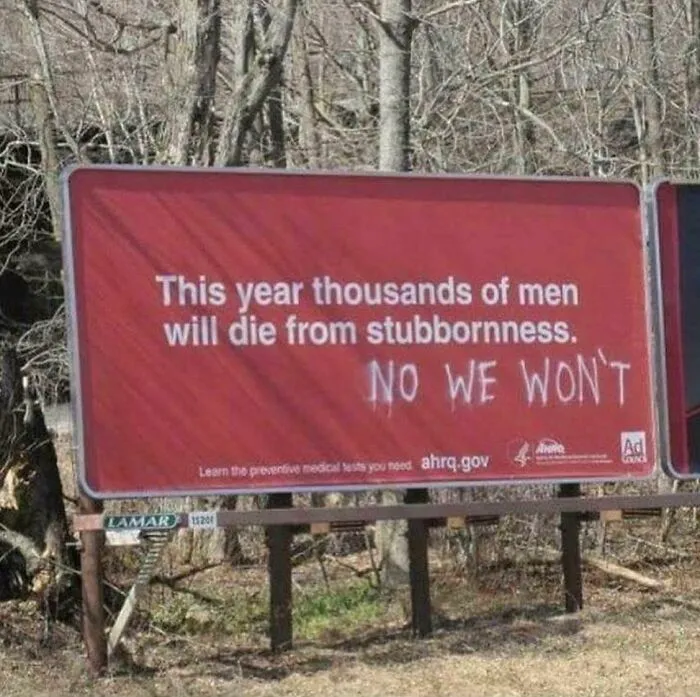
Research on graffiti shows that context can influence how people judge what they see. A wall covered in random tags and scribbles may be viewed as vandalism, while a carefully painted mural on that same wall can be seen as art.
What is written or drawn, how it's done, and where it appears can all affect whether people see it as damage or creative expression.
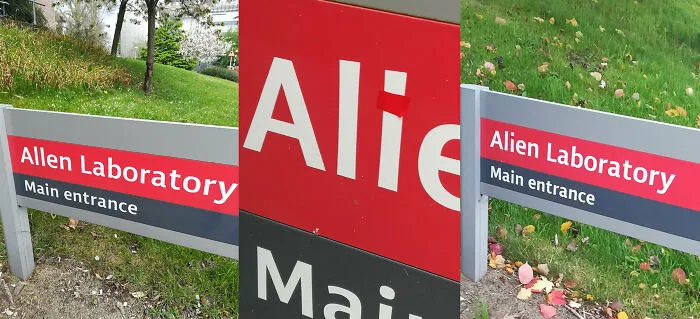
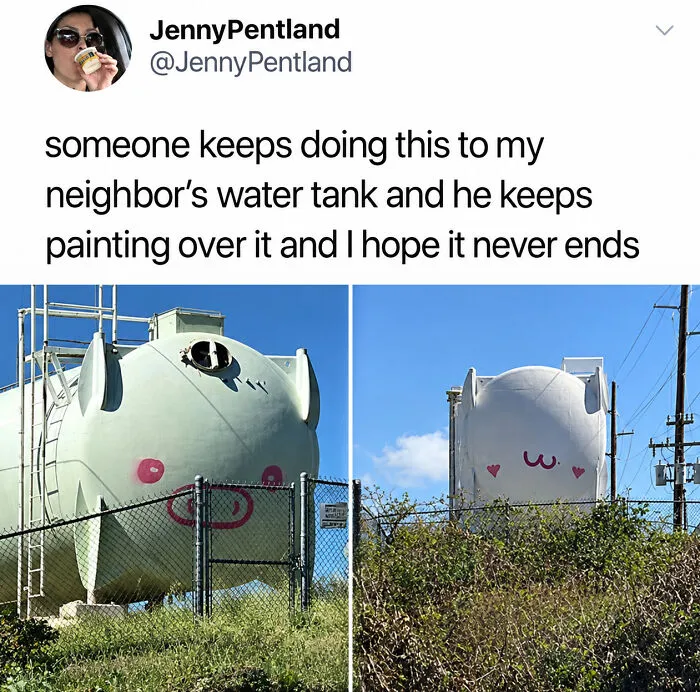
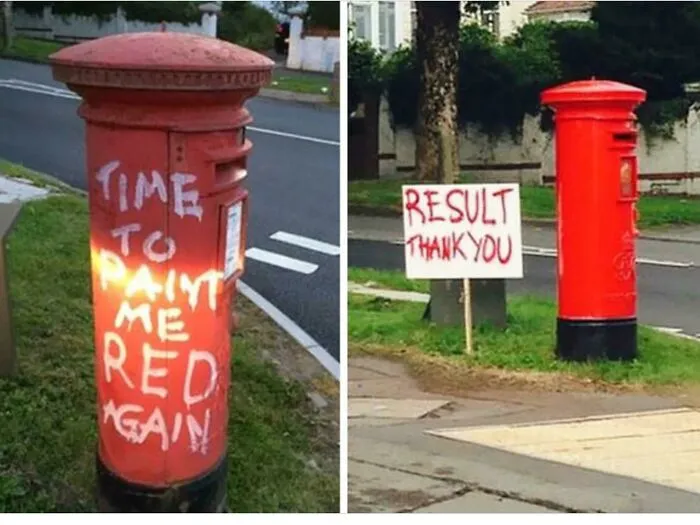
In 2024, destruction or vandalism accounted for 72.7% of property-crime victims recorded in the FBI’s hate-crime data.
That is a good reminder that actual property damage can have serious consequences. The examples in this collection are a very different kind of mischief, and we definitely do not condone vandalism that causes real harm.
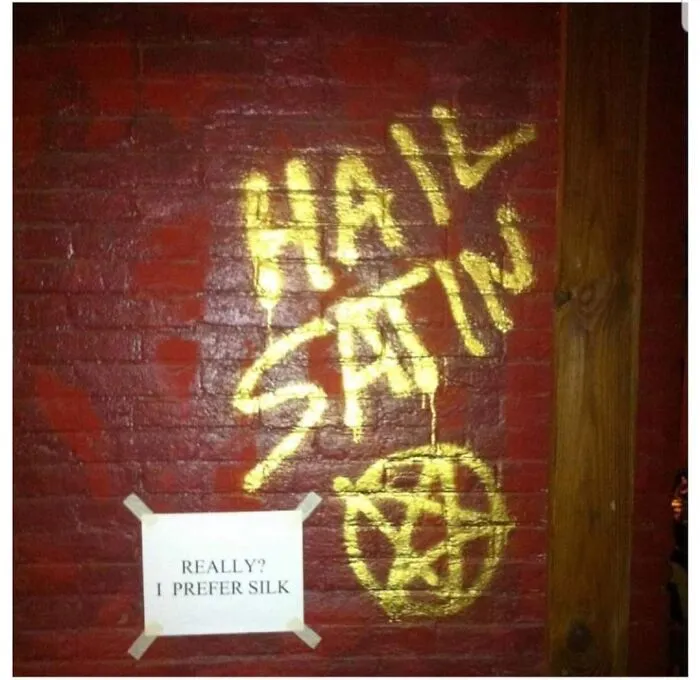
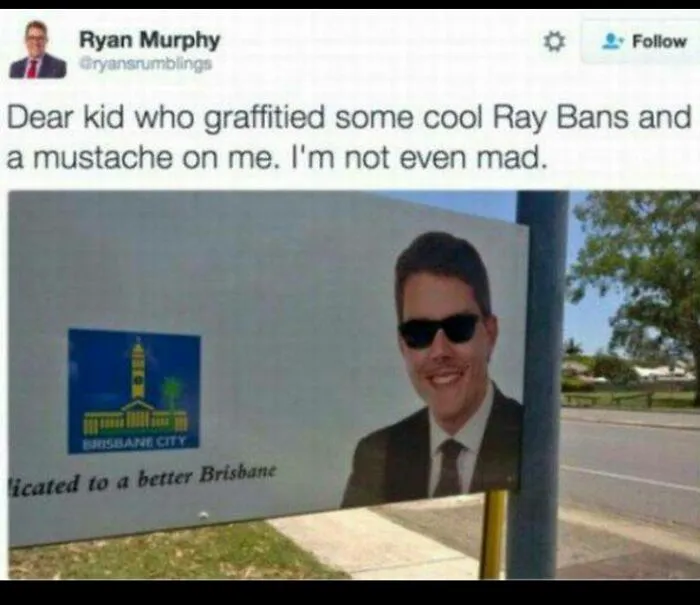
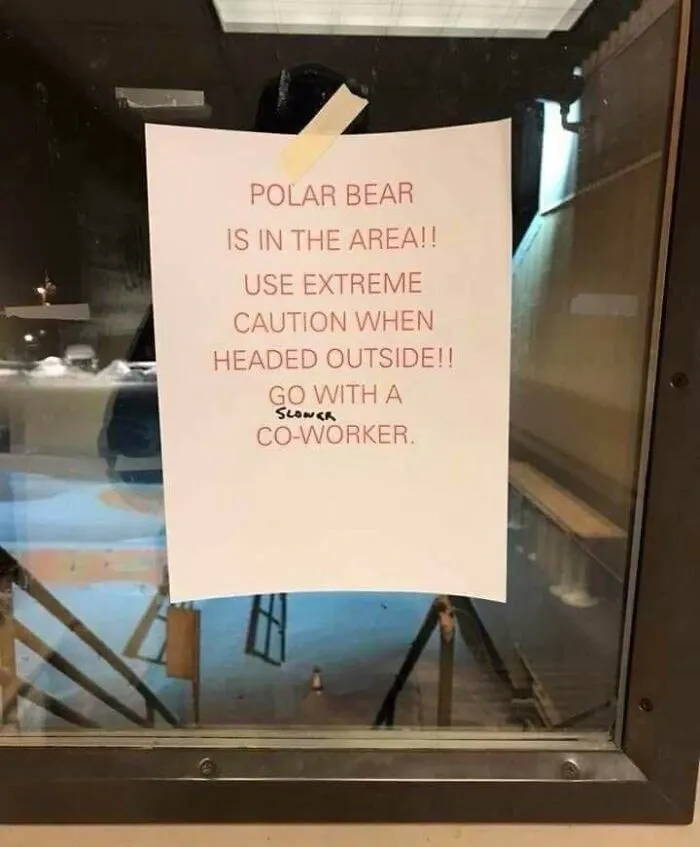
One reason these examples feel more mischievous than malicious is that they rarely seem to come at anyone else’s expense. Social norms are the unwritten rules that tell us what behavior is acceptable in a particular situation, and breaking them can lead to disapproval.
A silly addition to a sign may annoy the person responsible for maintaining it. Still, it feels very different from damaging something someone relies on or taking away their ability to use it.
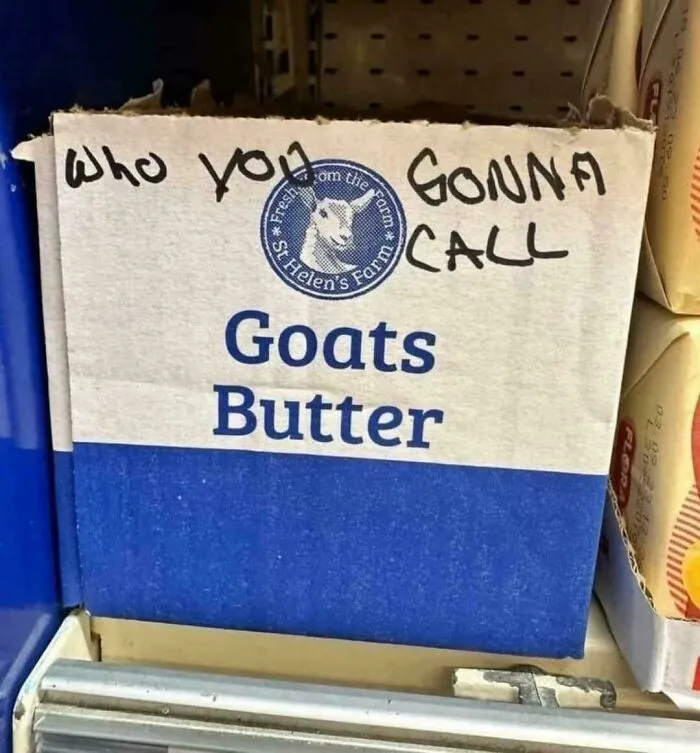
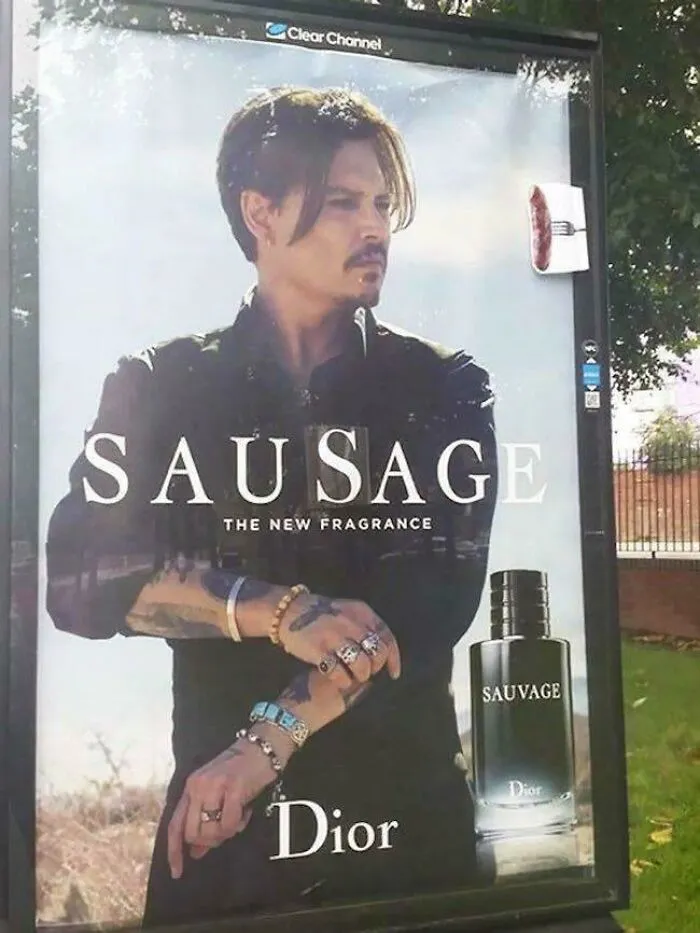
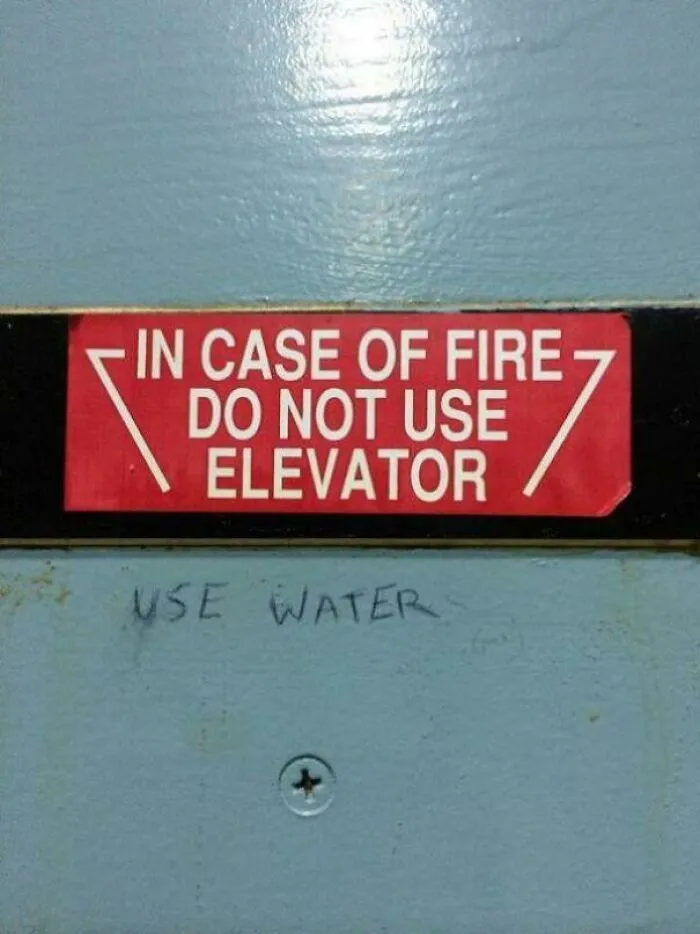
Humans have been doodling whenever they get bored for a very long time. Give someone a pencil during a long meeting, and there is a good chance the nearest piece of paper will soon have a few random shapes, little faces, or an unexpectedly detailed drawing of a cat.
Harvard Health notes that doodling may help with focus and memory, which could help explain why people feel the urge to put pen to paper when their minds start wandering. Take away the notebook and that creative impulse might end up somewhere it probably shouldn’t.
#16 The City Says It Will Take At Least 7 Years To Construct A Bike Lane So We Drew One In Chalk Connecting A Big Trail With Some Neighborhoods To Show How Easy It Could Be. Paint Coming Soon
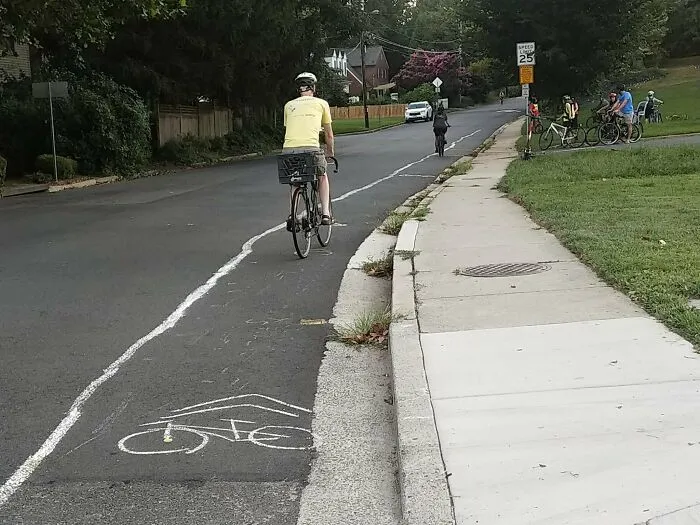
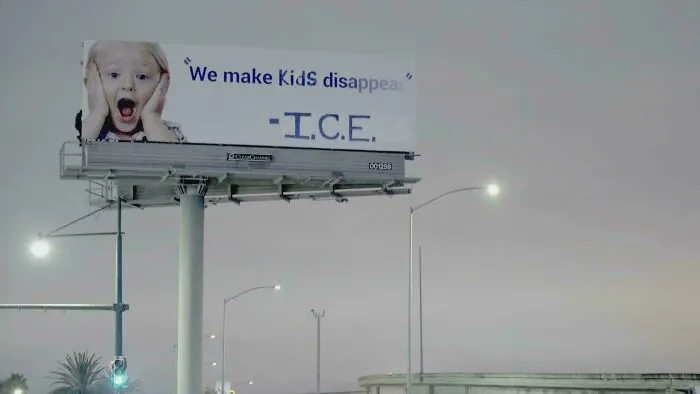
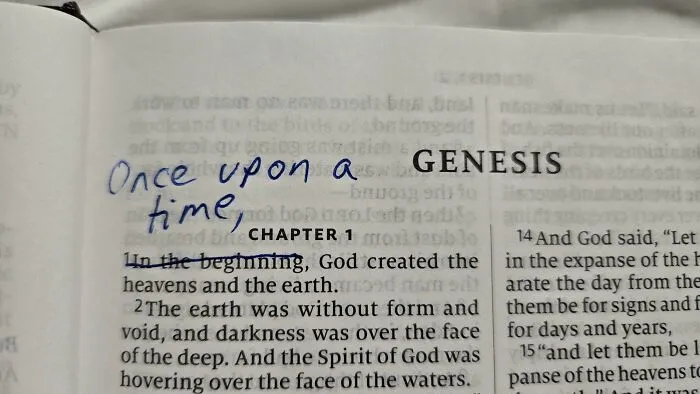
A popular quote goes, “We don’t stop playing because we grow up; we grow up because we stop playing.” Psychologists who study play in adulthood describe playfulness as something connected to creativity, curiosity, humor, and spontaneity.
You can see little traces of that in everyday life. Someone might scribble a playful detail on a boring notice or find a way to make an ordinary space feel a little more interesting. Adulthood may not completely get rid of our need to play around. We just get more creative about finding excuses for it.