


This post may include affiliate links.



Picture this: you're walking down the street and spot those familiar golden arches in the distance. You don't even need to read the name to know it's McDonald's, right? Well, pandas, that's the power of good marketing! A familiar logo, catchy slogan, or memorable advertisement can make a brand instantly recognizable. But marketing isn't just about getting people's attention. It's also about convincing them that a product or service is worth their money. After all, even the most innovative idea won't do much for a business if nobody knows it exists.



And businesses certainly aren't taking marketing lightly. According to figures reported by Statista, worldwide advertising and marketing spending is expected to exceed a whopping $2.1 trillion in 2026, up from around $1.92 trillion in 2025. To put that into perspective, it's almost as much as Brazil's entire GDP in 2025! That's an enormous amount of money being spent on everything from television commercials and billboards to social media campaigns and online advertisements. Clearly, businesses are willing to invest heavily in getting people interested in what they're selling.

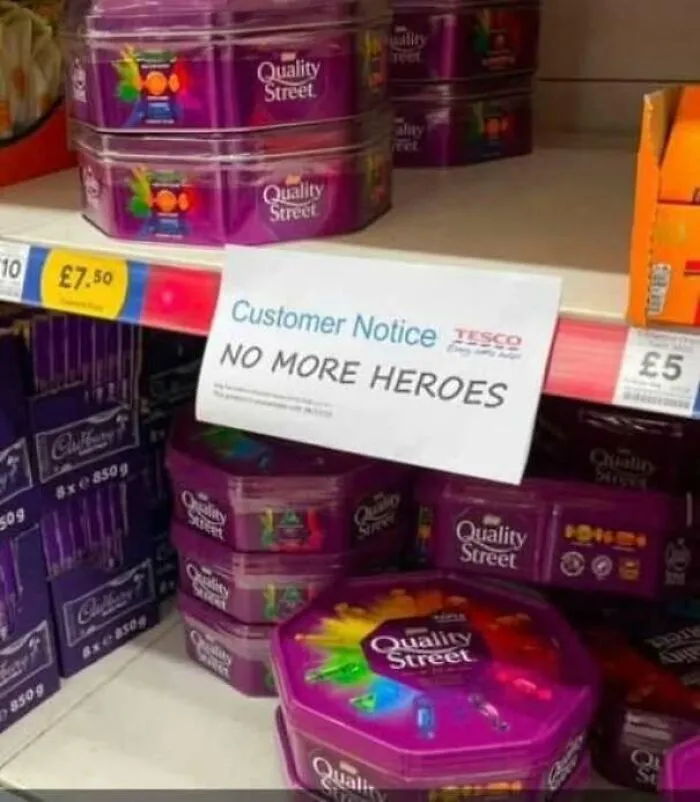
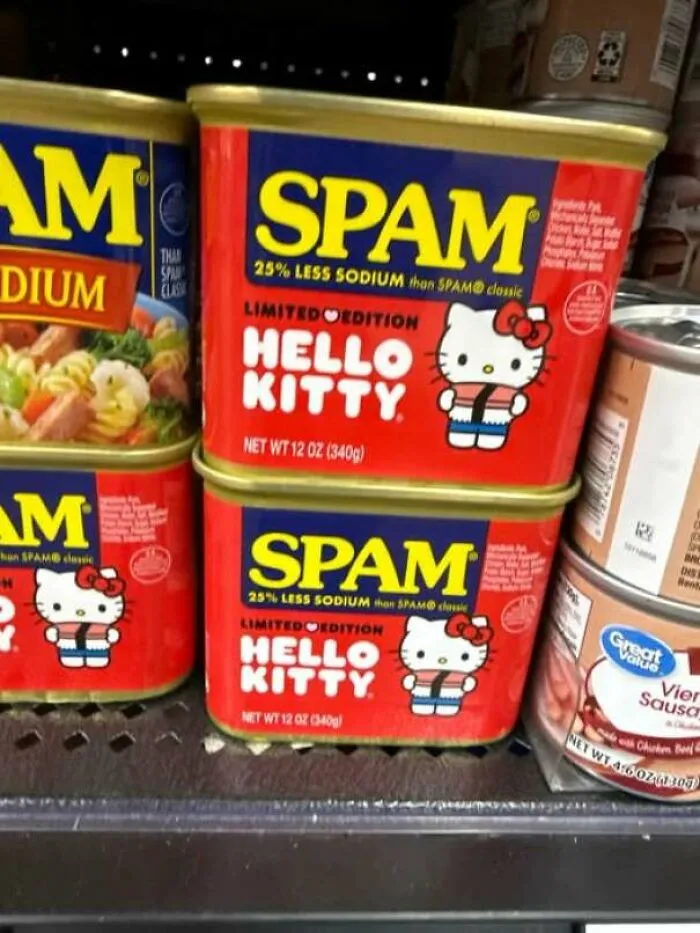
But here's something interesting: successful marketing isn't necessarily about convincing people that a product is better than everything else. Sometimes, it's about understanding what people actually want. In his book This Is Marketing: You Can't Be Seen Until You Learn to See, marketing expert Seth Godin explains this with a simple example. People don't buy a drill because they're fascinated by drill bits. They want to make a hole, put up a shelf, organize their belongings, and enjoy the satisfaction of getting something done. In other words, people often care more about how a product improves their lives than the product itself.

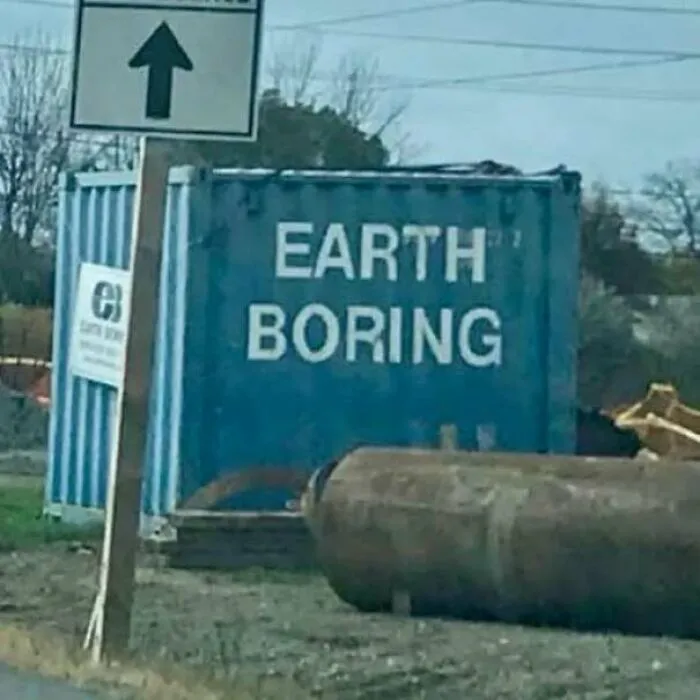

Godin also highlights another important part of marketing: the feeling of belonging. Think about how passionate some people are about their favorite brands. Whether it's a particular sneaker company, smartphone, or coffee shop, people sometimes develop a strong connection with brands that reflect their personalities and values. It's not always just about what they're buying. It's also about what that purchase says about them and the community they feel part of. And when a brand understands its audience well enough to create that connection, customers may keep coming back for more.

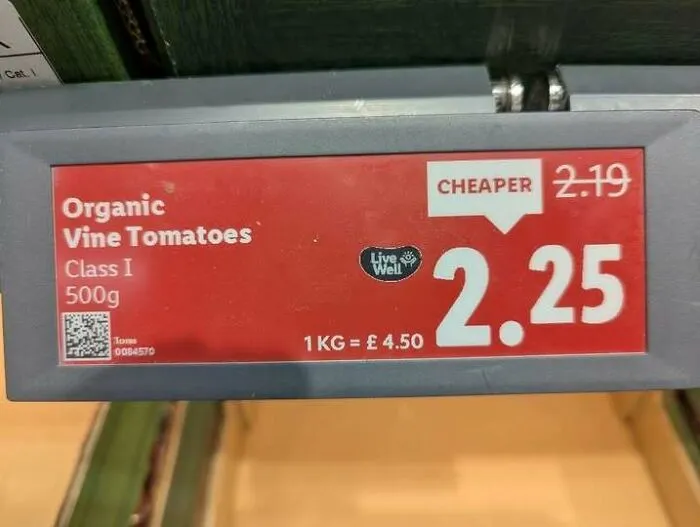
Of course, understanding customers doesn't happen by magic. Marketing helps businesses learn what people like, what they're looking for, and what puts them off. For instance, if a company launches two different advertisements and one receives a much better response, that can tell the marketing team something useful about its audience. Customer feedback, surveys, and campaign results can all help businesses make better decisions. So, marketing isn't just about selling things. It's also about listening, learning, and figuring out how to serve customers better.



But as important as marketing is, it doesn't always work out the way businesses hope. For starters, it can be expensive, especially for smaller companies working with limited budgets. And spending thousands on a flashy campaign doesn't automatically guarantee more customers. As the BBC highlights in its business education resources, poorly researched or planned marketing campaigns can fail to deliver the desired results. If an advertisement is confusing or simply doesn't connect with its audience, all that money could go down the drain. Worse still, a badly executed campaign might attract attention for completely the wrong reasons.

#20 Think This Is Appropriate Place To Post This, Unlike That Defribrillator