

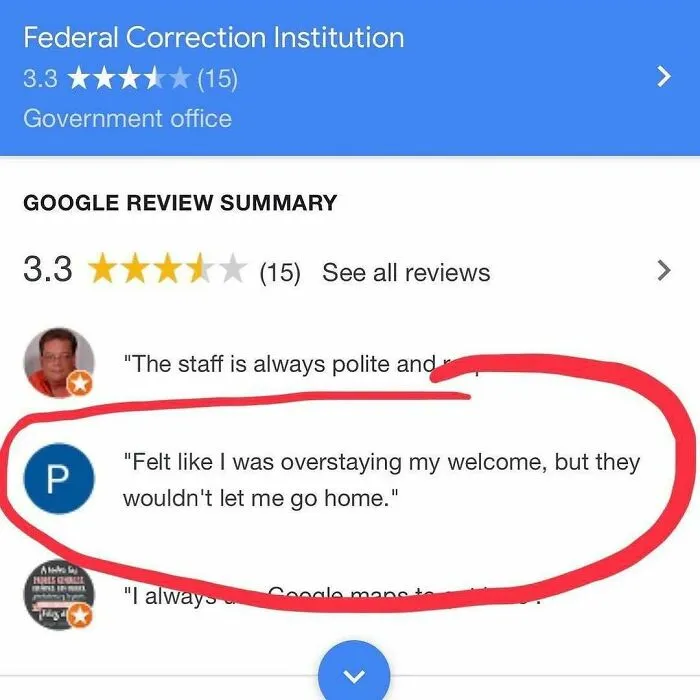
The volume of customer feedback online is staggering. Research shows that roughly nine in ten shoppers check reviews before pulling out their credit cards. A study found that about 58% of consumers would pay more to support a company with good reviews. This means brands care about product reviews as much as consumers do. As a result, companies constantly chase positive feedback to build trust. Yet, ironically, getting a happy customer to leave a simple star rating remains surprisingly difficult.
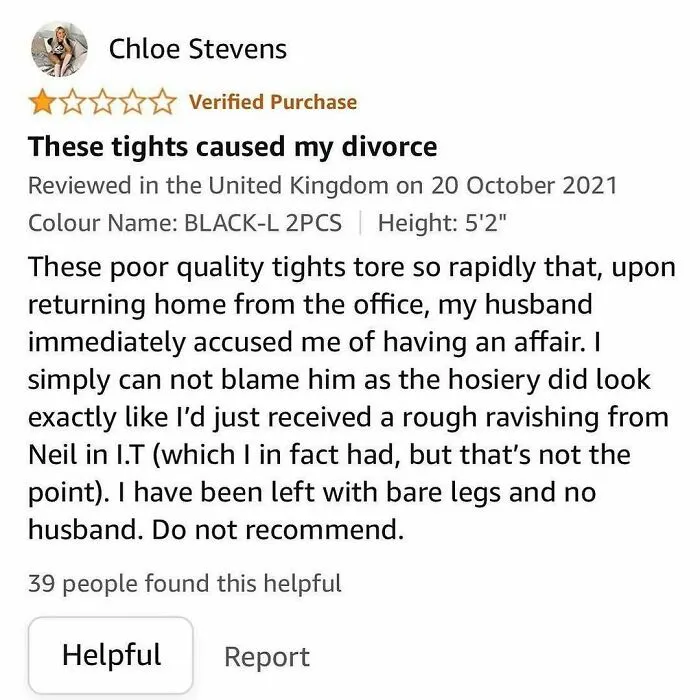
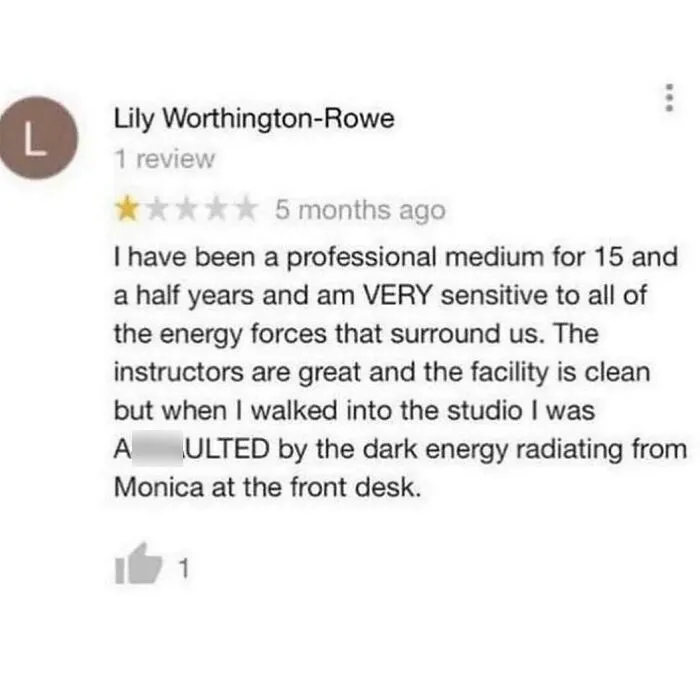
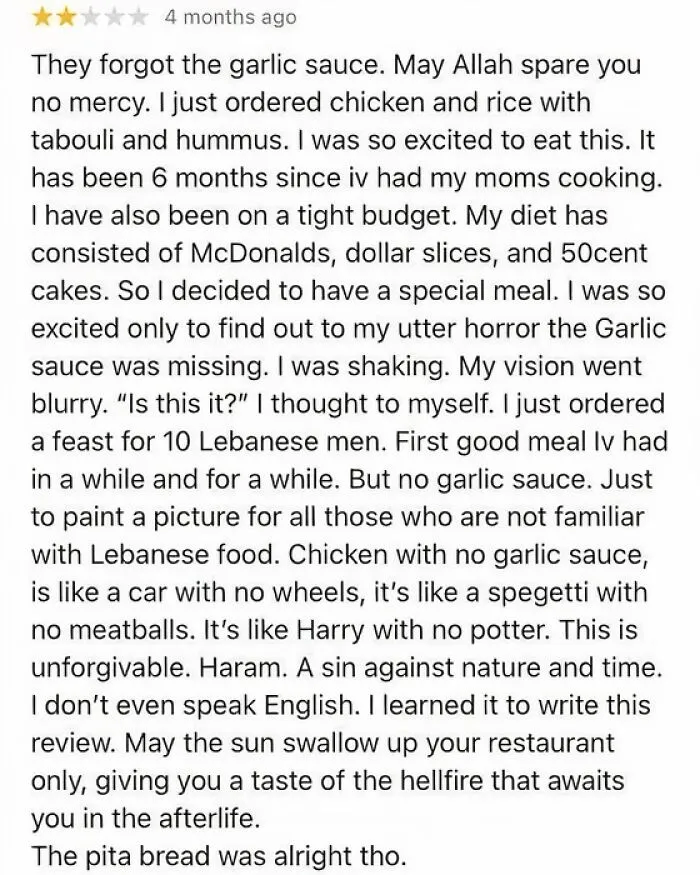
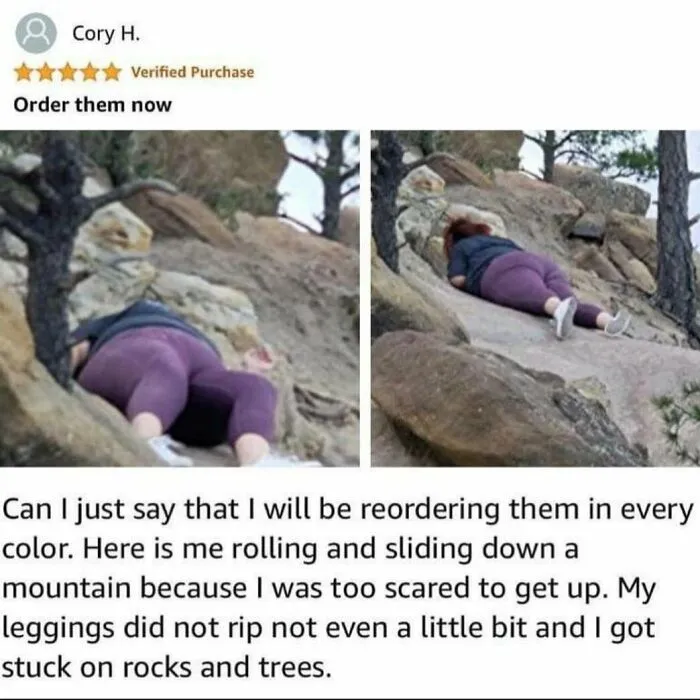
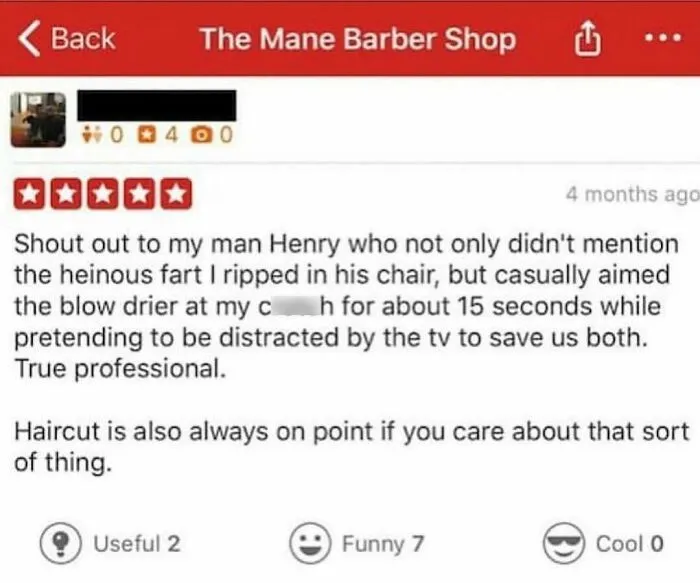
That difficulty disappears the moment something goes wrong — or when someone gets a sudden burst of inspiration. Instead of leaving a plain, boring complaint, many customers turn their online rants into stand-up comedy.
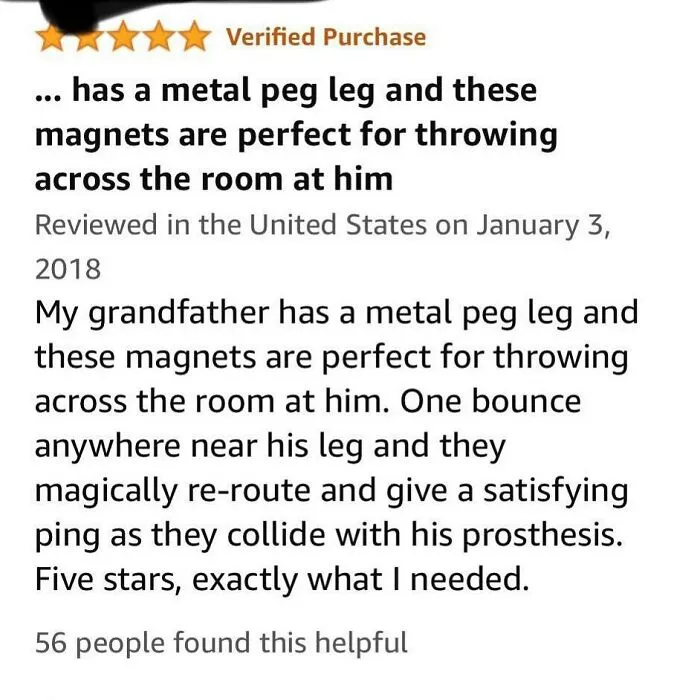
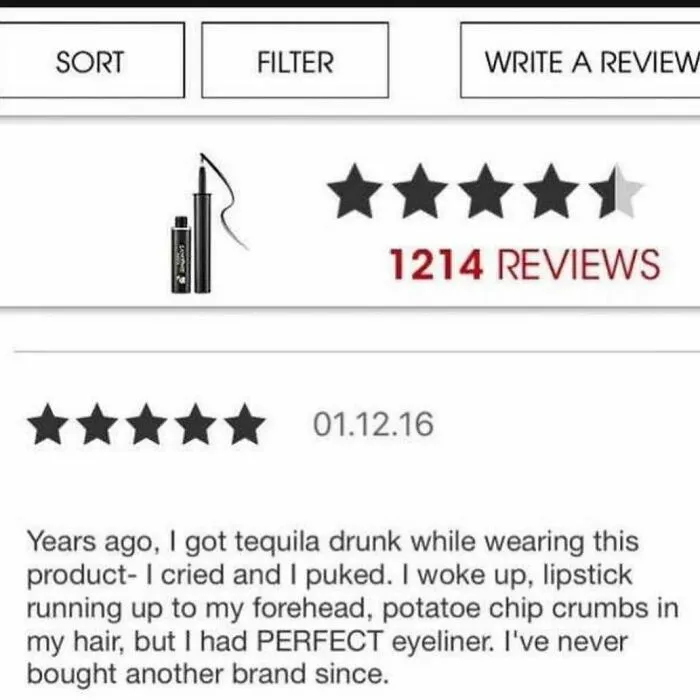
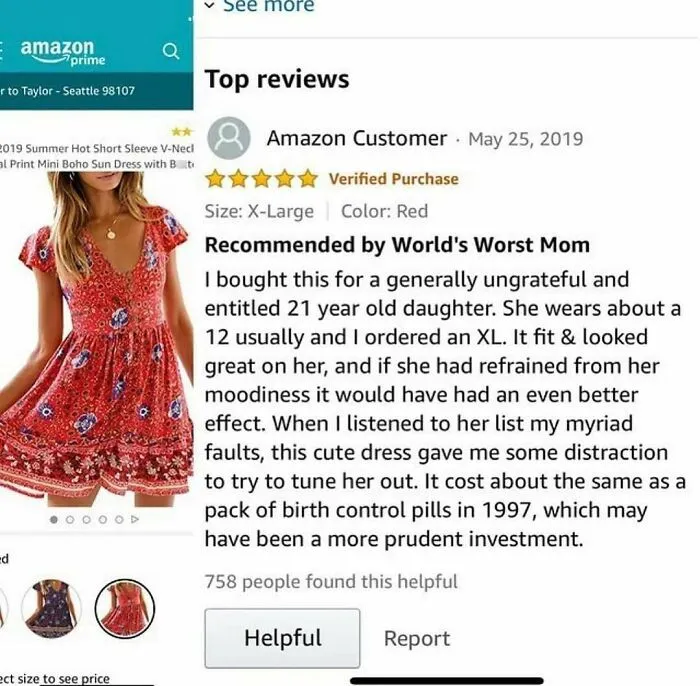
For many customers, poking fun at a terrible purchase is just a way to process frustration. When a product turns out to be a complete disaster, cracking a joke helps take the edge off.
Research shows that one-star Yelp reviews are the most likely to be rated funny. In contrast, four- and five-star reviews are least likely to be rated as funny.
For many of these review-writers, it is simply about getting attention. Unhinged single-star reviews often go viral, earning upvotes on shopping sites and racking up thousands of social media shares.
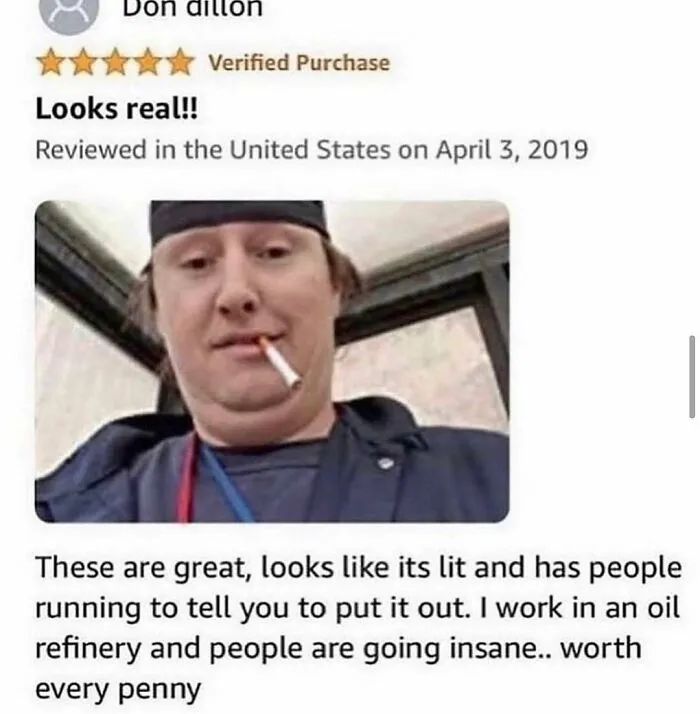
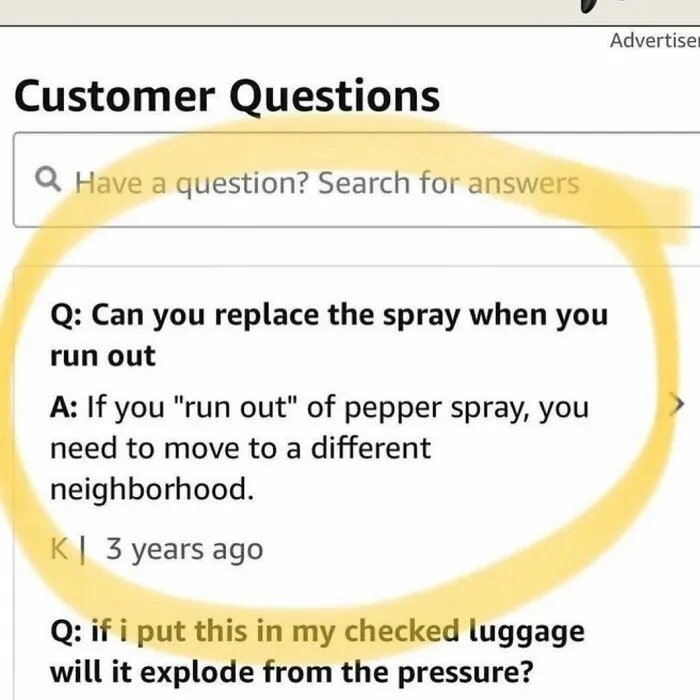
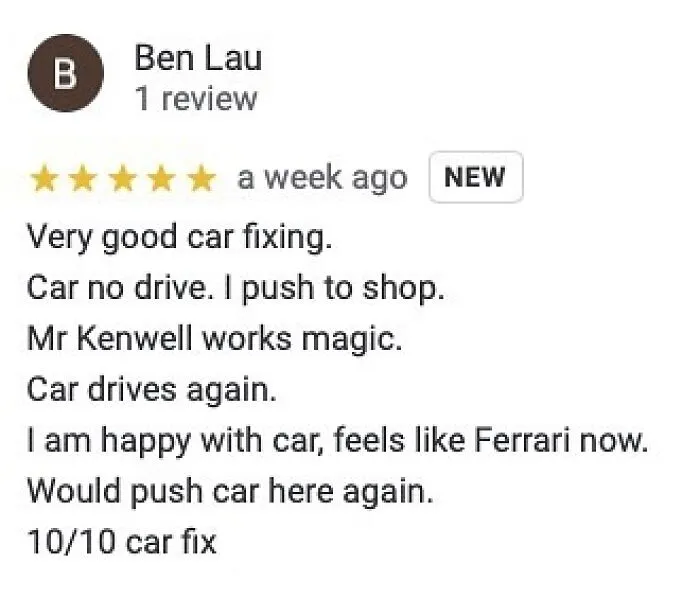
Turning a real complaint into a joke comes with a catch. According to a study published in the Journal of Consumer Research, writing a funny negative review might win over fellow shoppers, but it rarely gets you a refund.
“Humor can help consumers reach other people with words of warning, but it isn’t always beneficial when complaining. Humor can signal that a bad situation is okay, and humorous complaints are less likely to lead to sympathy or a response that fixes the situation than non-humorous complaints,” the study authors wrote in the paper.
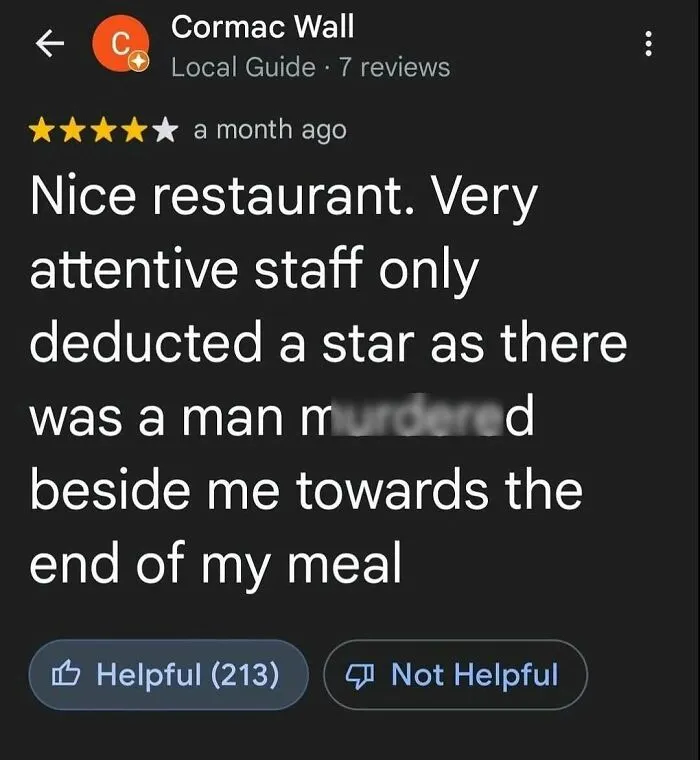
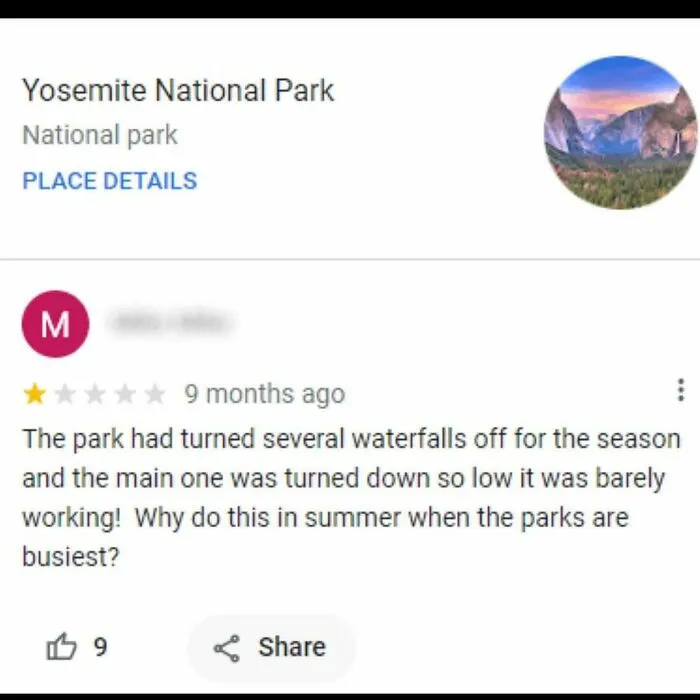
Whether intentional or not, absurd reviews can sometimes change a product’s fate — for example, the infamous “Three Wolf Moon” T-shirt on Amazon. In 2009, thousands of over-the-top, totally fabricated reviews flooded the product page. The viral joke quickly turned a random shirt into an overnight bestseller.
A similar phenomenon happened near Copenhagen’s famous Little Mermaid statue, where a random stone became a tourist sensation after hundreds of sarcastic five-star reviews appeared online.
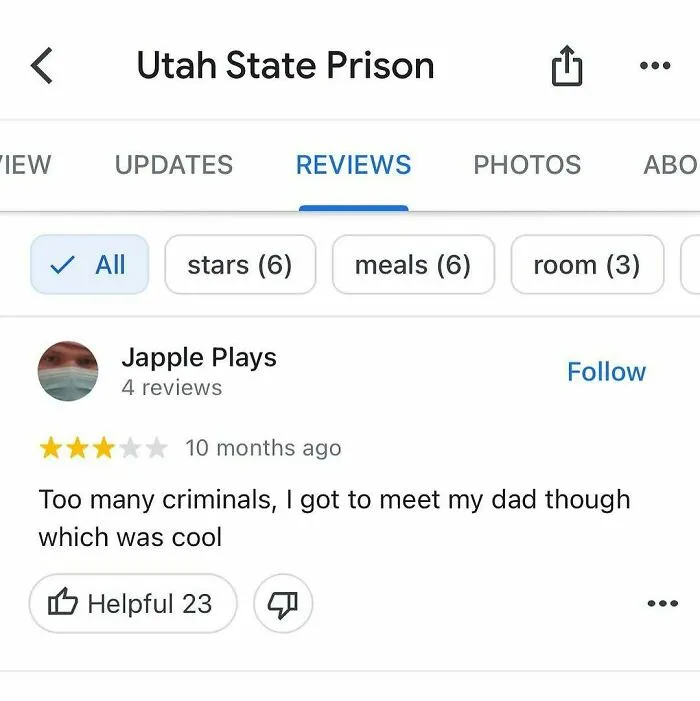
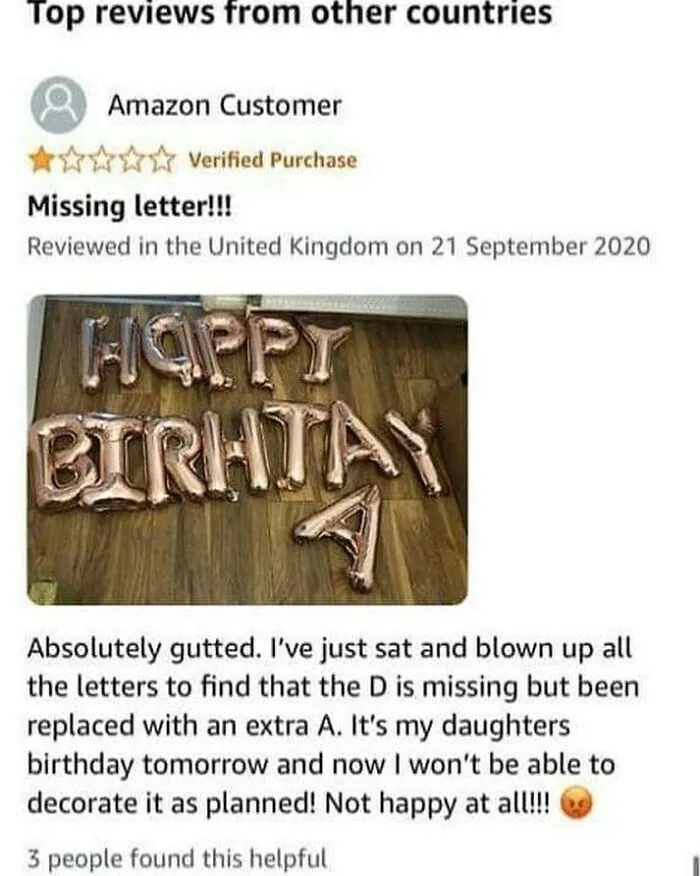
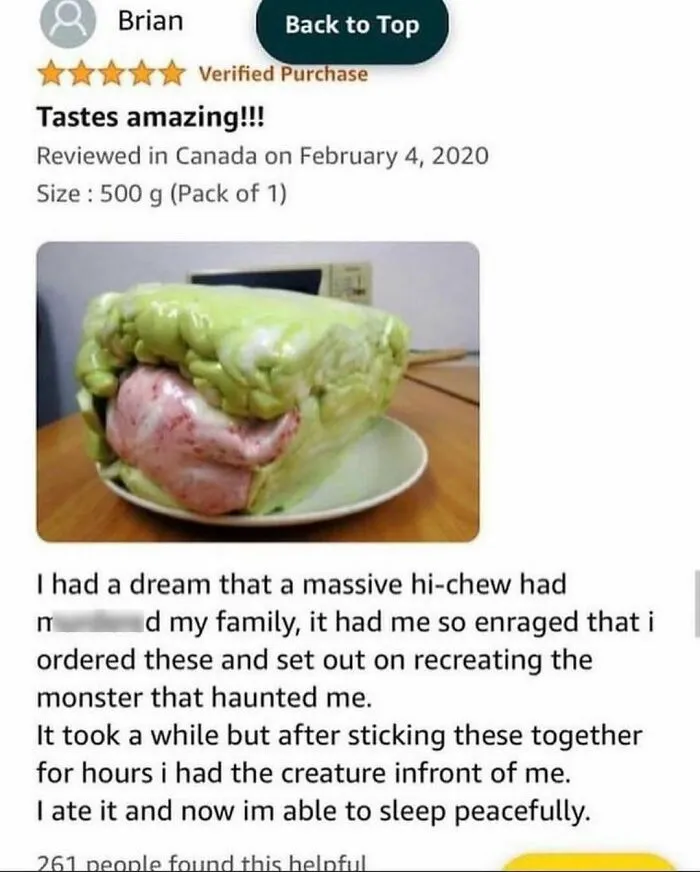
Funny pseudo-reviews are a double-edged sword for sellers. They can trigger impulse buys simply because they make people laugh, but they can also backfire if real buyers get confused while trying to find honest facts.
Either way, whether these reviewers are chasing clout or blowing off steam, they give us some of the best free entertainment on the internet.
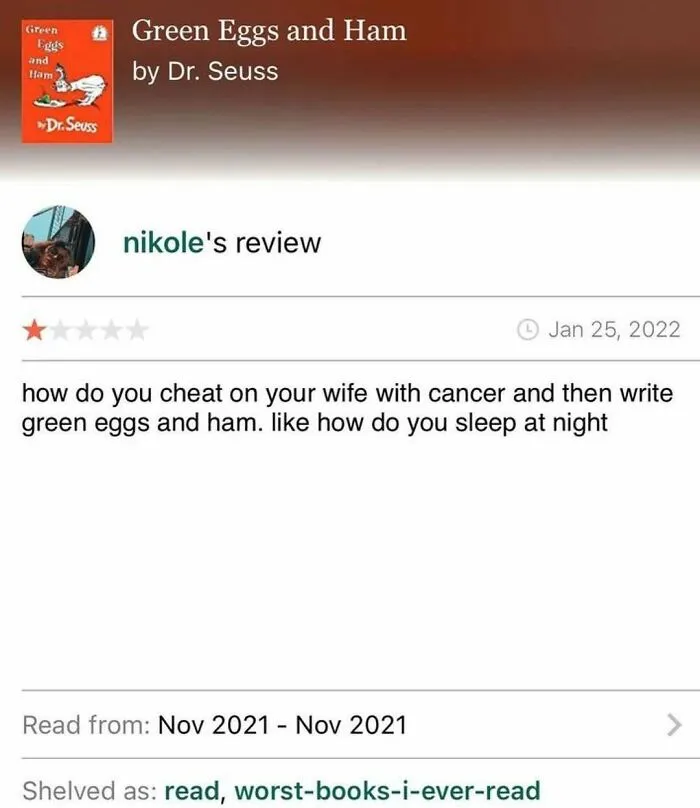
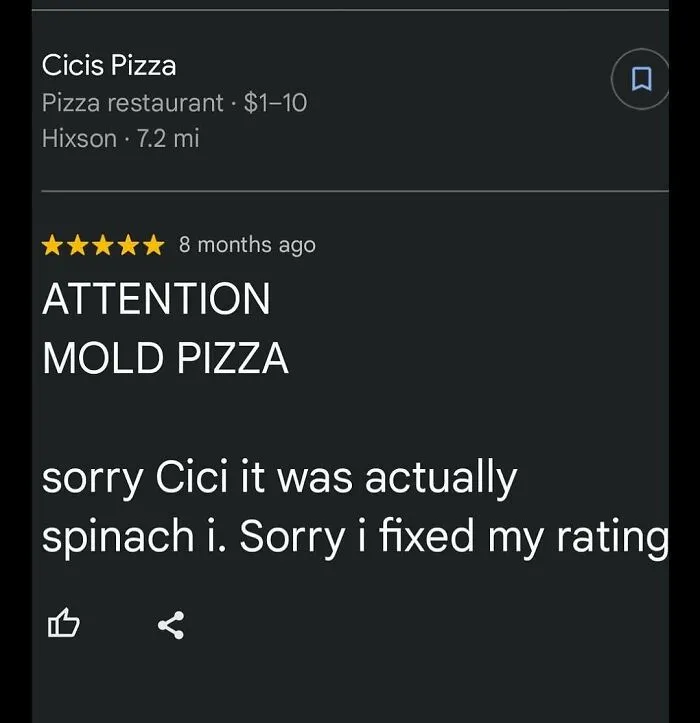
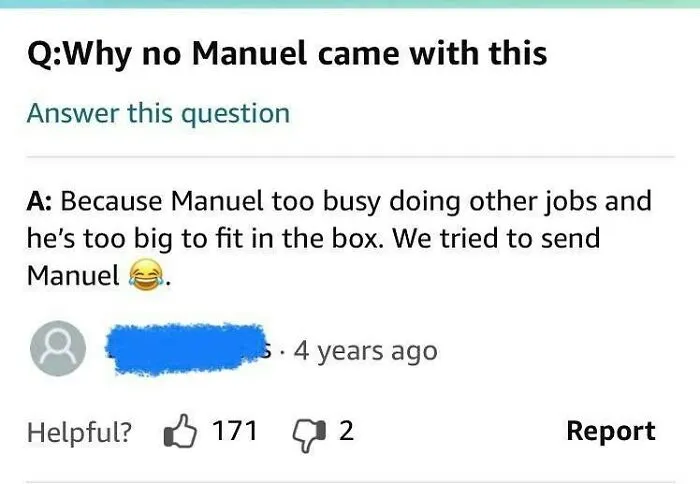
These types of online reviews have become a kind of internet joke in their own right. Beyond lists like this, there’s even a long‑running video series where professional actors give hilariously over‑the‑top readings of one‑star Yelp reviews. They poke fun at how emotional some people get about their experiences.
The clips — first popularized by the group ‘Gotta Kid to Feed’ and resurfacing online again and again — went viral because they take everyday gripes and treat them like Shakespearean tragedy.
Viral TikTok videos also show users recreating old Yelp rants, acting out every dramatic pause and gesture while reading real reviews word for word.
Staff at restaurants have also been filmed reading their own meanest customer reviews aloud, and Reddit threads are full of quotes so bizarre they’ve become memes.